Life on land

See how neighbors are turning SDG 15 into everyday action.

Forests, soil, and wild neighbors given room to thrive — rewilding, planting, and protecting living ground.

Ideas advancing SDG 15: Life on land

Walk Brasília's living agroforest gallery

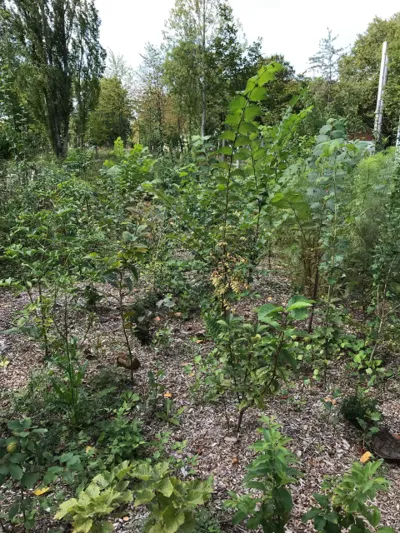
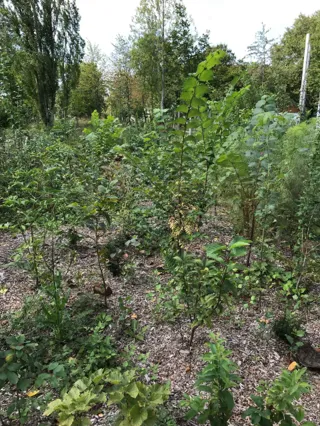
Walk Brasília's living agroforest gallery Cultiva Lab turns about 6,200 m² between SESI Lab and the Biblioteca Nacional into an open-air agroecology laboratory. Roughly 90 species from four Brazilian biomes (Cerrado, Amazônia, Mata Atlântica, Caatinga) grow together to answer one question in public: can you restore an ecosystem and produce food on the same piece of ground? What you can do - Walk the Cultiva Lab gallery and read its four growth phases as they unfold: pioneer species and first harvests, then ecological succession, vegetation layering, and a mature canopy - Look for the short-cycle food crops planted between the large trees (corn, squash, cassava, vegetables, medicinal herbs) and for the sensors that track soil and climate - Follow the pedagogical trails and mediated activities on soil regeneration, biodiversity, food security, and the relationship between city and nature - Trace circular economy in practice on site: water, nutrient, and material flows are routed back through the system to cut waste How it works The technical design came from IPOEMA (Instituto de Permacultura), structured by forest engineer Cláudio Jacintho, and was approved by IPHAN and the urban-planning bodies. The plot sits inside the GDF Adote uma Praça programme and feeds SESI Lab STEAM and CTSA education. Entry follows museum ticketing, including free first-Sunday admission (Visite). Over five years the project plans residencies for 50 artists and 50 researchers working on soil regeneration, carbon capture, and agroforestry systems. Why it matters The numbers are stated honestly. About 3 to 5 tonnes of food in the first two years go to ten social institutions in the Distrito Federal, and the system is expected to capture roughly 10 tonnes of CO2e a year against the some 700 tonnes the museum's own activity generates. Cultiva Lab is not sold as an offset: it is a measured public experiment showing that food, forest, and culture can share the same ground in the middle of a capital.

Join Indigeneity Workshops in Rotterdam

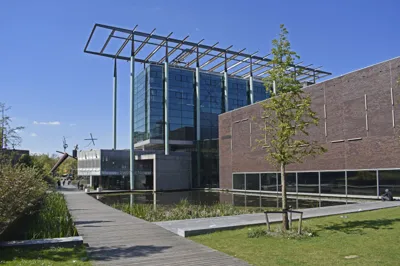
Join Indigeneity Workshops in Rotterdam Nieuwe Instituut runs COMPOS workshops in Rotterdam linking compost work to indigeneity talks. Neighbour tip Bring a friend who has never visited before; shared first visits help you remember names, routes, and follow-up events you might skip alone. What you can do in Rotterdam - Ask a volunteer what follow-up dates they recommend for newcomers before you leave the site - Book COMPOS workshop slots on 12 November 2026 from 15:30 (Nieuwe Instituut event) - Visit Museumpark 25 galleries before or after your workshop ticket time - Join facilitator-led conversations on indigeneity, soil, and design ethics listed in the event copy - Explore other institute programmes on ecology and colonial collections when the autumn calendar publishes How to join Tickets were listed around €12.50 per workshop on the organiser page. Purchase through nieuweinstituut.nl; arrive at Museumpark 25 for check-in. FLISoL 2027 Rotterdam city pages were unavailable on the source page - this row uses the confirmed COMPOS programme instead. When & where Nieuwe Instituut, Museumpark 25, Rotterdam, Netherlands. Workshop start 15:30 local time on 12 November 2026 per the organiser listing. Why it matters in Rotterdam Hands-on compost and dialogue in a design museum keeps indigeneity debates tactile instead of abstract, linking urban residents to land stories under their feet. Bring a notebook; details you capture on site help your block organise a return visit or small solidarity fund drive. Good to know - Is this the same as FLISoL? No - FLISoL 2027 city details were missing; COMPOS is the verified public event on the source page. - Do I need gardening clothes? Workshop copy mentions compost work; dress for mess and indoor heat. - Is the museum ticket included? Read the ticket description on the event page for gallery access rules.

Loan heirloom seeds like a neighbourhood library

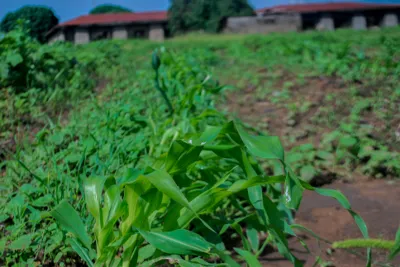
Loan heirloom seeds like a neighbourhood library In Yaxunah, Yucatán, nine women run K'an-Lol ("the flower of good corn" in Yucatec Maya): a community seed bank that loans traditional maize, beans, chilies, and other crops at no cost. Borrowers plant their milpa, harvest, and return fresh seed so the stock stays alive for the next season. Most users are subsistence farmers feeding their families, with small surpluses sometimes reaching local markets. The bank is a library, not a shop: seeds move in circulation instead of sitting in a vault. Fundación Haciendas del Mundo Maya supports the project alongside local volunteers. Surplus garden produce can reach buyers through Traspatio Maya (Instagram). What you can do - Visit Yaxunah when community programmes are open and ask how the seed bank lends and receives maize (see Yucatán Magazine coverage) - Message Traspatio Maya to order a guacal of fresh produce from Yaxunah growers when you are in the region - Replicate the pattern at home: labelled jars, a simple loan ledger, and a rule to return double the borrowed grain if you cannot swap seed immediately (as Yaxcabá neighbours describe for their bank) - Pair seed saving with nixtamalization skills so heirloom maize becomes tortillas and staples again, not just decoration How it works Farmers borrow seed, grow in milpa plots, and return after harvest. Varieties such as nuuk nal (reddish maize) stay in use even though they need more care than industrial hybrids. Coordinators track loans; partners like FHMM help with training and fair-trade outlets. There is no fixed online booking: contact organisers through community channels or partner foundations before you travel. Why it matters Imported kernels can cross-pollinate native fields. A seed library keeps criollo genetics in farmers' hands, not only in policy speeches. It is low-tech mutual aid that scales one neighbourhood at a time.

Join the Navdanya Course in Dehradun

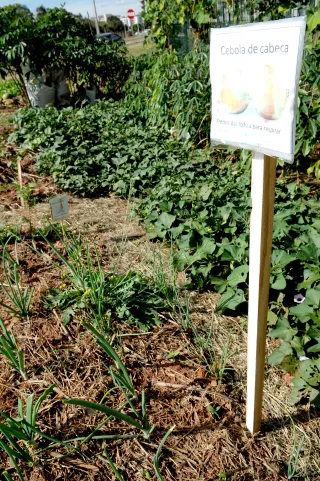
Join the Navdanya Course in Dehradun Navdanya's farm near Dehradun teaches swadeshi economics beside seed banks and demo plots. Neighbour tip Bring a friend who has never visited before; shared first visits help you remember names, routes, and follow-up events you might skip alone. What you can do in Dehradun - Apply for Gandhi and Swadeshi: On Economic Freedom & Self-Reliance, 13–17 November 2026 (Navdanya course page) - Browse other 2026 courses on biodiversity, organic farming, and food democracy (Navdanya 2026 courses) - Walk seed banks and demo plots when course schedules include field sessions - Ask how local farmers integrate swadeshi principles into market tables and seed exchanges How to join Register through Navdanya International forms linked from each course page. Fees, lodging, and visa guidance appear on the course detail sheet. Arrive prepared for farm hours and modest accommodation on or near the campus. When & where Navdanya Biodiversity Farm / Earth University, Dehradun area, Uttarakhand, India. The Gandhi and Swadeshi course runs 13–17 November 2026 on the organiser page; confirm exact campus gate instructions after enrollment. Why it matters in Dehradun Seed and food sovereignty training on a working farm beats slide decks alone. Participants leave with hands-on compost, seed-saving, and economic literacy tied to decolonial land ethics. Bring a notebook; details you capture on site help your block organise a return visit or small solidarity fund drive. Good to know - Do I need farming experience? Courses mix beginners and practitioners; read the prerequisite line on each listing. - Are meals included? Course pages describe farm meals when included; confirm dietary needs on the form. - Can I visit without enrolling? Public open days are rare; respect that the farm is an active training site.

Showing 12 of 172

What's next

Got an idea like this?

Share it with your neighborhood, or explore what's happening nearby.