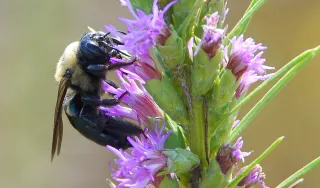
Programme nearbyRewildingFrankfurtPhotograph insects for Frankfurt biodiversity researchPhotograph insects for Frankfurt biodiversity research Frankfurt's Umweltamt supports SLInBio (Städtische Lebensstile und die Inwertsetzung von Biodiversität): researchers from Senckenberg, Goethe University, and neighbourhood partners study how everyday city life connects to insect diversity. Residents can join by uploading insect photos to the Insekten Hessen reporting portal. What you can do - Photograph bees, butterflies, or beetles in your garden, balcony, or park (no faces needed) - Upload sightings through the Insekten Hessen meldeportal - Follow project updates on insektenvielfalt-frankfurt.org and join open events when listed - Visit the Insect Embassy art installation by ISOE and HfG Offenbach to learn why urban insects matter How it works Scientists use crowd-sourced images to map distribution and population trends across Hesse. SLInBio links the data to questions about urban lifestyles, green yards, and shared stewardship with NABU Frankfurt, BioFrankfurt, and the Palmengarten. Why it matters Insects pollinate food, recycle nutrients, and signal healthy neighbourhoods. A few phone photos from many streets beat a lone expert survey.insectscitizen-sciencebiodiversity +2
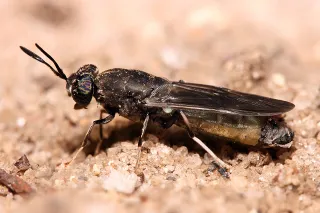
Programme nearbyFood & GardenTori-BossitoTurn organic waste into Maggot-Compost with soldier fliesTurn organic waste into Maggot-Compost with soldier flies In Tori-Bossito, southern Benin, the cooperative Agro-Eco Services turns animal waste and agro-industrial leftovers into Maggot-Compost. Black soldier fly larvae cut a process that can take months down to about 12 days, then the team blends the result with biochar from agricultural waste. Farmers get a nutrient-rich organic fertiliser that feeds soil life without chemical burn. What you can do - Buy or trial Maggot-Compost if you farm or garden in Benin or neighbouring countries (Agro-Eco Services) - Visit the production site in Tori-Bossito to see larvae, biochar, and bagging in one loop - Adapt the pattern: collect local organic waste, partner with a youth coop, and sell compost instead of burning residues - Read how the model scaled from a Master's research project into a regional supplier (discovery: Africa Eye) How it works Larvae rapidly break down organic matter. After harvest, the residue is mixed with biochar and sold as Maggot-Compost to market gardeners, development partners, and research projects. The coop reports serving over 2,500 clients across Benin and neighbouring countries. Contact them via the website to purchase or partner; do not treat this page as a booking form. Why it matters More than a third of farmland in Benin faces degradation. Closing the waste-to-fertility loop keeps nutrients local, cuts dependence on expensive chemical inputs, and gives young agronomists a builder pathway that restores soil.compostinsectsbiochar +2
Programme nearbyRewildingVilniusSteward Antakalnis garden wildlife, VilniusSteward Antakalnis garden wildlife, Vilnius Miesto laboratorija stewards outdoor solutions: insect hotels, compost, and rainwater. Help habitat care in the Antakalnis yard. What you can do - Read tvarus sprendimai lauke - Ask about insect hotel or compost workdays - Visit Antakalnio g. 17-13 when a public slot is open How it works Habitat tasks sit in the same yard as the educational garden. Confirm open hours. Why it matters Vilnius keeps insects and rainwater in a yard neighbours can tend.vilniushabitatinsects +1