Sustainability initiatives in Brasilia

Find community gardens, compost programs, repair cafés, and neighborhood cleanup events in Brasilia — local environmental initiatives you can join.

Brasília neighbours connect SESI Lab learning with e-waste recovery and circular economy drop offs. Explore solarpunk ideas and initiatives that turn waste into community opportunity.

Ideas
14
Initiatives
8
Participants
0

Brasilia on the map

Top ideas in Brasilia

Programme nearbyFood & GardenBrasilia

Walk Brasília's living agroforest gallery

Walk Brasília's living agroforest gallery Cultiva Lab turns about 6,200 m² between SESI Lab and the Biblioteca Nacional into an open-air agroecology laboratory. Roughly 90 species from four Brazilian biomes (Cerrado, Amazônia, Mata Atlântica, Caatinga) grow together to answer one question in public: can you restore an ecosystem and produce food on the same piece of ground? What you can do - Walk the Cultiva Lab gallery and read its four growth phases as they unfold: pioneer species and first harvests, then ecological succession, vegetation layering, and a mature canopy - Look for the short-cycle food crops planted between the large trees (corn, squash, cassava, vegetables, medicinal herbs) and for the sensors that track soil and climate - Follow the pedagogical trails and mediated activities on soil regeneration, biodiversity, food security, and the relationship between city and nature - Trace circular economy in practice on site: water, nutrient, and material flows are routed back through the system to cut waste How it works The technical design came from IPOEMA (Instituto de Permacultura), structured by forest engineer Cláudio Jacintho, and was approved by IPHAN and the urban-planning bodies. The plot sits inside the GDF Adote uma Praça programme and feeds SESI Lab STEAM and CTSA education. Entry follows museum ticketing, including free first-Sunday admission (Visite). Over five years the project plans residencies for 50 artists and 50 researchers working on soil regeneration, carbon capture, and agroforestry systems. Why it matters The numbers are stated honestly. About 3 to 5 tonnes of food in the first two years go to ten social institutions in the Distrito Federal, and the system is expected to capture roughly 10 tonnes of CO2e a year against the some 700 tonnes the museum's own activity generates. Cultiva Lab is not sold as an offset: it is a measured public experiment showing that food, forest, and culture can share the same ground in the middle of a capital.
Programme nearbyEnergyBrasilia

Weigh Brazil's energy transition at SESI Lab

Weigh Brazil's energy transition at SESI Lab Each cycle SESI Lab picks one transversal theme and runs it through exhibitions, educational activities, teacher training, publications, and technical partnerships. For 2025 and 2026 that theme is energy and the energy transition, which turns the museum on the Monumental Axis into a public room for working out how Brazil powers itself. What you can do - See which energy exhibitions and activities are running now on Exposições and the daily programação - Read the free digital curation Eficiência Energética: Aerogeradores, which connects electricity, renewable sources, and the form and function of a wind turbine - Walk the permanent Imaginando Futuros gallery, built to make visitors question the choices and decisions that shape the future (acervo digital) - Watch for the free course for education professionals on energy and sustainability, and for Night Lab evenings that take up the annual theme How it works The theme travels through the whole programme rather than sitting in one room. The interactive show Energia, Sou Watt? placed visitors at ten stations balancing economic growth, social justice, and environmental protection while deciding policy on nuclear power, mobility, production, and housing; it closed on 7 September, so treat it as a format to ask for rather than a live ticket. The Festival Energia brought five free public panels to Brasília: energy scenarios and transition, science communication and the climate emergency, decarbonisation and mobility, climate justice and sustainable development, and art and the climate emergency. Why it matters An energy transition is settled by people who can picture the trade-offs. A museum that hands you the dilemma instead of the conclusion builds exactly the civic muscle that climate policy runs on.
Programme nearbyRepair & ReuseBrasilia

Build circuits and learn energy efficiency

Build circuits and learn energy efficiency SESI Lab's Maker and Biomaker rooms teach energy through your hands. In Construindo circuitos com massinha, participants sculpt modelling clay, test which materials conduct, light an LED, and end up talking about careful use of electricity. The oficina sits on the museum's Eficiência Energética thematic axis and its CTSA framing asks participants to propose their own conscious-consumption actions. What you can do - Check the programação and register for the day's oficinas at opening time (box office, kiosks, or the official ticket platform) - Read the open workshop records and tutorials in the acervo, such as circuitos com massinha and insetos elétricos, then rebuild them in a classroom or at home - Ask about Maker and Biomaker sessions and short courses through O SESI Lab - Use the same recipes to start a household conversation about where the electricity actually goes How it works Places are limited and filled by arrival order; some activities hand out passwords about 30 minutes before the start. Biomaker is presented as a rare public lab of its kind in Brazil. Each oficina is published in the digital acervo with its curricular links, references, and a build tutorial, so the recipes stay usable far outside the museum. Why it matters Closing your first circuit is where energy stops being a bill and becomes something you can reason about: what conducts, what wastes, and what you can repair yourself.
Programme nearbyCommunityBrasilia

Bridge peripheries through Diálogos com Territórios

Bridge peripheries through Diálogos com Territórios Diálogos com Territórios is SESI Lab's inclusion programme, linking the museum with cultural groups and social organisations from Brasília's peripheries. Residencies combine maker skills, audiovisual work, entrepreneurship, accessibility, and environmental education so communities co-create the science culture instead of only receiving it. What you can do - Watch SESI Lab programming and news for open showcases, oficinas, and calls tied to Diálogos - Follow O SESI Lab educational programmes if your collective works with youth, culture, accessibility, or environmental education - Attend the free public showcases when residencies close (past cycles have produced games, prototypes, publications, and performances) - Connect partner organisations (coverage cites groups such as Jovem de Expressão and Casa Akotirene) through the museum's education team How it works Selected DF groups join mentored residencies with dozens of formation hours, then share results with the public. Cycles are periodic, so treat each closing date as a window into an ongoing programme rather than a single ticketed festival. Why it matters Climate and energy decisions land hardest on the edges of a city. A museum that runs its environmental education with those neighbourhoods, not about them, is how science culture stops being a downtown privilege.
Programme nearbyCommunityBrasilia

Host the travelling SESI Lab near you

Host the travelling SESI Lab near you SESI Lab Itinerante packs about ten interactive apparatuses plus a workshop area so the museum experience can travel across the Distrito Federal and other Brazilian states. Schools and local partners can request the kit and add teacher formation shaped to local needs, and everything the museum builds is mirrored in a free digital acervo. What you can do - Explore the travelling exhibits and oficinas in the acervo Itinerante - Ask your school network, municipal culture desk, or SESI regional office how to host a stop - Rebuild the workshop recipes (light badges, motor cars, electric insects, conductive dough) in a classroom, using the published tutorials - Run the free digital exhibition BioOCAnomia Amazônica with students: it puts bioeconomy, biodiversity conservation, and reducing climate change impacts at the centre of Amazonian development How it works The itinerant set carries a slice of the long-duration exhibition and of the educational action programme. Hosts negotiate dates and training with SESI Lab, so there is no permanent street pin because the venue moves. The digital acervo stays open to anyone with a connection, at no cost. Why it matters Inquiry science should not stop at the Rodoviária. A travelling lab plus an open archive lets a distant classroom touch the same phenomena, and reuse the same lesson, as the Esplanada galleries.
Programme nearbyRepair & ReuseBrasilia

Drop electronics at a DF voluntary delivery point

Drop electronics at a DF voluntary delivery point Brasília runs two public pathways for leftover electronics, and both ask residents to walk a device to a box rather than the ordinary bin. Reciclotech (SECTI-DF with Programando o Futuro) lists voluntary delivery points (PEVs) for computers, phones, cables, batteries, and similar gear. A separate reverse-logistics map from SLU-DF (Sema-DF with Abree) covers electroelectronics and household appliances, plus other take-back streams. What you can do - Look up Reciclotech PEVs on the SECTI PEV table (that page listed 149 active points when last updated 13 October 2025; the Reciclotech overview still says 102, so use the table) - Check the SLU reverse-logistics map and filter by residue type; Sema notes that the local Abree operator also keeps 9 of its own delivery points - Take small IT, phones, cables, and batteries to a Reciclotech box; use the SLU map for bulky appliances and for streams that are not electronics - Do not treat the whole map as electronics-only: the same network also receives medicines, cooking oil, tyres, glass, and x-ray plates How it works Reciclotech PEVs are boxes placed in regional administrations, metro stations, parks, SESC/SESI units, and other busy spots. The programme then sorts what can be repaired, donated, or recycled. Sema-DF's agreement with Abree (signed 24 September 2021) covers collection, transport, and environmentally adequate destination, executed locally by Zero Impacto. Confirm the current list on the official table or map before travelling: counts disagree across pages, and hours are not published as a single timetable. Why it matters A walk-up box is the lowest-friction circular step in a capital that otherwise sends metal, plastic, and batteries into ordinary waste. Neighbours keep gold, copper, and working machines in the city instead of in the soil.
Programme nearbyCommunityBrasilia

Legislate reverse logistics for public IT

Legislate reverse logistics for public IT The DF wrote Reciclotech into law so unused public computers have a route other than the skip. Decreto 41.859 (2 March 2021) created the programme inside the executive. Lei 7.913 (16 June 2026) turned it into a district-wide system of reverse logistics, disposal, and reconditioning. This is a replicable procurement pattern, not a Solarpunker endorsement of the statutes. What you can do - Read Lei nº 7.913/2026 and Decreto nº 41.859/2021 - If you work in a DF public body, ask your asset desk how idle, unserviceable, or uneconomic IT is offered to the Reciclotech manager (the law gives the manager 30 days to claim it) - If you live in another city, take the pattern to your council: public IT should feed repair workshops and inclusion labs before it feeds a landfill - Follow Reciclotech as a citizen by using PEVs and courses; the statute is the back-office that keeps those full How it works Lei 7.913 lets direct, autonomous, and foundational DF bodies notify the programme manager of IT and electroelectronics classed as uneconomic to recover, unserviceable, or idle. The programme prioritises correct disposal of public IT and free public access to digital technology. The executive still has to regulate execution, partnerships, and which body is the manager. Solarpunker does not organise Reciclotech and does not lobby for the law. Why it matters A city that donates its own leftover towers to the same workshops that train residents is practising circular procurement, not only asking households to be virtuous.

Initiatives in Brasilia

BrasiliaDate TBD

Train at the Reciclotech centre in Gama

Train at the Reciclotech centre in Gama The executor Programando o Futuro runs Reciclotech's practical courses from its headquarters in the Gama industrial sector. Discarded electronics arriving from PEVs become the benches for basic IT, computer maintenance, and robotics. How it works Enrol on programandoofuturo.org.br/cursos or in person. Classes are 100% practical and on site. Bring ID and proof of address. Confirm open groups on the executor's page before travelling; this is not a drop-in museum workshop. When & where - QI 06 Lotes 20/80, Setor de Indústria, Gama Leste, Brasília-DF, CEP 72.445-060 - Approximate pin on Sind QI 6 in the Gama industrial sector - Recurring: in-person courses; check dates with Programando o Futuro: Reciclotech Why it matters The city's leftover machines and the city's next technicians can share one industrial lot. Source & repost Shared here so you can get inspired or find action already happening near you. Solarpunker does not own or organise it. Source: SECTI-DF: Reciclotech · Programando o Futuro: Reciclotech. Photo: Wikimedia Commons, Gama (30464020096).jpg) (CC BY-SA 2.0, vcheregati).
BrasiliaDate TBD

Visit the circular economy polo in Ceilândia Norte

Visit the circular economy polo in Ceilândia Norte In 2024 Reciclotech installed the Polo Distrital de Economia Circular in Ceilândia Norte, joining collection, sorting, recycling, training, and local jobs for that macrorregião. How it works Read the polo on Programando o Futuro: Reciclotech (3rd edition) and confirm visiting or training arrangements with the executor. Street hours are not published on that page. When & where - Ceilândia Norte, Distrito Federal (named 2024 site; no street lot on the partnership page) - Approximate pin for Ceilândia Norte - Recurring: confirm with Programando o Futuro before travelling Why it matters A polo in Ceilândia keeps reverse logistics where people already live and look for work. Source & repost Shared here so you can get inspired or find action already happening near you. Solarpunker does not own or organise it. Source: Programando o Futuro: Reciclotech partnership record. Photo: Wikimedia Commons, Ceilândia (CC BY 2.0, Agência Brasília).
BrasiliaDate TBD

Drop electronics at Águas Claras metro

Drop electronics at Águas Claras metro One named Reciclotech PEV sits at Metrô Estação Águas Claras, on Avenida Pau Brasil 2500. It is a walk-up box in a station people already use, not a special trip across the DF. How it works Take Reciclotech-accepted electronics to the station PEV. Confirm it is still listed on the SECTI PEV table before you go: the directory is the live list, and counts differ across official pages. When & where - Metrô Estação Águas Claras, Avenida Pau Brasil 2500, Águas Claras, Brasília-DF (address as on the SECTI Reciclotech PEV table) - Recurring: standing drop-off; station hours follow Metrô-DF, not a Reciclotech timetable Why it matters A box on the commute is how reverse logistics becomes ordinary. Source & repost Shared here so you can get inspired or find action already happening near you. Solarpunker does not own or organise it. Source: SECTI-DF: Reciclotech · PEV table. Photo: Wikimedia Commons, Aguas Claras metro station, 29-03-2024 (2).jpg) (CC BY-SA 4.0, Jcornelius).
BrasiliaDate TBD

Drop electronics at SESC 504 Sul

Drop electronics at SESC 504 Sul Another named Reciclotech PEV is at SESC 504 Sul, W3 Sul, Quadra 504/505, Asa Sul: a Plano Piloto walk-up point on a street people already use for sport and culture. How it works Take Reciclotech-accepted electronics to the SESC PEV. Confirm it is still listed on the SECTI PEV table before you go. When & where - SESC 504 Sul, W3 Sul, Quadra 504/505, Asa Sul, Brasília-DF (address as on the SECTI Reciclotech PEV table) - Recurring: standing drop-off; building hours follow SESC, not a Reciclotech timetable Why it matters Asa Sul gets a box of its own, so reverse logistics is not only a satellite-city chore. Source & repost Shared here so you can get inspired or find action already happening near you. Solarpunker does not own or organise it. Source: SECTI-DF: Reciclotech · PEV table. Photo: Wikimedia Commons, E-waste (CC BY-SA 3.0, Praveenp).
BrasiliaDate TBD

Walk the Cultiva Lab agroforest

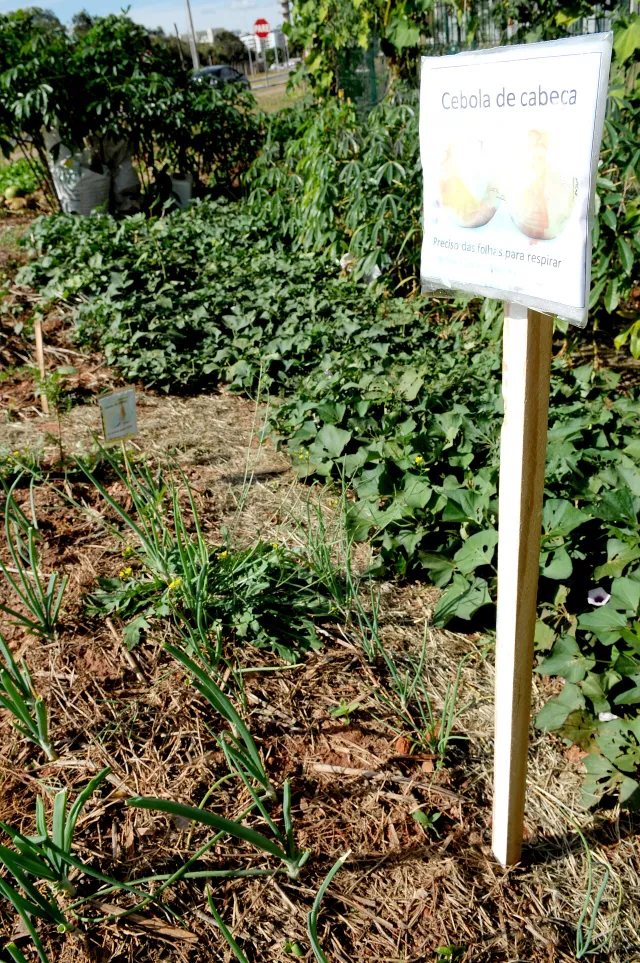
Walk the Cultiva Lab agroforest An open-air agroecology laboratory of about 6,200 m² between SESI Lab and the Biblioteca Nacional, planted with roughly 90 species from the Cerrado, Amazônia, Mata Atlântica, and Caatinga, and designed to regenerate soil while it produces food. How it works Enter with a SESI Lab ticket or on the free first Sunday of the month. Walk the pedagogical trails, find the short-cycle food crops growing between the trees and the monitoring sensors that follow soil and climate cycles, and check exposições for the mediated activities matched to the current growth phase. When & where - Setor Cultural Sul, Bloco A, Asa Sul, Brasília-DF, CEP 70070-150 (beside Rodoviária do Plano Piloto) - Outdoor gallery between SESI Lab and Biblioteca Nacional (approximate pin for the garden edge) - Recurring: Tue–Fri 9h–18h (entry until 17h); Sat, Sun, holidays 10h–19h (entry until 18h). Free first Sunday of the month. Confirm on Visite. Why it matters The harvest goes to ten social institutions in the DF, and the carbon and soil measurements are published as research rather than sold as an offset. Regeneration becomes something you can check on during a walk downtown. Source & repost Shared here so you can get inspired or find action already happening near you. Solarpunker does not own or organise it. Source: SESI Lab: Exposições / Cultiva Lab · Visite. Photo: Wikimedia Commons, Hortas urbanas serão financiadas pelo Funam (19633082372).jpg) (CC BY 2.0, Agência Brasília).
BrasiliaDate TBD

Build a circuit at a same-day maker oficina

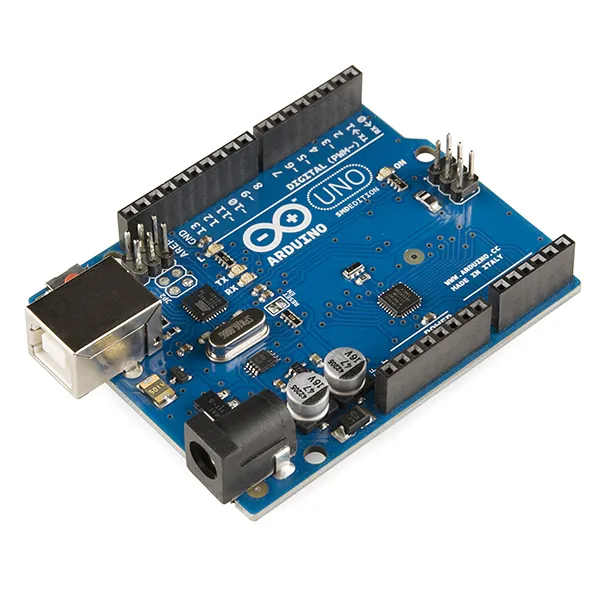
Build a circuit at a same-day maker oficina Drop into a SESI Lab oficina that teaches circuits, motion, and materials by making them. Registration opens on the day the activity runs and places are limited. How it works From museum opening, register on the official ticket platform, at the physical box office, or at a self-service kiosk. Some activities distribute passwords about 30 minutes before the start at reception. See programação for what is on each day, and the acervo for the build tutorial to take home. When & where - Setor Cultural Sul, Bloco A, Asa Sul, Brasília-DF, CEP 70070-150 (Maker and Biomaker rooms inside the museum) - Recurring: during museum hours; check the daily calendar - Always confirm the day's oficinas before travelling Why it matters A same-day workshop removes the registration barrier, and the published tutorial means the skill leaves the building with you. Source & repost Shared here so you can get inspired or find action already happening near you. Solarpunker does not own or organise it. Source: SESI Lab: Programação · Visite. Photo: Wikimedia Commons, Arduino Uno - R3 (CC BY-SA 3.0).
BrasiliaDate TBD

Bring a class into the Cultiva Lab agroforest

Bring a class into the Cultiva Lab agroforest Schools and social institutions can schedule a visit that uses the living agroecology system as the classroom: ecological succession, soil regeneration, biodiversity, food security, and the relationship between city and nature. How it works Declare interest through the educational-visit pathway on Visite; the education team confirms according to open slots. Visits currently run in a self-guided format with reception and orientation, and free transport is offered to public schools and nonprofit institutions in the DF subject to date availability. At launch, organisers described scheduled student groups joining harvests and species workshops as the system matures. When & where - Setor Cultural Sul, Bloco A, Asa Sul, Brasília-DF, CEP 70070-150 (Cultiva Lab is the outdoor area toward the Biblioteca Nacional) - Recurring: by appointment within museum opening hours - Transport support for DF public schools and nonprofits depends on availability Why it matters Students who plant, measure, and harvest in the middle of the capital learn that a city can help feed and repair itself, not only consume. Source & repost Shared here so you can get inspired or find action already happening near you. Solarpunker does not own or organise it. Source: SESI Lab: Visite (visitas educativas) · Exposições / Cultiva Lab. Student harvest detail fact-checked against launch coverage: CNI. Photo: Wikimedia Commons, Jardim Botânico de Brasília, outubro de 2023 (1).jpg) (CC BY-SA 4.0, Fronteira).
BrasiliaDate TBD

Join a Night Lab evening on the energy theme

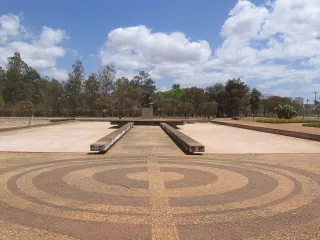
Join a Night Lab evening on the energy theme Once a month SESI Lab stays open after dark for an adult audience, with a line-up built around the museum's annual theme. Recent editions have taken up energy and the energy transition. How it works Each Night Lab is announced on the programação with its own oficinas, gallery activations, and conversations, so check the calendar and ticketing for the edition before travelling. Recent editions have fallen on the first Thursday of the month. When & where - Setor Cultural Sul, Bloco A, Asa Sul, Brasília-DF, CEP 70070-150 - Recurring: one evening per month for adult visitors; confirm date and tickets per edition - One recent edition ran on the energy theme alongside the free Festival Energia panels Why it matters Arguments about how a country powers itself belong somewhere adults can show up after work, disagree in public, and still leave having built something. Source & repost Shared here so you can get inspired or find action already happening near you. Solarpunker does not own or organise it. Source: SESI Lab: Programação · O SESI Lab. Energy edition detail fact-checked against CNI Agência de Notícias da Indústria. Photo: Wikimedia Commons, Brasília - antigo Tourin Clube 03 (CC BY-SA 4.0, Sintegrity).

What's next

Got an idea like this?

Share it with your neighborhood, or explore what's happening nearby.