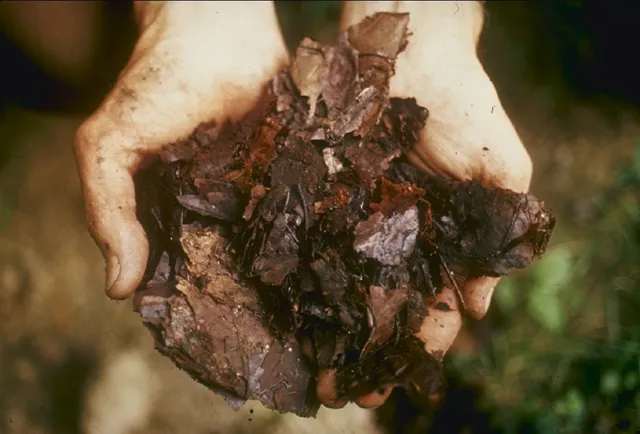
Programme nearbyFood & GardenCologneGet a Biotonne: close the compost loop in CologneGet a Biotonne: close the compost loop in Cologne About 40% of what lands in the grey residual bin is compostable organic waste. In Niehl it is burned: costing money, CO₂, and fertile matter that could return to parks and gardens as torffreier Kölner Kompost. What you can do - Ask your landlord for the free brown Biotonne (tenants can use Zero Waste Köln’s postcard template on their project page). - Line the bin with newspaper, keep it in the shade, and skip “compostable” plastic bags: they need industrial conditions Cologne’s plants do not offer. - Buy Kölner Kompost or Blumenerde from AWB/AVG outlets (the Verein advocates more neighbourhood pick-up points). Why it matters Separate bio collection has been mandatory in Germany since 2015, but Cologne households still need to request the bin. Less bio in residual waste can mean a smaller (cheaper) grey bin.compostcircularlocal
Programme nearbyFood & GardenSão PauloCompost organics with waste pickers in São PauloCatadoras and catadores lead the loop Instituto Polis and the Brasil Composta Cultiva network support community composting and organic-waste treatment, now active across ten Brazilian states, with São Paulo as a flagship hub. The 2025 regional report cites recycler participation in organic management as a top Latin American success story. What you can do - Join a compost tour or training led by waste-picker leaders in the São Paulo metro area. - Start or support a neighbourhood compost point that partners with local catadoras/es. Why it matters Organic diversion cuts methane from landfills while keeping recycler cooperatives at the centre of the system, not at its margins.compostrecyclersorganics
Programme nearbyFood & GardenParisStart shared composting with Paris Plan CompostTurn food scraps into neighbourhood soil In Paris, organic waste still makes up more than 23% of what lands in the residual bin. The city's Plan Compost has supported more than 1,000 shared sites since 2010: courtyard bins, quartier composters, and individual worm boxes, all backed by maître composteur coaching. What you can do - Apply during a quarterly campaign to install a collective composter at your building or school (collective installation form) - Gather at least seven motivated households and two site référents who will attend training and keep the pile healthy - Order equipment or book a maître composteur visit through the city's online forms when campaigns are open - Join the public Composter à Paris community for tips and meet-ups How it works Copropriétés, social housing blocks, schools, and institutions with 5 m² of ground contact can host wooden 400–600 L bins. The city delivers bio-buckets, dry-matter reserves, aeration tools, and eight months of professional follow-up so the site becomes self-running. Why it matters Composting at home can cut up to 80 kg of waste per household each year while returning nutrients to balconies, courtyards, and shared beds — joy and soil, not guilt.compostcircularlocal +1
Programme nearbyFood & GardenParisLearn composting at Maison du JardinageA free compost classroom in Bercy The Maison du Jardinage et du Compostage in Parc de Bercy is Paris's hands-on hub for residents who want to compost with confidence. Two Saturdays each month, city gardeners run intro workshops on what goes in the pile, how to balance moisture, and how to use finished compost safely. What you can do - Check the monthly nature programme on paris.fr for the next atelier dates - Visit 41 rue Paul-Belmondo in the 12th arrondissement for demos and Q&A - Download the city's collective and school compost guides from the dossier page before starting your own site - Pair a workshop visit with a building campaign so référents arrive prepared How it works Workshops are free and aimed at beginners. Staff explain the three Paris pathways — collective bins, quartier sites, and lombricomposteurs — so you can pick the scale that fits your home. Why it matters Skills spread faster than brochures. One afternoon with a maître composteur can unlock years of shared soil for a whole stairwell.composteducationworkshop +1
Programme nearbyFood & GardenQuitoJoin Quito's community compost and zero waste networkMunicipal tools: neighbourhood compost Ecuador’s Alianza Basura Cero documents a growing compost network and municipal zero waste ordinances residents can advocate for locally. The alliance publishes a model ordinance and maps community compost sites, from Pomasqui and Cotacachi to neighbourhood clubs such as Club del Compost in Bellavista. What you can do - Find a mapped compostera comunitaria near you and volunteer for a work day. - Ask your parish or neighbourhood council to adopt zero-waste ordinance language from the alliance toolkit. Why it matters Community compost keeps food sovereignty and soil health local while giving municipalities a replicable legal frame, reuse included, not just collection.compostordinancecommunity
Programme nearbyFood & GardenBerlinNeighbourhood compost with Kiez-Kompost in BerlinNeighbourhood compost with Kiez-Kompost in Berlin Kiez-Kompost builds neighbourhood-scale composting for housing estates, garden clubs, urban farms, and solidarische Landwirtschaft projects in Berlin. Their bioreactor process keeps organic matter local and aims for humus-rich compost without industrial peat from drained moors. What you can do - Contact the team via kiez-kompost.de to ask about a neighborhood composter for your courtyard or garden association - Partner as an urban gardening or Solawi project that needs finished compost returned to beds - Follow their RBB Gartenzeit feature and Instagram for build updates while the venture scales - Start small: one shared bin plus clear rotation rules beats waiting for a perfect site How it works Kiez-Kompost is in an active launch phase: offerings evolve quickly. Reach out by email or the site contact form; they reply with project fit, bioreactor sizing, and neighbour onboarding steps. Why it matters Berlin loses fertile soil to bagged shop compost and long transport chains. Ortsnahe Kreisläufe keep carbon and nutrients in the neighborhood where people grow food together.compostcommunitybioreactor +1
Programme nearbyFood & GardenSan SalvadorGrow food sovereignty through community compost in San SalvadorGardens, organics, and mutual aid The 2025 regional chapter stresses how community compost, source segregation, recycler inclusion, and community gardens (huertos) strengthen food sovereignty in vulnerable neighbourhoods across Latin America, with San Salvador among municipalities GAIA accompanies on zero-waste pathways. What you can do - Start or join a barrio compost pile that feeds a shared garden bed. - Partner with youth groups to run organic-waste recycling workshops at schools. Why it matters When food prices rise, keeping organics in the neighbourhood loop builds soil, skills, and shared meals, not dependency on distant supply chains.gardencompostfood
Programme nearbyFood & GardenMunichBring Münchner Erden home from bio-waste in MunichBring Münchner Erden home from bio-waste in Munich Münchner Erden turn the city's separated bio-waste into torffreie potting mixes and quality compost at the Erdenwerk Freimann in Munich. The base compost comes from AWM's dry-fermentation plant next door: regional input, regional output. What you can do - Buy sack or bulk compost at the Erdenwerk Freimann (Werner-Heisenberg-Allee 62) - Pick up Münchner Bio-Erde or Qualitätskompost at participating Wertstoffhöfe and Halle 2 in Pasing - Start or improve a home composter using AWM garden tips alongside bought soil for gaps - Order larger loose volumes or delivery through the AWM Erden service when you are renovating beds How it works AWM mixes certified compost with selected substrates on site. Products are RAL-quality oriented and marketed for gardens, balconies, and lawn repair: proof that Munich's brown bin stream returns as living soil. Why it matters Peat-free city compost keeps moors intact and closes the loop between your Biotonne and the tomatoes on your balcony.compostcircularpeat-free +1
Programme nearbyCommunityMexico CityLearn from zero waste municipalities across MexicoJalisco to Baja California: replicable pilots Mexico’s zero-waste momentum spans states and municipalities, including Jalisco, Apaxco, and Baja California programmes cited in the 2025 regional report. GAIA members help local governments design reuse, source segregation, and organics systems instead of defaulting to conventional waste contracts. What you can do - Ask your municipal environmental office whether a zero-waste diagnostic or segregated organics pilot exists locally. - Connect neighbourhood groups with GAIA Mexico partners for training on compost and recycler inclusion. Why it matters Curiosity and political determination, not expensive end-of-pipe contracts, are what the report celebrates as the region’s leading edge.municipalcompostreuse
Programme nearbyRepair & ReuseBarranquillaSegregate waste at home with Barranquilla recyclersClean streams: dignified work The ASOREBAQ recycler cooperative in Barranquilla works with local leaders on a 41-component programme: Barranquilla Composta y Cultiva, that helps households separate organics and deliver clean dry recyclables. The model mirrors recycler-led organic management in Colombia and Argentina highlighted in the 2025 regional zero-waste report. What you can do - Join neighbourhood sorting workshops run by ASOREBAQ and partner schools. - Separate organics and rinsed recyclables at home before hand-off to the cooperative’s collection routes. Why it matters When recyclers co-design collection, diversion rates rise and livelihoods are formalised, a builder-minded alternative to landfilling mixed waste.recyclingcompostsegregation
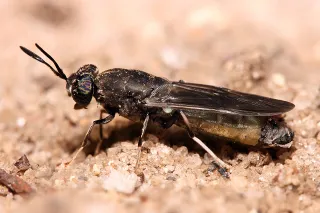
Programme nearbyFood & GardenTori-BossitoTurn organic waste into Maggot-Compost with soldier fliesTurn organic waste into Maggot-Compost with soldier flies In Tori-Bossito, southern Benin, the cooperative Agro-Eco Services turns animal waste and agro-industrial leftovers into Maggot-Compost. Black soldier fly larvae cut a process that can take months down to about 12 days, then the team blends the result with biochar from agricultural waste. Farmers get a nutrient-rich organic fertiliser that feeds soil life without chemical burn. What you can do - Buy or trial Maggot-Compost if you farm or garden in Benin or neighbouring countries (Agro-Eco Services) - Visit the production site in Tori-Bossito to see larvae, biochar, and bagging in one loop - Adapt the pattern: collect local organic waste, partner with a youth coop, and sell compost instead of burning residues - Read how the model scaled from a Master's research project into a regional supplier (discovery: Africa Eye) How it works Larvae rapidly break down organic matter. After harvest, the residue is mixed with biochar and sold as Maggot-Compost to market gardeners, development partners, and research projects. The coop reports serving over 2,500 clients across Benin and neighbouring countries. Contact them via the website to purchase or partner; do not treat this page as a booking form. Why it matters More than a third of farmland in Benin faces degradation. Closing the waste-to-fertility loop keeps nutrients local, cuts dependence on expensive chemical inputs, and gives young agronomists a builder pathway that restores soil.compostinsectsbiochar +2
Programme nearbyFood & GardenPorto-NovoMake organo-mineral fertilizer from agricultural wasteMake organo-mineral fertilizer from agricultural waste The Islamic Organization for Food Security (IOFS) has trained Beninese actors in Porto-Novo to convert agricultural waste into organo-mineral fertilisers. The pattern answers two pressures at once: degraded soils and the high cost of imported chemical fertiliser. Skills focus on fertility and soil health without leaning on synthetic molecules alone. What you can do - Study the IOFS capacity-building approach and run a local workshop that maps farm residues to compost recipes - Partner with agricultural training centres or producer associations to host hands-on fertiliser making - Share the Porto-Novo pattern with municipal agri-extension teams looking for low-cost soil recovery - Follow IOFS food-security programmes for future regional trainings (IOFS news) How it works Trainers walk participants through converting crop and processing waste into organo-mineral blends that rebuild organic matter. The September 2024 Porto-Novo sessions are past; treat them as a replicable curriculum, not a live registration link. Organisers and ministries can invite similar modules through IOFS channels. Why it matters When fertiliser prices spike, yields fall and soils thin further. Teaching communities to feed fields from their own residues builds resilience that survives the next price shock.composttrainingsoil +2