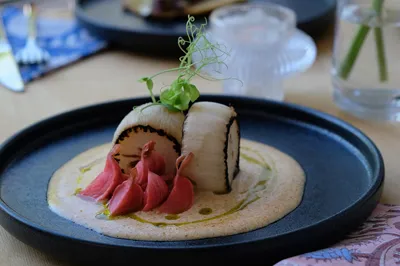
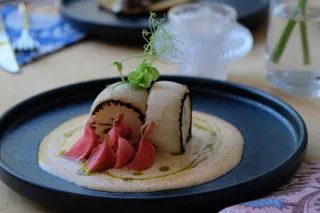
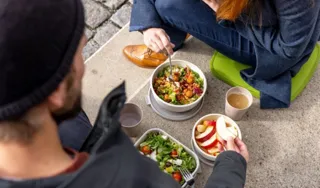
EventCommunityFrankfurtJoin Foodtura City Experiences in FrankfurtJoin Foodtura City Experiences in Frankfurt Foodtura is a ten-day festival (18 to 27 September 2026) where restaurants, farms, initiatives, and kitchens open their doors. Klimagourmet and Initiative Gastronomie Frankfurt organise about 50 City Experiences: tastings, workshops, bike tours, playground markets, and neighbourhood tables. Many events are free. Massif Central on Bethmannstraße is the festival hub. What you can do - Browse the live programme and book the events that fit your week - Start at the free Opening (18 September) or the Playground market (19 September) - Bring neighbours to a supper club, farm day, or unpackaged shop action listed on the map - Follow Über Foodtura for who is behind the festival (not a Solarpunker event) How it works Hosts publish dates, prices, and booking links on each event page. Tickets, if any, go to the organiser. Solarpunker does not take bookings. The programme can still grow through September, so check the festival site before you travel. Why it matters Sustainable eating is easier when it is delicious, local, and shared. Foodtura turns that into a week of doors you can actually walk through.festivalfoodfrankfurt +2
CommunityCologneWalk Cologne with the Zero Waste SchweifWalk Cologne with the Zero Waste Schweif Grab the Schweif booklet and one to four friends, then wander your Kiez with small tasks that help you spot waste, reuse, and resources in everyday streets. No tour guide: you set the pace. How it works - Pick up a booklet at partner cafés, unverpackt shops, or Zero Waste Köln info stands (hours vary by location). - Work through quizzes and observation prompts designed in Cologne, usable in any urban neighbourhood. - Optional deep-dive facts on the project page after you have tried the riddles yourself. Why it matters Cologne burns roughly 2,000 tonnes of waste every day; the Schweif turns that abstract number into curiosity about what we throw away and what could stay in the loop.walkingeducationlocal
Food & GardenCologneGet a Biotonne: close the compost loop in CologneGet a Biotonne: close the compost loop in Cologne About 40% of what lands in the grey residual bin is compostable organic waste. In Niehl it is burned: costing money, CO₂, and fertile matter that could return to parks and gardens as torffreier Kölner Kompost. What you can do - Ask your landlord for the free brown Biotonne (tenants can use Zero Waste Köln’s postcard template on their project page). - Line the bin with newspaper, keep it in the shade, and skip “compostable” plastic bags: they need industrial conditions Cologne’s plants do not offer. - Buy Kölner Kompost or Blumenerde from AWB/AVG outlets (the Verein advocates more neighbourhood pick-up points). Why it matters Separate bio collection has been mandatory in Germany since 2015, but Cologne households still need to request the bin. Less bio in residual waste can mean a smaller (cheaper) grey bin.compostcircularlocal
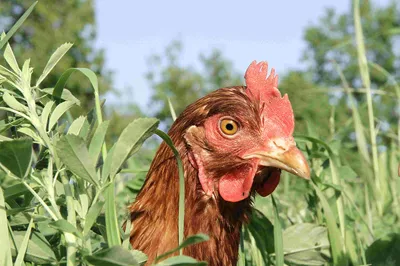
EventFood & GardenFrankfurtVisit Rhine-Main organic farms this harvest wee in FrankfurtVisit Rhine-Main organic farms this harvest wee in Frankfurt Dottenfelderhof in Bad Vilbel, Querbeet's Pappelhof in Reichelsheim, and Die Kooperative's Cityfarm in Oberrad open for Foodtura: apple pressing, potato digging, a hen walk, a farm festival, and a free family Sunday with a Schnippelparty in Frankfurt. What you can do - Press juice at the Jahreszeitenwerkstatt (19 September) - Dig your own potatoes at Pappelhof - Meet the hens or join the free Hoffest at Dottenfelderhof - Close the festival at the Familiensonntag on the Cityfarm (free) - Book the Farm to Table dinner at Tonka if you want a long table of Cityfarm vegetables How it works Farm days list prices and booking links on each page. The Hoffest and Familiensonntag are free drop-in. Wear shoes you can get dirty. Why it matters Seeing soil, animals, and harvest in the same week as city kitchens makes regional food feel real.farmharvestorganic +2
LearnCommunityMunichHelp Munich become a Zero Waste CityHelp Munich become a Zero Waste City Since July 2020 the city council tasked AWM to develop a Zero Waste concept with residents, businesses, and departments. Munich aims to cut roughly 720,000 tonnes of annual household waste and keep resources in use. What you can do - Join workshops and stakeholder sessions on the AWM project page - Start with one habit this week: repair, reuse, or better sorting Three pillars - Zero-Waste lifestyle: mindful consumption in everyday life - Zero-Waste economy: cleaner production and processes - Zero-Waste administration: municipal operations lead by example Why it matters A million-tonne waste cut needs everyone, residents, businesses, and city hall, pulling toward the same circular habits.zero-wasteadvocacylocal
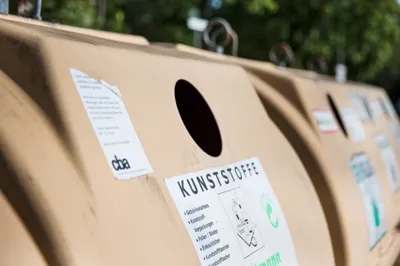
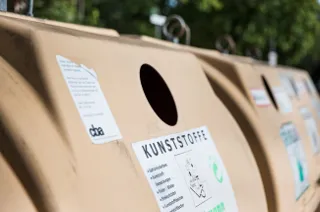
Repair & ReuseMunichPrepare for Munich’s Gelbe Tonne (from 2027)Prepare for Munich’s Gelbe Tonne (from 2027) Munich collects too little lightweight packaging at Wertstoffinseln compared with other cities. From 2027 a Gelbe Tonne for plastics, metals, and composites will roll out city-wide, financed by dual systems, not household waste fees. What residents can do now - Sort packaging cleanly in existing yellow systems in pilot districts. - Follow AWM updates on rollout timelines and FAQs. Pilot context Since January 2024 five districts tested Gelbe Tonne, Wertstofftonne, and Gelber Sack variants; council chose Gelbe Tonne in July 2025 based on scientific evaluation. Why it matters Kerbside packaging collection catches what many households still miss at remote Wertstoffinseln.recyclingpackaginglocal
Repair & ReuseMunichDrop bulk waste at a Wertstoffhof in MunichDrop bulk waste at a Wertstoffhof in Munich Munich’s 12 Wertstoffhöfe accept household bulky waste and recyclables in everyday quantities, up to 2 m³ bulky waste per resident per day at no charge. What you can do - Visit one of Munich's 12 Wertstoffhöfe with household bulky waste and recyclables (up to 2 m³ per resident per day, free) - Prefer weekdays; Saturdays can be very busy (short-notice closures possible) Tips - Prefer weekdays; Saturdays can be very busy (short-notice closures possible). - Good-condition items may continue to Halle 2 instead of landfill. Why it matters Free responsible disposal keeps bulky and tricky recyclables out of illegal dumping and residual bins.recyclingwastelocal
EventCommunityTallinnSupport green innovation in TallinnSmart solutions for climate and daily life The strategy promotes eco-innovation and smart tools that cut climate impact, help adaptation, and make the living environment healthier. Examples include reclaimed-material bus shelters and energy-efficiency upgrades in municipal buildings. What you can do - Try local repair, sharing, and refill pilots; give feedback to organisers. - Back citizen-led green startups and district innovation events listed on the city strategy site. Why it matters Local repair, sharing, and green pilots turn strategy promises into tools residents can try this month.innovationstartupslocal
EnergyTallinnHelp Tallinn reach climate neutralityClimate-neutral city by design Tallinn’s green transformation puts climate neutrality at the centre: compact urban space, cleaner energy in buildings, and a shift to sustainable transport and circular resource use across the whole city. What you can do - Choose walking, cycling, or transit for everyday trips; support district energy-efficiency programmes where you live. - Join public consultations on climate and mobility plans linked from the strategy site. Why it matters Neighbourhood-level habits add up when the city also upgrades buildings, transit, and waste systems toward net-zero goals.climateenergylocal
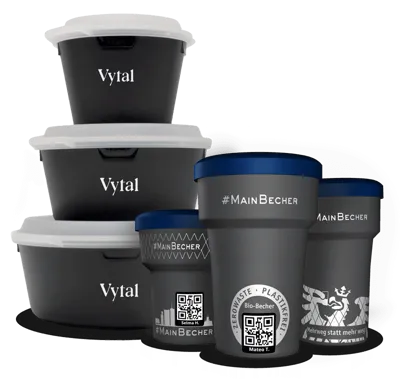
Repair & ReuseFrankfurtReusable cup & takeaway box network in FrankfurtReusable cup & takeaway box network in Frankfurt Map cafés and kiosks that lend reusable cups and takeaway boxes along the river and main streets, one returnable cup beats a mountain of single-use in Frankfurt. What you can do - Use #MainMehrweg and #MainBecher to find participating venues - Return cups to any partner point, not only where you borrowed - Encourage local businesses to join the pool if they are not listed yet Why it matters Reuse systems only work when enough people return, neighbourhood champions keep the loop spinning.reusecircularlocal
VolunteerFood & GardenKielRescue food and cook with what you haveSmarter shopping: less waste Kiel treats edible food as too valuable for the bin. The city supports fair sharing, better storage habits, and partnerships that keep surplus from shops, canteens, and cruise terminals reaching neighbours instead of incinerators. What you can do - Plan meals with a shopping list or weekly menu; buy soft fruit and veg only a day or two before use. - Store items in the right fridge zone; use senses before best-before dates; freeze leftovers in portions. - Join Foodsharing Kiel e.V. (about 650 volunteers and 93 partner businesses); try the interactive Zero Waste fridge at the Nachhaltigkeitszentrum. - Put cooked and uncooked food scraps in the Biotonne, never down the drain or in residual waste. Why it matters Kiel was named a Foodsharing Stadt in November 2024. A late-2024 cruise-ship pilot with Seehafen Kiel and Tafel Kiel redirected more than 700 kg of bread, fruit, and vegetables across six landings.foodsharinglocal
CommunityKielRefill your bottle at city Refill stationsTap water beats disposable plastic Kiel hosts 30+ Refill stations, look for the blue droplet sticker. Municipal buildings including the Nachhaltigkeitszentrum and Zentralbücherei participate; the health office advises new hosts on water quality checks. How to participate - Carry a bottle; fill at participating cafés, offices, and cultural venues listed on the Refill map (e.g. Refill Deutschland / Karte von Morgen). - Ask your workplace or favourite shop to join via umwelthygiene@kiel.de. Why it matters Tap-water refills skip disposable plastic bottles, a habit anyone can start with one reusable bottle.refillwaterlocal