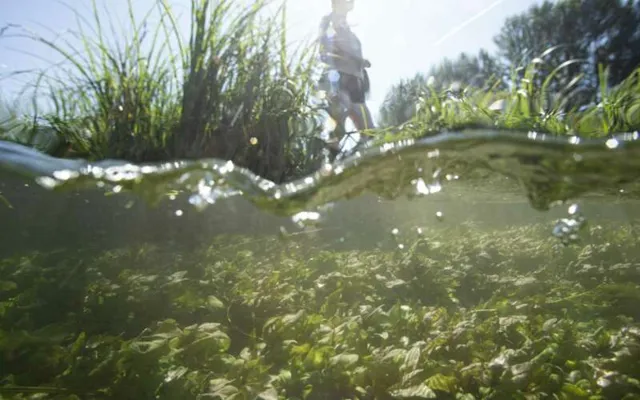
Programme nearbyRewildingLondonRestore river banks through riparian rewildingLet native plants heal your river corridor Riparian buffers slow floods, filter runoff, and give kingfishers and otters room to return. Catchment trusts across Britain pair landowners with volunteers to fence off banks and plant willow, alder, and wildflowers. What you can do - Find your local Rivers Trust project and sign up for planting days - Adopt a short stretch: remove invasive species, stake saplings, and photograph wildlife returning - Invite neighbours to a walk-and-talk along a restored reach How it works Trust officers match volunteers with farmers and councils. Teams work in wellies for a morning: mulch, plant, and label plots so future stewards know what to protect. Why it matters Healthy river edges cool cities downstream, reduce erosion, and turn muddy banks into corridors children can explore safely.riverriparianrestoration +1
Programme nearbyRewildingVilniusSteward Antakalnis garden wildlife, VilniusSteward Antakalnis garden wildlife, Vilnius Miesto laboratorija stewards outdoor solutions: insect hotels, compost, and rainwater. Help habitat care in the Antakalnis yard. What you can do - Read tvarus sprendimai lauke - Ask about insect hotel or compost workdays - Visit Antakalnio g. 17-13 when a public slot is open How it works Habitat tasks sit in the same yard as the educational garden. Confirm open hours. Why it matters Vilnius keeps insects and rainwater in a yard neighbours can tend.vilniushabitatinsects +1
Programme nearbyRewildingSkopjeSteward Novo Lisice biodiversity, SkopjeSteward Novo Lisice biodiversity, Skopje Bostanie in Novo Lisice Park teaches compost and habitat learning beside food plots. Steward biodiversity with the cooperative. What you can do - Read the Meta.mk feature - Ask about compost or habitat workshops - Volunteer in Novo Lisice Park when slots open How it works Compost and habitat learning share the park garden. Confirm with Zelena Arka. Why it matters Skopje grows habitat skills in the same park that grows vegetables.skopjebiodiversitycompost +1
Programme nearbyRewildingFromeRewild a garden with Heal's small-space guideRewild a garden with Heal's small-space guide Not everyone owns a farm, but many people can loosen a lawn, leave a hedge thicker, or speak up for nature on a street or allotment. Heal partnered with a sustainability trainer to publish a short, interactive guide for gardens and other small spaces. What you can do - Open the Rewild your garden guide (up to two hours of practical learning; donation optional) - Try one change this week: longer grass edges, a log pile, a pond bowl, or night-time lighting turned down - Share the guide with a neighbours' group, school garden, or allotment committee - For hands-on garden advice locally, Heal points to practitioners such as The Natural Garden How it works The guide translates Heal's nature-led approach into steps you can finish in an evening. You do not need to donate to read it; support is welcome when you can. Why it matters Garden-scale rewilding stitches habitat into towns and villages so insects, birds, and people meet wildness between the larger landscapes charities protect.gardenrewildingguide +2
Programme nearbyRewildingEssenJoin NABU Ruhr biotope work days in EssenJoin NABU Ruhr biotope work days in Essen NABU Regionalverband Ruhr invites neighbours to practical nature care on its Essen sites: wet meadows, water margins, and the Haarzopf and Oefte fields. This is meadow and shoreline tending, not an Emscher unsealing crew. What you can do - Book a Saturday work morning via Arbeitseinsätze Essen - Help cut, rake, and keep wet meadows and water edges open for plants and amphibians - Ask the practical-nature group for the current Lageplan and meeting point How it works Work mornings usually run on Saturday from 09:00 to about 11:00 or 12:00. Register by phone (0201 7100699) or email ag-naturschutz(at)nabu-ruhr.de. Solarpunker does not run the days: the NABU group sets tools, wet-weather plans, and which field you visit. Why it matters A few hours on a wet meadow keeps Ruhr habitats mosaic-rich so frogs, flowers, and people can share the same edges.volunteermeadowwetland +1
Programme nearbyRewildingWuppertalJoin BUND / NABU biotope care in WuppertalJoin BUND / NABU biotope care in Wuppertal BUND Kreisgruppe Wuppertal runs open Biotoppflege with species lead Benny Trapp and sign-up via Christian Limbach. The motto is outdoor work with kind people, at your own pace, with pauses when you need them. NABU Wuppertal also lists 2026 dates: check both calendars. What you can do - Sign up for a habitat day on BUND Wuppertal Biotoppflege - Work as long as you like; nobody clocks you - Watch NABU Wuppertal as well if you want extra 2026 nature dates How it works Outdoor habitat days, not a lecture series. Organisation and registration sit with Christian Limbach. Solarpunker does not keep the tool trailer. Why it matters Shared scythe and rake days keep Wuppertal biotopes open for orchids, insects, and river-edge mosaic.habitatvolunteermeadow +1
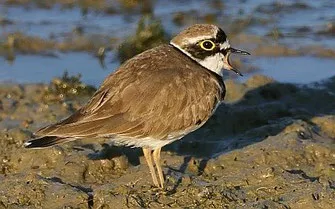
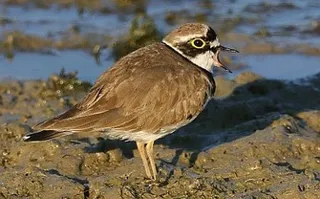
Programme nearbyRewildingHeidelbergJoin Aktionsbündnis Unterer Neckar in HeidelbergJoin Aktionsbündnis Unterer Neckar in Heidelberg Aktionsbündnis Unterer Neckar (AUN) is a NABU, BUND, LNV, and neighbour alliance for the last living floodplain stretch of the Neckar. Groups from Heidelberg, Mannheim, Ilvesheim, and Ladenburg share news, dam-care notes, and site walks. This is floodplain stewardship, not a sponge-unsealing group. What you can do - Read the AUN programme page and contact the speakers - Join a monthly alliance evening (in 2026 many nights are online via Zoom; confirm the format) - Walk the named nature reserves along the lower Neckar when the group announces a Begehung How it works The alliance formed in 2015. Coordinator Regine Buyer keeps the information flow between local groups. Solarpunker does not host the Zoom room or the Welthaus table: check the organiser before you travel. Why it matters A living Neckar floodplain needs people who show up for kingfishers, little-ringed plovers, and high-water space at the same time.floodplainriveralliance +1
Programme nearbyRewildingSiegenJoin NABU SiWi nature nights in SiegenJoin NABU SiWi nature nights in Siegen NABU Kreisverband Siegen-Wittgenstein keeps an open monthly nature night at the Heimathaus in Siegen-Bürbach. Fourth Wednesday, 19:00. In summer the same circle often swaps the room for a nature walk in and around Siegen. There is no separate named Sieg-river work day on the mitmachen page. What you can do - Come to a fourth-Wednesday night via NABU SiWi Mitmachen - Ask about the next outdoor excursion if you prefer boots to chairs - Call 02753 599001 or email if the meeting point has shifted How it works Indoor nature nights are the regular door. Summer walks replace some evenings. Solarpunker does not keep the key to the Heimathaus. Why it matters A monthly table in Bürbach is an easy way to meet people who already know Siegerland heath, owls, and weekend habitats.volunteereveninghabitat +1
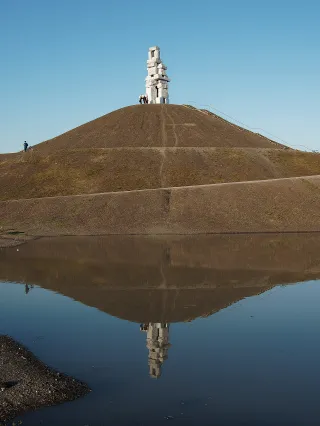
Programme nearbyRewildingGelsenkirchenWalk and meet with NABU GelsenkirchenWalk and meet with NABU Gelsenkirchen NABU Stadtverband Gelsenkirchen (founded 2004) points neighbours to Ruhr slag-heap and industrial-nature habitats through public talks and walks, plus open Thursday evenings at Margaretenhof 10-12. The 2026 list is talks and walks, not a named habitat work day. Do not invent one. What you can do - Open NABU Gelsenkirchen for the current 2026 talks and walks - Come to an open Thursday meeting at the Alfred-Zingler-Haus - Walk industrial-nature sites when a listed excursion names a trailhead (for example Emscherbruch) How it works Indoor Thursdays and outdoor walks alternate on the organiser calendar. Check the next date rather than assuming a standing work crew. Why it matters Halden and old industrial ground in Gelsenkirchen already host surprising wildlife. Walking and meeting is how more residents find those rooms.walkmeetingindustrial-nature +1