Responsible consumption

See how neighbors are turning SDG 12 into everyday action.

Making, mending, and sharing with care — less waste, longer-lived things, and joy in what already exists.

Ideas advancing SDG 12: Responsible consumption

Hofflohmärkte, neighbourhood courtyard flea market in Munich

Hofflohmärkte, neighbourhood courtyard flea market in Munich Hofflohmärkte is a Germany-wide reuse programme: residents register a private courtyard, garden, or garage and sell pre-loved goods while neighbours follow a linked tour plan through the district in Munich. The platform runs in 30+ cities and 300+ neighbourhoods; initiator René Götz operates registration, participants organise their own courtyards. What you can do - Download the tour plan PDF for your Viertel (published about one week before each market day) - Walk the linked addresses and buy second-hand treasures from neighbours - Register your own Hof if you have landlord approval and goods to pass on How it works - Sales stay on private ground only, not sidewalks or public space - Typical hours: Saturdays 10–16, Sundays 11–16 (Munich also runs selected Friday evenings with M-net sponsorship) - No food sales; private sellers only, professional dealers are not welcome - Registration closes three weeks before each date for tour-plan marking; late sign-ups are accepted but may not appear on the map - Organisers may cancel a date if fewer than 30 courtyards register, fees are then refunded About Hofflohmärkte Neighbours register a private Hof, Garten, or Garage on Hofflohmärkte and sell used goods on scheduled Viertel days. Registered addresses appear on a tour plan published about one week before each date. Sales happen on private ground only. See city pages for local schedules and Spielregeln & Tipps for seller rules. Why it matters Every item re-homed from a courtyard is one less thing bought new or landfilled, and a chance to meet the people who live behind the front doors.
VolunteerCommunityPune

Join SWaCH Waste Pickers in Pune

Join SWaCH Waste Pickers in Pune SWaCH worker-owners collect segregated waste across Pune and negotiate fair terms with the city. Neighbour tip Bring a friend who has never visited before; shared first visits help you remember names, routes, and follow-up events you might skip alone. What you can do in Pune - Ask a volunteer what follow-up dates they recommend for newcomers before you leave the site - Read how SWaCH partners with Pune Municipal Corporation for segregated collection (SWaCH cooperative) - Improve home waste separation so dry and wet streams reach pickers safely - Ask your housing society to contract SWaCH services rather than unregistered middlemen - Follow SWaCH news on impact reports and worker rights campaigns on the official site How to join Households join through society agreements or SWaCH outreach listed on swachcoop.com. Recycling Trail tours were under review per the organiser page with no stable public booking URL - contact SWaCH directly before you plan a group visit. Do not treat third-party tour blogs as official signup. When & where SWaCH operates across Pune neighbourhoods served by cooperative routes. Collection times depend on your ward contract; society managers hold local schedules. Why it matters in Pune Formal recognition turns lifetimes of informal recycling into wages, safety gear, and pensions. Cleaner streams at the doorstep mean less injury and more income for the same kilometres walked. Bring a notebook; details you capture on site help your block organise a return visit or small solidarity fund drive. Good to know - Is SWaCH only donation-based? It is a cooperative service with municipal partnerships; fees may appear in society bills. - Can schools visit sorting sites? Ask SWaCH education staff; public Recycling Trail booking was not live on the source page. - What is V-Collect? SWaCH describes periodic collection drives on the site; dates vary by ward campaigns.

Loan heirloom seeds like a neighbourhood library

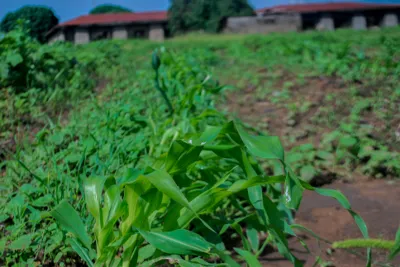
Loan heirloom seeds like a neighbourhood library In Yaxunah, Yucatán, nine women run K'an-Lol ("the flower of good corn" in Yucatec Maya): a community seed bank that loans traditional maize, beans, chilies, and other crops at no cost. Borrowers plant their milpa, harvest, and return fresh seed so the stock stays alive for the next season. Most users are subsistence farmers feeding their families, with small surpluses sometimes reaching local markets. The bank is a library, not a shop: seeds move in circulation instead of sitting in a vault. Fundación Haciendas del Mundo Maya supports the project alongside local volunteers. Surplus garden produce can reach buyers through Traspatio Maya (Instagram). What you can do - Visit Yaxunah when community programmes are open and ask how the seed bank lends and receives maize (see Yucatán Magazine coverage) - Message Traspatio Maya to order a guacal of fresh produce from Yaxunah growers when you are in the region - Replicate the pattern at home: labelled jars, a simple loan ledger, and a rule to return double the borrowed grain if you cannot swap seed immediately (as Yaxcabá neighbours describe for their bank) - Pair seed saving with nixtamalization skills so heirloom maize becomes tortillas and staples again, not just decoration How it works Farmers borrow seed, grow in milpa plots, and return after harvest. Varieties such as nuuk nal (reddish maize) stay in use even though they need more care than industrial hybrids. Coordinators track loans; partners like FHMM help with training and fair-trade outlets. There is no fixed online booking: contact organisers through community channels or partner foundations before you travel. Why it matters Imported kernels can cross-pollinate native fields. A seed library keeps criollo genetics in farmers' hands, not only in policy speeches. It is low-tech mutual aid that scales one neighbourhood at a time.

Showing 12 of 205

What's next

Got an idea like this?

Share it with your neighborhood, or explore what's happening nearby.