Community

Ideas tagged with Community — growing one neighborhood at a time.

Community ideas connect neighbours through mutual aid, shared spaces, and local networks. Find projects that make belonging and action feel close to home.

Gatherings, mutual aid, and open participation make cities places we shape together.

Top ideas in Community

Join Frankfurt's water-saving pledge, one habit at a time

Join Frankfurt's water-saving pledge, one habit at a time The city's "Frankfurt spart Wasser!" campaign, now running its fourth-plus warm season, asks residents to treat drinking water as the precious resource it is as heat and drought periods stretch longer. Posters, tram wraps, and postcards carry pledges like "Ich dreh ab", "Ich spar's mir", and "Ich fang dich auf": turn it off, skip it, catch it. What you can do - Shower instead of bathing: five minutes under the shower uses roughly a third of a full bath (about 50 versus 150 litres), and a water-saving showerhead or flow restrictor cuts it further - Turn off the tap while brushing your teeth or lathering up: saving hot water saves energy too - Run washing machines and dishwashers only when full, on eco programmes, and look for water-efficient models when buying new - Water the garden or balcony pots in the morning or evening, collect rainwater in a barrel, and choose drought-tolerant plants How it works The city renews the campaign each warm season with posters on Litfaßsäulen, tram and digital ads, U-Bahn messaging, and postcards stocked at neighbourhood libraries, restaurants, and cafés. It is part of Frankfurt's municipal water concept for securing long-term supply, and even children get a turn, with a button-making station at the GrünGürtel-Tier's birthday festival. Why it matters Longer heat and dry spells are lowering groundwater levels in and around Frankfurt. None of these habits cost much, but multiplied across a city they ease pressure on a resource everyone assumes will keep flowing from the tap.

Clean up a square with friends and make it feel in Frankfurt

Clean up a square with friends and make it feel in Frankfurt Frankfurt has a small public square near almost every home: a market corner in Höchst, a quiet Platz in Nordend, a bench area in Ostend, a spot in Bockenheim or Westend. Most just need people to show up. Gather a few friends, spend an hour picking up litter together, then stay a while and enjoy the place you just cleaned. That is the whole idea, and it works because you repeat it. What you can do - Pick a square near where you live. Browse Wikimedia Commons: Squares in Frankfurt am Main for names and photos, or explore a district first on Visit Frankfurt: Frankfurter Stadtviertel (Bockenheim and Westend, the Brückenviertel in Sachsenhausen, Höchst's old town, Nordend and Bornheim, or Ostend along the Main). Well-known squares like Opernplatz, Konstablerwache, or Höchster Markt work too, but any square near you is just as good a start. - Message two to six friends who live close by and agree on a time. A Saturday morning works well. - Sign up once as a Sauberkeitspatin or Sauberkeitspate on the FES page Bürgerinnen und Bürger helfen mit. You choose the square or street, FES gives you grabbers, gloves, and bags and keeps restocking them, and you get one fixed contact person for questions. You clear small litter yourself and report anything larger, like dumped furniture, by phone or email. - Or plan a one-time group clean-up through FES Bürger-Sammeltage. Pick an upcoming date, such as the Main Cleanup on 12 September 2026 or World Cleanup Day on 20 September 2026. FES supplies the equipment and collects the waste afterward. For parks, playgrounds, or the city forest, contact the Grünflächenamt first (gruenflaechenamt@stadt-frankfurt.de), as the FES page explains. - Or join the citywide Frankfurt Cleanup weekend, run together by cleanffm and FES Frankfurt. The last edition, in March 2026, brought together more than 7,000 people across around 200 pickup points. The next one is set for 12 and 13 March 2027; registration opens closer to the date. - Add a reuse table once the litter is gone, the way Klimaschutz-Initiative Riedberg does it: lay out tools, toys, and household items nobody needs anymore so a neighbour can take them home instead of them being thrown away. - Finish by staying. Bring coffee, sit on a bench, talk to whoever passes by. That last part is what turns a cleaned square into a square people actually want to be in. How it works The Sauberkeitspate programme has run since 2000 and keeps adding people: 416 patrons by 2022, 476 by 2023, plus schools and kindergartens that care for an area as a group. You decide how large your patch is and how often you show up; there is no minimum. Bürger-Sammeltage work the same way for a single day: register, pick up gloves and bags at a collection point, clean, and FES takes the waste away afterward. Frankfurt Cleanup scales that same pattern to one weekend a year, city-wide. None of this changes who owns the square. It stays public land; you are simply the person, or group of friends, who looks after a small part of it. Why it matters Showing up for the same square more than once turns strangers into people you recognise and greet. It is a low-effort way to meet neighbours, and there is no guilt attached: you are not fixing a crisis, you are just making one place a little nicer to be in. A handful of small groups doing this across Frankfurt adds up to a city where public squares get used and looked after instead of avoided.

Join Salvador co-op selective collection

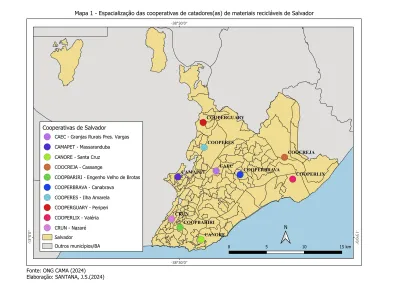
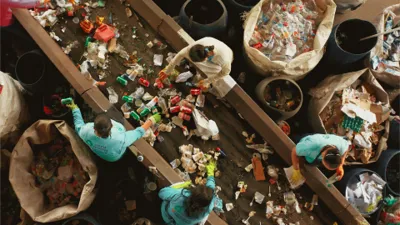
Join Salvador solid waste co-op pickup routes CAMA (Centro de Arte e Meio Ambiente) shows how Salvador neighbours, schools, and workplaces can hand dry waste to worker-owned recycling cooperatives instead of mixing everything in one bin. You keep paper, metal, glass, and plastics in use while income stays with catadoras and catadores who sort the load. What you can do in Salvador - Read how Coleta Seletiva Solidária works and which fractions cooperatives accept (CAMA guide) - Separate clean, dry recyclables at home: paper and cardboard, plastics, metals, glass, used cooking oil, and small electronics as listed on the page - Match your address or organisation to the nearest listed cooperative and ask how they collect in your district - Invite your condo, school, or workplace to register as a partner so pickups become regular rather than one-off How to join The CAMA article is a starting map, not a city contract. Each cooperative sets its own route and capacity. Contact the cooperative that covers your area through the channels on the CAMA page and confirm what they can collect this week. Why it matters in Salvador When recyclables leave the mixed bin, fewer trucks rush to landfill and more families earn from material that still has value. Salvador gains quieter streets and cooperatives gain dignity in formal work. Find more community projects in Salvador. Good to know - Does CAMA collect at my door? CAMA coordinates the network; collection is run by the cooperative you contract with. - Must oil and electronics be separated? The CAMA list treats used frying oil and e-waste as their own streams alongside paper, plastic, metal, and glass. - Can a school join? The page explicitly invites public, private, and religious institutions to partner with a nearby cooperative.

Use Orquídea money at João Pessoa BCD

Circulate Orquídea social money in João Pessoa The Banco Comunitário de Desenvolvimento Jardim Botânico runs solidarity finance for the São Rafael community in João Pessoa. Neighbours use the Orquídea social currency and digital E-Dinheiro tools to keep purchases local. What you can do in João Pessoa - Visit the community bank managed by CPCC and learn how the Orquídea currency circulates (BCD Jardim Botânico) - Ask about consumer loans denominated in social currency and support for local micro-entrepreneurs - Explore how the bank connects to the Paraíba network of community development banks - Join community training sessions that built the management council and credit committee How to join The bank serves residents and entrepreneurs in the Jardim Botânico and São Rafael area. Visit the CPCC-hosted bank page and contact the organisation for account or currency orientation. Why it matters in João Pessoa When money stays in the neighbourhood, grocers and craftspeople see steady demand even when national credit tightens. The model follows Banco Palmas in Fortaleza while rooting governance in local assemblies. Find more community projects in João Pessoa. Good to know - When did the bank open? CPCC records public inauguration on 27 April 2013 with community and NGO guests. - Is there a digital wallet? The bank offers E-Dinheiro alongside paper Orquídea notes for digital transfers. - Who owns the bank? Community members govern through a management council and credit evaluation board.

Join community culture classes at LAJG in Goiânia

Join community culture classes at LAJG in Goiânia Families in Goiânia can sign up for low-barrier arts and culture at the Liga dos Amigos do Jardim Guanabara (LAJG), a neighbourhood association running the Casa de Cultura Oficina³ since 1998. What you can do in Goiânia - Browse open classes in dance, music, theatre, crafts, and graffiti listed by LAJG (Liga dos Amigos do Jardim Guanabara) - Register interest through the association cadastro page - Visit the Jardim Guanabara unit on Rua Ubá to ask about schedules for children, older adults, or beginners - Follow LAJG social channels for community events tied to the north side of the city How to join LAJG was founded in 1984 by pioneers of Goiânia's north zone to push for social and cultural improvements. The organiser site invites people to request information by WhatsApp or email. The page does not list separate prices for each class: ask what fits your household before the first lesson. Why it matters in Goiânia Shared studios keep creative skills in the neighbourhood instead of only downtown venues. Parents, teens, and older neighbours meet in the same rooms, building trust that outlasts a single course. Find more community projects in Goiânia. Good to know - Where is the main address? Rua Ubá, 61, Jardim Guanabara, Goiânia, on the Unidades page. - What classes exist? The home page mentions ballet, dance for older adults, street dance, graffiti, guitar, drums, keyboard, piano, theatre, manual arts, and crafts. - How do I start? Use the cadastro form or WhatsApp button on the site to ask for the current timetable.

Join the Jokkmokk Market in Sweden

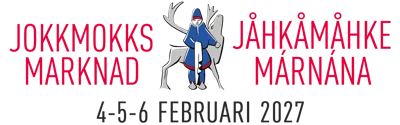
Join the Jokkmokk Market in Sweden Arctic Jokkmokk fills with Sámi crafts when the official market week opens each early February. Neighbour tip Bring a friend who has never visited before; shared first visits help you remember names, routes, and follow-up events you might skip alone. What you can do in Jokkmokk - Read the English programme for 4–6 February 2027 and side events across the week (Jokkmokk Market EN) - Walk vendor rows for duodji, reindeer products, and northern design before the area closes around 18:00 on market days - Join open talks and concerts listed in the mid-November programme drop on the organiser site - Pair your visit with Sámi-language events in town when the schedule publishes workshop times How to join The market is a public town event. You do not need membership. Check lodging and transport early because Jokkmokk fills during market week. The organiser publishes the full programme in 2027 page when details firm up; use that list rather than third-party ticket resellers. When & where Market area hours are typically 10:00–18:00 on core market days; confirm the exact map on the official site before you travel. Side events spread across Jokkmokk venues listed in the programme PDF. Why it matters in Jokkmokk A centuries-old winter market keeps trade and storytelling in Sámi hands instead of only online shops. Neighbours meet face to face in cold air warmed by shared food and music. Find more community projects in Jokkmokk. Bring a notebook; details you capture on site help your block organise a return visit or small solidarity fund drive. Good to know - Do I need tickets for the outdoor market? The organiser describes a town market area; paid events are listed separately in the programme. - When is the 2027 schedule final? The site notes the programme publishes around mid-November 2026; recheck before booking trains. - Is this only for Sámi vendors? The market centres Sámi and northern makers; the programme names many open-to-all activities.

Support ASMARE recyclers in Belo Horizonte

Support ASMARE recyclers in Belo Horizonte Neighbours in Belo Horizonte can learn from ASMARE, a worker-run association of recyclable collectors that turns street collection and sorting into shared income and dignity. What you can do in Belo Horizonte - Read how ASMARE began with street collectors and Pastoral de Rua support in 1990 (ASMARE on Pastoral do Povo da Rua) - Visit or partner with sorting units in Barro Preto and Prado once you confirm hours with the association - Bring clean, separated recyclables or ask how your school, company, or block can schedule a pickup partnership - Donate through the Pastoral network pages if you want to support training and infrastructure How to join ASMARE is managed by the collectors themselves, with equal sharing of earnings. The organiser page lists two operating units but does not publish a public visitor calendar. Contact the association through the Pastoral do Povo da Rua channels before you drop off material or volunteer. Why it matters in Belo Horizonte Sorted paper, cardboard, and metals stay out of landfills while people who know the city by foot earn a fairer share of the value they recover. Shared galpões turn invisible labour into visible community infrastructure. Find more community projects in Belo Horizonte. Good to know - Where are the units? Unit I: Av. do Contorno, 10564, Barro Preto. Unit II: Rua Ituiutaba, 460, Prado, as listed on the organiser page. - What work happens there? Street collection concentrated at Unit I, sorting at both units, and partnerships with public bodies, companies, and schools. - Is there a fee to visit? The page does not list a fee. Confirm any drop-off rules with the association first.

Showing 12 of 248

What's next

Got an idea like this?

Share it with your neighborhood, or explore what's happening nearby.