Sustainability initiatives in Amsterdam
Find community gardens, compost programs, repair cafés, and neighborhood cleanup events in Amsterdam — local environmental initiatives you can join.
Amsterdam communities weave urban rewilding with shared mobility and neighbourhood gardens. Find solarpunk ideas and local initiatives already growing by the canals.
- Ideas
- 11
- Initiatives
- 2
- Participants
- 0
Amsterdam on the map
Top ideas in Amsterdam

Repair Café
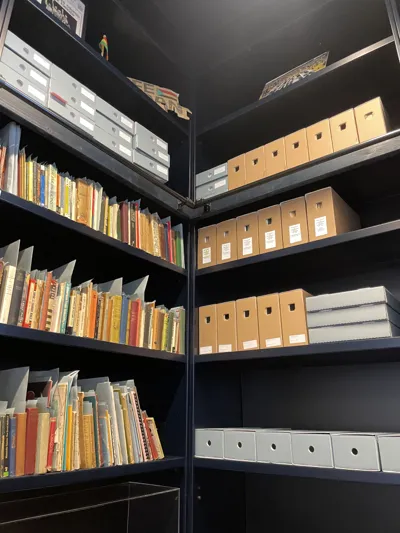
Fix things together instead of throwing them away A free monthly gathering where neighbours repair electronics, clothes, and furniture alongside volunteer coaches. Skills are shared, waste stays out of the bin. What you can do - Bring one broken item and sit with a fixer who talks you through the repair - Offer a skill (soldering, sewing, bike tuning) even for a single afternoon - Partner with a café or library for tables, sockets, and tea Why it matters Repair culture builds confidence, keeps useful objects circulating, and turns consumption into craft.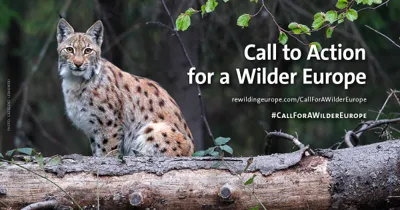
Rewilding principles: let nature lead
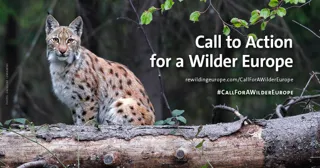
Eleven shared principles for a wilder Europe Practitioners across Europe co-created a set of rewilding principles that guide landscape recovery: letting natural processes shape land and sea, working at nature's scale, and building hope through action today. What you can do - Read the full Rewilding principles and discuss which apply in your watershed or valley - Start a local conversation: grazing, river dynamics, wetland recovery, or wildlife corridors near you - Share the principles with a land manager, park ranger, or councillor who stewards public green space Core ideas (paraphrased) - Letting nature lead: restored processes (flooding, grazing, predation) reshape places without a fixed end state - Working at nature's scale: enough connected space for species and processes to thrive - Building nature-based economies: livelihoods linked to living ecosystems, not extraction alone Why it matters Rewilding is a builder's invitation: less control, more curiosity, and landscapes where people and wild nature share the future.
Join the European Rewilding Network
Connect with 100+ field rewilding initiatives The European Rewilding Network (ERN) links action-focused projects across 30+ countries so members swap know-how on species comebacks, community engagement, and natural grazing. What you can do - Explore members on the ERN map and list - If you run a long-term rewilding initiative, apply via the network application form (contact ern@rewildingeurope.com) - Attend Rewilding Intros webinars and member exchanges listed on Rewilding Europe's channels What members gain - Peer connections across Europe, quarterly ERN Updates, and promotion through Rewilding Europe communications - Access to facilities such as the Natural Grazing Facility and European Wildlife Comeback Fund when criteria are met Why it matters Landscape-scale change spreads faster when practitioners learn from each other's wins and honest failures.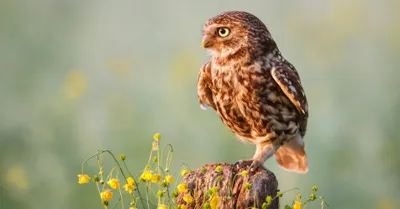
Free Introduction to Rewilding online course
Learn rewilding practice from 20+ countries Rewilding Europe and the Open University host Introduction to Rewilding, a free online course with eight modules, badges, and a completion certificate, no prior training required. What you can do - Enrol via the online rewilding course page - Work through modules on land, river, and sea rewilding with real European case studies - Draft your own personal rewilding action plan as the final module suggests How it works - Flexible self-paced study with interactive content and practitioner interviews - Designed for curious residents, students, land stewards, and early-career conservationists Why it matters Skills spread faster than slogans, a free course lowers the barrier for anyone ready to help nature lead locally.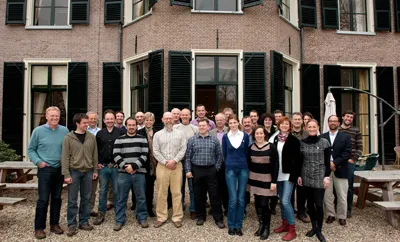
Natural grazing and the Wildlife Comeback Fund
Restore herbivore-led landscapes and fund translocations Natural grazing by wild or semi-wild herbivores rebuilds mosaic habitats. The European Wildlife Comeback Fund helps ERN members fund ready-to-go species translocations when permits and feasibility work are complete. What you can do - Learn how grazing shapes grasslands and forests on the natural grazing programme page - If you manage land, explore the Natural Grazing Facility to match herbivore supply and demand across network members - Support or follow comeback projects via the wildlife comeback programme and ERN updates Why it matters Hoofprints and horns are engineers, when grazing returns, flowers, birds, and predators often follow.
Rewild abandoned farmland
Let retired fields become self-willed nature again Across Europe, marginal farmland is being abandoned. WILDCARD measures how natural vegetation recovery on those lands affects soil carbon, biodiversity, and community preferences. What you can do - Explore the abandoned agricultural land research stream - Map retired parcels near your town and ask who owns them, many regions lack a public conversation about wilding vs. development - Join local stakeholder forums where WILDCARD pilots dialogue with residents and decision-makers Why it matters When people leave the plough, wildflowers, scrub, and eventually forest can return, if communities choose patience over sprawl.
Restore coastal dunes through native plant communities
Rebuild dunes with marram grass and neighbours Dutch and Belgian coasts rely on living dunes as storm buffers. Natura 2000 Award heroes show how residents transplant marram grass, close illegal paths, and keep dunes breathing. What you can do - Browse Meet the Natura 2000 heroes for coastal dune projects near you - Join municipal dune planting days along the Hollandse Duinen and Zuid-Kennemerland coast - Follow marked boardwalks and help redirect walkers away from fragile slopes How it works Rangers mark zones where foot traffic compacted sand. Volunteers plant plugs, install rope fences, and monitor sand buildup after winter storms. Why it matters Thick dunes shelter villages, recharge groundwater, and host orchids and rabbits that make beach walks feel wild again.Initiatives in Amsterdam
See Echoes of Independence in Oost
See Echoes of Independence in Oost The Black Archives shows Echoes of Independence at Zeeburgerdijk 21 in Amsterdam-Oost through spring 2027. What you can do in Oost - Visit the gallery Wednesday–Saturday, 10:00–17:00 (Echoes exhibition) - Browse the reading room before or after the exhibition rooms - Note community talk dates when the archive adds them to its calendar How to join Pay €17.50 admission on the organiser page unless a posted event states otherwise. No timed ticket was required for standard gallery entry on the source page. When & where The Black Archives, Zeeburgerdijk 21, Amsterdam-Oost (52.3668, 4.9370 approximate). Recurring: open through 31 March 2027 on Wed–Sat days listed above. Why it matters in Oost Showing up in person keeps Black Dutch archives funded and visible beyond social media clips. On the day Arrive ten minutes early to read house rules at the door and greet a volunteer before seats fill. Good to know - Is the building accessible? Check theblackarchives.nl accessibility notes before you go. - Can I donate at the desk? Follow staff guidance for donations and memberships. Source & repost Shared here so you can get inspired or find action already happening near you. Solarpunker does not own or organise it. Source: Echoes of Independence Details checked: 2026-10-31.Pijp Repair Café
Fix-it morning with volunteer coaches Bring one broken item; leave with skills as well as a working object. When & where - First Sunday of each month, 11:00–14:00 (recurring pattern) - Community centre, De Pijp, map pin approximateNearby cities
Active categories

Nearby in the Amsterdam region
Ideas and initiatives from neighbouring cities in the wider Amsterdam area.