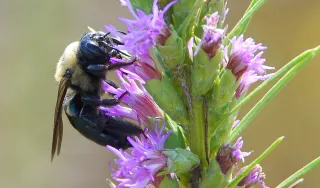
Programme nearbyRewildingFrankfurtPhotograph insects for Frankfurt biodiversity researchPhotograph insects for Frankfurt biodiversity research Frankfurt's Umweltamt supports SLInBio (Städtische Lebensstile und die Inwertsetzung von Biodiversität): researchers from Senckenberg, Goethe University, and neighbourhood partners study how everyday city life connects to insect diversity. Residents can join by uploading insect photos to the Insekten Hessen reporting portal. What you can do - Photograph bees, butterflies, or beetles in your garden, balcony, or park (no faces needed) - Upload sightings through the Insekten Hessen meldeportal - Follow project updates on insektenvielfalt-frankfurt.org and join open events when listed - Visit the Insect Embassy art installation by ISOE and HfG Offenbach to learn why urban insects matter How it works Scientists use crowd-sourced images to map distribution and population trends across Hesse. SLInBio links the data to questions about urban lifestyles, green yards, and shared stewardship with NABU Frankfurt, BioFrankfurt, and the Palmengarten. Why it matters Insects pollinate food, recycle nutrients, and signal healthy neighbourhoods. A few phone photos from many streets beat a lone expert survey.insectscitizen-sciencebiodiversity +2
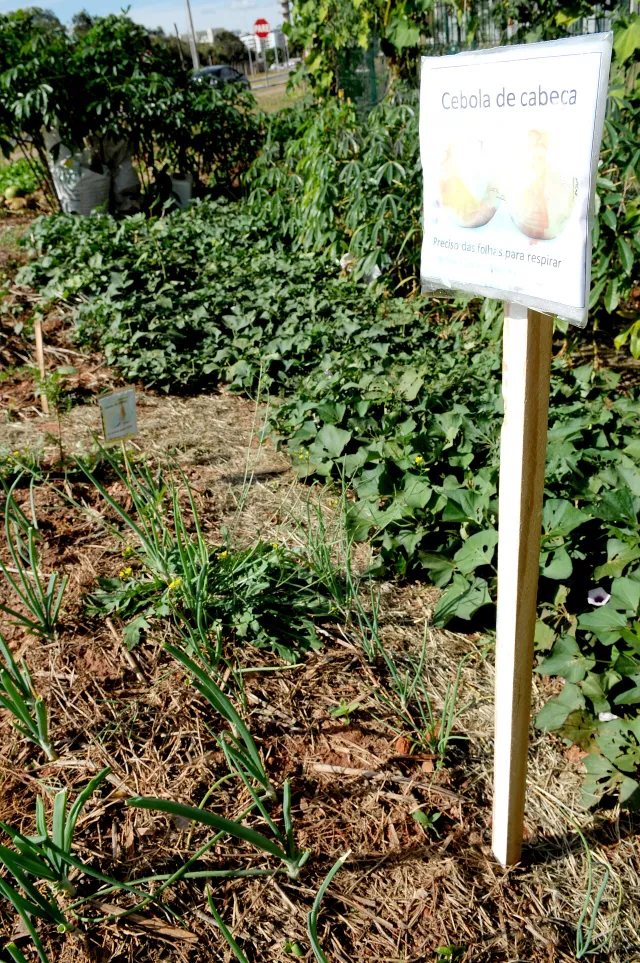
Programme nearbyFood & GardenBrasiliaWalk Brasília's living agroforest galleryWalk Brasília's living agroforest gallery Cultiva Lab turns about 6,200 m² between SESI Lab and the Biblioteca Nacional into an open-air agroecology laboratory. Roughly 90 species from four Brazilian biomes (Cerrado, Amazônia, Mata Atlântica, Caatinga) grow together to answer one question in public: can you restore an ecosystem and produce food on the same piece of ground? What you can do - Walk the Cultiva Lab gallery and read its four growth phases as they unfold: pioneer species and first harvests, then ecological succession, vegetation layering, and a mature canopy - Look for the short-cycle food crops planted between the large trees (corn, squash, cassava, vegetables, medicinal herbs) and for the sensors that track soil and climate - Follow the pedagogical trails and mediated activities on soil regeneration, biodiversity, food security, and the relationship between city and nature - Trace circular economy in practice on site: water, nutrient, and material flows are routed back through the system to cut waste How it works The technical design came from IPOEMA (Instituto de Permacultura), structured by forest engineer Cláudio Jacintho, and was approved by IPHAN and the urban-planning bodies. The plot sits inside the GDF Adote uma Praça programme and feeds SESI Lab STEAM and CTSA education. Entry follows museum ticketing, including free first-Sunday admission (Visite). Over five years the project plans residencies for 50 artists and 50 researchers working on soil regeneration, carbon capture, and agroforestry systems. Why it matters The numbers are stated honestly. About 3 to 5 tonnes of food in the first two years go to ten social institutions in the Distrito Federal, and the system is expected to capture roughly 10 tonnes of CO2e a year against the some 700 tonnes the museum's own activity generates. Cultiva Lab is not sold as an offset: it is a measured public experiment showing that food, forest, and culture can share the same ground in the middle of a capital.agroecologyagroforestrybiodiversity +2
Programme nearbyRewildingRigaCare for Sporta Pils wild meadows, RigaCare for Sporta Pils wild meadows, Riga Sporta Pils Gardens keep biodiversity meadows on a central brownfield. Ask how to help meadow care beyond allotment plots. What you can do - Browse sportapilsdarzi.lv - Ask about meadow or biodiversity workdays - Visit the gardens and offer habitat help How it works Meadow care sits beside allotments. Confirm volunteer slots with the organiser. Why it matters Riga grows wild flowers where concrete once waited.rigameadowbiodiversity +1
Programme nearbyRewildingSkopjeSteward Novo Lisice biodiversity, SkopjeSteward Novo Lisice biodiversity, Skopje Bostanie in Novo Lisice Park teaches compost and habitat learning beside food plots. Steward biodiversity with the cooperative. What you can do - Read the Meta.mk feature - Ask about compost or habitat workshops - Volunteer in Novo Lisice Park when slots open How it works Compost and habitat learning share the park garden. Confirm with Zelena Arka. Why it matters Skopje grows habitat skills in the same park that grows vegetables.skopjebiodiversitycompost +1
Programme nearbyRewildingBonnEmployee-led biodiversity teams at GIZ sitesVoluntary green initiatives on company properties GIZ supports voluntary employee-led initiatives for biodiversity at offices worldwide. By 2025, biodiversity strategies with action plans will cover owned properties in Germany; rented premises are reviewed next. Combined with paper reduction (65% in Germany, 40% abroad) and longer IT device lifecycles with repair and recycling. What you can do - Start a green team at your workplace: bird boxes, native planting, or a compost corner in the staff garden - Facilities staff: audit one outdoor area for pollinator-friendly planting this season - Neighbours of large campuses: propose a joint biodiversity walk with employee volunteers How it works Awareness campaigns and knowledge-sharing connect staff across country offices; local initiatives feed into corporate biodiversity action plans. Why it matters Corporate campuses can be micro-reserves when staff, not only consultants, own the planting plan.biodiversitygreen-teamworkplace +2
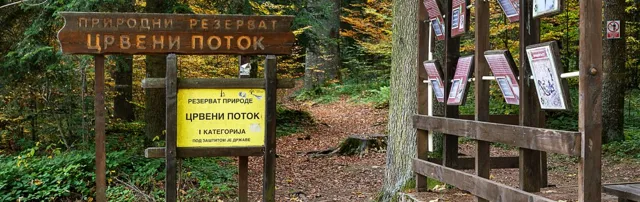
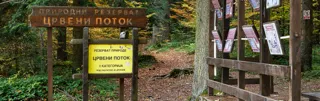
Programme nearbyRewildingBelgradeTara National Park: fog catchers for Pančić's spruceProtecting a living fossil on Europe's last wild mountain Tara National Park won the Green Innovation Leaders 2026 award for conserving the unique Crveni potok peat bog, the only place on Earth where Pančić's spruce (Picea omorika) grows on sphagnum moss rather than rock. Rangers and biologists installed fog catchers to stabilise moisture as drought and heat threaten this relict Balkan forest. What you can do - Visitors: walk marked trails around Mitrovac and Zaovine; follow park guidance and stay on paths in protected reserves - Volunteers and students: contact Nacionalni park Tara about guided visits and conservation programmes - Neighbourhood groups: learn from Tara's fog-catcher pilot as a replicable tool for drought-stressed wetlands How it works Fine mesh nets condense atmospheric moisture into storage basins, supplementing the bog's water budget through dry seasons. The project partners with the University of Belgrade Faculty of Biology under the EU Green Agenda for Serbia initiative. Why it matters Pančić's spruce survived ice ages; climate change is its next test. Tara shows that local stewardship and appropriate technology can buy time for irreplaceable biodiversity.national-parkbiodiversityspruce +2
Programme nearbyRewildingStuttgartPark a Klimakiste for bees and neighboursRoll native planters onto a paved square The Helix Klimakiste is a pre-grown wooden box (about 120 × 100 × 80 cm) with a solitary shrub and flowering underplanting. Citizen initiatives, schools, and cities can move boxes in for events or trials, then move them again. Plant for wild bees from day one. What you can do - Propose Klimakisten for a schoolyard, market, or temporary greening ask via Helix Klimakiste - Help water and tend boxes when your group hosts them - Choose native perennials so insects find food on sealed ground How it works Boxes arrive cultivated and move with a pallet jack. They buy time: prove that plants change how a place feels before you unseal asphalt for good. Why it matters Paved plazas can still feed bees and invite conversation. Temporary green is a rehearsal for lasting canopy.planterbiodiversitybees +2
Programme nearbyRewildingTallinnSteward biodiverse urban natureConnected green for people and pollinators Tallinn aims for biodiverse, blossoming urban nature: linked green networks, lifecycle-smart landscaping, and guidelines that keep species thriving alongside daily life. A connected green network lets people choose sustainable ways of living and getting around. What you can do - Plant native species in community plots; join district clean-ups that protect habitats. - Report invasive or damaged green space through city channels; volunteer with local nature groups. Why it matters Connected urban green supports pollinators, cooling, and daily wellbeing alongside concrete streets.biodiversitynatureurban