Sustainability initiatives in Yaxunah

Find community gardens, compost programs, repair cafés, and neighborhood cleanup events in Yaxunah — local environmental initiatives you can join.

In Yaxunah, neighbours are already working on Food & Garden, including «Loan heirloom seeds like a neighbourhood library». Start something similar this week, or join an initiative already planned.

Ideas
1
Initiatives
1
Participants
0

Yaxunah on the map

Top ideas in Yaxunah
Programme nearbyFood & GardenYaxunah

Loan heirloom seeds like a neighbourhood library

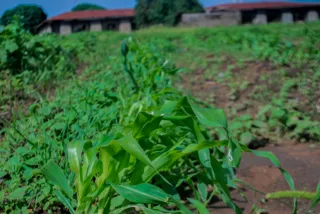
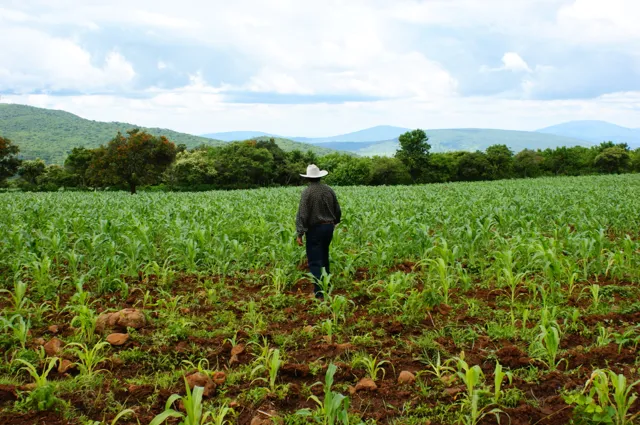
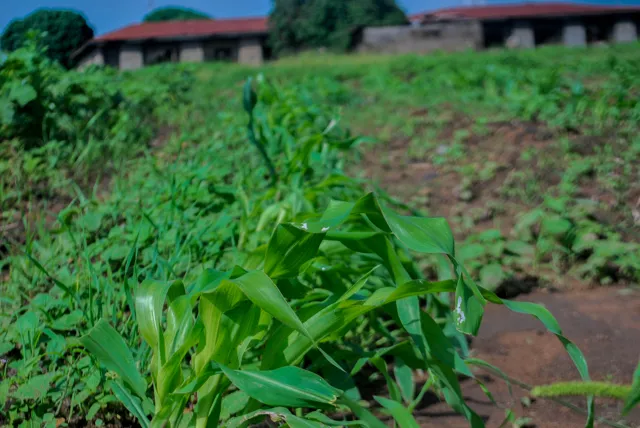
Loan heirloom seeds like a neighbourhood library In Yaxunah, Yucatán, nine women run K'an-Lol ("the flower of good corn" in Yucatec Maya): a community seed bank that loans traditional maize, beans, chilies, and other crops at no cost. Borrowers plant their milpa, harvest, and return fresh seed so the stock stays alive for the next season. Most users are subsistence farmers feeding their families, with small surpluses sometimes reaching local markets. The bank is a library, not a shop: seeds move in circulation instead of sitting in a vault. Fundación Haciendas del Mundo Maya supports the project alongside local volunteers. Surplus garden produce can reach buyers through Traspatio Maya (Instagram). What you can do - Visit Yaxunah when community programmes are open and ask how the seed bank lends and receives maize (see Yucatán Magazine coverage) - Message Traspatio Maya to order a guacal of fresh produce from Yaxunah growers when you are in the region - Replicate the pattern at home: labelled jars, a simple loan ledger, and a rule to return double the borrowed grain if you cannot swap seed immediately (as Yaxcabá neighbours describe for their bank) - Pair seed saving with nixtamalization skills so heirloom maize becomes tortillas and staples again, not just decoration How it works Farmers borrow seed, grow in milpa plots, and return after harvest. Varieties such as nuuk nal (reddish maize) stay in use even though they need more care than industrial hybrids. Coordinators track loans; partners like FHMM help with training and fair-trade outlets. There is no fixed online booking: contact organisers through community channels or partner foundations before you travel. Why it matters Imported kernels can cross-pollinate native fields. A seed library keeps criollo genetics in farmers' hands, not only in policy speeches. It is low-tech mutual aid that scales one neighbourhood at a time.

Initiatives in Yaxunah

YaxunahDate TBD

K'an-Lol community seed bank

K'an-Lol community seed bank Women volunteers in Yaxunah run K'an-Lol, a seed library for maize, beans, squash, chilies, and garden crops. Subsistence farmers borrow seed at no cost and return fresh seed after harvest so varieties stay in circulation. What you can do - Plan a visit to Yaxunah in the municipality of Yaxcabá (about 25 minutes from Chichén Itzá) and ask how to participate in the loan-and-return system (Yucatán Magazine) - Contact Fundación Haciendas del Mundo Maya for current community programme openings in the Yucatán Peninsula - Order surplus produce through Traspatio Maya on Instagram when growers list a guacal When & where - Recurring community facility in Yaxunah, Yaxcabá municipality, Yucatán, Mexico - No fixed public hours sources: coordinate with local organisers or FHMM before you travel - Approximate pin: 20.5416, -88.6758 (Yaxunah village centre) How it works Borrowers receive seed for the season, grow in milpa plots, and return grain after harvest. The bank treats seed like a library catalogue in motion, not a static collection. FHMM and local leaders coordinate training and fair-trade outlets such as Traspatio Maya. Why it matters A map pin makes it easier to find living seed sovereignty in a village of under 800 people. Visitors who respect loan rules help keep criollo genetics on farms instead of only in headlines. Source & repost Shared here so you can get inspired or find action already happening near you. Solarpunker does not own or organise it. Source: Yucatán Magazine: Yaxunah women bank on the future · Fundación Haciendas del Mundo Maya.

Nearby in the Mexico City region

Ideas and initiatives from neighbouring cities in the wider Mexico City area.

Ideas across the region

Programme nearbyCommunityMexico City

Keep native maize as living national heritage

Keep native maize as living national heritage Mexicans say Sin maíz, no hay país: without maize, there is no country. In March 2025 Congress ratified a constitutional amendment that names native corn as part of national identity and bans planting genetically modified maize in Mexico. The reform builds on decades of farmer and Indigenous defence of criollo varieties that breeders and communities still rely on for tortillas, tamales, and milpa fields. Trade panels under the USMCA still allow most imported yellow corn for livestock feed. The amendment focuses on cultivation and biocultural protection at home, not a sudden end to cross-border grain. A 2021 executive goal to replace roughly 16 million tonnes of imports with homegrown maize was an ambition, not a finished programme: Mexico still imports on the order of 17 to 18 million tonnes a year. What you can do - Support a community seed bank or start a neighbourhood seed library that loans heirlooms and asks growers to return seed after harvest - Buy criollo produce and garden surplus from fair-trade channels such as Traspatio Maya when you are in Yucatán - Learn how constitutional reform frames maize as heritage (Business Standard summary, Paradigm Futures trade context) - Document and share seeds from varieties that grow well in your climate, as small farmers in Mexico have done for millennia How it works National law now elevates native maize in Articles 4 and 27 while GM planting stays prohibited. Community action sits beside policy: seed libraries keep varieties circulating, milpa plots maintain diversity, and buyers who choose criollo maize help farmers keep landraces on the field instead of only in memory. Why it matters Mexico is a centre of origin for maize. Losing a local variety weakens the global food toolbox for drought, pests, and a changing climate. Protecting living seed is builder work: culture on the plate and biodiversity in the soil at the same time.
Programme nearbyFood & GardenMexico City

Grow milpa: maize, beans, and squash together

Grow milpa: maize, beans, and squash together The milpa is Mexico's three-sister plot: maize, beans, and squash (and often chilies) grown together so each plant supports the others. Indigenous farmers bred thousands of maize landraces adapted to altitude, rainfall, and soil. Those criollo lines are a genetic reservoir for drought, poor ground, and mountain slopes that industrial monocultures struggle with. Mexico domesticated maize from teosinte nearly 9,000 years ago. Today milpa still feeds families while keeping diversity on the field. Cross-pollination from imported grain is a practical reason communities defend native seed: once a landrace blends with engineered traits, farmers lose the right to save seed freely. What you can do - Plant a small milpa or three-sisters bed in a garden, school plot, or community field, even outside Mexico - Save seed from your strongest ears and beans each season; trade surplus with neighbours - Join or start a seed library (see the K'an-Lol pattern in Yaxunah) - Read how milpa and native maize connect culture and trade (Non-GMO Project, Chicago Council on Global Affairs) How it works Maize provides a stalk for beans to climb; squash shades the soil; beans fix nitrogen. Farmers rotate and interplant instead of betting on one patented variety. In Yucatán, nixtamalization (soaking maize in alkaline lime water) turns harvest into tortillas and daily staples. You need only a few square metres to practise the pattern and learn which varieties suit your microclimate. Why it matters Diverse milpa plots buffer harvests when weather shifts. They keep joy on the table: flavour, colour, and recipes tied to place. Builder farmers protect the world's maize heritage by growing it, not only by debating it.

Initiatives across the region

What's next

Got an idea like this?

Share it with your neighborhood, or explore what's happening nearby.