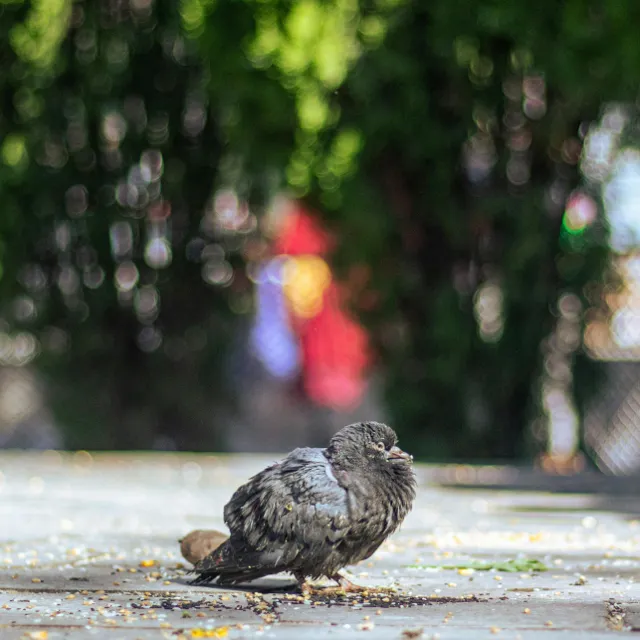
From a builderRewildingFrankfurt#RespektTaubeSiehst Du mich? Dein Blick verändert ihr Leben. Tauben sind sehr standort gebunden. Sie kehren immer wieder an ihren Wohnort zurück. Was ist die Lösung? Tauben brauchen ein zu Hause! Und die einzig effektive Möglichkeit die Tauben Population zu regulieren, ist der Eiertausch! Das gelingt nur, mit festen, überwachten Brutplätzen. Daher brauchen wir dringen Taubenhäuser in Frankfurt. Denn nur so kriegen wir es hin das Menschen und Tiere gut miteinander leben können.pigeonsanimal rightsdiy
Programme nearbyRewildingFrankfurtPhotograph insects for Frankfurt biodiversity researchPhotograph insects for Frankfurt biodiversity research Frankfurt's Umweltamt supports SLInBio (Städtische Lebensstile und die Inwertsetzung von Biodiversität): researchers from Senckenberg, Goethe University, and neighbourhood partners study how everyday city life connects to insect diversity. Residents can join by uploading insect photos to the Insekten Hessen reporting portal. What you can do - Photograph bees, butterflies, or beetles in your garden, balcony, or park (no faces needed) - Upload sightings through the Insekten Hessen meldeportal - Follow project updates on insektenvielfalt-frankfurt.org and join open events when listed - Visit the Insect Embassy art installation by ISOE and HfG Offenbach to learn why urban insects matter How it works Scientists use crowd-sourced images to map distribution and population trends across Hesse. SLInBio links the data to questions about urban lifestyles, green yards, and shared stewardship with NABU Frankfurt, BioFrankfurt, and the Palmengarten. Why it matters Insects pollinate food, recycle nutrients, and signal healthy neighbourhoods. A few phone photos from many streets beat a lone expert survey.insectscitizen-sciencebiodiversity +2
Programme nearbyRewildingDarmstadtWalk the Lincoln sponge quarterVisit a climate-adapted neighbourhood The Lincoln-Siedlung in Darmstadt is a lived example of sponge-city thinking. Built on a former US Army base in 2016, the quarter mixes modernist apartments, decentralized rainwater storage, and planted open spaces. The centrepiece is the Quartierspark, which will soon add 19 native trees and unsealed pathways to cool the microclimate by up to 5 °C on hot days. What you can do - Walk through the neighbourhood and rest in the Quartierspark shade and seating - See how unsealed surfaces and clustering trees beat the heat without gentrification - Talk to residents about what it means to live in a quarter that listens to its people How it works Darmstadt's planning started with a neighbour survey in 2025. Residents asked for more green, shade, and gathering space. The city acted on those wishes directly in the rebuild plan. Participation was design input, not decoration. Why it matters This is how equitable cooling works: hear people, plan together, build for health and joy. The Lincoln quarter shows climate adaptation can mean shared outdoor life and neighbourhood identity, not just infrastructure.sponge cityplazashade +2
Programme nearbyRewildingSingaporeWalk Singapore's Supertree Grove at duskSee living towers that harvest light and shade a city park Gardens by the Bay's Supertree Grove is the built image many people mean by Solarpunk architecture: vertical gardens, rainwater and solar systems, and a free outdoor grove open to walkers. Architizer's Solarpunk architecture essay notes icons like these inspire — and that green policy does the heavier lifting. What you can do - Walk the outdoor Supertree Grove for free (MRT Bayfront) - Stay for the free Garden Rhapsody light shows in the evening when listed on the Gardens site - Optional: book OCBC Skyway or conservatories if you want elevated or indoor biomes How it works Supertrees are engineered arbors that host plants, collect rain, and support park ventilation — symbols of Singapore's Garden City / City in Nature push, not a substitute for street trees and zoning. Why it matters Joyful biophilic places show the future already underfoot — then send you home hungry for canopy on your own block.singaporesupertreebiophilic +2
Programme nearbyRewildingSingaporeGrow neighbourhood canopy with City in NaturePlant and tend trees — the quiet half of Solarpunk Architizer's Solarpunk architecture essay warns that green towers without green policy become greenwash. Singapore's Green Plan 2030 — City in Nature and NParks' OneMillionTrees movement put residents in the soil: community plantings, facilitators, and park connectors that cool streets day after day. What you can do - Join NParks volunteering for OneMillionTrees facilitator training via Volunteer with us - Check Nature Kakis tree-planting sessions in your district - Read City in Nature strategies and lobby your own city for canopy targets, not only icon buildings How it works Residents plant and steward street and park trees under a national canopy goal. The spectacle of Supertrees is the postcard; the million trees are the climate work. Why it matters Solarpunk stays honest when neighbours dig holes — not when developers paste vines on glass.singaporetreescanopy +2
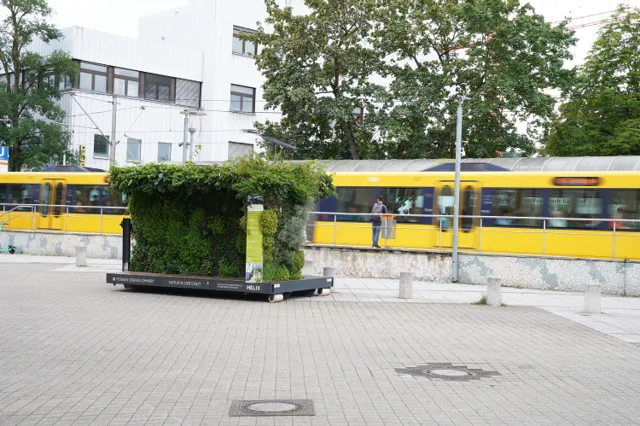
Programme nearbyRewildingStuttgartSit in a Mobiles Grünes ZimmerRest in a rolling green room on the plaza Helix's Mobiles Grünes Zimmer is a freestanding green wall and kiwi trellis on a roll-off container: shade, edible herbs, seating, and a climate-adaptation demo that cities, schools, and citizen groups can host. Since 2016 the rooms tour public squares, stations, and events across Germany. What you can do - Sit and cool off when a room is deployed near you (Stuttgart-Feuerbach station plaza has hosted one) - Ask your school, Ortsbeirat, or Bürgerinitiative to host a room for a festival, heat day, or neighbourhood pop-up - Use the side panels as a meeting point for climate and greening talks How it works A truck drops the pre-grown room; Helix handles most care. Local organisers top up the water tank. Residents get an instant cool oasis without digging the square. Why it matters Heat islands become places to linger. Neighbours feel what green infrastructure can do before permanent plantings arrive.mobile greenshadeplaza +2
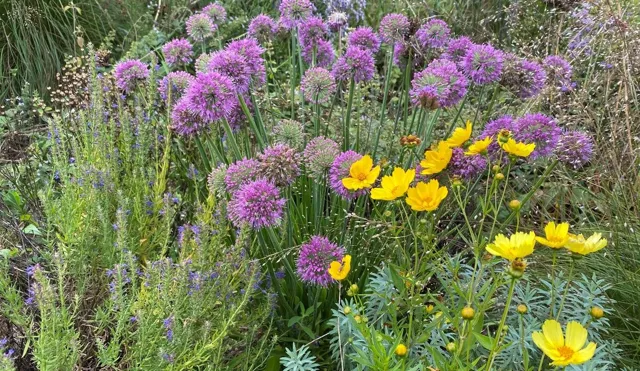
Programme nearbyRewildingStuttgartPark a Klimakiste for bees and neighboursRoll native planters onto a paved square The Helix Klimakiste is a pre-grown wooden box (about 120 × 100 × 80 cm) with a solitary shrub and flowering underplanting. Citizen initiatives, schools, and cities can move boxes in for events or trials, then move them again. Plant for wild bees from day one. What you can do - Propose Klimakisten for a schoolyard, market, or temporary greening ask via Helix Klimakiste - Help water and tend boxes when your group hosts them - Choose native perennials so insects find food on sealed ground How it works Boxes arrive cultivated and move with a pallet jack. They buy time: prove that plants change how a place feels before you unseal asphalt for good. Why it matters Paved plazas can still feed bees and invite conversation. Temporary green is a rehearsal for lasting canopy.planterbiodiversitybees +2
Programme nearbyRewildingDarmstadtExplore Ludwigshöhviertel as sponge districtWalk through another climate-smart quarter The Ludwigshöhviertel, like Lincoln, was redesigned as a sponge district: rainwater versickert into sand beds, big trees are placed to lower surface temps, roofs are green where possible. Residents can see native plants and birds return to what was sealed ground. The city's freiraumplanung (public space strategy) treats both quarters as replicable patterns, not one-off projects. What you can do - Visit the neighbourhood and notice where water is held, where shade grows, where kids can play - Compare sealed vs unsealed streets and feel the temperature difference - Ask your neighbourhood Ortsbeirat if similar patterns could apply locally How it works Both quarters use the same toolkit: entsiegelung (unsealing), water-optimized tree spacing, green roofs, and stormwater that feeds the soil rather than the sewer. The city tests ideas at scale before rolling out guidance to private owners. Why it matters Once you see and feel the difference between a sponge plaza and a heat-island car park, you can't unsee it. These neighbourhoods show the shift is possible within a single city.sponge citygreen roofsneighbour +2
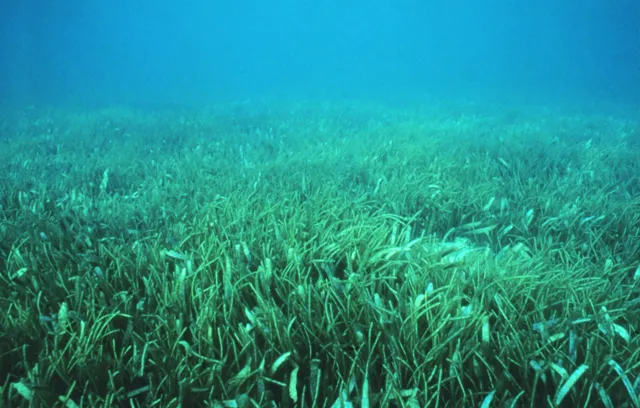
Programme nearbyRewildingBarcelonaPlant seagrass meadows with Posidonia volunteersHelp Mediterranean seagrass meadows recover Posidonia oceanica meadows shelter fish nurseries, calm waves, and store carbon along Spanish and Italian coasts. Volunteer planting and monitoring programmes invite residents to restore underwater meadows bay by bay. What you can do - Join GreenLife4Seas citizen science and restoration calls along the Catalan and Apulian coasts - Learn safe planting techniques with local diving clubs and marine biologists - Map meadow edges and report anchor damage to harbour managers How it works Teams coordinate seasonal planting windows when water is clear. Volunteers with snorkel or dive certification plant shoots in marked plots and return to photograph recovery. Why it matters Seagrass meadows are living breakwaters: they protect beaches, feed fisheries, and keep water clear for everyone who swims nearby.seagrassrestorationmediterranean +1
Programme nearbyRewildingLondonRestore river banks through riparian rewildingLet native plants heal your river corridor Riparian buffers slow floods, filter runoff, and give kingfishers and otters room to return. Catchment trusts across Britain pair landowners with volunteers to fence off banks and plant willow, alder, and wildflowers. What you can do - Find your local Rivers Trust project and sign up for planting days - Adopt a short stretch: remove invasive species, stake saplings, and photograph wildlife returning - Invite neighbours to a walk-and-talk along a restored reach How it works Trust officers match volunteers with farmers and councils. Teams work in wellies for a morning: mulch, plant, and label plots so future stewards know what to protect. Why it matters Healthy river edges cool cities downstream, reduce erosion, and turn muddy banks into corridors children can explore safely.riverriparianrestoration +1
Programme nearbyRewildingLondonVolunteer marine conservation dives with Ocean Conservation TrustDive for seagrass recovery in UK waters The Ocean Conservation Trust runs volunteer snorkel and dive days to restore seagrass beds in Plymouth Sound and beyond. You can survey meadows, collect seeds, and learn how underwater gardens protect coastlines. What you can do - Book a volunteer day through the Trust's volunteer hub - Train as a seagrass spotter: identify species, measure cover, and log data for scientists - Bring friends who snorkel: many tasks need eyes in the shallows, not deep certification How it works Sessions start with a shore briefing on handling plants and respecting wildlife. Teams split between seed collection, planting, and photo monitoring. Why it matters UK seagrass beds are among the fastest ways to lock carbon in coastal mud while bringing fish back to harbours people love.marineconservationvolunteer +1
Programme nearbyRewildingAmsterdamRestore coastal dunes through native plant communitiesRebuild dunes with marram grass and neighbours Dutch and Belgian coasts rely on living dunes as storm buffers. Natura 2000 Award heroes show how residents transplant marram grass, close illegal paths, and keep dunes breathing. What you can do - Browse Meet the Natura 2000 heroes for coastal dune projects near you - Join municipal dune planting days along the Hollandse Duinen and Zuid-Kennemerland coast - Follow marked boardwalks and help redirect walkers away from fragile slopes How it works Rangers mark zones where foot traffic compacted sand. Volunteers plant plugs, install rope fences, and monitor sand buildup after winter storms. Why it matters Thick dunes shelter villages, recharge groundwater, and host orchids and rabbits that make beach walks feel wild again.dunescoastalnative +1
Programme nearbyRewildingAmsterdamJoin a wetland restoration brigade in your river deltaRewild peat and reedbeds in the delta ARK Rewilding Netherlands works with farmers and volunteers to reopen river channels, graze wetlands lightly, and bring bitterns and spoonbills back to the Rhine–Meuse delta. What you can do - Sign up for ARK volunteer days: removing drains, planting reeds, or building bird hides - Visit rewilding demonstration farms and ask how grazing herds shape wet meadows - Map ditches on your polder walk and share photos with local water boards How it works Brigades work in waders on weekends. Ecologists show which sections can flood safely and which paths stay open for cyclists. Why it matters Wet deltas store floodwater, filter farm runoff, and give city dwellers a weekend marsh full of sound and colour.wetlanddeltabirds +1
Programme nearbyRewildingRomeMonitor seagrass health as a citizen scientistSnorkel for science along Italian coasts GreenLife4Seas trains residents to photograph seagrass cover, note anchor scars, and upload observations from coves near Rome and Naples. What you can do - Register for citizen science modules on the GreenLife4Seas portal - Adopt a cove: monthly photos from the same GPS point build a public meadow timeline - Host a shoreline talk so fishers and swimmers learn why mooring buoys matter How it works You receive a simple field card: depth, clarity, meadow edge, and boat traffic. Uploads feed maps that harbour masters use to move anchoring zones. Why it matters When residents measure meadows, protection stops being abstract: everyone sees regrowth after a single summer of care.citizen scienceseagrassmonitoring +1
Programme nearbyRewildingRomeMap and protect Posidonia meadows in Italian coastal watersChart underwater meadows before anchors erase them Italian harbour councils and diving clubs map Posidonia oceanica beds so mooring zones move away from living meadows. Volunteers with masks and GPS buoys make the invisible visible for planners. What you can do - Join mapping weekends promoted via GreenLife4Seas partner harbours - Ask your marina to install eco-moorings and share meadow maps with visiting sailors - Label swimming zones so summer crowds avoid shallow shoots How it works Teams swim transects with floats and underwater cameras. Data layers land on open maps that yacht clubs and councils negotiate each season. Why it matters One mapped meadow can redirect hundreds of anchors: a small volunteer effort saves decades of slow plant growth.posidoniameadowmarine +1
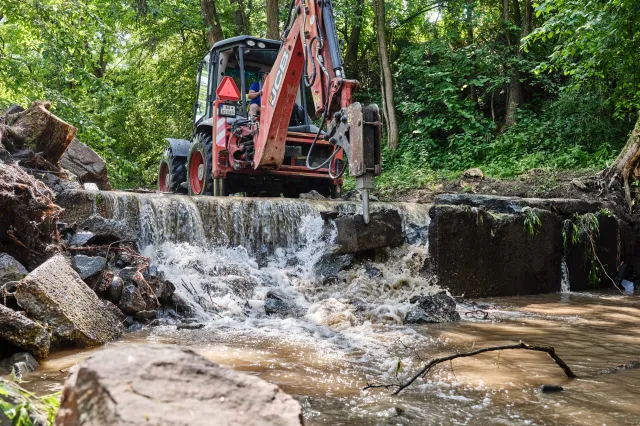
Programme nearbyRewildingBrusselsRewild river corridors by removing fish passage barriersFree rivers so fish can roam again Dam Removal Europe connects communities tearing down obsolete weirs and culverts so eels, trout, and lamprey reach headwaters across the continent. What you can do - Explore the Dam Removal Europe map and advocate for a barrier near you - Read the Slovakia barrier removal guide for a step-by-step community playbook - Join local river trusts on barrier surveys: photograph choke points and share them with councils How it works Engineers and ecologists score barriers by impact and cost. Volunteer testimony about lost fishing and flooding speeds permits and funding. Why it matters Open rivers knit landscapes together: fish return, sediment moves naturally, and kids discover pools that were blocked for generations.dam removalriverfish +1
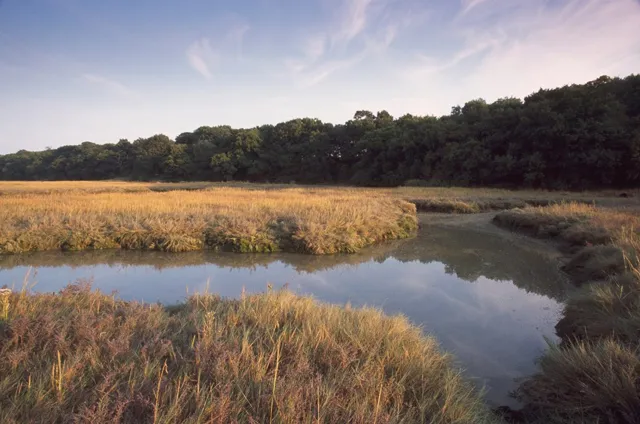
Programme nearbyRewildingLondonRestore saltmarsh and estuary habitat for carbon and birdsLet dredged sediment rebuild Stour Estuary saltmarsh A new partnership at RSPB Stour Estuary repurposes harbour dredging to restore 76 hectares of eroded saltmarsh, sheltering waders and locking carbon in muddy fringes. What you can do - Follow the Stour Estuary saltmarsh project and join guided walks when volunteer days open - Photograph high-tide lines and share them with local flood forums - Ask your harbour authority whether dredged sediment could rebuild marsh near you How it works Harwich Haven Authority deposits maintenance sediment on eroded marsh. Cordgrass returns, creeks refill, and bird counts track recovery each season. Why it matters Saltmarshes are soft defences: they absorb storm energy while feeding migratory flocks people travel to see.saltmarshestuarybirds +1
Programme nearbyRewildingBarcelonaVolunteer for Mediterranean marine reserve managementSteward MPAs from Barcelona to Sicily MedPAN links volunteers with Mediterranean protected areas: patrol support, visitor education, and habitat monitoring on islands like Ustica and in Catalan coves. What you can do - Browse MedPAN member reserves near you and ask about volunteer roles - Lead snorkel briefings that teach respectful wildlife watching - Help translate visitor guides so local fishers and tourists share the same rules How it works Reserves train stewards on seasonal tasks: nesting season rope lines, invasive species pulls, and underwater photo transects. Why it matters Protected coves recover fast when residents feel ownership: compliance rises and fish spill over into neighbouring waters.marine reservemediterraneanvolunteer +1
Programme nearbyRewildingCopenhagenGraze and care for Amager Faelled, CopenhagenGraze and care for Amager Faelled, Copenhagen Kobenhavns Kograesserlaug invites members to graze care and nature stewardship on Amager Faelled. Join the public care pathway even when meat shares waitlist. What you can do - Open kkgl.dk - Ask about membership and care days - Join nature care even if meat shares are full How it works Member nature care plus grazing. Confirm current join steps on the site. Why it matters Copenhagen keeps a wild meadow under neighbour care, not only under fences.copenhagengrazingnature +1
Programme nearbyRewildingStockholmVolunteer a day with NSF in StockholmVolunteer a day with NSF in Stockholm Stockholms Naturskyddsforening lists volunteer-for-a-day nature tasks. Pick a published day and help local habitat care. What you can do - Open the volontar-for-en-dag list - Sign up for a published day - Bring outdoor clothes suited to the task How it works Tasks are event-based across Stockholm. Follow each listing for meeting points. Why it matters Stockholm neighbours can give one day to wild places without a long membership first.stockholmvolunteernature +1
Programme nearbyRewildingOsloClean Alna river park litter in OsloClean Alna river park litter in Oslo Naturvernforbundet invites an open drop-in litter cleanup in Svartdalsparken by the Alna river. Bring gloves and join the crew. What you can do - Read the cleanup event page - Meet near Arnljot Gellines vei 41 B as listed - Bring gloves; bags are often provided How it works Open drop-in on 21 Sep 2026. Confirm whether a follow-up date appears. Why it matters Oslo river parks stay wilder when neighbours clear litter together.oslocleanupriver +1
Programme nearbyRewildingHelsinkiJoin invasive-species talkoot in HelsinkiJoin invasive-species talkoot in Helsinki Helsinki supports talkoot against invasive plants in city green areas. Sign up through the volunteer portal and join a work day. What you can do - Open the invasive species volunteer page - Pick a listed talkoot date - Wear gloves and sturdy shoes How it works City-supported work days. Meeting points vary by green area; follow each listing. Why it matters Helsinki neighbours defend local plants with shared hands, not only bylaws.helsinkiinvasivetalkoot +1
Programme nearbyRewildingRigaCare for Sporta Pils wild meadows, RigaCare for Sporta Pils wild meadows, Riga Sporta Pils Gardens keep biodiversity meadows on a central brownfield. Ask how to help meadow care beyond allotment plots. What you can do - Browse sportapilsdarzi.lv - Ask about meadow or biodiversity workdays - Visit the gardens and offer habitat help How it works Meadow care sits beside allotments. Confirm volunteer slots with the organiser. Why it matters Riga grows wild flowers where concrete once waited.rigameadowbiodiversity +1
Programme nearbyRewildingVilniusSteward Antakalnis garden wildlife, VilniusSteward Antakalnis garden wildlife, Vilnius Miesto laboratorija stewards outdoor solutions: insect hotels, compost, and rainwater. Help habitat care in the Antakalnis yard. What you can do - Read tvarus sprendimai lauke - Ask about insect hotel or compost workdays - Visit Antakalnio g. 17-13 when a public slot is open How it works Habitat tasks sit in the same yard as the educational garden. Confirm open hours. Why it matters Vilnius keeps insects and rainwater in a yard neighbours can tend.vilniushabitatinsects +1