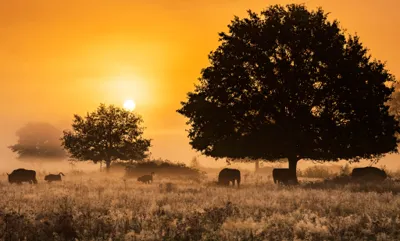
Join inRewildingBrasiliaJoin the Cerrado restoration network in BrasiliaJoin the Cerrado restoration network in Brasilia Collect native seeds, plant trees, and work beside local farmers to help the Cerrado savanna grow back around Brasilia. The Araticum network links seed collectors, farmers, and researchers across nine Brazilian states. What you can do in Brasilia - Fill the Araticum membership form and join the Cerrado restoration network - Take part in a working group on knowledge, local groups, maps, or public policy - Share a native seed restoration Cerrado project that uses natural regrowth, direct seeding, or native-tree farming - Learn from seed collectors, including Cerrado de Pé in Chapada dos Veadeiros - Read the member principles on inclusive restoration before you join How to join The public path is the form on the associe-se page. Members get periodic news and invites to meetings, events, working groups, and task forces. Members follow the charter: wide participation, science plus traditional knowledge, landscape-scale work that keeps farming and wild species together, cooperation, transparency, respect for traditional peoples, and environmental, labour, and human-rights law. The programme is ongoing. Why it matters in Brasilia Araticum (Articulação pela Restauração do Cerrado) started in 2020 with an aim of 2 million hectares by 2030 across nine Brazilian states. By June 2026 more than 27,000 hectares were under restoration, with seeds from more than 150 native species. More than 400 people from 180 organizations take part. Coordination includes Rede de Sementes do Cerrado, Semeia Cerrado, Embrapa, ICMBio, Agroicone, COOCREARP, and WWF-Brasil. The network was named a UN World Restoration Flagship in 2026. This row is separate from the Cultiva Lab garden at SESI Lab in Brasilia: here you join a national savanna network, not a single demo plot. Healthy savanna holds water in the territory, feeds native fruit, and can bring seed income to local groups. Find more community projects in Brasilia. Good to know - How do I become an Araticum member? Fill the membership form. You then receive news and invites to meetings and working groups. - Who can join Araticum? People and organizations that accept the inclusive-restoration principles. The network already holds more than 400 people from 180 organizations. - What will I actually do? You can join one of four working groups: restoration knowledge, stronger local organizations, territorial maps, or opportunities and public policy.restorationsavannaseeds +1
RewildingNairobiApply for a nature adaptation grant in NairobiApply for a nature adaptation grant in Nairobi Community groups can ask the Global EbA Fund for money to plant shade trees, restore reefs, or protect wetlands that help people live with a hotter climate. You draft the proposal offline, then send it through the fund's online form. What you can do in Nairobi - Read the small-grants page and the Grants Procedures Manual before you draft - Prepare the nature adaptation grant form offline, then submit it on the online platform - Apply as a community group, an Indigenous Peoples' organisation, or a non-profit - Shape a project of up to 24 months that uses nature to help people adapt - Check the medium-size grant window on the same site How to join IUCN and UNEP are the secretariat for the Global EbA Fund. Small grants reach up to USD 250,000 with submissions from 28 September to 26 October 2026. Medium-size grants accept submissions from 12 October to 16 November 2026. Confirm the open call on the fund site before you send a file. Community groups, Indigenous Peoples' organisations, non-profits, universities, and consortia can apply. Government bodies can join a consortium but do not receive the grant. Forms are in English and the apply step is online. You do not need to visit a Nairobi office. Why it matters in Nairobi Ecosystem-based adaptation (using forests, wetlands, reefs, or farms so people can live with a hotter climate) can fund shade trees, mangrove planting, or wetland banks that also protect homes and fields. The Global EbA Fund offers catalytic money to test or scale that work. This row does not describe a Nairobi field site. It points groups to the secretariat hub city and the apply process. Find more community projects in Nairobi. Good to know - Who can apply for Global EbA Fund money? Community groups, Indigenous Peoples' organisations, non-profits, universities, and private companies. A government office does not receive the money. - How big is a Global EbA Fund small grant? Up to USD 250,000, for a project of up to 24 months. The 2026 small-grant window runs from 28 September to 26 October. - How do I send an ecosystem-based adaptation grant application? Draft offline from the template, then submit on the platform linked from the small-grants page. Use English.adaptationgrantsrestoration +1
CommunityBrusselsCall to Action for a Wilder EuropeAsk leaders to make large-scale restoration a priority Dozens of organisations endorsed a Call to Action for a Wilder Europe, urging citizens, policymakers, land managers, and financiers to scale practical rewilding as part of the European Green Deal and national nature recovery. What you can do - Read the Call to Action and share it with #CallForAWilderEurope - Raise one concrete ask locally, for example free-flowing rivers, wetland rewetting, or natural grazing support - Invite your club, school, or municipality to discuss how rewilding fits your region Sector asks (folded summary, not separate listings) - Citizens: welcome wildlife comeback and enjoy wilder landscapes - Policymakers: prioritise ecological restoration at scale - Land & water managers: restore floodplains, wetlands, and grazing systems - Financiers & communities: invest in nature-based economies and coexistence Why it matters Policy follows visible public hope, when neighbours ask for wilder rivers and forests, councils find room to act.advocacyCallForAWilderEuropepolicy +2
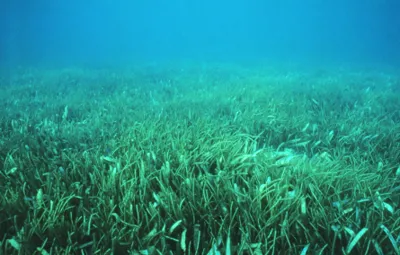
VolunteerRewildingBarcelonaPlant seagrass meadows with Posidonia volunteersHelp Mediterranean seagrass meadows recover Posidonia oceanica meadows shelter fish nurseries, calm waves, and store carbon along Spanish and Italian coasts. Volunteer planting and monitoring programmes invite residents to restore underwater meadows bay by bay. What you can do - Join GreenLife4Seas citizen science and restoration calls along the Catalan and Apulian coasts - Learn safe planting techniques with local diving clubs and marine biologists - Map meadow edges and report anchor damage to harbour managers How it works Teams coordinate seasonal planting windows when water is clear. Volunteers with snorkel or dive certification plant shoots in marked plots and return to photograph recovery. Why it matters Seagrass meadows are living breakwaters: they protect beaches, feed fisheries, and keep water clear for everyone who swims nearby.seagrassrestorationmediterranean +1
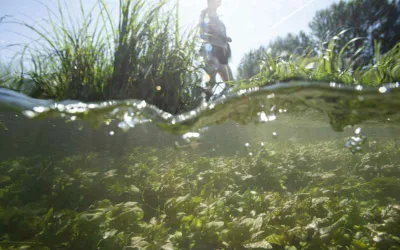
VolunteerRewildingLondonRestore river banks through riparian rewildingLet native plants heal your river corridor Riparian buffers slow floods, filter runoff, and give kingfishers and otters room to return. Catchment trusts across Britain pair landowners with volunteers to fence off banks and plant willow, alder, and wildflowers. What you can do - Find your local Rivers Trust project and sign up for planting days - Adopt a short stretch: remove invasive species, stake saplings, and photograph wildlife returning - Invite neighbours to a walk-and-talk along a restored reach How it works Trust officers match volunteers with farmers and councils. Teams work in wellies for a morning: mulch, plant, and label plots so future stewards know what to protect. Why it matters Healthy river edges cool cities downstream, reduce erosion, and turn muddy banks into corridors children can explore safely.riverriparianrestoration +1
VolunteerRewildingAmsterdamJoin a wetland restoration brigade in your river deltaRewild peat and reedbeds in the delta ARK Rewilding Netherlands works with farmers and volunteers to reopen river channels, graze wetlands lightly, and bring bitterns and spoonbills back to the Rhine–Meuse delta. What you can do - Sign up for ARK volunteer days: removing drains, planting reeds, or building bird hides - Visit rewilding demonstration farms and ask how grazing herds shape wet meadows - Map ditches on your polder walk and share photos with local water boards How it works Brigades work in waders on weekends. Ecologists show which sections can flood safely and which paths stay open for cyclists. Why it matters Wet deltas store floodwater, filter farm runoff, and give city dwellers a weekend marsh full of sound and colour.wetlanddeltabirds +1
VolunteerRepair & ReuseBonnPractice traditional repair crafts at monumentsPractice traditional repair crafts at monuments Open Monument Day is at its best when you meet timber framers, smiths, plasterers, and restorers at work. Schaubaustellen and craft openings turn heritage from a postcard into a shared skill. What you can do - Filter the programme for Handwerk, restoration, or Mitmach workshops - At Bamberg's national opening, look for DSD Schaubaustellen and the Markt der Möglichkeiten on Maxplatz - Ask organisers how residents can join a club, course, or volunteer day after the event - Prefer listings that let you watch or try a tool under supervision, not only walk through rooms How it works Many openings are free walk-ins. Limited workshops may need registration on the event page. Facts and hours belong to the organiser listing, not to Solarpunker. Why it matters Repair culture keeps materials in use and hands confident. A Sunday at a Schaubaustelle can be the first step toward a club, FSJ, or neighbourhood repair habit.craftrestorationtimber +2
VolunteerRewildingBrasiliaJoin a forest restoration volunteer dayJoin a forest restoration volunteer day Volunteer mutiroes plant native trees, restore river banks, and care for urban parks with SOS Mata Atlantica and coastal projects such as Projeto Tamar. What you can do in Brasil - Open SOS Mata Atlantica voluntariado and read how to join a restoration mutirao - Pick a date that fits your city and register when the form is open - Wear sun protection and closed shoes; bring water as the page suggests How to join Registration opens per event. Coastal cities may also list Tamar volunteer days on the Tamar site. The SOS page does not list every municipal planting day. Why it matters in Brasil Hands in the soil cool heat islands, give birds new corridors, and turn a Saturday morning into shared pride in a greener block. Good to know - Is training provided? Organisers usually give a short safety talk before planting. Follow their on-site instructions. - Can children join? Many mutiroes welcome families when an adult stays close. The event page states age rules.mutiraotreesrestoration +2