Programme nearbyRepair & ReuseBuenos AiresSupport recycler cooperatives managing organics in Buenos AiresSegregation at source: cooperatives in charge Argentina’s FACCyR-linked recycler groups manage organic streams where source segregation is in place, a pattern the 2025 regional report pairs with Colombian ANR experiences. Cooperatives such as El Amanecer de los Cartoneros in Villa Fiorito show how sorted organics and recyclables can stay in community hands. What you can do - Sort organics and clean recyclables before cooperative pick-up on your block. - Connect your barrio association with a registered cartonero/a cooperative for collection routes. Why it matters Recycler-led organics management turns a climate liability into local jobs and compost, without shipping waste out of sight.recyclersorganicscooperative
Programme nearbyFood & GardenTori-BossitoTurn organic waste into Maggot-Compost with soldier fliesTurn organic waste into Maggot-Compost with soldier flies In Tori-Bossito, southern Benin, the cooperative Agro-Eco Services turns animal waste and agro-industrial leftovers into Maggot-Compost. Black soldier fly larvae cut a process that can take months down to about 12 days, then the team blends the result with biochar from agricultural waste. Farmers get a nutrient-rich organic fertiliser that feeds soil life without chemical burn. What you can do - Buy or trial Maggot-Compost if you farm or garden in Benin or neighbouring countries (Agro-Eco Services) - Visit the production site in Tori-Bossito to see larvae, biochar, and bagging in one loop - Adapt the pattern: collect local organic waste, partner with a youth coop, and sell compost instead of burning residues - Read how the model scaled from a Master's research project into a regional supplier (discovery: Africa Eye) How it works Larvae rapidly break down organic matter. After harvest, the residue is mixed with biochar and sold as Maggot-Compost to market gardeners, development partners, and research projects. The coop reports serving over 2,500 clients across Benin and neighbouring countries. Contact them via the website to purchase or partner; do not treat this page as a booking form. Why it matters More than a third of farmland in Benin faces degradation. Closing the waste-to-fertility loop keeps nutrients local, cuts dependence on expensive chemical inputs, and gives young agronomists a builder pathway that restores soil.compostinsectsbiochar +2
Programme nearbyCommunityCotonouGrow rural agri-finance and cooperative savings groupsGrow rural agri-finance and cooperative savings groups GIZ's country package Benin of the global programme GV AgFin (promotion of agri-finance for agri-based rural enterprises) strengthens both sides of the credit market. On the demand side it coaches farms and MSMEs in financial management and helps them meet banks and microfinance institutions through producer associations. On the supply side it helps partner MFIs design products for priority value chains: rice, shea, cashew, soya, poultry, and vegetables. Solidarity savings and credit groups (GSEC) encourage saving inside cooperatives and agribusiness clusters. What you can do - Join or form a GSEC-style savings group inside your cooperative so members practice bookkeeping before seeking loans - Ask your producer association how group guarantees and adapted products (equipment, processing, nurseries) work with partner MFIs - Study the published knowledge products on farm investment planning and share them with credit officers in your region - Read the programme brief for regions covered (69 of 77 communes) and contact pathways via GIZ GV AgFin Benin (PDF) How it works Technical advice reaches farmers and MSMEs as well as nine partner MFIs and one bank. Adapted products include group loans for cooperatives, equipment and processing credit, and MSME loans for poultry, seed production, and cashew nurseries. Partner MFIs have disbursed more than 45 million EUR in credits to tens of thousands of farmers and hundreds of agri MSMEs in the target chains. Those loans are not backed by a GV AgFin credit line or guarantee fund. Why it matters Innovation stalls when growers are treated as too risky for banks. Finance that fits seasonal cash flows and cooperative guarantees lets rural builders invest in soil, processing, and decent work.financecooperativesavings +2
Programme nearbyFood & GardenSkopjeGarden at Bostanie Cooperative in SkopjeGarden at Bostanie Cooperative in Skopje Bostanie Cooperative teaches young people gardening in Novo Lisice Park. Plot holders and temporary volunteers share compost workshops. What you can do - Read the Meta.mk feature - Ask Zelena Arka about plot or volunteer slots - Join a compost workshop when listed How it works Plot or temporary volunteer paths both exist. Confirm park meeting points with the cooperative. Why it matters Skopje grows food skills in a park that neighbours already use.skopjegardencooperative +1
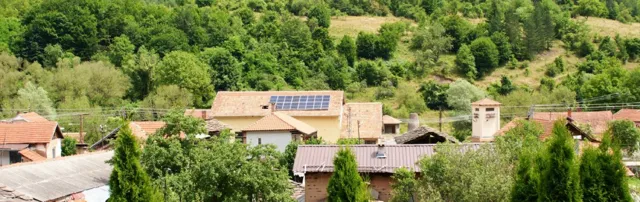
Programme nearbyEnergyBelgradeFund village solar that buys doors and mowersLet cooperative kilowatt-hours pay for what the village asks for Solarna Stara placed small cooperative solar plants in Temska and Dojkinci on Stara Planina with Energetska zadruga Elektropionir. First-year revenue bought village doors and a grass trimmer; members decide the next purchases for twenty-five years of shared income. What you can do - Study the Solarna Stara results story on Klima 101 before pitching a co-op plant in your village - Join or contact Elektropionir-style cooperatives and the energy communities portal for Serbian legal pathways - Propose that your municipality host a public roof for a citizen array with transparent revenue votes How it works Citizens and organisations co-finance modest rooftop plants. Sale of electricity returns to a village fund; assemblies pick practical upgrades instead of abstract dividends. Why it matters Six kilowatts can feel small on a grid chart and huge when they buy the door everyone needed.Solarna StaraElektropionircooperative +2
Programme nearbyEnergyBudapestPanel roof solar pilotShare common-roof PV across a prefab block Panel estates often have large flat roofs owned collectively, ideal for a mini solar cooperative that feeds common areas or sells power back to residents. Pair a roof lease vote at the közgyűlés with household storage grants: common PV on top, individual batteries in flats below. What you can do - Assembly leaders: add a roof-solar agenda item alongside insulation, same contractor visit, two quotes - Legal-savvy neighbours: draft a simple revenue split (elevator, lighting, heat-pump preheat) - Early adopters: apply for home storage once the shared array is approved, programmes favour households already on solar How it works Hungarian társasház law requires owner consent for structural roof works. Start with a feasibility study (shading, grid connection, DSO rules), then piggyback on Panelprogram-era insulation contractors who already know the building. Why it matters One roof can power dozens of homes, the cooperative model keeps profits in the stairwell, not on a billboard.solarpanel-blockcooperative +2
Programme nearbyCommunityBudapestGreen block playbookStep-by-step guide to a successful lakógyűlés vote Calling a lakógyűlés (residents' meeting) sounds bureaucratic until you have a playbook: quorum checklist, sample agenda, three-slide energy savings story, and a contractor comparison table neighbours can skim in five minutes. KÉK (Contemporary Architecture Centre) and Energiaklub both run workshops where blocks learn from retrofitted estates across Central Europe. What you can do - First-time organisers: copy the playbook, date, quorum, two topics max (insulation + windows) - School councils: join 14+ Budapest urban walks and bring heat-poverty maps back to your block - Architect allies: invite a KÉK volunteer to sketch façade options before the vote How it works Hungarian condominium law sets notice periods and voting thresholds. Pair legal basics with visual before/after photos from cities like Székesfehérvár where panel renewal changed entire districts. Why it matters Democracy at the stairwell is how concrete towers become homes people are proud to paint.organizinghousingcooperative +2
Programme nearbyRewildingRio de JaneiroFund your forest-protection project through the Amazon FundFund your forest-protection project through the Amazon Fund Fundo Amazônia, managed by BNDES, puts climate finance into projects that keep Amazon forests standing and living: fire prevention, sustainable forest economies, indigenous territories, and community stewardship. Associations, cooperatives, municipalities, and foundations can submit ideas. Belém and forest cities feel the stakes every day; organisations send proposals through the Fund's public intake in Rio de Janeiro. What you can do - Gather your cooperative, association, or municipal team and sketch one concrete forest-protection or sustainable-use project - Read Como apresentar projetos and match your draft to the Fund guidelines - Submit directly or watch for a chamada pública, then send via the BNDES Portal do Cliente (Fundos, Editais e Chamadas Públicas → Fundo Amazônia) - Skip paid intermediaries: BNDES does not accredit consultants to speed approvals How it works Eligible organisations prepare a technical proposal, protocol it in the Portal, and walk BNDES review stages. Private individuals cannot apply alone; the door is open to groups already building forest protection on the ground. Why it matters When local builders hold the pen on funded projects, Amazon stewardship stays with the people who live beside the trees.amazonforestcooperative +2
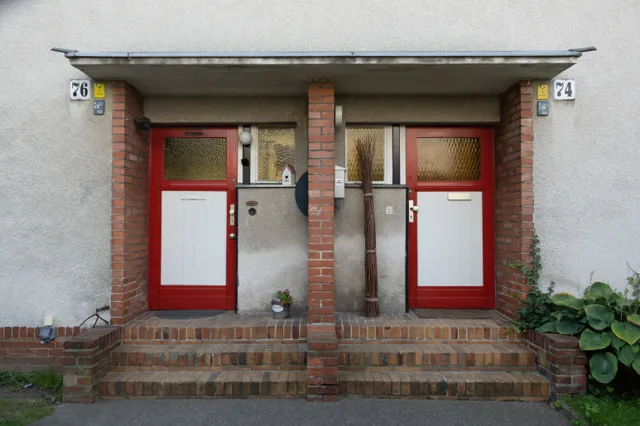
Programme nearbyCommunityBerlinJoin a German housing cooperative in BerlinJoin a German housing cooperative in Berlin Join a German housing cooperative in Berlin and live as a co-owner, not as a tenant of a distant landlord. You pay a fair use fee, hold shares, cast one vote, and keep a lifelong right to stay that feels secure like ownership and flexible like rent. More than 400 cooperatives belong to the national marketing network of Wohnungsbaugenossenschaften. This is the mainstream co-op model, not a DIY house-building project. What you can do in Berlin - Read how a Genossenschaft works so shares, votes, and the board make sense - Open a regional member list (Berlin, Cologne, Hannover, Hessen, Schleswig-Holstein, Baden-Württemberg, Sachsen, and others) and pick one co-op near you - Apply for membership on that co-op's own site: the board decides; you draw shares, often more for a larger flat, and some charge an entry fee - If you already live in a co-op, browse guest flats for members, or use Mobile Mitgliedschaft when you move so your old shares can transfer How to join You become a member by drawing shares. Extra shares usually scale with flat size. Shares are typically returned when you leave; entry fees are not. Members elect representatives who oversee the board. Stick to known network members and read the caution on the how-it-works page: some schemes misuse the co-op label. Waitlists are real. In Berlin, many co-ops only take new members when they can also offer a flat. The Berlin network still reports about 5,000 relets each year, roughly half to new members, so joining is possible but rarely instant. Why it matters in Berlin Surplus goes back into homes and neighbourhoods, not distant shareholders. Courtyards, guest flats, and shared votes keep care local while rents stay fairer than speculative markets. Find more community projects in Berlin. Good to know - What is a Wohnungsbaugenossenschaft? Neighbours are co-owners. You hold Geschäftsanteile, pay a Nutzungsgebühr, and keep a lifelong Dauernutzungsrecht: one member, one vote. - Do I apply to the national office? No. Apply on the co-op's own site. The marketing network only helps you find members. - Can I move my shares later? Many co-ops take part in Mobile Mitgliedschaft so your share balance can transfer when you move.housingcooperativemembership +2
Programme nearbyEnergyBudapestPanel block energy assemblyVote together on insulation, windows, and heating upgrades In Hungary's panel blocks, prefab apartment towers built from the 1960s onward, the biggest energy wins come from collective decisions: façade insulation, window replacement, and modernised district heating or heat pumps. The long-running Panelprogram showed that when a társasházi közgyűlés (residents' assembly) passes a renovation package, state support and contractor bids become reachable for whole stairwells, not lone flats. What you can do - Flat owners: call a building assembly with a clear agenda, insulation scope, window spec, and cost split - One motivated neighbour: collect signatures, invite an energy auditor, and compare three contractor quotes before the vote - Young residents: bring the EU Peers one-stop shop model to your block, one volunteer coordinates paperwork for everyone How it works Panel renovation typically bundles external insulation, new openings, and building-services upgrades. A supermajority vote unlocks joint tenders; Energiaklub and municipal advisors can help navigate Hungarian grant windows alongside EU renovation guidance. Why it matters A single insulated façade cuts bills for hundreds of households and refreshes the streetscape, builder pride on every balcony.renovationinsulationcooperative +2
Programme nearbyFood & GardenHamburgCo-found a community-supported agriculture (CSA) in HamburgCo-found a community-supported agriculture (CSA) in Hamburg The Solawi start guide walks groups through finding land, drafting a fair contract, and recruiting founding members before the first sowing season in Hamburg. What you can do - Read the gründen (start) resources and download the checklist for your region - Host an info evening in Hamburg with farmers, lawyers, and future members in the same room - Pair with an existing farm willing to transition from wholesale to community shares How it works Founders agree on pricing, labour expectations, and what happens in a bad harvest year. The network offers peer calls so new groups learn from farms that already run on solidarity principles. Why it matters Starting a Solawi creates permanent local food infrastructure, not a one-off box scheme.csasolawicooperative +2
Programme nearbyCommunityHamburgCopy Mietshäuser Syndikat ownership in HamburgCopy Mietshäuser Syndikat ownership in Hamburg The Mietshäuser Syndikat helps self-organised house projects in Germany: residents form a cooperative, the syndicate takes a stake, and the building stays permanently out of speculative resale in Hamburg. What you can do - Read how the Syndikat model withdraws homes from the private market - Contact the network if your group is forming a self-organised house project - Visit an existing project to see how residents share costs, repairs, and decision-making How it works A founding group finds a building, sets up a limited-liability housing cooperative, and invites the syndicate to co-own a non-voting share. That lock keeps the property community-held even when individual flats change hands. Why it matters Collective ownership turns rent pressure into shared stewardship. Neighbours who control their block can invest in efficiency, childcare, and common rooms together.housingcooperativecollective +2