Programme nearbyCommunityAmsterdamJoin the European Rewilding NetworkConnect with 100+ field rewilding initiatives The European Rewilding Network (ERN) links action-focused projects across 30+ countries so members swap know-how on species comebacks, community engagement, and natural grazing. What you can do - Explore members on the ERN map and list - If you run a long-term rewilding initiative, apply via the network application form (contact ern@rewildingeurope.com) - Attend Rewilding Intros webinars and member exchanges listed on Rewilding Europe's channels What members gain - Peer connections across Europe, quarterly ERN Updates, and promotion through Rewilding Europe communications - Access to facilities such as the Natural Grazing Facility and European Wildlife Comeback Fund when criteria are met Why it matters Landscape-scale change spreads faster when practitioners learn from each other's wins and honest failures.ERNnetworkrewilding +2
Programme nearbyCommunityAmsterdamFree Introduction to Rewilding online courseLearn rewilding practice from 20+ countries Rewilding Europe and the Open University host Introduction to Rewilding, a free online course with eight modules, badges, and a completion certificate, no prior training required. What you can do - Enrol via the online rewilding course page - Work through modules on land, river, and sea rewilding with real European case studies - Draft your own personal rewilding action plan as the final module suggests How it works - Flexible self-paced study with interactive content and practitioner interviews - Designed for curious residents, students, land stewards, and early-career conservationists Why it matters Skills spread faster than slogans, a free course lowers the barrier for anyone ready to help nature lead locally.courseeducationOpen University +2
Programme nearbyRewildingAmsterdamRewilding principles: let nature leadEleven shared principles for a wilder Europe Practitioners across Europe co-created a set of rewilding principles that guide landscape recovery: letting natural processes shape land and sea, working at nature's scale, and building hope through action today. What you can do - Read the full Rewilding principles and discuss which apply in your watershed or valley - Start a local conversation: grazing, river dynamics, wetland recovery, or wildlife corridors near you - Share the principles with a land manager, park ranger, or councillor who stewards public green space Core ideas (paraphrased) - Letting nature lead: restored processes (flooding, grazing, predation) reshape places without a fixed end state - Working at nature's scale: enough connected space for species and processes to thrive - Building nature-based economies: livelihoods linked to living ecosystems, not extraction alone Why it matters Rewilding is a builder's invitation: less control, more curiosity, and landscapes where people and wild nature share the future.rewildingprinciplesnatural processes +2
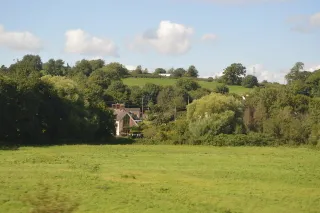
Programme nearbyRewildingFromeVisit and help rewild Heal SomersetVisit and help rewild Heal Somerset Heal Rewilding is buying land and giving it back to nature for good. Its foundation site, Heal Somerset, is a 460-acre former dairy farm near Witham Friary, halfway between Frome and Bruton, where hedgerows, ponds, and free-roaming ecosystem engineers are already reshaping the fields. What you can do - Plan a self-guided visit via Heal Somerset: Plan your visit (pre-book parking; free entry with a suggested donation) - Book a tour, summer camping pitch, or wildlife walk through the Heal events calendar - Register for practical volunteering (wildlife surveys, land tasks) or desk-based help via Help Heal - Sponsor a Heal 3x3 square (from £20) and visit the what3words patch you help rewild How it works Heal acquired the site in December 2022 and manages it with a nature-led ethos: reinstate processes, monitor habitats, and keep quiet zones for wildlife while opening most of the land to visitors. Parking is limited and must be booked ahead so the rural lanes stay calm. Why it matters Lowland England is short on connected wild space. Showing up as a visitor, volunteer, or square sponsor funds the next acre and proves rewilding can sit within reach of towns, not only remote uplands.rewildingvisitvolunteer +2
Programme nearbyRewildingFromeRewild a garden with Heal's small-space guideRewild a garden with Heal's small-space guide Not everyone owns a farm, but many people can loosen a lawn, leave a hedge thicker, or speak up for nature on a street or allotment. Heal partnered with a sustainability trainer to publish a short, interactive guide for gardens and other small spaces. What you can do - Open the Rewild your garden guide (up to two hours of practical learning; donation optional) - Try one change this week: longer grass edges, a log pile, a pond bowl, or night-time lighting turned down - Share the guide with a neighbours' group, school garden, or allotment committee - For hands-on garden advice locally, Heal points to practitioners such as The Natural Garden How it works The guide translates Heal's nature-led approach into steps you can finish in an evening. You do not need to donate to read it; support is welcome when you can. Why it matters Garden-scale rewilding stitches habitat into towns and villages so insects, birds, and people meet wildness between the larger landscapes charities protect.gardenrewildingguide +2
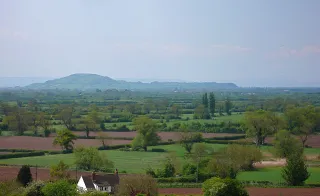
Programme nearbyRewildingGlastonburyLay wild stepping stones on the Somerset LevelsLay wild stepping stones on the Somerset Levels Somerset Wildlands is rebuilding fragments of the old wetland mosaic: about 160 acres across five sites near Glastonbury and Athelney, managed as little as possible so nature can lead. Sites are meant to stay open and quiet, not theme-park reserves (no car parks or visitor centres). What you can do - Explore the land list and map on Our land (Athelney, Whites Drove, Godney Marshes East Waste and Waste Drove, Clark Fields) - Sponsor a 10×10 m plot at Athelney or Clark Fields via Sponsor land (from £30 a year) and follow habitat updates - Become a member through Support us for guided walks, surveys, talks, and first access to volunteer days - If you steward Levels land yourself, ask about the affiliated landowner network via the contact page How it works Each stepping stone is hands-off by design. Membership funds purchase and quiet stewardship; citizen-science and practical days (including invasive removal) start with members. Plot sponsorship pairs you with a named habitat zone as the site recovers. Why it matters The Levels once held beavers, wild wetlands, and mythic marshes. Linked wild pockets help wildlife move again and give neighbours a way to fund recovery without turning every acre into a destination.rewildingwetlandlevels +2