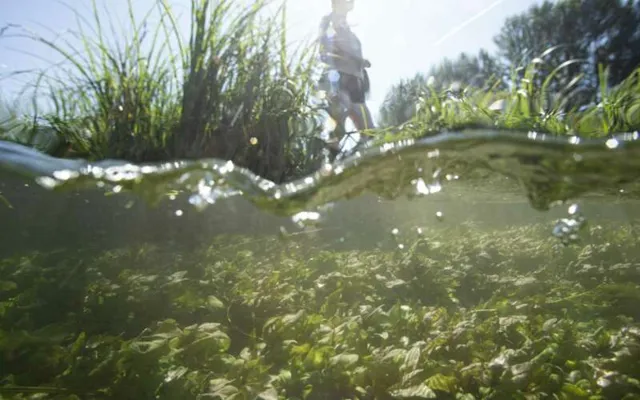
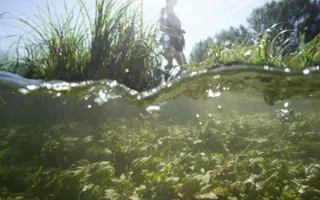
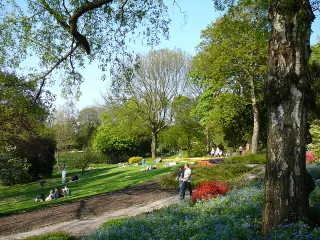
Programme nearbyRewildingLondonRestore river banks through riparian rewildingLet native plants heal your river corridor Riparian buffers slow floods, filter runoff, and give kingfishers and otters room to return. Catchment trusts across Britain pair landowners with volunteers to fence off banks and plant willow, alder, and wildflowers. What you can do - Find your local Rivers Trust project and sign up for planting days - Adopt a short stretch: remove invasive species, stake saplings, and photograph wildlife returning - Invite neighbours to a walk-and-talk along a restored reach How it works Trust officers match volunteers with farmers and councils. Teams work in wellies for a morning: mulch, plant, and label plots so future stewards know what to protect. Why it matters Healthy river edges cool cities downstream, reduce erosion, and turn muddy banks into corridors children can explore safely.riverriparianrestoration +1
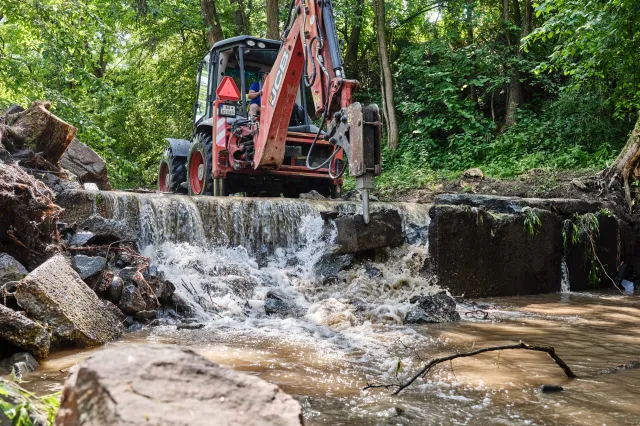
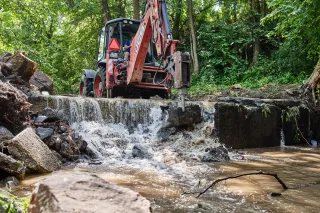
Programme nearbyRewildingBrusselsRewild river corridors by removing fish passage barriersFree rivers so fish can roam again Dam Removal Europe connects communities tearing down obsolete weirs and culverts so eels, trout, and lamprey reach headwaters across the continent. What you can do - Explore the Dam Removal Europe map and advocate for a barrier near you - Read the Slovakia barrier removal guide for a step-by-step community playbook - Join local river trusts on barrier surveys: photograph choke points and share them with councils How it works Engineers and ecologists score barriers by impact and cost. Volunteer testimony about lost fishing and flooding speeds permits and funding. Why it matters Open rivers knit landscapes together: fish return, sediment moves naturally, and kids discover pools that were blocked for generations.dam removalriverfish +1
Programme nearbyCommunityLondonTest your local river water quality with FreshWater WatchSample your river and share the data FreshWater Watch trains residents to measure nitrate, turbidity, and algae in local streams. Your readings join a global map scientists and councils use. What you can do - Sign up at FreshWater Watch and request a simple test kit - Pick a bridge or footpath you walk weekly and sample at the same spot - Upload photos of wildlife and pollution hotspots with your readings How it works Short training videos show safe sampling. You enter results on the app; project scientists flag unusual spikes to local water managers. Why it matters When neighbours measure water, cleanup stops being invisible: communities spot sewage spills and celebrate when clarity returns.freshwaterwater qualitycitizen science +1
Programme nearbyCommunityLondonAdvocate for clean waterways through Surfers Against Sewage River ActionSpeak up for rivers that should be swimmable SAS River Action helps residents challenge sewage pollution: petitions, sample requests, and media toolkits that turn anger into organised pressure. What you can do - Join River Action campaigns targeting your catchment - Request water company monitoring data and share results at parish meetings - Pair advocacy with FreshWater Watch sampling so stories have numbers behind them How it works Campaign coaches help you set goals: legal letters, councillor questions, or community monitoring. Wins get celebrated publicly to recruit more neighbours. Why it matters Rivers belong to everyone who walks their banks: organised voices restore trust and funding for real infrastructure fixes.riveradvocacywater quality +1
Programme nearbyRewildingOsloClean Alna river park litter in OsloClean Alna river park litter in Oslo Naturvernforbundet invites an open drop-in litter cleanup in Svartdalsparken by the Alna river. Bring gloves and join the crew. What you can do - Read the cleanup event page - Meet near Arnljot Gellines vei 41 B as listed - Bring gloves; bags are often provided How it works Open drop-in on 21 Sep 2026. Confirm whether a follow-up date appears. Why it matters Oslo river parks stay wilder when neighbours clear litter together.oslocleanupriver +1
Programme nearbyRewildingSarajevoSupport Miljacka urban garden NbS, SarajevoSupport Miljacka urban garden NbS, Sarajevo Urban Garden Sarajevo links riverine nature-based solutions with intergenerational planting near the Miljacka. Support NbS garden days when listed. What you can do - Open the Ecodalli NbS page - Ask organisers about the next planting day - Offer help near the Centre for Healthy Ageing when invited How it works Riverine NbS plus garden workshops. Confirm street details with organisers before travel. Why it matters Sarajevo heals a river edge with gardens that also teach neighbours.sarajevonbsriver +1
Programme nearbyRewildingWuppertalJoin BUND / NABU biotope care in WuppertalJoin BUND / NABU biotope care in Wuppertal BUND Kreisgruppe Wuppertal runs open Biotoppflege with species lead Benny Trapp and sign-up via Christian Limbach. The motto is outdoor work with kind people, at your own pace, with pauses when you need them. NABU Wuppertal also lists 2026 dates: check both calendars. What you can do - Sign up for a habitat day on BUND Wuppertal Biotoppflege - Work as long as you like; nobody clocks you - Watch NABU Wuppertal as well if you want extra 2026 nature dates How it works Outdoor habitat days, not a lecture series. Organisation and registration sit with Christian Limbach. Solarpunker does not keep the tool trailer. Why it matters Shared scythe and rake days keep Wuppertal biotopes open for orchids, insects, and river-edge mosaic.habitatvolunteermeadow +1
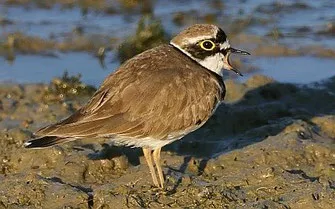
Programme nearbyRewildingHeidelbergJoin Aktionsbündnis Unterer Neckar in HeidelbergJoin Aktionsbündnis Unterer Neckar in Heidelberg Aktionsbündnis Unterer Neckar (AUN) is a NABU, BUND, LNV, and neighbour alliance for the last living floodplain stretch of the Neckar. Groups from Heidelberg, Mannheim, Ilvesheim, and Ladenburg share news, dam-care notes, and site walks. This is floodplain stewardship, not a sponge-unsealing group. What you can do - Read the AUN programme page and contact the speakers - Join a monthly alliance evening (in 2026 many nights are online via Zoom; confirm the format) - Walk the named nature reserves along the lower Neckar when the group announces a Begehung How it works The alliance formed in 2015. Coordinator Regine Buyer keeps the information flow between local groups. Solarpunker does not host the Zoom room or the Welthaus table: check the organiser before you travel. Why it matters A living Neckar floodplain needs people who show up for kingfishers, little-ringed plovers, and high-water space at the same time.floodplainriveralliance +1
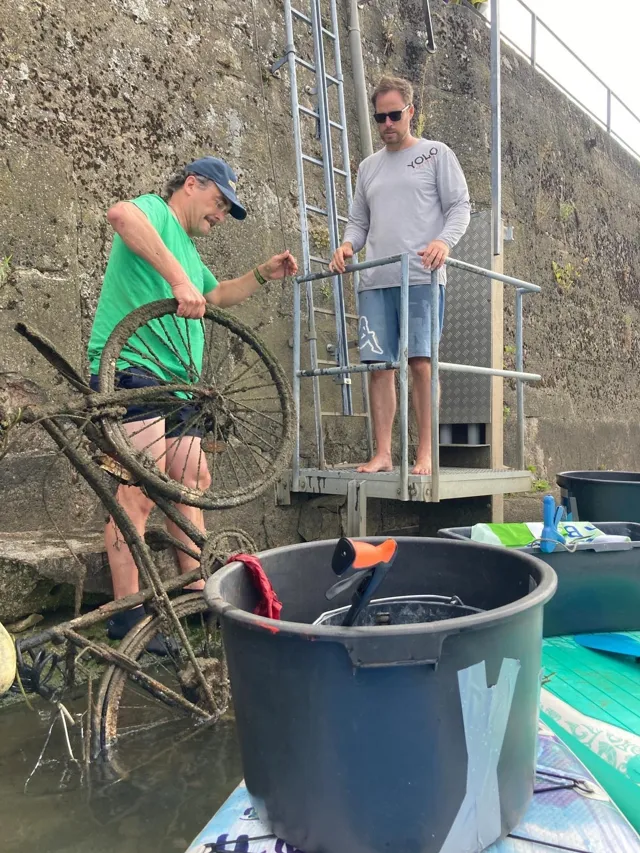
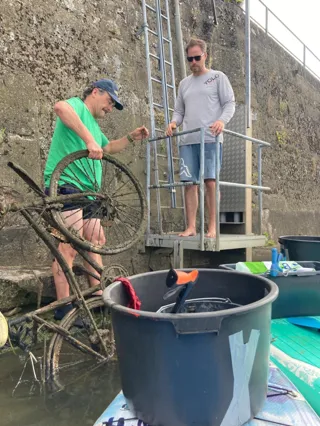
Programme nearbyCommunityFrankfurtRegister a riverbank cleanup with your neighbou in FrankfurtRegister a riverbank cleanup with your neighbou in Frankfurt RhineCleanUp and MainCleanUp help families, clubs, and neighbourhood groups free riverbanks from litter in Frankfurt. You pick the stretch, invite helpers, and RhineCleanUp gGmbH can supply sacks, gloves, and grabbers through sponsors Postcode Lotterie and naturstrom. What you can do - Open MainCleanUp or RhineCleanUp, name your group, and register an open or private cleanup - Read the CleanUp-Leitfaden for site checks, waste-disposal coordination, and safety (stay on the bank, not in the water) - Coordinate with your local waste office before the day; report collected kilograms after the action so the network can track community impact - Download posters and flyers from the PRAKTISCHES section on your river's programme page How it works Register with an email, add date, meeting point, and whether others may join. Organisers stay on site for material hand-out, a short safety briefing, and bag drop-off as agreed with authorities. The guide suggests 1 to 1.5 hours for children and 2 to 3 hours for teens and adults. Why it matters River litter is visible, local, and fixable in an afternoon. When neighbours measure what they remove, they see how small habits upstream add up, and new groups keep returning each season.rivercleanupvolunteer +2
Programme nearbyCommunityFrankfurtJoin the nationwide MainCleanUp day in FrankfurtJoin the nationwide MainCleanUp day in Frankfurt Every September, groups along the Main and across the RhineCleanUp network run open riverbank cleanups on the same weekend in Frankfurt. In 2026 the bundesweite Aktionstag is Saturday 12 September. Sponsors provide free collection kits so you can focus on meeting neighbours and clearing the shore. What you can do - Search open groups on MainCleanUp near your town and register online - Bring sturdy shoes, water, and sun protection; organisers hand out sacks, gloves, and grabbers where available - Log how many kilograms your team collects when the organiser asks (community totals appear on the programme map) - Pair with local groups such as cleanffm on the Frankfurt Mainufer if you are in the Rhine-Main region How it works Public listings show date, meeting point, and registration form. Show up at the published time; the organiser briefs helpers and coordinates waste hand-over with municipal services. The action repeats annually: check the site each summer for the next date. Why it matters A shared day turns solo litter picks into a visible civic habit. Along the Main, clubs, schools, and green groups meet at the water and leave the bank cleaner for walkers, rowers, and wildlife.rivercleanupmain +2
Programme nearbyCommunityFrankfurtTake part in spring cleanups on Main, Mosel and in FrankfurtTake part in spring cleanups on Main, Mosel and in Frankfurt Before the big September action, the network runs an early-season window on tributaries in Frankfurt. In 2026, Main, Mosel, and Kinzig cleanups are scheduled 13 to 22 March, with a Dreck-weg-Tag in Düsseldorf on 21 March. Use the river programme sites to find open groups or register your own. What you can do - Browse spring listings on MainCleanUp, MoselCleanUp, and KinzigCleanUp - Follow the CleanUp-Leitfaden for waste-office coordination and safe bank access - Join municipal formats such as Rüsselsheim's CleanUp Walks that combine Main shore work with neighbourhood Dreck-weg days - Register an open group if your stretch has no public listing yet How it works Each river hub lists upcoming public cleanups with registration forms. Organisers confirm meeting points closer to the date. Spring events prime the shore for summer use and feed into the September network day. Why it matters Tackling litter after winter floods and before peak river recreation keeps plastic and glass from drifting downstream. Spring rounds spread the work across more weekends so smaller towns can join without running a second large event alone.riverspringcleanup +2
Programme nearbyCommunityDüsseldorfCollect cigarette butts during KippenwocheCollect cigarette butts during Kippenwoche R(h)ein-Kippen runs each 1 to 8 May as a week-long butt-collection action ahead of the September river day. Cigarette filters leach toxins into water; counting and removing them makes the problem visible without guilt-only messaging. What you can do - Join an open Kippenwoche group via RhineCleanUp MACH MIT or MainCleanUp - Organise a small team: use screw-top jars or cartons, wear disposable gloves, and tally what you find - Request butt bins, grabbers, and gloves from the programme where offered; some cities also set up collection columns to show scale - Read the R(h)ein-Kippen overview for background and dates How it works The action lasts one week each spring. You can collect solo or register a public group. RhineCleanUp reports community totals (for example over 250,000 butts in Düsseldorf in past years) to sharpen prevention conversations with councils and venues. Why it matters Butts are among the most common items on European riverbanks. A focused week trains the eye, keeps filters out of storm drains, and builds habits that carry into the larger shoreline cleanups in September.cigarette buttspreventionriver +2