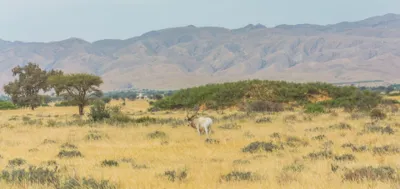
RewildingBou HedmaExplore Bou Hedma National Park Savannah, TunisiaExplore Bou Hedma National Park Savannah, Tunisia NAWT runs the Biorec Bouhedma centre inside Bou Hedma National Park, Tunisia's last pre-Saharan savannah biome with addax, gazelles, and juniper woods. What you can do in Bou Hedma - Stay, hike, or camp with local guides who co-manage ecotourism lodging (Biorec Bouhedma) - Use the ecotheque library and field gear at the research pole for wildlife surveys - Learn how the park's ostriches, antelopes, and subtropical vegetation fit a rewilding story - Pair a visit with northern wetland birding when you extend a Tunisia trip toward Bizerte and Ichkeul How to join Book accommodation, guided hikes, or camping through Biorec Bouhedma contact routes on the site. National park entry may need permits from Tunisian authorities; ask the centre what paperwork visitors need. Why it matters in Bou Hedma Juniper shade and grazing antelope show what returns when communities earn a living from careful visits instead of extraction. Good to know - Can I hike alone? The centre offers guided tours and hires mountain bikes; self-guided rules depend on park policy. - Is there lab space for students? Researchers and students can request equipment and workspace through NAWT. - What wildlife might I see? The park hosts addax, gazelles, ostriches, and diverse birds in savannah habitat.national parksavannahbou hedma +2
LearnRewildingBrusselsExplore Wallonia's Entre-Sambre-et-Meuse wild parkWalk wetlands, grasslands, and free-flowing rivers in southern Belgium Entre-Sambre-et-Meuse National Park joined the European Rewilding Network in June 2026. Across about 22,000 hectares of Fagne, Calestienne, and Ardenne landscapes, the park expands strictly protected forest, restores river dynamics, and brings back natural grazing while opening nature-based tourism. What you can do - Plan a visit through park discovery points and the Aquascope Virelles gateway area (Chimay, Couvin, Froidchapelle, Momignies, Viroinval municipalities) - Look for guided walks and observation towers as the 2026 visitor programme rolls out - Follow the ERN welcome story on Rewilding Europe How it works Park teams protect forest cores, improve human-wildlife coexistence, and share lessons with other Wilder Parks. Day visitors stay on marked routes so grazing herds and returning predators have room. Why it matters One of Wallonia's first national parks can show how people and wolves, beavers, and black storks share a recovered landscape.Belgiumnational parkERN +2