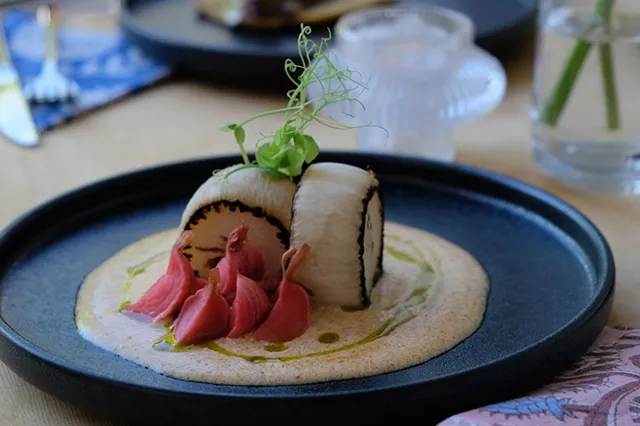
Programme nearbyCommunityFrankfurtJoin Foodtura City Experiences in FrankfurtJoin Foodtura City Experiences in Frankfurt Foodtura is a ten-day festival (18 to 27 September 2026) where restaurants, farms, initiatives, and kitchens open their doors. Klimagourmet and Initiative Gastronomie Frankfurt organise about 50 City Experiences: tastings, workshops, bike tours, playground markets, and neighbourhood tables. Many events are free. Massif Central on Bethmannstraße is the festival hub. What you can do - Browse the live programme and book the events that fit your week - Start at the free Opening (18 September) or the Playground market (19 September) - Bring neighbours to a supper club, farm day, or unpackaged shop action listed on the map - Follow Über Foodtura for who is behind the festival (not a Solarpunker event) How it works Hosts publish dates, prices, and booking links on each event page. Tickets, if any, go to the organiser. Solarpunker does not take bookings. The programme can still grow through September, so check the festival site before you travel. Why it matters Sustainable eating is easier when it is delicious, local, and shared. Foodtura turns that into a week of doors you can actually walk through.festivalfoodfrankfurt +2
Programme nearbyFood & GardenSan SalvadorGrow food sovereignty through community compost in San SalvadorGardens, organics, and mutual aid The 2025 regional chapter stresses how community compost, source segregation, recycler inclusion, and community gardens (huertos) strengthen food sovereignty in vulnerable neighbourhoods across Latin America, with San Salvador among municipalities GAIA accompanies on zero-waste pathways. What you can do - Start or join a barrio compost pile that feeds a shared garden bed. - Partner with youth groups to run organic-waste recycling workshops at schools. Why it matters When food prices rise, keeping organics in the neighbourhood loop builds soil, skills, and shared meals, not dependency on distant supply chains.gardencompostfood
Programme nearbyFood & GardenFrankfurtGarden courtyards with Klimawerkstatt Ginnheim in FrankfurtGarden courtyards with Klimawerkstatt Ginnheim in Frankfurt In Ginnheim, Klimawerkstatt and the Ginnheimer Kirchplatzgärtchen turn courtyards, roofs, and the church square into food and shade in Frankfurt. During Foodtura they host a courtyard walk and a bring-and-share picnic between the baroque church and Gasthaus Adler. What you can do - Walk the Hinterhofhimbeeren & Fassadenwein tour on 19 September (free) - Bring a homemade dish to the Stadtteil Picknick the same afternoon - Email kirchplatzgaertchen@posteo.de if you want to help tend beds after the festival - Follow Klimawerkstatt on Instagram for later dates How it works The garden is a neighbourhood project, not a ticketed farm. Show up, share food, and ask how to join watering and planting rounds. Why it matters Edible courtyards cool streets, feed pollinators, and give a village square a reason to linger.gardenpicnicginnheim +2
Programme nearbyCommunityFrankfurtBook a Heldenbohne school food morning in FrankfurtBook a Heldenbohne school food morning in Frankfurt Umweltlernen in Frankfurt runs Lernwerkstatt Heldenbohne for years 7 to 10: beans, peas, and lentils as climate food, biodiversity, and everyday choice. Sessions sit at stadtRAUMfrankfurt during Foodtura week. Kindergarten and primary groups can book apple picnic or edible-Ginnheim walks with Klimawerkstatt instead. What you can do - Teachers: email kirsten.allendorf@stadt-frankfurt.de to book a free Heldenbohne morning (deadline 1 September 2026; remaining dates 17 to 23 September) - Read the Heldenbohne listing - For younger children, ask Klimawerkstatt about Apfelpicknick or Essbares Ginnheim (by appointment) - Adults can still taste Hessian pulses at Heldenbohne x Freitagsküche How it works School formats are free and booked as a class, not as drop-in. Confirm remaining slots with Umweltlernen. Why it matters One morning in a real kitchen beats a worksheet on climate diets.educationschoolpulses +2
Programme nearbyFood & GardenLyonBio-waste source separation: AGEC law in actionFrance's circular economy law brings composting to every doorstep France's AGEC law (loi anti-gaspillage pour une économie circulaire) mandated source separation of bio-waste for all households from 1 January 2024. Municipalities across the country are now building collection infrastructure, distributing home composting equipment, and running resident education programmes to turn a legal obligation into a daily community habit. What municipalities are doing - Distributing separate bio-waste bins and/or home composting containers - Running neighbourhood workshops on what can be composted and how - Deploying door-to-door collection routes for organic kitchen waste - Partnering with local farms and green spaces to close the loop from food waste to compost How to engage - Check your municipality's website for the bio-waste collection calendar and bin distribution schedule - Attend a local composting workshop: many communes organise them in spring and autumn - Ask your building's property manager about a shared composter if you live in an apartment - Follow Zero Waste France for national advocacy and practical guides Why it matters Only 26% of EU food waste was captured in 2023 (up from 18% in 2020). France's AGEC law creates the legal architecture for a step change: but only works when residents and municipalities implement it together. Every neighbourhood that adopts source separation reduces landfill and methane emissions while creating local compost for urban greening.bio-wastecompostingsorting +2
Programme nearbyFood & GardenTodmordenGrow food anywhere with Incredible EdibleTurn spare corners into neighbourhood harvests Incredible Edible began in Todmorden when residents planted herbs, fruit, and veg in public beds anyone could pick. The model spread: small teams, bold signs, and food that belongs to the street again. What you can do - Read the our story page and map what you could plant on a verge, canal bank, or school edge - Start a local group and list your beds on the Incredible Edible network - Host a walk showing where food already grows and where the next bed could go How it works You need soil, permission from the landowner, and a handful of neighbours who will weed once a week. Groups share cuttings, run short planting mornings, and leave harvest free for passers-by. Why it matters Public food breaks the idea that growing is private or expert-only. It invites children, commuters, and elders into the same plot.gardenfoodcommunity +2
Programme nearbyCommunityOsloJoin Oslo Kooperativ food co-op, OsloJoin Oslo Kooperativ food co-op, Oslo Oslo Kooperativ is a member-owned veg bag co-op. Join, take volunteer shifts, and collect at city pickup points. What you can do - Read the FAQ - Ask about membership and shift requirements - Pick a pickup point that fits your week How it works Member-owned bags with volunteer shifts. Solarpunker does not sell shares. Why it matters Oslo neighbours own their vegetable logistics together.oslocoopfood +1
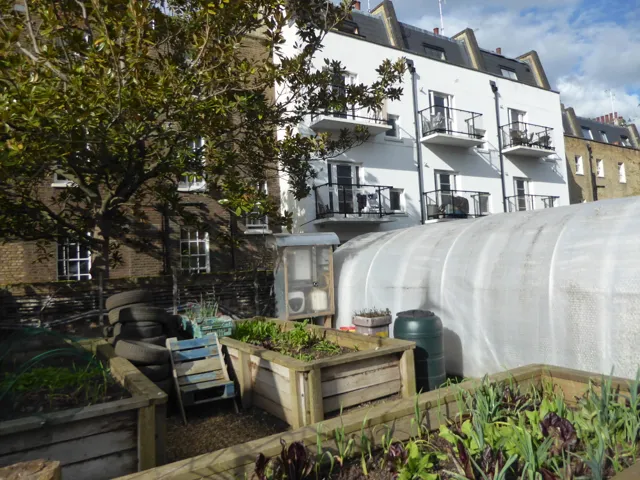
Programme nearbyFood & GardenTallinnGrow food in Tallinn community gardensShared beds, shared joy Tallinn’s 2035 green transformation links circular living with community gardens that grow local food with a minimal carbon footprint while strengthening neighbourhood ties. The city supports a network of community, learning, and rental gardens across districts; NGOs and neighbourhood societies can apply for establishment grants from the Environment and Public Works Department. What you can do - Find a garden near you via the city’s community-garden map (at least one per district). - Join Pelgu Community Garden or another plot: help maintain shared greenhouse beds and fruit shrubs. - Apply for a grant if your neighbourhood group wants to start a new kogukonnaaed. Why it matters Urban gardening turns vacant corners into food, learning, and belonging, a concrete piece of Tallinn’s green transformation.gardencommunityfood
Starter ideaFood & GardenBerlinCommunity Seed LibraryShare seeds, grow abundance together Set up a free seed exchange at your local library or community centre. Anyone can take seeds, anyone can donate. No money, no hierarchy. What you can do - Find a shelf, box, or drawer in a trusted public space and label it clearly - Invite neighbours to bring labelled envelopes of saved seeds each season - Run a monthly “planting day” where people swap stories as well as varieties Why it matters Local seed networks keep food diversity alive and turn strangers on a street into gardeners who watch out for each other's plots.foodfreecommunity
Programme nearbyFood & GardenTodmordenOpen your garden for a community harvest trailInvite neighbours to taste what you grow Incredible Edible action ideas include harvest trails: open gardens, school beds, and canal-side plots on one afternoon so people walk, taste, and swap recipes. What you can do - Browse the actions hub for trail templates and signage tips - Recruit five gardens within walking distance and publish a simple map - End with a shared table: surplus veg, chutney samples, and seed envelopes How it works Each host marks beds that are OK to pick and labels anything that needs asking first. A coordinator handles timing, accessibility, and a wet-weather plan. Why it matters Harvest trails make hidden growers visible. They turn private pride into public invitation without needing a festival budget.harvesttrailopen-garden +2
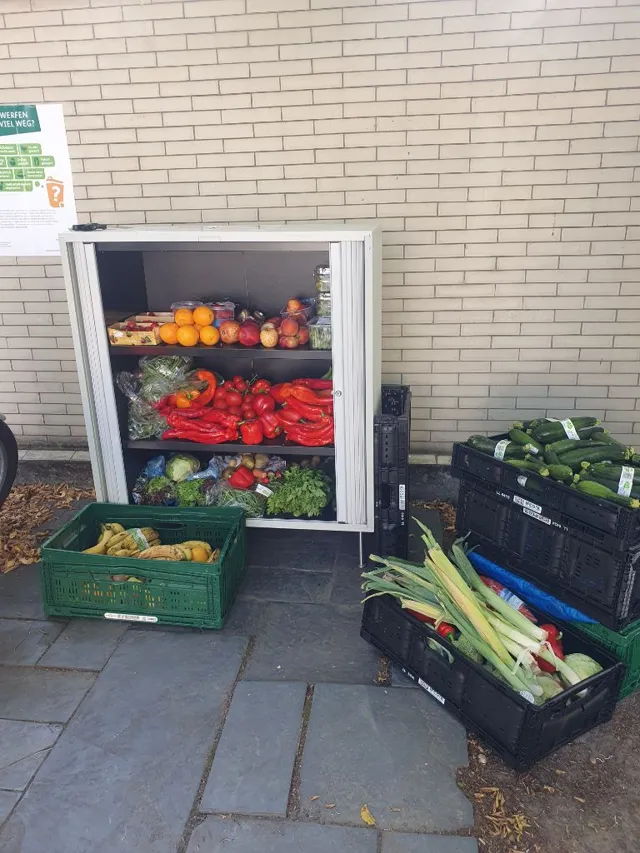
Programme nearbyFood & GardenMainzShare leftover food at the church Fairteiler in MainzShare leftover food at the church Fairteiler in Mainz Since 2023 the Ev. Auferstehungsgemeinde Mainz keeps a Fairteiler cupboard by the side entrance of the church (the Kita door). Anyone may leave or take food. The parish runs it independently of foodsharing, and still welcomes Foodsavers who use it. What you can do in Mainz - Read the Fairteiler page for what may go in the cupboard - Fill or empty the cupboard during the day. It is cleaned around 17:00 so nothing stays overnight - Ask at the parish office if you want to help with cleaning shifts How to join Fruit, veg, bread, and tins are welcome. No chilled goods. Everyone may take food, whatever their income. Kita and parish volunteers rotate the cleaning. Why it matters in Mainz A Mainz church door becomes a daily plate instead of a bin. Good to know - What may go in the cupboard? Fruit, veg, bread, and tins are welcome. No chilled goods. - When is it cleaned? Around 17:00 so nothing stays overnight. Fill only during the day.mainzfairteilerchurch +1
Programme nearbyFood & GardenFreiburgGrow food in the Wiehre forest garden in FreiburgGrow food in the Wiehre forest garden in Freiburg The Waldgarten Wiehre is a public edible forest garden from the urban gardening group of Transition Town Freiburg, listed on urbane-gaerten.de. Fruit and nut trees, berry hedges, herbs, and annual veg share all layers of the planting. Guests are invited to sniff, feel, and nibble. What you can do in Freiburg - Read the garden card and the StadtWandler profile - Join as a gardener if you want to tend the layers - Walk the Deichelweiher paths and taste what is marked as public food How to join About 1,800 m², founded 2012. The group follows permaculture: watch natural cycles, then copy them. The planting still changes as trees grow. Contact the project through the StadtWandler page. Why it matters in Freiburg Freiburg Wiehre can snack from a public forest garden instead of treating urban green as decoration only. Find more community projects in Freiburg. Good to know - How big is the garden? About 1,800 m², founded in 2012. - May guests taste food? Yes. Guests are invited to sniff, feel, and nibble what is marked as public food.freiburggardenforest +1