Sustainability initiatives in Mexico City
Find community gardens, compost programs, repair cafés, and neighborhood cleanup events in Mexico City — local environmental initiatives you can join.
In Mexico City, neighbours are already working on Community, including «Learn from zero waste municipalities across Mexico». Start something similar this week, or join an initiative already planned.
- Ideas
- 4
- Initiatives
- 1
- Participants
- 0
Mexico City on the map
Top ideas in Mexico City


Less Plastic Guide: Oaxaca coastal hotels and fisheries
Cut single-use plastic where tourism meets the Pacific On Oaxaca's Pacific coast, roughly two tonnes of plastic enter the sea daily where waste infrastructure is thin. GIZ (on behalf of the German Environment Ministry) works with municipalities, hotels, and fisheries through the Less Plastic Guide, practical alternatives to disposable products. Participating hotels cut plastic consumption by about one third; lessons feed Mexico's national circular-economy strategy. What you can do - Hoteliers and restaurants on the Oaxaca coast: request the Less Plastic Guide and audit single-use items room by room - Travellers: favour accommodations that publish plastic-reduction steps - Other coastal towns: replicate the tourism–fishery workshop model with your regional environment ministry How it works The guide lists swap-in products and awareness steps; PROCEP pilots improved separation and collection with local governments before plastic reaches rivers. Why it matters Tourism economies can shrink marine litter at the source, not only after beach clean-ups.
Keep native maize as living national heritage
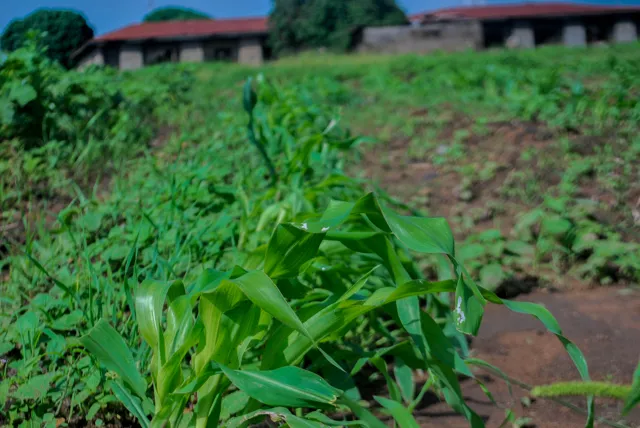
Keep native maize as living national heritage Mexicans say Sin maíz, no hay país: without maize, there is no country. In March 2025 Congress ratified a constitutional amendment that names native corn as part of national identity and bans planting genetically modified maize in Mexico. The reform builds on decades of farmer and Indigenous defence of criollo varieties that breeders and communities still rely on for tortillas, tamales, and milpa fields. Trade panels under the USMCA still allow most imported yellow corn for livestock feed. The amendment focuses on cultivation and biocultural protection at home, not a sudden end to cross-border grain. A 2021 executive goal to replace roughly 16 million tonnes of imports with homegrown maize was an ambition, not a finished programme: Mexico still imports on the order of 17 to 18 million tonnes a year. What you can do - Support a community seed bank or start a neighbourhood seed library that loans heirlooms and asks growers to return seed after harvest - Buy criollo produce and garden surplus from fair-trade channels such as Traspatio Maya when you are in Yucatán - Learn how constitutional reform frames maize as heritage (Business Standard summary, Paradigm Futures trade context) - Document and share seeds from varieties that grow well in your climate, as small farmers in Mexico have done for millennia How it works National law now elevates native maize in Articles 4 and 27 while GM planting stays prohibited. Community action sits beside policy: seed libraries keep varieties circulating, milpa plots maintain diversity, and buyers who choose criollo maize help farmers keep landraces on the field instead of only in memory. Why it matters Mexico is a centre of origin for maize. Losing a local variety weakens the global food toolbox for drought, pests, and a changing climate. Protecting living seed is builder work: culture on the plate and biodiversity in the soil at the same time.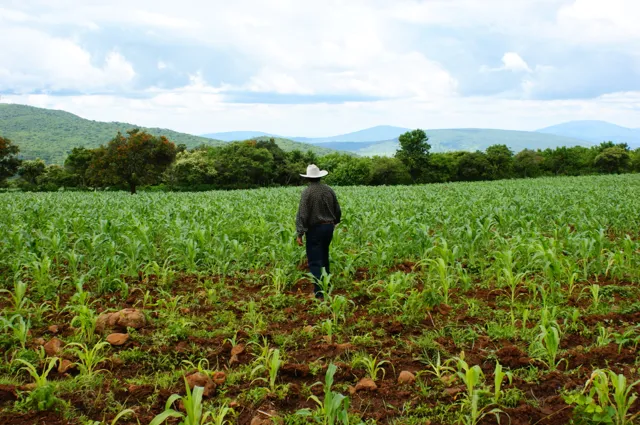
Grow milpa: maize, beans, and squash together
Grow milpa: maize, beans, and squash together The milpa is Mexico's three-sister plot: maize, beans, and squash (and often chilies) grown together so each plant supports the others. Indigenous farmers bred thousands of maize landraces adapted to altitude, rainfall, and soil. Those criollo lines are a genetic reservoir for drought, poor ground, and mountain slopes that industrial monocultures struggle with. Mexico domesticated maize from teosinte nearly 9,000 years ago. Today milpa still feeds families while keeping diversity on the field. Cross-pollination from imported grain is a practical reason communities defend native seed: once a landrace blends with engineered traits, farmers lose the right to save seed freely. What you can do - Plant a small milpa or three-sisters bed in a garden, school plot, or community field, even outside Mexico - Save seed from your strongest ears and beans each season; trade surplus with neighbours - Join or start a seed library (see the K'an-Lol pattern in Yaxunah) - Read how milpa and native maize connect culture and trade (Non-GMO Project, Chicago Council on Global Affairs) How it works Maize provides a stalk for beans to climb; squash shades the soil; beans fix nitrogen. Farmers rotate and interplant instead of betting on one patented variety. In Yucatán, nixtamalization (soaking maize in alkaline lime water) turns harvest into tortillas and daily staples. You need only a few square metres to practise the pattern and learn which varieties suit your microclimate. Why it matters Diverse milpa plots buffer harvests when weather shifts. They keep joy on the table: flavour, colour, and recipes tied to place. Builder farmers protect the world's maize heritage by growing it, not only by debating it.Initiatives in Mexico City
Less Plastic workshops: Oaxaca Pacific coast
Hotels and fisheries testing the Less Plastic Guide GIZ-backed PROCEP pilots work with Oaxaca municipalities, hotels such as Casa Losodeli, and fishing cooperatives to swap single-use plastics for durable alternatives. Join sector workshops or adopt the guide in your business along the Pacific coast. What to do - Contact the coastal protection project for workshop schedules - Audit your kitchen, rooms, and dock gear against the Less Plastic Guide checklist When & where - Ongoing programme: Puerto Escondido and coastal municipalities (approximate pin: 15.8769, -97.0733) - Recurring sector trainings; dates announced via project partners Source & repost Shared here so you can get inspired or find action already happening near you. Solarpunker does not own or organise it. Source: GIZ Story Portal · For clean coasts and healthy oceans.Nearby cities
Active categories


Nearby in the Mexico City region
Ideas and initiatives from neighbouring cities in the wider Mexico City area.