Programme nearbyRewildingFrankfurtPhotograph insects for Frankfurt biodiversity researchPhotograph insects for Frankfurt biodiversity research Frankfurt's Umweltamt supports SLInBio (Städtische Lebensstile und die Inwertsetzung von Biodiversität): researchers from Senckenberg, Goethe University, and neighbourhood partners study how everyday city life connects to insect diversity. Residents can join by uploading insect photos to the Insekten Hessen reporting portal. What you can do - Photograph bees, butterflies, or beetles in your garden, balcony, or park (no faces needed) - Upload sightings through the Insekten Hessen meldeportal - Follow project updates on insektenvielfalt-frankfurt.org and join open events when listed - Visit the Insect Embassy art installation by ISOE and HfG Offenbach to learn why urban insects matter How it works Scientists use crowd-sourced images to map distribution and population trends across Hesse. SLInBio links the data to questions about urban lifestyles, green yards, and shared stewardship with NABU Frankfurt, BioFrankfurt, and the Palmengarten. Why it matters Insects pollinate food, recycle nutrients, and signal healthy neighbourhoods. A few phone photos from many streets beat a lone expert survey.insectscitizen-sciencebiodiversity +2
Programme nearbyCommunityWarsawPoland national Deposit Return System: launching October 2025Five years of advocacy, one national system After five years of sustained advocacy by the Polish Zero Waste Association, Poland's national Deposit Return System (DRS) is launching on 1 October 2025. The system will apply to beverage containers: bottles, cans, and cartons: across all retail points. For communities and municipalities, the launch creates both infrastructure (return machines, collection logistics) and a cultural shift toward thinking of packaging as something that goes back, not into the bin. What the DRS means for residents - A deposit paid at purchase is refunded when you return the container at a registered return point - Return machines will be installed at supermarkets and retail locations across the country - Manufacturers, retailers, and the state share responsibility under Extended Producer Responsibility (EPR) How to engage - Polish residents: return your beverage containers from October 2025 at the nearest registered return point: your deposit is waiting - Retailers: follow the official DRS operator guidance on installing return machines in time for the October launch - Municipalities: contact Polish Zero Waste Association for support preparing residents for the DRS launch with education campaigns Why it matters Poland's DRS is proof that persistent, evidence-based advocacy works. After five years, the system is real. It sets a precedent for EPR policy in Poland and demonstrates the path to other advocates working on similar legislation in CEE countries.deposit-returnpackagingpolicy +2
Programme nearbyCommunityWarsawBaltic Sea coastal waste standards: building a replication model from UstkaTurning a Baltic port town's waste practices into a national template The Polish Zero Waste Association works with the gmina (municipality) of Ustka on the Baltic Sea coast, focusing on waste management standards suited to coastal environments: fishing debris, tourist-season surges, and marine plastic. The project aims to develop replicable standards for Baltic Sea coastal municipalities that other towns along the coast can adopt without having to start from scratch. What the project involves - Developing waste management standards specifically suited to coastal contexts - Collaboration with Ustka on ghost net management (see linked initiative below) - Knowledge sharing with the Pomeranian Region, which invited the Association to support circular economy models for residents - Documenting what works so that Darłowo, Kołobrzeg, Władysławowo, and other Baltic towns have a ready-made framework How to engage - Ustka and Baltic coast municipalities: contact Polish Zero Waste Association for the coastal waste standards framework - Coastal residents: support local waste sorting programmes, especially for marine debris: separate waste correctly and report illegal dump sites near the shore - Fishing communities: engage with the ghost net collection programme to ensure nets that are no longer in service enter the right waste stream Why it matters Coastal towns face waste spikes tourists never see on the map, fishing debris, ghost nets, and summer-season surges. Ustka's standards give every Baltic municipality a head start instead of reinventing the playbook port by port.coastalcircularstandards +2
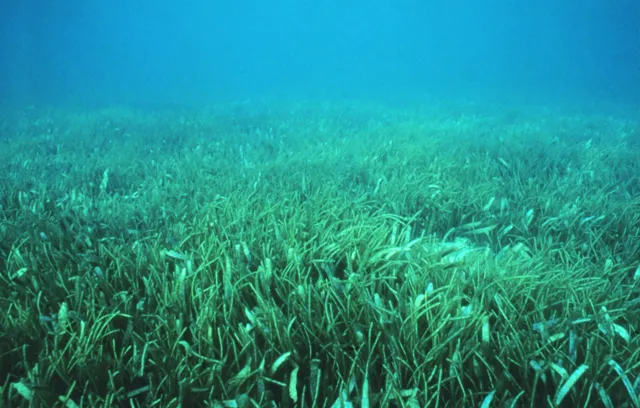
Programme nearbyRewildingBarcelonaPlant seagrass meadows with Posidonia volunteersHelp Mediterranean seagrass meadows recover Posidonia oceanica meadows shelter fish nurseries, calm waves, and store carbon along Spanish and Italian coasts. Volunteer planting and monitoring programmes invite residents to restore underwater meadows bay by bay. What you can do - Join GreenLife4Seas citizen science and restoration calls along the Catalan and Apulian coasts - Learn safe planting techniques with local diving clubs and marine biologists - Map meadow edges and report anchor damage to harbour managers How it works Teams coordinate seasonal planting windows when water is clear. Volunteers with snorkel or dive certification plant shoots in marked plots and return to photograph recovery. Why it matters Seagrass meadows are living breakwaters: they protect beaches, feed fisheries, and keep water clear for everyone who swims nearby.seagrassrestorationmediterranean +1
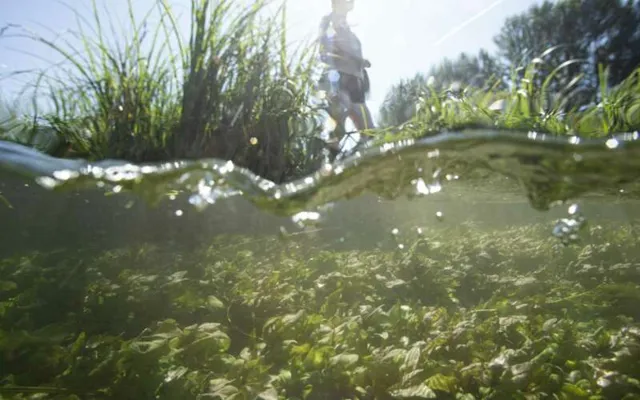
Programme nearbyRewildingLondonRestore river banks through riparian rewildingLet native plants heal your river corridor Riparian buffers slow floods, filter runoff, and give kingfishers and otters room to return. Catchment trusts across Britain pair landowners with volunteers to fence off banks and plant willow, alder, and wildflowers. What you can do - Find your local Rivers Trust project and sign up for planting days - Adopt a short stretch: remove invasive species, stake saplings, and photograph wildlife returning - Invite neighbours to a walk-and-talk along a restored reach How it works Trust officers match volunteers with farmers and councils. Teams work in wellies for a morning: mulch, plant, and label plots so future stewards know what to protect. Why it matters Healthy river edges cool cities downstream, reduce erosion, and turn muddy banks into corridors children can explore safely.riverriparianrestoration +1
Programme nearbyRewildingLondonVolunteer marine conservation dives with Ocean Conservation TrustDive for seagrass recovery in UK waters The Ocean Conservation Trust runs volunteer snorkel and dive days to restore seagrass beds in Plymouth Sound and beyond. You can survey meadows, collect seeds, and learn how underwater gardens protect coastlines. What you can do - Book a volunteer day through the Trust's volunteer hub - Train as a seagrass spotter: identify species, measure cover, and log data for scientists - Bring friends who snorkel: many tasks need eyes in the shallows, not deep certification How it works Sessions start with a shore briefing on handling plants and respecting wildlife. Teams split between seed collection, planting, and photo monitoring. Why it matters UK seagrass beds are among the fastest ways to lock carbon in coastal mud while bringing fish back to harbours people love.marineconservationvolunteer +1
Programme nearbyRewildingAmsterdamRestore coastal dunes through native plant communitiesRebuild dunes with marram grass and neighbours Dutch and Belgian coasts rely on living dunes as storm buffers. Natura 2000 Award heroes show how residents transplant marram grass, close illegal paths, and keep dunes breathing. What you can do - Browse Meet the Natura 2000 heroes for coastal dune projects near you - Join municipal dune planting days along the Hollandse Duinen and Zuid-Kennemerland coast - Follow marked boardwalks and help redirect walkers away from fragile slopes How it works Rangers mark zones where foot traffic compacted sand. Volunteers plant plugs, install rope fences, and monitor sand buildup after winter storms. Why it matters Thick dunes shelter villages, recharge groundwater, and host orchids and rabbits that make beach walks feel wild again.dunescoastalnative +1
Programme nearbyRewildingAmsterdamJoin a wetland restoration brigade in your river deltaRewild peat and reedbeds in the delta ARK Rewilding Netherlands works with farmers and volunteers to reopen river channels, graze wetlands lightly, and bring bitterns and spoonbills back to the Rhine–Meuse delta. What you can do - Sign up for ARK volunteer days: removing drains, planting reeds, or building bird hides - Visit rewilding demonstration farms and ask how grazing herds shape wet meadows - Map ditches on your polder walk and share photos with local water boards How it works Brigades work in waders on weekends. Ecologists show which sections can flood safely and which paths stay open for cyclists. Why it matters Wet deltas store floodwater, filter farm runoff, and give city dwellers a weekend marsh full of sound and colour.wetlanddeltabirds +1
Programme nearbyRewildingRomeMonitor seagrass health as a citizen scientistSnorkel for science along Italian coasts GreenLife4Seas trains residents to photograph seagrass cover, note anchor scars, and upload observations from coves near Rome and Naples. What you can do - Register for citizen science modules on the GreenLife4Seas portal - Adopt a cove: monthly photos from the same GPS point build a public meadow timeline - Host a shoreline talk so fishers and swimmers learn why mooring buoys matter How it works You receive a simple field card: depth, clarity, meadow edge, and boat traffic. Uploads feed maps that harbour masters use to move anchoring zones. Why it matters When residents measure meadows, protection stops being abstract: everyone sees regrowth after a single summer of care.citizen scienceseagrassmonitoring +1
Programme nearbyRewildingRomeMap and protect Posidonia meadows in Italian coastal watersChart underwater meadows before anchors erase them Italian harbour councils and diving clubs map Posidonia oceanica beds so mooring zones move away from living meadows. Volunteers with masks and GPS buoys make the invisible visible for planners. What you can do - Join mapping weekends promoted via GreenLife4Seas partner harbours - Ask your marina to install eco-moorings and share meadow maps with visiting sailors - Label swimming zones so summer crowds avoid shallow shoots How it works Teams swim transects with floats and underwater cameras. Data layers land on open maps that yacht clubs and councils negotiate each season. Why it matters One mapped meadow can redirect hundreds of anchors: a small volunteer effort saves decades of slow plant growth.posidoniameadowmarine +1
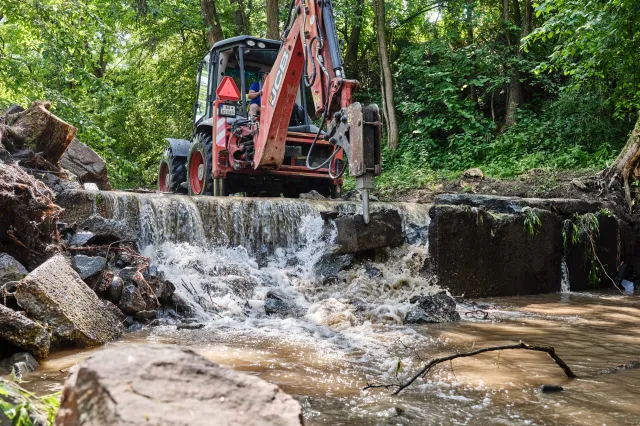
Programme nearbyRewildingBrusselsRewild river corridors by removing fish passage barriersFree rivers so fish can roam again Dam Removal Europe connects communities tearing down obsolete weirs and culverts so eels, trout, and lamprey reach headwaters across the continent. What you can do - Explore the Dam Removal Europe map and advocate for a barrier near you - Read the Slovakia barrier removal guide for a step-by-step community playbook - Join local river trusts on barrier surveys: photograph choke points and share them with councils How it works Engineers and ecologists score barriers by impact and cost. Volunteer testimony about lost fishing and flooding speeds permits and funding. Why it matters Open rivers knit landscapes together: fish return, sediment moves naturally, and kids discover pools that were blocked for generations.dam removalriverfish +1
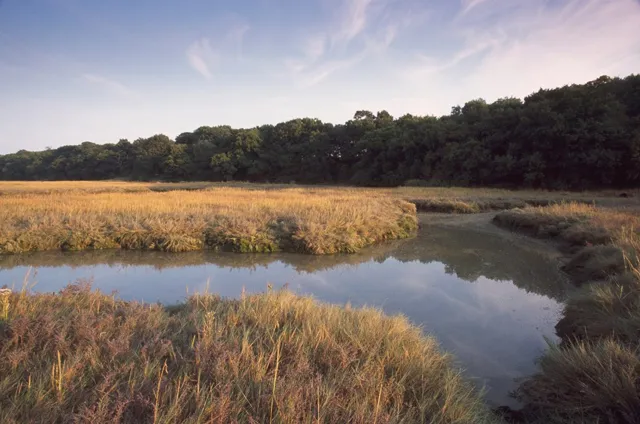
Programme nearbyRewildingLondonRestore saltmarsh and estuary habitat for carbon and birdsLet dredged sediment rebuild Stour Estuary saltmarsh A new partnership at RSPB Stour Estuary repurposes harbour dredging to restore 76 hectares of eroded saltmarsh, sheltering waders and locking carbon in muddy fringes. What you can do - Follow the Stour Estuary saltmarsh project and join guided walks when volunteer days open - Photograph high-tide lines and share them with local flood forums - Ask your harbour authority whether dredged sediment could rebuild marsh near you How it works Harwich Haven Authority deposits maintenance sediment on eroded marsh. Cordgrass returns, creeks refill, and bird counts track recovery each season. Why it matters Saltmarshes are soft defences: they absorb storm energy while feeding migratory flocks people travel to see.saltmarshestuarybirds +1
Programme nearbyRewildingBarcelonaVolunteer for Mediterranean marine reserve managementSteward MPAs from Barcelona to Sicily MedPAN links volunteers with Mediterranean protected areas: patrol support, visitor education, and habitat monitoring on islands like Ustica and in Catalan coves. What you can do - Browse MedPAN member reserves near you and ask about volunteer roles - Lead snorkel briefings that teach respectful wildlife watching - Help translate visitor guides so local fishers and tourists share the same rules How it works Reserves train stewards on seasonal tasks: nesting season rope lines, invasive species pulls, and underwater photo transects. Why it matters Protected coves recover fast when residents feel ownership: compliance rises and fish spill over into neighbouring waters.marine reservemediterraneanvolunteer +1
Programme nearbyCommunityLondonJoin a Plastic Free Community with Surfers Against SewageMake your town a Plastic Free Community Surfers Against Sewage helps neighbourhoods cut single-use plastic: business pledges, school assemblies, and refill maps that residents can actually use. What you can do - Start or join a Plastic Free Community near you - Recruit cafés and grocers to swap dispensers and accept reusable cups - Host a joyful street festival that celebrates local shops already plastic free How it works Community leaders complete simple milestones: businesses, schools, and events. SAS provides toolkits; you bring neighbours and celebrate wins publicly. Why it matters Plastic cuts work when they are social: visible badges on shop doors remind everyone the high street chose reuse together.plastic freebeachcommunity +1
Programme nearbyCommunityLondonOrganise a beach and river litter survey in your areaTurn beach cleans into evidence Surfers Against Sewage beach cleans ask volunteers to record what they find. Brands and councils listen when residents bring sorted data, not just full bags. What you can do - Find a beach clean near you or register your own - Sort litter into categories on the shore and log items in the SAS app - Invite river groups upstream so plastic is traced to its source How it works Organisers receive tally sheets and bags. One hour of cleaning plus ten minutes of sorting creates open data policymakers cannot ignore. Why it matters Joyful crowds on the sand plus hard numbers push companies to redesign packaging and councils to fix storm overflows.beach cleanlittersurvey +1
Programme nearbyCommunityLondonConnect classrooms to the ocean with Ocean Conservation TrustBring ocean literacy into local schools The Ocean Conservation Trust runs assemblies, rockpool sessions, and teacher packs so children in Plymouth and partner cities meet the sea as neighbours, not screensavers. What you can do - Book an education visit or download free lesson plans for your school - Volunteer as a parent helper on shore walks and tank talks - Link classes with local harbour groups restoring seagrass nearby How it works Educators bring touch tanks, stories, and simple experiments. Schools continue projects term to term: litter audits, art, and snorkel club sign-ups. Why it matters Kids who know their bay protect it as adults: ocean care starts with muddy boots, not guilt slides.educationoceanschools +1
Programme nearbyRewildingCopenhagenGraze and care for Amager Faelled, CopenhagenGraze and care for Amager Faelled, Copenhagen Kobenhavns Kograesserlaug invites members to graze care and nature stewardship on Amager Faelled. Join the public care pathway even when meat shares waitlist. What you can do - Open kkgl.dk - Ask about membership and care days - Join nature care even if meat shares are full How it works Member nature care plus grazing. Confirm current join steps on the site. Why it matters Copenhagen keeps a wild meadow under neighbour care, not only under fences.copenhagengrazingnature +1
Programme nearbyRewildingStockholmVolunteer a day with NSF in StockholmVolunteer a day with NSF in Stockholm Stockholms Naturskyddsforening lists volunteer-for-a-day nature tasks. Pick a published day and help local habitat care. What you can do - Open the volontar-for-en-dag list - Sign up for a published day - Bring outdoor clothes suited to the task How it works Tasks are event-based across Stockholm. Follow each listing for meeting points. Why it matters Stockholm neighbours can give one day to wild places without a long membership first.stockholmvolunteernature +1
Programme nearbyRewildingOsloClean Alna river park litter in OsloClean Alna river park litter in Oslo Naturvernforbundet invites an open drop-in litter cleanup in Svartdalsparken by the Alna river. Bring gloves and join the crew. What you can do - Read the cleanup event page - Meet near Arnljot Gellines vei 41 B as listed - Bring gloves; bags are often provided How it works Open drop-in on 21 Sep 2026. Confirm whether a follow-up date appears. Why it matters Oslo river parks stay wilder when neighbours clear litter together.oslocleanupriver +1
Programme nearbyRewildingHelsinkiJoin invasive-species talkoot in HelsinkiJoin invasive-species talkoot in Helsinki Helsinki supports talkoot against invasive plants in city green areas. Sign up through the volunteer portal and join a work day. What you can do - Open the invasive species volunteer page - Pick a listed talkoot date - Wear gloves and sturdy shoes How it works City-supported work days. Meeting points vary by green area; follow each listing. Why it matters Helsinki neighbours defend local plants with shared hands, not only bylaws.helsinkiinvasivetalkoot +1
Programme nearbyRewildingRigaCare for Sporta Pils wild meadows, RigaCare for Sporta Pils wild meadows, Riga Sporta Pils Gardens keep biodiversity meadows on a central brownfield. Ask how to help meadow care beyond allotment plots. What you can do - Browse sportapilsdarzi.lv - Ask about meadow or biodiversity workdays - Visit the gardens and offer habitat help How it works Meadow care sits beside allotments. Confirm volunteer slots with the organiser. Why it matters Riga grows wild flowers where concrete once waited.rigameadowbiodiversity +1
Programme nearbyRewildingVilniusSteward Antakalnis garden wildlife, VilniusSteward Antakalnis garden wildlife, Vilnius Miesto laboratorija stewards outdoor solutions: insect hotels, compost, and rainwater. Help habitat care in the Antakalnis yard. What you can do - Read tvarus sprendimai lauke - Ask about insect hotel or compost workdays - Visit Antakalnio g. 17-13 when a public slot is open How it works Habitat tasks sit in the same yard as the educational garden. Confirm open hours. Why it matters Vilnius keeps insects and rainwater in a yard neighbours can tend.vilniushabitatinsects +1
Programme nearbyRewildingPragueCare for Troja garden nature in PragueCare for Troja garden nature in Prague Komunitni zahrada Troja mixes community garden beds with nature contact. Help keep the Troja yard a habitat as well as a harvest. What you can do - Read o-nas - Ask about nature-care or habitat tasks - Visit Na Farkach 124 when members welcome guests How it works Community garden with nature focus. Confirm guest hours with the club. Why it matters Prague Troja keeps soil and wild edges in one neighbour yard.praguegardennature +1
Programme nearbyRewildingBernJoin Stadtgrun Bern urban nature careJoin Stadtgrun Bern urban nature care Stadtgrun Bern stewards municipal urban gardens and nature. Ask how residents can join urban nature care. What you can do - Read the Gartennetz Bern partner page - Ask Stadtgrun about volunteer or garden pathways - Visit Ostermundigenstrasse 116 when a public slot is listed How it works Municipal urban gardens. Confirm volunteer entry with Stadtgrun staff. Why it matters Bern keeps city nature under hands that also grow vegetables.bernurbannature +1