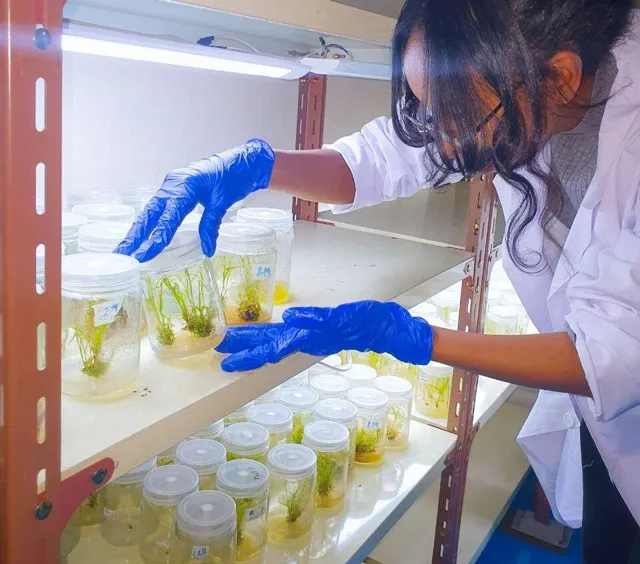
Programme nearbyFood & GardenAddis AbabaThur Biotech microbial biofertilisersReplace chemical inputs and rebuild degraded soil Thur Biotech (Addis Ababa, Ethiopia) manufactures microbial biofertilisers that replace chemical inputs, rebuild degraded soil, and boost farmer incomes. What you can do - Source biofertiliser products for your farm or cooperative plot - Run side-by-side trials with neighbours to compare soil health and input costs - Share results with local agricultural extension groups How to participate - Follow product and distribution updates on the Thur Biotech portfolio page Why it matters Soil is infrastructure. Microbial inputs that cut chemicals while raising yields give smallholders a dignified path off dependency on expensive synthetics.biofertilisersoilfarmers +2
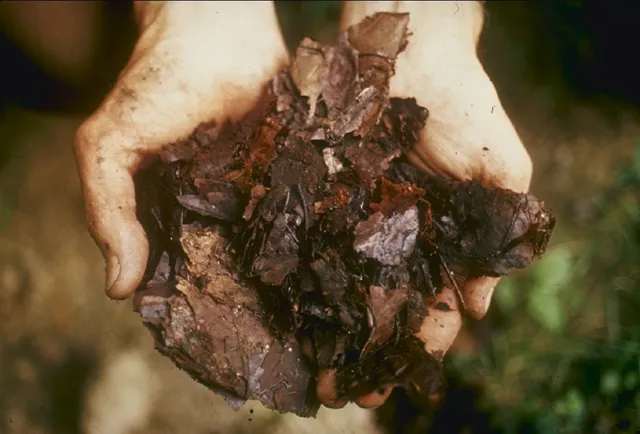
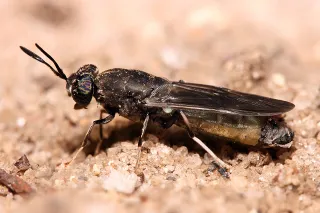
Programme nearbyFood & GardenTori-BossitoTurn organic waste into Maggot-Compost with soldier fliesTurn organic waste into Maggot-Compost with soldier flies In Tori-Bossito, southern Benin, the cooperative Agro-Eco Services turns animal waste and agro-industrial leftovers into Maggot-Compost. Black soldier fly larvae cut a process that can take months down to about 12 days, then the team blends the result with biochar from agricultural waste. Farmers get a nutrient-rich organic fertiliser that feeds soil life without chemical burn. What you can do - Buy or trial Maggot-Compost if you farm or garden in Benin or neighbouring countries (Agro-Eco Services) - Visit the production site in Tori-Bossito to see larvae, biochar, and bagging in one loop - Adapt the pattern: collect local organic waste, partner with a youth coop, and sell compost instead of burning residues - Read how the model scaled from a Master's research project into a regional supplier (discovery: Africa Eye) How it works Larvae rapidly break down organic matter. After harvest, the residue is mixed with biochar and sold as Maggot-Compost to market gardeners, development partners, and research projects. The coop reports serving over 2,500 clients across Benin and neighbouring countries. Contact them via the website to purchase or partner; do not treat this page as a booking form. Why it matters More than a third of farmland in Benin faces degradation. Closing the waste-to-fertility loop keeps nutrients local, cuts dependence on expensive chemical inputs, and gives young agronomists a builder pathway that restores soil.compostinsectsbiochar +2
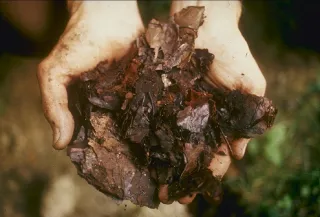
Programme nearbyFood & GardenPorto-NovoMake organo-mineral fertilizer from agricultural wasteMake organo-mineral fertilizer from agricultural waste The Islamic Organization for Food Security (IOFS) has trained Beninese actors in Porto-Novo to convert agricultural waste into organo-mineral fertilisers. The pattern answers two pressures at once: degraded soils and the high cost of imported chemical fertiliser. Skills focus on fertility and soil health without leaning on synthetic molecules alone. What you can do - Study the IOFS capacity-building approach and run a local workshop that maps farm residues to compost recipes - Partner with agricultural training centres or producer associations to host hands-on fertiliser making - Share the Porto-Novo pattern with municipal agri-extension teams looking for low-cost soil recovery - Follow IOFS food-security programmes for future regional trainings (IOFS news) How it works Trainers walk participants through converting crop and processing waste into organo-mineral blends that rebuild organic matter. The September 2024 Porto-Novo sessions are past; treat them as a replicable curriculum, not a live registration link. Organisers and ministries can invite similar modules through IOFS channels. Why it matters When fertiliser prices spike, yields fall and soils thin further. Teaching communities to feed fields from their own residues builds resilience that survives the next price shock.composttrainingsoil +2
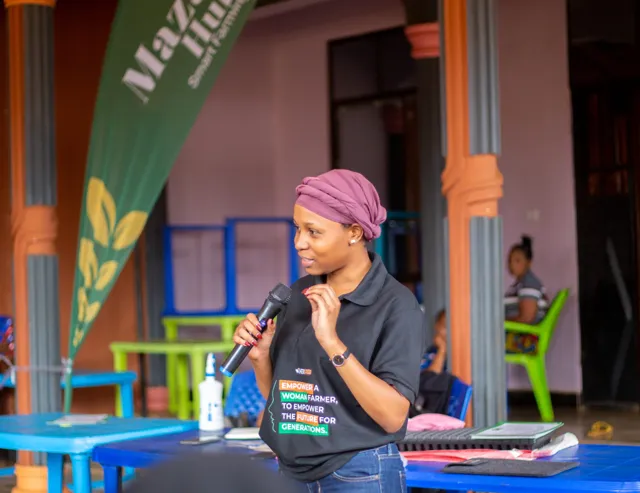
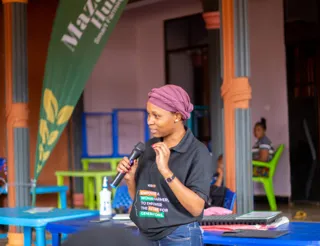
Programme nearbyFood & GardenDar es SalaamMazaoHub AI soil testing for smallholdersPersonal agronomic advice at field scale MazaoHub (Dar es Salaam, Tanzania) combines AI-powered soil testing with personal agronomic advice. Impacc reports 54,000 smallholder farmers already using the service, with average yield gains of 150% per hectare. The goal is resilient agriculture for Tanzania, and eventually across Africa. What you can do - Enrol as a smallholder farmer to access soil testing and tailored crop guidance - Host a farmer field day demonstrating how data-led advice reduces guesswork on fertiliser and planting - Adapt the model: mobile soil labs plus agronomists who speak the language of local plots How to participate - Follow enrolment and service-area updates on the MazaoHub portfolio page Why it matters Food sovereignty starts in the soil. Affordable testing plus human advice turns marginal farms into reliable community food sources.agriculturesoilAI +2
Programme nearbyRepair & ReuseKielMatch excavated soil through the BodenbörseKeep soil in the economic loop Construction and road works generate large volumes of excavated soil. Kiel’s Bodenbörse connects builders, planners, and disposal firms so fill finds a nearby site instead of long hauls to distant deposits. What changed locally - Launched inside city administration in 2023; opened to third parties in 2024. - By end of 2025 roughly 6,600 tonnes of soil and boulders were successfully matched. Who can use it Developers, planning offices, civil-engineering firms, and waste carriers with surplus or demand, contact via the Zero Waste programme pages. Why it matters Matching soil locally cuts long truck hauls and keeps excavation material useful on nearby sites.constructioncircularsoil