Programme nearbyCommunityFrankfurtJoin Frankfurt's water-saving pledge, one habit at a timeJoin Frankfurt's water-saving pledge, one habit at a time The city's "Frankfurt spart Wasser!" campaign, now running its fourth-plus warm season, asks residents to treat drinking water as the precious resource it is as heat and drought periods stretch longer. Posters, tram wraps, and postcards carry pledges like "Ich dreh ab", "Ich spar's mir", and "Ich fang dich auf": turn it off, skip it, catch it. What you can do - Shower instead of bathing: five minutes under the shower uses roughly a third of a full bath (about 50 versus 150 litres), and a water-saving showerhead or flow restrictor cuts it further - Turn off the tap while brushing your teeth or lathering up: saving hot water saves energy too - Run washing machines and dishwashers only when full, on eco programmes, and look for water-efficient models when buying new - Water the garden or balcony pots in the morning or evening, collect rainwater in a barrel, and choose drought-tolerant plants How it works The city renews the campaign each warm season with posters on Litfaßsäulen, tram and digital ads, U-Bahn messaging, and postcards stocked at neighbourhood libraries, restaurants, and cafés. It is part of Frankfurt's municipal water concept for securing long-term supply, and even children get a turn, with a button-making station at the GrünGürtel-Tier's birthday festival. Why it matters Longer heat and dry spells are lowering groundwater levels in and around Frankfurt. None of these habits cost much, but multiplied across a city they ease pressure on a resource everyone assumes will keep flowing from the tap.waterdroughthousehold +1
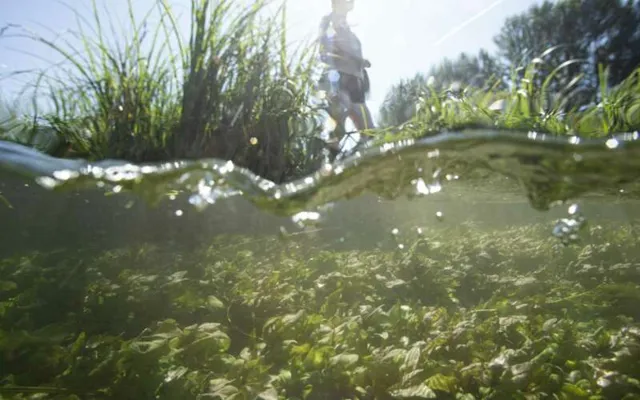
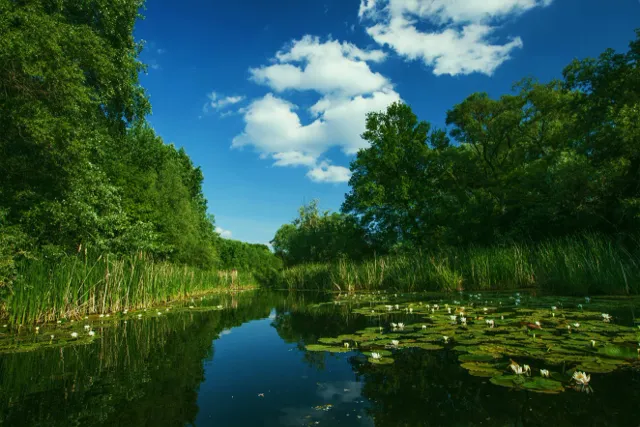
Programme nearbyRewildingLondonRestore river banks through riparian rewildingLet native plants heal your river corridor Riparian buffers slow floods, filter runoff, and give kingfishers and otters room to return. Catchment trusts across Britain pair landowners with volunteers to fence off banks and plant willow, alder, and wildflowers. What you can do - Find your local Rivers Trust project and sign up for planting days - Adopt a short stretch: remove invasive species, stake saplings, and photograph wildlife returning - Invite neighbours to a walk-and-talk along a restored reach How it works Trust officers match volunteers with farmers and councils. Teams work in wellies for a morning: mulch, plant, and label plots so future stewards know what to protect. Why it matters Healthy river edges cool cities downstream, reduce erosion, and turn muddy banks into corridors children can explore safely.riverriparianrestoration +1
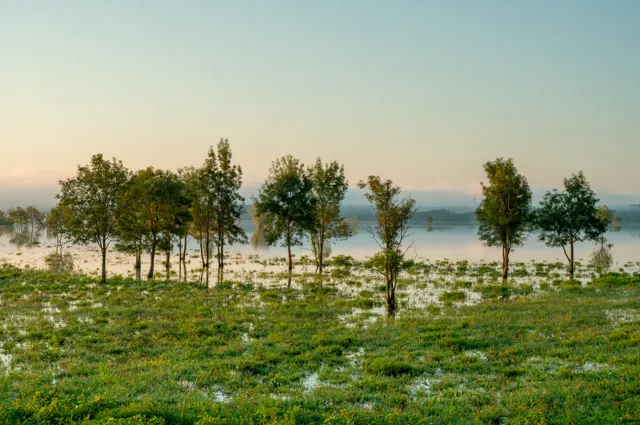
Programme nearbyRewildingAmsterdamJoin a wetland restoration brigade in your river deltaRewild peat and reedbeds in the delta ARK Rewilding Netherlands works with farmers and volunteers to reopen river channels, graze wetlands lightly, and bring bitterns and spoonbills back to the Rhine–Meuse delta. What you can do - Sign up for ARK volunteer days: removing drains, planting reeds, or building bird hides - Visit rewilding demonstration farms and ask how grazing herds shape wet meadows - Map ditches on your polder walk and share photos with local water boards How it works Brigades work in waders on weekends. Ecologists show which sections can flood safely and which paths stay open for cyclists. Why it matters Wet deltas store floodwater, filter farm runoff, and give city dwellers a weekend marsh full of sound and colour.wetlanddeltabirds +1
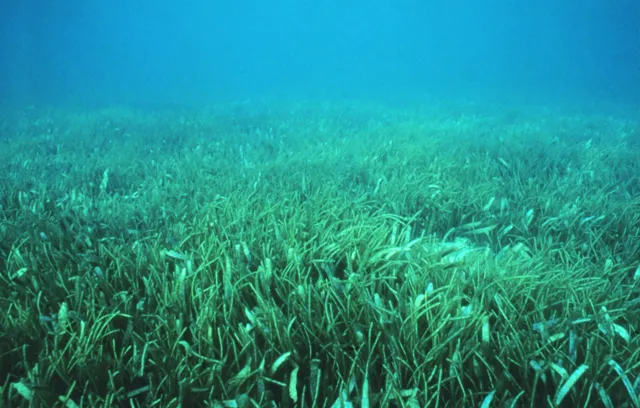
Programme nearbyRewildingRomeMonitor seagrass health as a citizen scientistSnorkel for science along Italian coasts GreenLife4Seas trains residents to photograph seagrass cover, note anchor scars, and upload observations from coves near Rome and Naples. What you can do - Register for citizen science modules on the GreenLife4Seas portal - Adopt a cove: monthly photos from the same GPS point build a public meadow timeline - Host a shoreline talk so fishers and swimmers learn why mooring buoys matter How it works You receive a simple field card: depth, clarity, meadow edge, and boat traffic. Uploads feed maps that harbour masters use to move anchoring zones. Why it matters When residents measure meadows, protection stops being abstract: everyone sees regrowth after a single summer of care.citizen scienceseagrassmonitoring +1
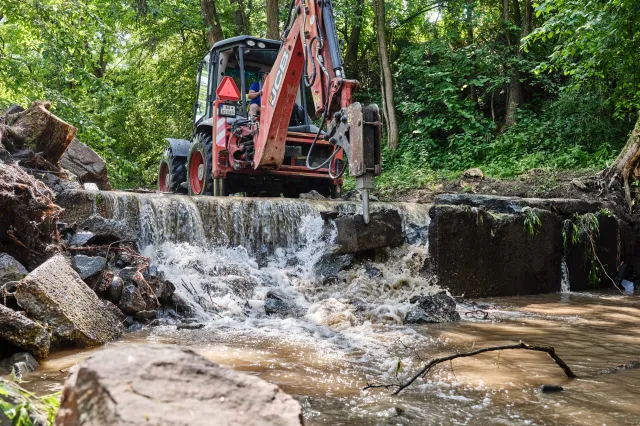
Programme nearbyRewildingBrusselsRewild river corridors by removing fish passage barriersFree rivers so fish can roam again Dam Removal Europe connects communities tearing down obsolete weirs and culverts so eels, trout, and lamprey reach headwaters across the continent. What you can do - Explore the Dam Removal Europe map and advocate for a barrier near you - Read the Slovakia barrier removal guide for a step-by-step community playbook - Join local river trusts on barrier surveys: photograph choke points and share them with councils How it works Engineers and ecologists score barriers by impact and cost. Volunteer testimony about lost fishing and flooding speeds permits and funding. Why it matters Open rivers knit landscapes together: fish return, sediment moves naturally, and kids discover pools that were blocked for generations.dam removalriverfish +1
Programme nearbyCommunityLondonJoin a Plastic Free Community with Surfers Against SewageMake your town a Plastic Free Community Surfers Against Sewage helps neighbourhoods cut single-use plastic: business pledges, school assemblies, and refill maps that residents can actually use. What you can do - Start or join a Plastic Free Community near you - Recruit cafés and grocers to swap dispensers and accept reusable cups - Host a joyful street festival that celebrates local shops already plastic free How it works Community leaders complete simple milestones: businesses, schools, and events. SAS provides toolkits; you bring neighbours and celebrate wins publicly. Why it matters Plastic cuts work when they are social: visible badges on shop doors remind everyone the high street chose reuse together.plastic freebeachcommunity +1
Programme nearbyCommunityLondonTest your local river water quality with FreshWater WatchSample your river and share the data FreshWater Watch trains residents to measure nitrate, turbidity, and algae in local streams. Your readings join a global map scientists and councils use. What you can do - Sign up at FreshWater Watch and request a simple test kit - Pick a bridge or footpath you walk weekly and sample at the same spot - Upload photos of wildlife and pollution hotspots with your readings How it works Short training videos show safe sampling. You enter results on the app; project scientists flag unusual spikes to local water managers. Why it matters When neighbours measure water, cleanup stops being invisible: communities spot sewage spills and celebrate when clarity returns.freshwaterwater qualitycitizen science +1
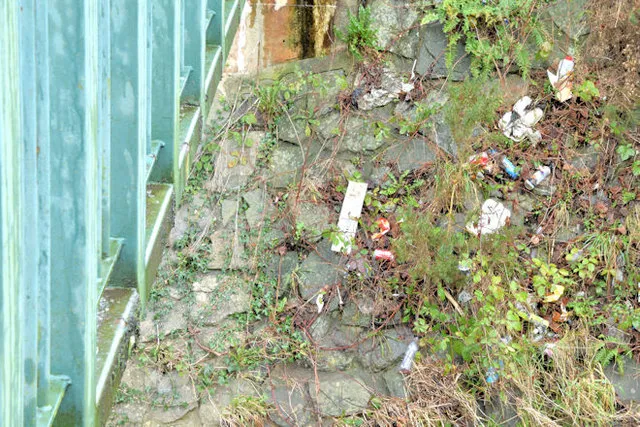
Programme nearbyCommunityLondonOrganise a beach and river litter survey in your areaTurn beach cleans into evidence Surfers Against Sewage beach cleans ask volunteers to record what they find. Brands and councils listen when residents bring sorted data, not just full bags. What you can do - Find a beach clean near you or register your own - Sort litter into categories on the shore and log items in the SAS app - Invite river groups upstream so plastic is traced to its source How it works Organisers receive tally sheets and bags. One hour of cleaning plus ten minutes of sorting creates open data policymakers cannot ignore. Why it matters Joyful crowds on the sand plus hard numbers push companies to redesign packaging and councils to fix storm overflows.beach cleanlittersurvey +1
Programme nearbyCommunityLondonAdvocate for clean waterways through Surfers Against Sewage River ActionSpeak up for rivers that should be swimmable SAS River Action helps residents challenge sewage pollution: petitions, sample requests, and media toolkits that turn anger into organised pressure. What you can do - Join River Action campaigns targeting your catchment - Request water company monitoring data and share results at parish meetings - Pair advocacy with FreshWater Watch sampling so stories have numbers behind them How it works Campaign coaches help you set goals: legal letters, councillor questions, or community monitoring. Wins get celebrated publicly to recruit more neighbours. Why it matters Rivers belong to everyone who walks their banks: organised voices restore trust and funding for real infrastructure fixes.riveradvocacywater quality +1
Programme nearbyCommunityLondonRun a freshwater literacy workshop in your neighbourhoodHost a river evening for your block FreshWater Watch materials help any community group run a freshwater evening: where your tap water comes from, what lives in the brook, and how to sample safely. What you can do - Download workshop guides from FreshWater Watch - Invite a local angler, birder, or councillor to share stories of the catchment - End with a pledge: adopt a storm drain, plant a buffer strip, or schedule monthly tests How it works You need a hall or pub back room, a projector, and one trained sampler. Neighbours leave with a map of their sub-catchment and a date for the first test day. Why it matters Freshwater literacy turns abstract SDG talk into names of streams people can walk to after dinner.freshwaterworkshopliteracy +1
Programme nearbyRewildingZagrebVisit and volunteer at Lonjsko Polje floodplainWalk Europe's great Sava floodplain Lonjsko Polje Nature Park joined the European Rewilding Network as a Wilder Parks frontrunner. More than 50,000 hectares of alluvial forest, pasture, and villages along the Sava still flood with the river. Visitors cycle stork villages; gardeners can join the park's traditional gardener volunteer programme. What you can do - Start at visitor centres in Čigoč or Krapje for maps, bike hire, and guided floodplain walks (park site) - Apply for the Tradicijski vrtlar volunteer programme when spring calls open - Read why the park joined the network on Rewilding Europe How it works Park staff reconnect oxbows, expand natural grazing, and host visitors who learn floodplain culture without inventing a new landscape. Volunteers tend traditional courtyard gardens during multi-day spring sessions with board provided. Why it matters Floodplains that still breathe with the river protect villages downstream and keep storks, eagles, and pasture herds in one living system.Lonjsko Poljefloodplainvolunteer +2
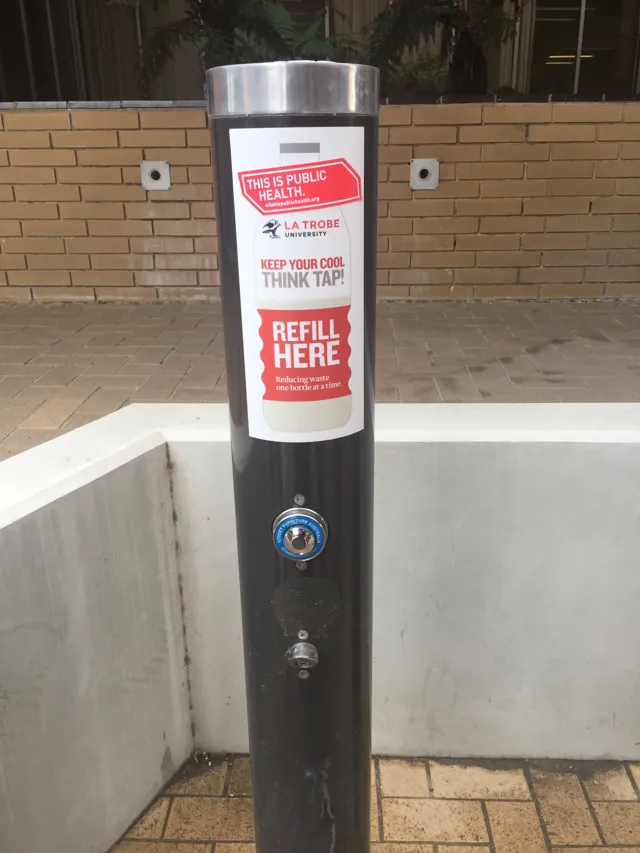
Programme nearbyCommunityBelgradePublic drinking fountains as urban water commonsBlue dots on the city map: free water and heat resilience Across Serbia, javne česme (public fountains) are reopening each spring, heritage infrastructure that doubles as climate adaptation. Refill stations cut single-use plastic, offer free hydration during heat waves, and anchor neighbourhood gathering spots when maintained and tested. What you can do - Residents: locate your nearest public fountain, carry a reusable bottle, and report broken taps to the local utility or health institute - Neighbourhood groups: map fountains in your district and advocate for repairs, signage, and water-quality transparency - Municipalities: treat fountains as public-health infrastructure, regular testing, winter maintenance, and new installations in heat-exposed zones How it works Most urban fountains connect to municipal water networks; Belgrade also lists dozens of spring-fed fountains monitored by the city public-health institute. Quality data should be published before peak summer use. Why it matters Accessible water is a solarpunk baseline: low-tech, shared, and life-sustaining. Every working fountain is a small act of care for the whole neighbourhood.waterfountainsheat +2
Programme nearbyRewildingGlastonburyLay wild stepping stones on the Somerset LevelsLay wild stepping stones on the Somerset Levels Somerset Wildlands is rebuilding fragments of the old wetland mosaic: about 160 acres across five sites near Glastonbury and Athelney, managed as little as possible so nature can lead. Sites are meant to stay open and quiet, not theme-park reserves (no car parks or visitor centres). What you can do - Explore the land list and map on Our land (Athelney, Whites Drove, Godney Marshes East Waste and Waste Drove, Clark Fields) - Sponsor a 10×10 m plot at Athelney or Clark Fields via Sponsor land (from £30 a year) and follow habitat updates - Become a member through Support us for guided walks, surveys, talks, and first access to volunteer days - If you steward Levels land yourself, ask about the affiliated landowner network via the contact page How it works Each stepping stone is hands-off by design. Membership funds purchase and quiet stewardship; citizen-science and practical days (including invasive removal) start with members. Plot sponsorship pairs you with a named habitat zone as the site recovers. Why it matters The Levels once held beavers, wild wetlands, and mythic marshes. Linked wild pockets help wildlife move again and give neighbours a way to fund recovery without turning every acre into a destination.rewildingwetlandlevels +2
Programme nearbyCommunityAccraWASHKING bio-digester toilets for slumsPay-per-use sanitation that becomes fertiliser WASHKING (Accra, Ghana) builds bio-digester toilets for dense neighbourhoods, reducing faecal waste by 90% and converting it into fertiliser. A pay-per-use model keeps toilets affordable while protecting dignity, safety, and hygiene. Impacc lists support for WASHKING as completed, treat this as a replicable pattern, not a live Impacc grant. What you can do - Study how pay-per-use sanitation funds maintenance without large upfront household costs - Partner with local cooperatives to adapt bio-digester designs to your settlement's layout - Connect fertiliser outputs to urban gardens or peri-urban farms How to participate - Visit WASHKING's portfolio page for programme history and contact paths Why it matters Sanitation is mutual aid infrastructure. When waste loops close into soil nutrients, communities gain health and food sovereignty together.WASHsanitationGhana +2
Programme nearbyCommunityKampalaMakapads biodegradable sanitary padsPapyrus-based pads that keep girls in school Makapads (Kampala, Uganda) makes biodegradable sanitary pads from papyrus, addressing a barrier where commercial pads are expensive and clog sanitation systems. Many girls miss school during menstruation; affordable local production changes that calculus. Impacc lists support as completed. What you can do - Source Makapads for schools, clubs, or mutual-aid distribution drives - Learn small-scale fibre processing from Makapads' public materials - Advocate for pad access alongside functioning toilets in every school you support How to participate - See the Makapads portfolio page for product history and contacts Why it matters Period dignity is education infrastructure. Local, biodegradable production keeps girls learning while respecting watersheds.sanitary-padseducationUganda +2
Programme nearbyRewildingEssenJoin NABU Ruhr biotope work days in EssenJoin NABU Ruhr biotope work days in Essen NABU Regionalverband Ruhr invites neighbours to practical nature care on its Essen sites: wet meadows, water margins, and the Haarzopf and Oefte fields. This is meadow and shoreline tending, not an Emscher unsealing crew. What you can do - Book a Saturday work morning via Arbeitseinsätze Essen - Help cut, rake, and keep wet meadows and water edges open for plants and amphibians - Ask the practical-nature group for the current Lageplan and meeting point How it works Work mornings usually run on Saturday from 09:00 to about 11:00 or 12:00. Register by phone (0201 7100699) or email ag-naturschutz(at)nabu-ruhr.de. Solarpunker does not run the days: the NABU group sets tools, wet-weather plans, and which field you visit. Why it matters A few hours on a wet meadow keeps Ruhr habitats mosaic-rich so frogs, flowers, and people can share the same edges.volunteermeadowwetland +1
Programme nearbyRewildingBratislavaRestore Danube floodplains with BROZReconnect side channels where the river still remembers Conservation association BROZ joined the European Rewilding Network with its Rewilding Rivers and Danube Floodplains work. Nearly thirty years of wetland repair have restored about 1,200 hectares of wetlands, more than 30 kilometres of side channels, and 1,500 hectares of grazing land in south-west Slovakia. What you can do - Follow project updates and public events on broz.sk - Visit accessible Dunajské luhy floodplain areas near Bratislava with care for nesting seasons - Offer skills (monitoring, community outreach, natural grazing) when BROZ lists volunteer or partner calls How it works Teams reopen side arms, revive meadows with grazing, and work with municipalities so flood peaks have room again. ERN membership links Slovak practitioners with river rewilders across Europe. Why it matters A living Danube fringe cools cities, stores water, and brings fish and birds back without waiting for a distant mega-project.DanubeBROZfloodplain +2
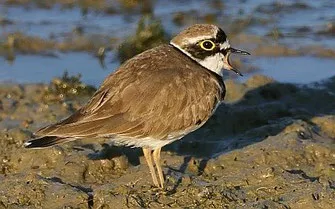
Programme nearbyRewildingHeidelbergJoin Aktionsbündnis Unterer Neckar in HeidelbergJoin Aktionsbündnis Unterer Neckar in Heidelberg Aktionsbündnis Unterer Neckar (AUN) is a NABU, BUND, LNV, and neighbour alliance for the last living floodplain stretch of the Neckar. Groups from Heidelberg, Mannheim, Ilvesheim, and Ladenburg share news, dam-care notes, and site walks. This is floodplain stewardship, not a sponge-unsealing group. What you can do - Read the AUN programme page and contact the speakers - Join a monthly alliance evening (in 2026 many nights are online via Zoom; confirm the format) - Walk the named nature reserves along the lower Neckar when the group announces a Begehung How it works The alliance formed in 2015. Coordinator Regine Buyer keeps the information flow between local groups. Solarpunker does not host the Zoom room or the Welthaus table: check the organiser before you travel. Why it matters A living Neckar floodplain needs people who show up for kingfishers, little-ringed plovers, and high-water space at the same time.floodplainriveralliance +1
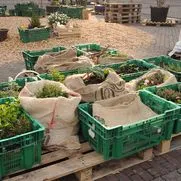
Programme nearbyRewildingLudwigshafenGarden the unsealed museum plaza in LudwigshafenGarden the unsealed museum plaza in Ludwigshafen Since 2012 the Wilhelm-Hack-Museum has turned the former sealed Hans-Klüber-Platz behind the museum into hack-museumsgARTen: crates, recycled planters, and free bed sponsorships in the middle of Ludwigshafen (PLZ 67xxx). What you can do - Take a free Beetpatenschaft on the hack-museumsgARTen page - Join a Gartentreff (last Thursday, and from May the second Friday, 18:00) in the April to October season - Garden as a household, Kita, school, or club: the plaza is built for mixed groups How it works The museum, anstiftung, BASF SE, and city partners host the plaza. You do not need a ticket to garden. Solarpunker does not assign beds: the museum garden team does. Why it matters Unsealing a museum square puts flowers, herbs, and neighbours on the same paving stones that used to shed rain.gardenunsealingplaza +1
Programme nearbyRewildingSiegenJoin NABU SiWi nature nights in SiegenJoin NABU SiWi nature nights in Siegen NABU Kreisverband Siegen-Wittgenstein keeps an open monthly nature night at the Heimathaus in Siegen-Bürbach. Fourth Wednesday, 19:00. In summer the same circle often swaps the room for a nature walk in and around Siegen. There is no separate named Sieg-river work day on the mitmachen page. What you can do - Come to a fourth-Wednesday night via NABU SiWi Mitmachen - Ask about the next outdoor excursion if you prefer boots to chairs - Call 02753 599001 or email if the meeting point has shifted How it works Indoor nature nights are the regular door. Summer walks replace some evenings. Solarpunker does not keep the key to the Heimathaus. Why it matters A monthly table in Bürbach is an easy way to meet people who already know Siegerland heath, owls, and weekend habitats.volunteereveninghabitat +1
Programme nearbyRewildingBarcelonaPlant seagrass meadows with Posidonia volunteersHelp Mediterranean seagrass meadows recover Posidonia oceanica meadows shelter fish nurseries, calm waves, and store carbon along Spanish and Italian coasts. Volunteer planting and monitoring programmes invite residents to restore underwater meadows bay by bay. What you can do - Join GreenLife4Seas citizen science and restoration calls along the Catalan and Apulian coasts - Learn safe planting techniques with local diving clubs and marine biologists - Map meadow edges and report anchor damage to harbour managers How it works Teams coordinate seasonal planting windows when water is clear. Volunteers with snorkel or dive certification plant shoots in marked plots and return to photograph recovery. Why it matters Seagrass meadows are living breakwaters: they protect beaches, feed fisheries, and keep water clear for everyone who swims nearby.seagrassrestorationmediterranean +1
Programme nearbyCommunityCologneRefill your bottle free at Refill Köln stationsRefill your bottle free at Refill Köln stations Refill Köln is a Zero Waste Köln project turning willing shops, cafés, cultural venues, and restaurants across Cologne into free drinking-water stops for anyone with an empty bottle. What you can do - Look for the round blue "Refill Station" sticker in a window, then ask to fill your bottle with tap water: free in shops, restaurants may add a small service charge - Respect that every station joins voluntarily and unpaid, so a full till, a grubby bottle, or a big canister can mean a polite no - Ask your favourite café, shop, or workplace to become a station by emailing refill@zerowastekoeln.de: all it needs is regular opening hours and a way to fill bottles How it works Refill Köln plugs into the nationwide Refill Deutschland network under the Zero Waste Germany umbrella, so the blue sticker means the same thing wherever you spot it across the country. Why it matters Cologne's tap water is closely tested and costs well under a cent a litre, yet plastic bottles still pile up citywide. Choosing a refill over a new bottle is a small swap that could spare Germany billions of plastic bottles a year if the habit catches on.refillwaterplastic-free +1