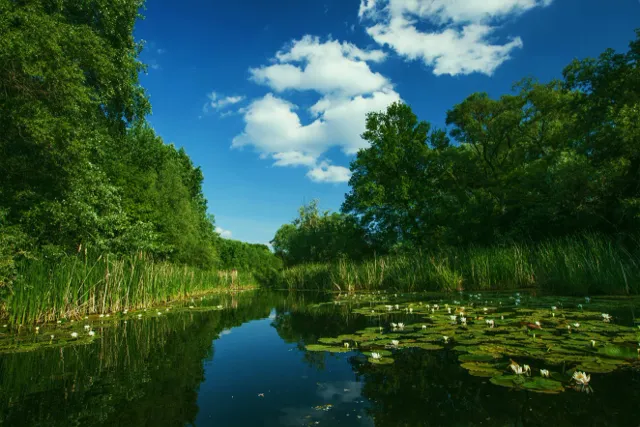
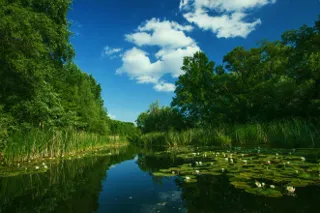
Programme nearbyRewildingAmsterdamJoin a wetland restoration brigade in your river deltaRewild peat and reedbeds in the delta ARK Rewilding Netherlands works with farmers and volunteers to reopen river channels, graze wetlands lightly, and bring bitterns and spoonbills back to the Rhine–Meuse delta. What you can do - Sign up for ARK volunteer days: removing drains, planting reeds, or building bird hides - Visit rewilding demonstration farms and ask how grazing herds shape wet meadows - Map ditches on your polder walk and share photos with local water boards How it works Brigades work in waders on weekends. Ecologists show which sections can flood safely and which paths stay open for cyclists. Why it matters Wet deltas store floodwater, filter farm runoff, and give city dwellers a weekend marsh full of sound and colour.wetlanddeltabirds +1
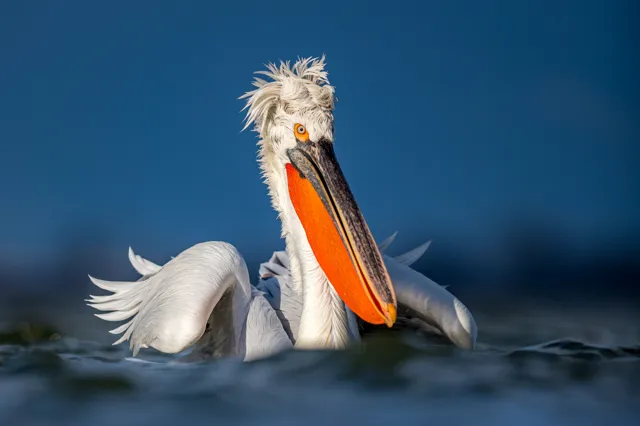
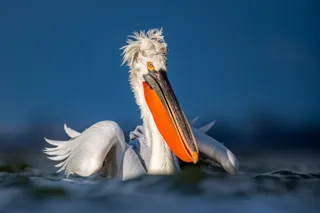
Programme nearbyRewildingPodgoricaRewild Lake Skadar with Wilder ParksHelp Europe's largest Balkan lake stay wild Lake Skadar National Park joined Rewilding Europe's European Rewilding Network and the Wilder Parks frontrunners. Rangers and partners are restoring food webs, tackling invasive false indigo, and protecting a record Dalmatian pelican colony so communities around the lake can build wildlife-watching livelihoods. What you can do - Visit the park from Virpazar or Vranjina: buy tickets via Nacionalni parkovi Crne Gore and join a marked trail or boat trip - Respect no-disturbance zones around pelican nesting islands during breeding season - Follow the rewilding story on Rewilding Europe and support park partners when volunteer days open How it works Rewilding Europe works with the Agency of Montenegro National Parks and local partners on natural grazing, migratory fish habitat, and anti-poaching capacity. Visitors keep pressure low while nature-based tourism grows. Why it matters A lake that feeds fishers and birders can also host one of Europe's strongest pelican recoveries when people and parks share one wild vision.SkadarpelicanWilder Parks +2
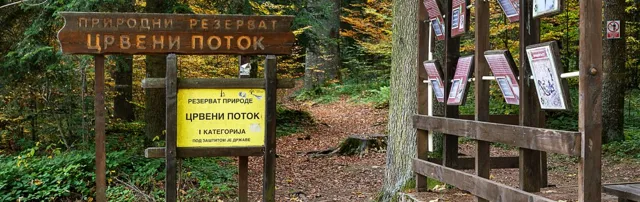
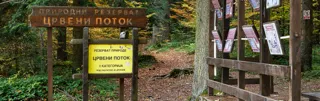
Programme nearbyRewildingBelgradeTara National Park: fog catchers for Pančić's spruceProtecting a living fossil on Europe's last wild mountain Tara National Park won the Green Innovation Leaders 2026 award for conserving the unique Crveni potok peat bog, the only place on Earth where Pančić's spruce (Picea omorika) grows on sphagnum moss rather than rock. Rangers and biologists installed fog catchers to stabilise moisture as drought and heat threaten this relict Balkan forest. What you can do - Visitors: walk marked trails around Mitrovac and Zaovine; follow park guidance and stay on paths in protected reserves - Volunteers and students: contact Nacionalni park Tara about guided visits and conservation programmes - Neighbourhood groups: learn from Tara's fog-catcher pilot as a replicable tool for drought-stressed wetlands How it works Fine mesh nets condense atmospheric moisture into storage basins, supplementing the bog's water budget through dry seasons. The project partners with the University of Belgrade Faculty of Biology under the EU Green Agenda for Serbia initiative. Why it matters Pančić's spruce survived ice ages; climate change is its next test. Tara shows that local stewardship and appropriate technology can buy time for irreplaceable biodiversity.national-parkbiodiversityspruce +2
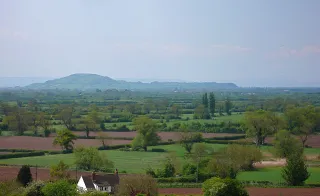
Programme nearbyRewildingGlastonburyLay wild stepping stones on the Somerset LevelsLay wild stepping stones on the Somerset Levels Somerset Wildlands is rebuilding fragments of the old wetland mosaic: about 160 acres across five sites near Glastonbury and Athelney, managed as little as possible so nature can lead. Sites are meant to stay open and quiet, not theme-park reserves (no car parks or visitor centres). What you can do - Explore the land list and map on Our land (Athelney, Whites Drove, Godney Marshes East Waste and Waste Drove, Clark Fields) - Sponsor a 10×10 m plot at Athelney or Clark Fields via Sponsor land (from £30 a year) and follow habitat updates - Become a member through Support us for guided walks, surveys, talks, and first access to volunteer days - If you steward Levels land yourself, ask about the affiliated landowner network via the contact page How it works Each stepping stone is hands-off by design. Membership funds purchase and quiet stewardship; citizen-science and practical days (including invasive removal) start with members. Plot sponsorship pairs you with a named habitat zone as the site recovers. Why it matters The Levels once held beavers, wild wetlands, and mythic marshes. Linked wild pockets help wildlife move again and give neighbours a way to fund recovery without turning every acre into a destination.rewildingwetlandlevels +2
Programme nearbyRewildingEssenJoin NABU Ruhr biotope work days in EssenJoin NABU Ruhr biotope work days in Essen NABU Regionalverband Ruhr invites neighbours to practical nature care on its Essen sites: wet meadows, water margins, and the Haarzopf and Oefte fields. This is meadow and shoreline tending, not an Emscher unsealing crew. What you can do - Book a Saturday work morning via Arbeitseinsätze Essen - Help cut, rake, and keep wet meadows and water edges open for plants and amphibians - Ask the practical-nature group for the current Lageplan and meeting point How it works Work mornings usually run on Saturday from 09:00 to about 11:00 or 12:00. Register by phone (0201 7100699) or email ag-naturschutz(at)nabu-ruhr.de. Solarpunker does not run the days: the NABU group sets tools, wet-weather plans, and which field you visit. Why it matters A few hours on a wet meadow keeps Ruhr habitats mosaic-rich so frogs, flowers, and people can share the same edges.volunteermeadowwetland +1
Programme nearbyRewildingBratislavaRestore Danube floodplains with BROZReconnect side channels where the river still remembers Conservation association BROZ joined the European Rewilding Network with its Rewilding Rivers and Danube Floodplains work. Nearly thirty years of wetland repair have restored about 1,200 hectares of wetlands, more than 30 kilometres of side channels, and 1,500 hectares of grazing land in south-west Slovakia. What you can do - Follow project updates and public events on broz.sk - Visit accessible Dunajské luhy floodplain areas near Bratislava with care for nesting seasons - Offer skills (monitoring, community outreach, natural grazing) when BROZ lists volunteer or partner calls How it works Teams reopen side arms, revive meadows with grazing, and work with municipalities so flood peaks have room again. ERN membership links Slovak practitioners with river rewilders across Europe. Why it matters A living Danube fringe cools cities, stores water, and brings fish and birds back without waiting for a distant mega-project.DanubeBROZfloodplain +2