Programme nearbyCommunityBrasiliaHost the travelling SESI Lab near youHost the travelling SESI Lab near you SESI Lab Itinerante packs about ten interactive apparatuses plus a workshop area so the museum experience can travel across the Distrito Federal and other Brazilian states. Schools and local partners can request the kit and add teacher formation shaped to local needs, and everything the museum builds is mirrored in a free digital acervo. What you can do - Explore the travelling exhibits and oficinas in the acervo Itinerante - Ask your school network, municipal culture desk, or SESI regional office how to host a stop - Rebuild the workshop recipes (light badges, motor cars, electric insects, conductive dough) in a classroom, using the published tutorials - Run the free digital exhibition BioOCAnomia Amazônica with students: it puts bioeconomy, biodiversity conservation, and reducing climate change impacts at the centre of Amazonian development How it works The itinerant set carries a slice of the long-duration exhibition and of the educational action programme. Hosts negotiate dates and training with SESI Lab, so there is no permanent street pin because the venue moves. The digital acervo stays open to anyone with a connection, at no cost. Why it matters Inquiry science should not stop at the Rodoviária. A travelling lab plus an open archive lets a distant classroom touch the same phenomena, and reuse the same lesson, as the Esplanada galleries.itinerantschoolseducation +2
Programme nearbyCommunityLondonConnect classrooms to the ocean with Ocean Conservation TrustBring ocean literacy into local schools The Ocean Conservation Trust runs assemblies, rockpool sessions, and teacher packs so children in Plymouth and partner cities meet the sea as neighbours, not screensavers. What you can do - Book an education visit or download free lesson plans for your school - Volunteer as a parent helper on shore walks and tank talks - Link classes with local harbour groups restoring seagrass nearby How it works Educators bring touch tanks, stories, and simple experiments. Schools continue projects term to term: litter audits, art, and snorkel club sign-ups. Why it matters Kids who know their bay protect it as adults: ocean care starts with muddy boots, not guilt slides.educationoceanschools +1
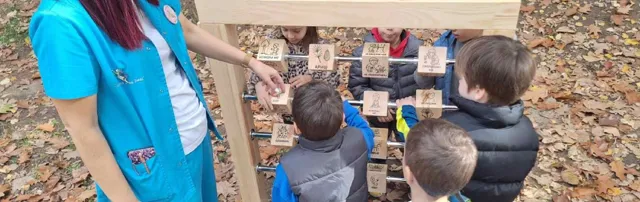
Programme nearbyCommunityBelgradeOutdoor science playgrounds for Serbian schoolsClassrooms without walls: nature labs in kindergarten and school yards KidHub and Ekonaut launched Naučna igrališta (Science Playgrounds): an education programme that turns kindergarten and primary-school yards into outdoor learning landscapes. Raised beds, sensory paths, insect hotels, and hands-on experiments replace asphalt-only recreation with living classrooms for children aged four to twelve. What you can do - Educators and parents: support the crowdfunding campaign on Dobri Dabar to fund playgrounds in two kindergartens and two primary schools - Schools with pilot sites in Belgrade: request a visit to see the Mali zeleni prsti (Little Green Fingers) methodology in action - Municipalities: adapt the programme for your district, teacher training, curriculum guides, and built elements ship as a package How it works Teachers attend seminars, receive a practical handbook, and get mentoring while children learn through planting, biodiversity observation, and collaborative experiments in the yard. Why it matters Climate literacy grows best through touch, soil, and play. Outdoor science yards give every child a daily relationship with the living world.educationschoolsplayground +2
Programme nearbyCommunityCologneBring Zero Waste into schools in CologneBring Zero Waste into schools in Cologne Zero Waste Köln works in schools and out-of-school settings so young people learn separation, avoidance, and circular thinking: not guilt, but practical habits. Current offers - Bildungskoffer (in development with Universität Köln): a lending kit on waste, avoidance, and sorting for primary schools. - Schulausstellung “Zero Waste Parcours”: travelling exhibition formats (see project pages for availability). - Public talks and VHS evenings listed on the calendar. For teachers and parents Reach Team Schule/Bildung via bildung@zerowastekoeln.de for visits, materials, and volunteering (pedagogy helpful, not required). Why it matters Young people who learn separation and avoidance early carry those habits into adulthood, multiplying impact across households.educationschoolscologne
Programme nearbyCommunityKielBook Zero Waste workshops for schoolsHands-on learning: not guilt slides The Umweltschutzamt and ABK run school and Kita workshops on waste sorting, papermaking, e-waste teardown, and neighbourhood Zero Waste walks. Partners include Zero Waste Kiel e.V., Ozeankind, and Verbraucherzentrale SH. What you can do - Book modules such as Papierschöpfen, Was steckt in meinem Handy?, or the Zero Waste Walk starting at the Nachhaltigkeitszentrum (ages 7+ or 12+ depending on module). - Request Umweltschutzamt support for pupil projects on avoidance, fair trade, mobility, or biodiversity. - Help your school earn Kieler KlimaSchulen recognition for year-round environmental projects. Why it matters Practical modules let pupils sort real waste, remake paper, and visit swap and repair spots instead of only reading slides.educationschoolsworkshops