Programme nearbyRepair & ReuseMunichHofflohmärkte, neighbourhood courtyard flea market in MunichHofflohmärkte, neighbourhood courtyard flea market in Munich Hofflohmärkte is a Germany-wide reuse programme: residents register a private courtyard, garden, or garage and sell pre-loved goods while neighbours follow a linked tour plan through the district in Munich. The platform runs in 30+ cities and 300+ neighbourhoods; initiator René Götz operates registration, participants organise their own courtyards. What you can do - Download the tour plan PDF for your Viertel (published about one week before each market day) - Walk the linked addresses and buy second-hand treasures from neighbours - Register your own Hof if you have landlord approval and goods to pass on How it works - Sales stay on private ground only, not sidewalks or public space - Typical hours: Saturdays 10–16, Sundays 11–16 (Munich also runs selected Friday evenings with M-net sponsorship) - No food sales; private sellers only, professional dealers are not welcome - Registration closes three weeks before each date for tour-plan marking; late sign-ups are accepted but may not appear on the map - Organisers may cancel a date if fewer than 30 courtyards register, fees are then refunded About Hofflohmärkte Neighbours register a private Hof, Garten, or Garage on Hofflohmärkte and sell used goods on scheduled Viertel days. Registered addresses appear on a tour plan published about one week before each date. Sales happen on private ground only. See city pages for local schedules and Spielregeln & Tipps for seller rules. Why it matters Every item re-homed from a courtyard is one less thing bought new or landfilled, and a chance to meet the people who live behind the front doors.flea marketreuseneighbourhood +2
Programme nearbyRepair & ReuseBonnPractice traditional repair crafts at monumentsPractice traditional repair crafts at monuments Open Monument Day is at its best when you meet timber framers, smiths, plasterers, and restorers at work. Schaubaustellen and craft openings turn heritage from a postcard into a shared skill. What you can do - Filter the programme for Handwerk, restoration, or Mitmach workshops - At Bamberg's national opening, look for DSD Schaubaustellen and the Markt der Möglichkeiten on Maxplatz - Ask organisers how residents can join a club, course, or volunteer day after the event - Prefer listings that let you watch or try a tool under supervision, not only walk through rooms How it works Many openings are free walk-ins. Limited workshops may need registration on the event page. Facts and hours belong to the organiser listing, not to Solarpunker. Why it matters Repair culture keeps materials in use and hands confident. A Sunday at a Schaubaustelle can be the first step toward a club, FSJ, or neighbourhood repair habit.craftrestorationtimber +2
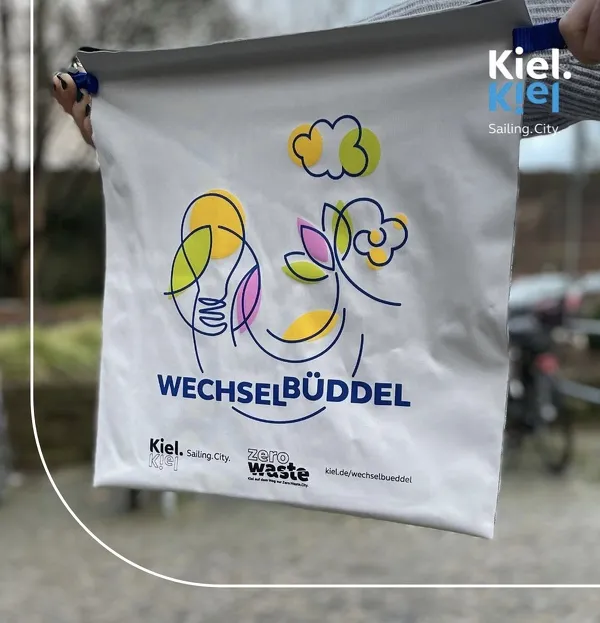
Programme nearbyRepair & ReuseKielPack Kita wet clothes in WechselbüddelWashable bags beat single-use plastic After a pilot, Kiel equipped about 55 Kitas with Wechselbüddel: waterproof, washable bags for muddy or wet children’s clothes instead of disposable plastic sacks. What you can do - Ask your Kita whether Wechselbüddel are in use; wash and return bags the same day when possible. - Replicate the pattern at home for swimming or forest days. Why it matters Daily Kita handovers add up; a durable bag removes thousands of plastic sacks per year across the city. Wechselbüddelchildcarereusefamily
Programme nearbyRepair & ReuseBuenos AiresSupport recycler cooperatives managing organics in Buenos AiresSegregation at source: cooperatives in charge Argentina’s FACCyR-linked recycler groups manage organic streams where source segregation is in place, a pattern the 2025 regional report pairs with Colombian ANR experiences. Cooperatives such as El Amanecer de los Cartoneros in Villa Fiorito show how sorted organics and recyclables can stay in community hands. What you can do - Sort organics and clean recyclables before cooperative pick-up on your block. - Connect your barrio association with a registered cartonero/a cooperative for collection routes. Why it matters Recycler-led organics management turns a climate liability into local jobs and compost, without shipping waste out of sight.recyclersorganicscooperative
Programme nearbyRepair & ReuseKielDonate good furniture through ABK to Echt-GutSofas and tables get a second home ABK Kiel and Stadtmission Kiel restarted furniture handovers: register usable pieces on the ABK site, pass inspection, and Echt-Gut-Kaufhaus collects them for resale and social programmes. What you can do - Photograph and register furniture that is clean, complete, and fire-safe before leaving it on the street. - Shop second-hand at Echt-Gut when you need a table or chair instead of ordering new flat-pack. Why it matters Bulky goods clog bulky-waste routes; matched donations keep timber and upholstery in use locally.furnituredonatereuse
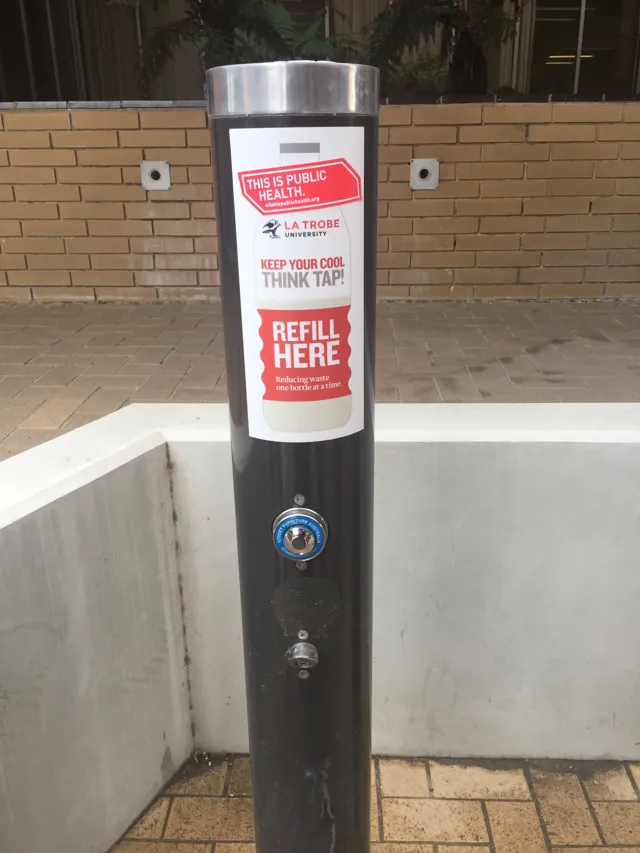
Programme nearbyRepair & ReuseZagrebZagreb Plastic Prevention Plan: ban single-use, refill the cityFrom city buildings to hospitality venues Zagreb adopted a Plastic Prevention Plan as part of the ERIC project: one of the most comprehensive municipal plastic policies in the Western Balkans region. The plan bans single-use plastics across all city-owned buildings and institutions and combines that with public infrastructure to make reuse the easy default. Measures already running - New and repaired public drinking-water fountains installed across the city to cut single-use plastic bottle purchases - Single-use plastic items removed from select city-organised events - Support for hospitality businesses switching to reusable packaging What you can do - Use the public refill fountains instead of buying bottled water - Ask event organisers in Zagreb whether the venue is single-use-plastic-free - Talk to your neighbourhood association about advocating for more refill points in your district Why it matters Policy without infrastructure fails. Zagreb pairs the ban with visible reuse alternatives: showing that a city of almost one million can shift habits at scale.plasticreuserefill +1
Programme nearbyRepair & ReuseLjubljanaManj je več: Slovenia's Less is More reuse portalDigital platform making reuse easier for everyone Manj je več ("Less is More") is a national digital platform by EBM that helps individuals in Slovenia find practical reuse options: repair services, swap events, sharing networks, and zero-waste shops - all in one place. An updated version is planned for 2025 to make the portal more user-friendly and to add guidance for event organisers implementing reusable tableware. What you can find on the portal - Local repair and upcycling workshops - Reuse and sharing initiatives by region - Tools and guides for reducing single-use items at home and events How to get involved - Use the portal to find reuse options near you: manjjevec.si - If you run a repair or reuse initiative, contact EBM to be listed on the platform Why it matters Behaviour change needs infrastructure and information. Manj je več makes the reuse ecosystem visible and navigable: reducing the friction between intention and action.reuseportaldigital +1
Programme nearbyRepair & ReuseLjubljanaBled STICT: circular textile challenge with international expertsTackling tourism's textile footprint Under the EU STICT (Sustainable Textiles In Circular Tourism) project, EBM partnered with the municipality of Bled and international sustainability experts to explore solutions for the environmental and economic impacts of textiles in a tourism-heavy destination. The initiative investigates sustainable sourcing, collection, and reuse of textiles across hotels, venues, and local businesses in the Bled area. What the project explores - Environmental footprint of hotel linen and event textiles - Collection and redistribution systems for reusable or recyclable textiles - Policy levers municipalities can use to shift procurement How to engage - Follow EBM for workshops and findings as the STICT project publishes results - If you manage a venue near Bled, ask EBM about participation in the textile audit pilot Why it matters Tourism destinations generate disproportionate textile waste. Bled's participation in STICT means findings apply directly to one of Slovenia's most visited areas: making lessons replicable for every European resort town.textilescirculartourism +1
Programme nearbyRepair & ReuseSilvesSilves: Portugal's first separate stream for sanitary textiles and diapersA collection pilot the rest of Portugal is watching Silves, an Algarve municipality, became the first in Portugal to collect sanitary textiles and diapers as a dedicated separate waste stream: a hygiene category that normally ends up in residual waste and goes straight to landfill or incineration. The pilot, supported by ZERO, forms part of Silves's broader door-to-door collection overhaul in the Algarve region. Why it matters Diapers and sanitary textiles make up a significant share of household residual waste, yet they usually ride straight to landfill in mixed bins. Silves is Portugal's first dedicated collection pilot, a reference case other municipalities can copy once results are in. What you can do - If you live in Silves, ask the municipal environment office how to access the dedicated collection point or service - Advocate for this stream in your own municipality by sharing Silves's results with local councillors - Follow ZERO for policy developments around this waste stream nationallytextilesdiaperswaste-stream +1
Programme nearbyRepair & ReuseBrusselsSTICT: replicating textile waste prevention in BrusselsA city learning from the best textile programmes in Europe Brussels is participating in the STICT project (Sustainable Textile Innovation and Circular Transition), which compiles best-practice models for textile waste prevention and management and works with cities to implement and replicate them. Zero Waste Belgium leads the Brussels partnership, bringing evidence-based strategies to local authorities and businesses. What the project does - Documents the most effective textile collection, repair, and resale models from across Europe - Works with Brussels authorities to implement scalable textile waste prevention measures - Provides a replication toolkit so other cities can adopt proven approaches without starting from scratch - Connects local repair workshops, clothing swaps, and upcycling organisations into the city's circular textile network How to engage - Brussels residents: find local textile repair workshops and clothing swap events through Zero Waste Belgium - Textile businesses and retailers in Brussels: contact Zero Waste Belgium about participating in the STICT circular model - Other municipalities: request the STICT replication toolkit to adapt the Brussels approach to your context Why it matters Textiles are among the fastest-growing waste streams in Europe. Brussels joining STICT means a dense, fashion-forward city is building infrastructure for repair and reuse: sending a signal to the industry and giving residents real alternatives to disposal.textilesreuseprevention +2
Programme nearbyRepair & ReuseWarsawPoland: mandatory textile separate collection from January 2025Used clothes now have their own bin: municipalities need to keep up Poland introduced mandatory separate collection of textile waste from 1 January 2025: a legal obligation for municipalities to provide dedicated textile collection infrastructure. The Polish Zero Waste Association is supporting municipalities in building education campaigns and collection systems to meet the new requirement, which affects how residents discard old clothing, fabric, and accessories. What the obligation means - Municipalities must provide clearly marked textile collection points or door-to-door collection for used clothing and fabric - Retailers above a certain threshold must accept back textiles sold in their stores - Residents no longer need to find a charity shop: the municipal infrastructure now handles textile waste How to engage - Polish residents: check where your nearest textile collection point is and use it for worn-out clothing you can't donate or sell - Municipalities: contact Polish Zero Waste Association for education campaign templates in Polish explaining the new collection obligation to residents - Textile retailers: ensure your in-store textile take-back complies with the January 2025 regulation: contact the Association for guidance Why it matters The EU's extended producer responsibility push is bringing textile collection mandates across Europe. Poland's January 2025 launch makes it one of the earlier adopters, and the Polish Zero Waste Association's work building municipal capacity will inform how similar programmes roll out across the region.textilescollectionpolicy +2
Programme nearbyCommunitySingaporePass through Jewel Changi's indoor forestTake a layover walk under the Rain Vortex Jewel Changi Airport wraps travel logistics in a multi-level indoor forest and the HSBC Rain Vortex — a biophilic hub travellers can enter without a separate ticket for the main atrium. Safdie Architects' Jewel is one of the Singapore projects Architizer lists beside Supertrees as Solarpunk-adjacent built work. What you can do - Walk the Forest Valley terraces and view the Rain Vortex on arrival, departure, or a transit break - Pause on the bridges to feel mist and canopy — then notice how policy and parks outside the airport still matter more than any single dome - Share the visit with neighbours as inspiration for indoor greenery in schools and stations at home How it works Jewel combines retail and transit with planted terraces and a rainwater-fed waterfall under a glass canopy — architecture as public atmosphere, not only spectacle. Why it matters Even airports can teach that people move better when plants and water share the volume.singaporebiophilicairport +2
Programme nearbyRepair & ReuseKielTry cloth nappies: a proven Kiel pilot patternSauber gewickelt: weniger Restabfall A child uses roughly 6,000 disposable nappies before potty training, about one tonne of waste. From 2022-2024 Kiel subsidised cloth nappy starter kits (up to €200); 496 households joined and saved an estimated 80 tonnes of residual waste per year. Why it matters The Kiel pilot showed hundreds of families can divert tonnes of nappy waste when cloth is affordable and supported.familyreuseadvocacy
Programme nearbyRepair & ReuseBrasiliaBuild circuits and learn energy efficiencyBuild circuits and learn energy efficiency SESI Lab's Maker and Biomaker rooms teach energy through your hands. In Construindo circuitos com massinha, participants sculpt modelling clay, test which materials conduct, light an LED, and end up talking about careful use of electricity. The oficina sits on the museum's Eficiência Energética thematic axis and its CTSA framing asks participants to propose their own conscious-consumption actions. What you can do - Check the programação and register for the day's oficinas at opening time (box office, kiosks, or the official ticket platform) - Read the open workshop records and tutorials in the acervo, such as circuitos com massinha and insetos elétricos, then rebuild them in a classroom or at home - Ask about Maker and Biomaker sessions and short courses through O SESI Lab - Use the same recipes to start a household conversation about where the electricity actually goes How it works Places are limited and filled by arrival order; some activities hand out passwords about 30 minutes before the start. Biomaker is presented as a rare public lab of its kind in Brazil. Each oficina is published in the digital acervo with its curricular links, references, and a build tutorial, so the recipes stay usable far outside the museum. Why it matters Closing your first circuit is where energy stops being a bill and becomes something you can reason about: what conducts, what wastes, and what you can repair yourself.makerelectronicsworkshop +2
Programme nearbyRepair & ReuseBrasiliaDrop electronics at a DF voluntary delivery pointDrop electronics at a DF voluntary delivery point Brasília runs two public pathways for leftover electronics, and both ask residents to walk a device to a box rather than the ordinary bin. Reciclotech (SECTI-DF with Programando o Futuro) lists voluntary delivery points (PEVs) for computers, phones, cables, batteries, and similar gear. A separate reverse-logistics map from SLU-DF (Sema-DF with Abree) covers electroelectronics and household appliances, plus other take-back streams. What you can do - Look up Reciclotech PEVs on the SECTI PEV table (that page listed 149 active points when last updated 13 October 2025; the Reciclotech overview still says 102, so use the table) - Check the SLU reverse-logistics map and filter by residue type; Sema notes that the local Abree operator also keeps 9 of its own delivery points - Take small IT, phones, cables, and batteries to a Reciclotech box; use the SLU map for bulky appliances and for streams that are not electronics - Do not treat the whole map as electronics-only: the same network also receives medicines, cooking oil, tyres, glass, and x-ray plates How it works Reciclotech PEVs are boxes placed in regional administrations, metro stations, parks, SESC/SESI units, and other busy spots. The programme then sorts what can be repaired, donated, or recycled. Sema-DF's agreement with Abree (signed 24 September 2021) covers collection, transport, and environmentally adequate destination, executed locally by Zero Impacto. Confirm the current list on the official table or map before travelling: counts disagree across pages, and hours are not published as a single timetable. Why it matters A walk-up box is the lowest-friction circular step in a capital that otherwise sends metal, plastic, and batteries into ordinary waste. Neighbours keep gold, copper, and working machines in the city instead of in the soil.e-wastedropoffelectronics +2
Programme nearbyRepair & ReuseCopenhagenFix things at Christianshavn Cafe, CopenhagenFix things at Christianshavn Cafe, Copenhagen Christianshavn Library hosts a monthly Repair Cafe. Volunteers help mend small appliances, clothes, and everyday objects for free. What you can do - Check the library Repair Cafe listing - Bring a broken item on the fourth Saturday pattern - Ask how to volunteer if you have repair skills How it works Sessions often fall on the fourth Saturday. Free volunteer repair. Confirm the next date on the library calendar. Why it matters Copenhagen keeps repair skills in a neighbourhood library, not a landfill.copenhagenrepairlibrary +1
Programme nearbyRepair & ReuseStockholmBorrow gear at Fritidsbibliotek, StockholmBorrow gear at Fritidsbibliotek, Stockholm Sodermalms Fritidsbibliotek at Sodergarden lends sport gear for free and hosts Repair Cafe evenings on even weeks. What you can do - Open sodergarden.org/fritidsbibliotek - Borrow gear with a free library card pathway - Come on even-week Repair Cafe evenings when listed How it works Borrowing is free. Repair evenings alternate weeks. Confirm hours on the Fritidsbibliotek page. Why it matters Stockholm neighbours share gear and mend skills in one house.stockholmlibraryborrow +1
Programme nearbyRepair & ReuseOsloFix your bike at Sykkelkjokkenet in OsloFix your bike at Sykkelkjokkenet in Oslo Sykkelkjokkenet offers free tools and volunteer help so you can fix your own bike. Open evenings are listed on the site. What you can do - Check skoslo.no for Tuesday and Thursday hours - Bring your bike and a willingness to learn - Ask volunteers before using specialised tools How it works Typical open evenings: Tuesday and Thursday. Free tool use with volunteer guidance. Why it matters Oslo keeps bikes rolling without a paid shop for every small fix.oslobikerepair +1
Programme nearbyRepair & ReuseHelsinkiJoin Repair Thursdays in HelsinkiJoin Repair Thursdays in Helsinki Repair Thursdays at the Museum of Technology offer free community repair with guidance in Finnish and English. What you can do - Read the Repair Thursdays event page - Bring a small broken object on Thursday 16:00 to 19:00 - Ask for FI or EN guidance when you arrive How it works Free Thursday workshop 16:00 to 19:00. Confirm the next date on the museum calendar. Why it matters Helsinki turns a museum floor into a neighbourhood repair bench.helsinkirepairmuseum +1
Programme nearbyRepair & ReuseReykjavikFix items at Grofin Repair Cafe, ReykjavikFix items at Grofin Repair Cafe, Reykjavik Grofin City Library lists a monthly Repair Cafe programme for 2026. Mend items with volunteers in a public library space. What you can do - Open the Grofin Repair Cafe page - Pick a listed monthly date - Bring an item that needs a gentle fix How it works Monthly programme dates are on the library page. Free community repair. Why it matters Reykjavik puts repair tools next to library shelves where everyone can enter.reykjavikrepairlibrary +1
Programme nearbyRepair & ReuseRigaMend at Repair Cafe Riga in LastadijaMend at Repair Cafe Riga in Lastadija Repair Cafe Riga hosts monthly events for electronics, clothes, and bikes in Lastadija. Volunteers teach as they mend. What you can do - Check repaircafe.lv for the next date - Bring electronics, clothes, or a bike needing care - Ask how to join the volunteer rota How it works Monthly events at Vilhelma Purvisa iela 15. Confirm registration if the page asks. Why it matters Riga keeps a cultural-quarter repair table open to the street.rigarepairelectronics +1
Programme nearbyRepair & ReuseVilniusMend at Taisymo kavine in VilniusMend at Taisymo kavine in Vilnius Taisymo kavine is a free repair cafe inside the public library creative lab. Mend objects with volunteers at Traku g. 10. What you can do - Open the event listing - Bring a broken item to the next listed session - Ask library staff for lab access notes How it works Free sessions in the creative lab. Confirm the calendar date before you go. Why it matters Vilnius puts a repair cafe where library visitors already gather.vilniusrepairlibrary +1
Programme nearbyRepair & ReusePragueVisit Repair Cafe Holesovice in PragueVisit Repair Cafe Holesovice in Prague Repair Cafe Praha runs a community repair workshop and cafe at Holesovicka trznice. Bring something broken and learn beside volunteers. What you can do - Check repaircafe.store for hours - Visit the market venue with a mendable object - Ask about volunteer shifts if you want to help How it works Community workshop plus cafe. Hours can shift; confirm before travel. Why it matters Prague keeps repair culture inside a market people already walk.praguerepairmarket +1
Programme nearbyRepair & ReuseBernMend at Repair Cafe Bern workshopsMend at Repair Cafe Bern workshops Repair Cafe Bern hosts free repair events at Werkstatt Viktoria and PROGR. Volunteers welcome skilled helpers and curious neighbours. What you can do - Browse repair-cafe-bern.ch - Pick a listed venue date - Offer to volunteer if you can solder, sew, or diagnose How it works Free events rotate venues. Confirm which hall hosts the next session. Why it matters Bern keeps broken objects in circulation through friendly repair nights.bernrepairvolunteer +1