Programme nearbyFood & GardenCologneGet a Biotonne: close the compost loop in CologneGet a Biotonne: close the compost loop in Cologne About 40% of what lands in the grey residual bin is compostable organic waste. In Niehl it is burned: costing money, CO₂, and fertile matter that could return to parks and gardens as torffreier Kölner Kompost. What you can do - Ask your landlord for the free brown Biotonne (tenants can use Zero Waste Köln’s postcard template on their project page). - Line the bin with newspaper, keep it in the shade, and skip “compostable” plastic bags: they need industrial conditions Cologne’s plants do not offer. - Buy Kölner Kompost or Blumenerde from AWB/AVG outlets (the Verein advocates more neighbourhood pick-up points). Why it matters Separate bio collection has been mandatory in Germany since 2015, but Cologne households still need to request the bin. Less bio in residual waste can mean a smaller (cheaper) grey bin.compostcircularlocal
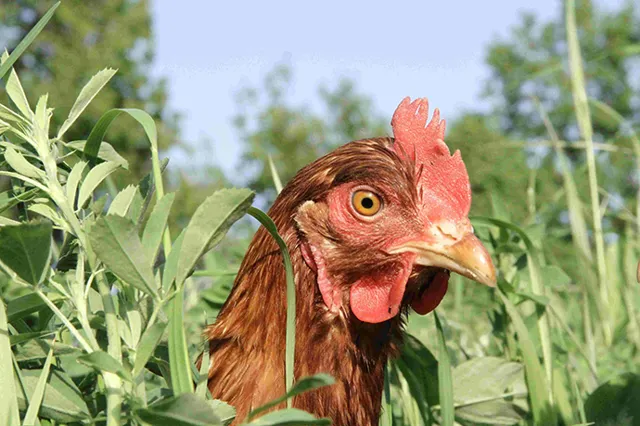
Programme nearbyFood & GardenFrankfurtVisit Rhine-Main organic farms this harvest wee in FrankfurtVisit Rhine-Main organic farms this harvest wee in Frankfurt Dottenfelderhof in Bad Vilbel, Querbeet's Pappelhof in Reichelsheim, and Die Kooperative's Cityfarm in Oberrad open for Foodtura: apple pressing, potato digging, a hen walk, a farm festival, and a free family Sunday with a Schnippelparty in Frankfurt. What you can do - Press juice at the Jahreszeitenwerkstatt (19 September) - Dig your own potatoes at Pappelhof - Meet the hens or join the free Hoffest at Dottenfelderhof - Close the festival at the Familiensonntag on the Cityfarm (free) - Book the Farm to Table dinner at Tonka if you want a long table of Cityfarm vegetables How it works Farm days list prices and booking links on each page. The Hoffest and Familiensonntag are free drop-in. Wear shoes you can get dirty. Why it matters Seeing soil, animals, and harvest in the same week as city kitchens makes regional food feel real.farmharvestorganic +2
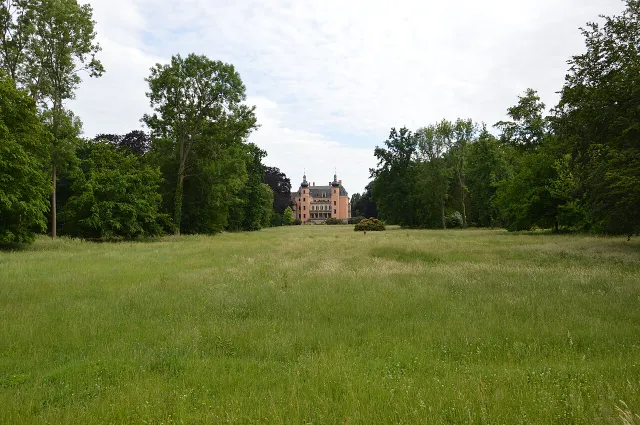
Programme nearbyFood & GardenBerlinCare for historic parks and gardens in BerlinCare for historic parks and gardens in Berlin The Internationale Jugendbauhütte Gartendenkmalpflege puts volunteers into historic parks across Brandenburg, Berlin, Sachsen, and beyond. Heart of the hut is Schlosspark Altdöbern, a baroque and landscape park where teams live and work together on axes, trees, and garden fabric. What you can do - Read the Gartendenkmalpflege hut page - Apply through Jugendbauhütten Bewerben and select historic parks and gardens when asked for placement wishes - On Open Monument Day, visit garden-city or park openings such as Waldschänke Hellerau in Dresden - Learn park terms (Sichtachsen, Formbäume) in seminars that also touch clay, forge, and timber crafts How it works Volunteers work under garden and heritage tutors for a full year. Altdöbern hosts the largest team and shared housing. Other Einsatzstellen host smaller groups on project plots. Why it matters Historic parks are living climate infrastructure: shade, water, soil, and beauty. Caring for them is ecological work with a civic story.gardenparkheritage +2
Programme nearbyFood & GardenParisStart shared composting with Paris Plan CompostTurn food scraps into neighbourhood soil In Paris, organic waste still makes up more than 23% of what lands in the residual bin. The city's Plan Compost has supported more than 1,000 shared sites since 2010: courtyard bins, quartier composters, and individual worm boxes, all backed by maître composteur coaching. What you can do - Apply during a quarterly campaign to install a collective composter at your building or school (collective installation form) - Gather at least seven motivated households and two site référents who will attend training and keep the pile healthy - Order equipment or book a maître composteur visit through the city's online forms when campaigns are open - Join the public Composter à Paris community for tips and meet-ups How it works Copropriétés, social housing blocks, schools, and institutions with 5 m² of ground contact can host wooden 400–600 L bins. The city delivers bio-buckets, dry-matter reserves, aeration tools, and eight months of professional follow-up so the site becomes self-running. Why it matters Composting at home can cut up to 80 kg of waste per household each year while returning nutrients to balconies, courtyards, and shared beds — joy and soil, not guilt.compostcircularlocal +1
Programme nearbyFood & GardenParisLearn composting at Maison du JardinageA free compost classroom in Bercy The Maison du Jardinage et du Compostage in Parc de Bercy is Paris's hands-on hub for residents who want to compost with confidence. Two Saturdays each month, city gardeners run intro workshops on what goes in the pile, how to balance moisture, and how to use finished compost safely. What you can do - Check the monthly nature programme on paris.fr for the next atelier dates - Visit 41 rue Paul-Belmondo in the 12th arrondissement for demos and Q&A - Download the city's collective and school compost guides from the dossier page before starting your own site - Pair a workshop visit with a building campaign so référents arrive prepared How it works Workshops are free and aimed at beginners. Staff explain the three Paris pathways — collective bins, quartier sites, and lombricomposteurs — so you can pick the scale that fits your home. Why it matters Skills spread faster than brochures. One afternoon with a maître composteur can unlock years of shared soil for a whole stairwell.composteducationworkshop +1
Programme nearbyFood & GardenQuitoJoin Quito's community compost and zero waste networkMunicipal tools: neighbourhood compost Ecuador’s Alianza Basura Cero documents a growing compost network and municipal zero waste ordinances residents can advocate for locally. The alliance publishes a model ordinance and maps community compost sites, from Pomasqui and Cotacachi to neighbourhood clubs such as Club del Compost in Bellavista. What you can do - Find a mapped compostera comunitaria near you and volunteer for a work day. - Ask your parish or neighbourhood council to adopt zero-waste ordinance language from the alliance toolkit. Why it matters Community compost keeps food sovereignty and soil health local while giving municipalities a replicable legal frame, reuse included, not just collection.compostordinancecommunity
Programme nearbyFood & GardenBerlinNeighbourhood compost with Kiez-Kompost in BerlinNeighbourhood compost with Kiez-Kompost in Berlin Kiez-Kompost builds neighbourhood-scale composting for housing estates, garden clubs, urban farms, and solidarische Landwirtschaft projects in Berlin. Their bioreactor process keeps organic matter local and aims for humus-rich compost without industrial peat from drained moors. What you can do - Contact the team via kiez-kompost.de to ask about a neighborhood composter for your courtyard or garden association - Partner as an urban gardening or Solawi project that needs finished compost returned to beds - Follow their RBB Gartenzeit feature and Instagram for build updates while the venture scales - Start small: one shared bin plus clear rotation rules beats waiting for a perfect site How it works Kiez-Kompost is in an active launch phase: offerings evolve quickly. Reach out by email or the site contact form; they reply with project fit, bioreactor sizing, and neighbour onboarding steps. Why it matters Berlin loses fertile soil to bagged shop compost and long transport chains. Ortsnahe Kreisläufe keep carbon and nutrients in the neighborhood where people grow food together.compostcommunitybioreactor +1
Programme nearbyFood & GardenSan SalvadorGrow food sovereignty through community compost in San SalvadorGardens, organics, and mutual aid The 2025 regional chapter stresses how community compost, source segregation, recycler inclusion, and community gardens (huertos) strengthen food sovereignty in vulnerable neighbourhoods across Latin America, with San Salvador among municipalities GAIA accompanies on zero-waste pathways. What you can do - Start or join a barrio compost pile that feeds a shared garden bed. - Partner with youth groups to run organic-waste recycling workshops at schools. Why it matters When food prices rise, keeping organics in the neighbourhood loop builds soil, skills, and shared meals, not dependency on distant supply chains.gardencompostfood
Programme nearbyFood & GardenMunichBring Münchner Erden home from bio-waste in MunichBring Münchner Erden home from bio-waste in Munich Münchner Erden turn the city's separated bio-waste into torffreie potting mixes and quality compost at the Erdenwerk Freimann in Munich. The base compost comes from AWM's dry-fermentation plant next door: regional input, regional output. What you can do - Buy sack or bulk compost at the Erdenwerk Freimann (Werner-Heisenberg-Allee 62) - Pick up Münchner Bio-Erde or Qualitätskompost at participating Wertstoffhöfe and Halle 2 in Pasing - Start or improve a home composter using AWM garden tips alongside bought soil for gaps - Order larger loose volumes or delivery through the AWM Erden service when you are renovating beds How it works AWM mixes certified compost with selected substrates on site. Products are RAL-quality oriented and marketed for gardens, balconies, and lawn repair: proof that Munich's brown bin stream returns as living soil. Why it matters Peat-free city compost keeps moors intact and closes the loop between your Biotonne and the tomatoes on your balcony.compostcircularpeat-free +1
Programme nearbyFood & GardenFlorianópolisInclude waste pickers in organic waste managementSanta Catarina leads Latin America The 2025 regional report names Florianópolis / Santa Catarina as Brazil’s, and the region’s, reference for recyclers participating in organic-waste management. Waste-picker leaders host compost tours and trainings that strengthen neighbourhood sorting and keep organics out of landfills. What you can do - Join a Brasil Composta Cultiva compost tour led by catadoras and catadores in the Florianópolis area. - Separate organics at home and coordinate with local picker cooperatives on collection routes. Why it matters When recyclers co-manage organics, methane falls and livelihoods rise, a replicable model the report highlights as a top 2024 success across Latin America.compostrecyclersorganics
Programme nearbyFood & GardenFrankfurtGarden courtyards with Klimawerkstatt Ginnheim in FrankfurtGarden courtyards with Klimawerkstatt Ginnheim in Frankfurt In Ginnheim, Klimawerkstatt and the Ginnheimer Kirchplatzgärtchen turn courtyards, roofs, and the church square into food and shade in Frankfurt. During Foodtura they host a courtyard walk and a bring-and-share picnic between the baroque church and Gasthaus Adler. What you can do - Walk the Hinterhofhimbeeren & Fassadenwein tour on 19 September (free) - Bring a homemade dish to the Stadtteil Picknick the same afternoon - Email kirchplatzgaertchen@posteo.de if you want to help tend beds after the festival - Follow Klimawerkstatt on Instagram for later dates How it works The garden is a neighbourhood project, not a ticketed farm. Show up, share food, and ask how to join watering and planting rounds. Why it matters Edible courtyards cool streets, feed pollinators, and give a village square a reason to linger.gardenpicnicginnheim +2
Programme nearbyFood & GardenFrankfurtLearn fermentation and Slow Food cooking in FrankfurtLearn fermentation and Slow Food cooking in Frankfurt During Foodtura, Slow Food Frankfurt, a pinch of salt, Frajda, and Die Fleckenbühler run hands-on kitchens: lacto-fermentation in a greenhouse, water kefir, leftover-bread kwas, vegetarian Slow Food menus, pasta, and a wild-herb dinner. What you can do - Book the Kooperative fermentation workshop (Pay-What-You-Can seats exist) - Join Slow Food at Paulinum: cook, taste olive oil, or make pasta - Bring stale bread to Kwas at Frajda - Cook Kräuterküche with Die Fleckenbühler (Pay-What-You-Can seats exist) How it works Most workshops need advance booking and a fee listed on the event page. Write to the host if the price is a barrier. You leave with jars, dough skill, or a shared table. Why it matters Preserving and cooking together is how regional food stays joyful instead of becoming a lecture.fermentationworkshopslow-food +2
Programme nearbyFood & GardenLisbonCommunity composting pilots: ZERO accompanies municipalities across PortugalOrganic waste stays local: feeds local soil ZERO is accompanying multiple Portuguese municipalities in launching community composting pilots, keeping food and garden waste in the neighbourhood loop rather than sending it to landfill. In Fornos de Algodres, the Muxagata project combines community composting with door-to-door collection: funded by Zero Waste Europe and GAIA. Castelo Branco is running a parallel composting pilot with ZERO's direct support. How community composting works - Residents deposit food scraps and garden trimmings at shared composting points - ZERO helps municipalities design, site, and monitor the composting system - Finished compost is returned to the community: for gardens, schools, or public green spaces What you can do - Ask your local council whether a community composting pilot is planned or running - Volunteer as a composting point steward: ZERO and partner municipalities recruit residents for monitoring roles - Use the ZERO website to find resources and contact information for composting support Why it matters Organic waste is about a third of Portuguese household rubbish. Keeping it out of landfill reduces methane emissions, builds local soil, and cuts disposal costs: three wins that make composting one of the highest-return interventions in any zero waste plan.compostingcommunityorganic +1
Programme nearbyFood & GardenWarsaw#ForkToFarm Poland: improving bio-waste collection in three municipalitiesA campaign turning composting from a good idea into a daily habit The Polish Zero Waste Association participates in the #ForkToFarm campaign by Zero Waste Europe, working with three Polish municipalities to improve bio-waste collection rates. The campaign combines practical infrastructure (bins, collection services) with resident education to move organic kitchen waste out of the mixed bin and into the composting stream. What the campaign involves - Working with the three participating municipalities to audit current bio-waste practices - Distributing composting bins and providing set-up guidance to households - Running awareness campaigns explaining what counts as bio-waste and how to compost correctly - Documenting results so the three municipalities can become reference cases for other Polish towns How to engage - Polish residents: check whether your municipality participates in #ForkToFarm and request a bio-waste bin if you don't already have one - Municipalities: apply to the next #ForkToFarm cohort through Zero Waste Europe or contact Polish Zero Waste Association for national programme support - Teachers and community leaders: run a bio-waste workshop using the #ForkToFarm materials: Zero Waste Association can provide resources in Polish Why it matters Kitchen scraps are the easiest fraction to divert, yet they still fill mixed bins across Poland. Three municipalities testing #ForkToFarm together can show neighbours that composting is a daily habit, not a pilot novelty.compostingbio-wasteForkToFarm +2
Programme nearbyFood & GardenAddis AbabaThur Biotech microbial biofertilisersReplace chemical inputs and rebuild degraded soil Thur Biotech (Addis Ababa, Ethiopia) manufactures microbial biofertilisers that replace chemical inputs, rebuild degraded soil, and boost farmer incomes. What you can do - Source biofertiliser products for your farm or cooperative plot - Run side-by-side trials with neighbours to compare soil health and input costs - Share results with local agricultural extension groups How to participate - Follow product and distribution updates on the Thur Biotech portfolio page Why it matters Soil is infrastructure. Microbial inputs that cut chemicals while raising yields give smallholders a dignified path off dependency on expensive synthetics.biofertilisersoilfarmers +2
Programme nearbyFood & GardenCopenhagenGarden Tuesdays at Oens Have in CopenhagenGarden Tuesdays at Oens Have in Copenhagen Oens Have on Refshaleoen opens garden Tuesdays so neighbours can plant, weed, and harvest together. Walk-in slots run in season. Check the volunteer page before you go. What you can do - Read the volunteer page for Tuesday hours - Come ready to garden; tools are shared on site - Ask the team how walk-in caps work when the bed is busy How it works Garden Tuesdays are listed for April to October, often 10:00 to 17:00. Cap around 25 people. Register only if the page asks. Why it matters A Copenhagen harbour garden turns spare hours into shared soil and seasonal food.copenhagengardenvolunteer +1
Programme nearbyFood & GardenStockholmGrow with Odla Ihop in Tanto, StockholmGrow with Odla Ihop in Tanto, Stockholm Odla Ihop runs a member garden in Tantolunden. Neighbours share beds, tools, and workdays through the year for a modest fee. What you can do - Open odlaihop.se and ask about membership - Join listed workdays once you are on the list - Bring outdoor clothes; beds sit in a public park How it works Membership was listed around 300 SEK. Workdays run year-round. Confirm the next date on the site. Why it matters Stockholm keeps edible beds in a park that neighbours tend together.stockholmgardenmembership +1
Programme nearbyFood & GardenOsloGrow at Losaeter commons in OsloGrow at Losaeter commons in Oslo Losaeter is an edible commons in Bjorvika. Walk the beds, learn from the team, and ask how neighbours join seasonal care. What you can do - Read loseter.no for visit and join notes - Walk the commons and talk to people already gardening - Offer help on published care days when listed How it works The park is public. Formal join steps can be thin online; start with a visit and ask on site. Why it matters Oslo puts food plants in a harbour commons you can walk today.oslogardencommons +1
Programme nearbyFood & GardenHelsinkiGarden at Syotava Puisto in HelsinkiGarden at Syotava Puisto in Helsinki Syotava Puisto (Edible Park) grows food with youth services on Mustikkamaa. Open garden hours invite neighbours to dig in season. What you can do - Check sphelsinki.wordpress.com for open hours - Come Wednesday evenings or Saturday afternoons in season - Ask youth staff how guests can help without a plot How it works Typical open hours: Wednesday 17:00 to 19:00 and Saturday 14:00 to 16:00 from April to October. Confirm before travel. Why it matters Helsinki keeps an edible youth park where food and company grow together.helsinkigardenyouth +1
Programme nearbyFood & GardenReykjavikLease a Reykjavik vegetable garden plotLease a Reykjavik vegetable garden plot The City of Reykjavik leases hundreds of vegetable plots across the capital. Apply for the next season through the municipal page. What you can do - Open the vegetable gardens page - Apply when the next season window opens - Ask which sites still have free plots, including Vesturbaer How it works About 600 plots exist citywide. Lease cycles are seasonal. Use the official form; Solarpunker does not assign plots. Why it matters Reykjavik turns spare municipal land into household vegetables.reykjavikallotmentgarden +1
Programme nearbyFood & GardenRigaGarden at Sporta Pils Gardens in RigaGarden at Sporta Pils Gardens in Riga Sporta Pils Gardens turn a central brownfield into allotments and learning beds. Neighbours grow food and greening skills together. What you can do - Browse sportapilsdarzi.lv for visit and plot notes - Ask about allotment or education pathways - Join a listed workshop when the calendar shows one How it works Allotments sit near Artilerijas iela. Contact the organiser before you claim a bed. Why it matters Riga grows food on land that once sat empty in the centre.rigagardenallotment +1
Programme nearbyFood & GardenVilniusGarden with Miesto laboratorija in VilniusGarden with Miesto laboratorija in Vilnius Miesto laboratorija runs an educational garden and club on Antakalnis. Neighbours learn soil skills and share harvest talk. What you can do - Visit miestolaboratorija.lt for events - Ask about ML SODO klubas or open garden sessions - Come to Antakalnio g. 17-13 when a public slot is listed How it works The centre mixes cafe, events, and garden. Confirm open hours before you travel. Why it matters Vilnius gets a neighbourhood lab where learning and lettuce share a yard.vilniusgardeneducation +1
Programme nearbyFood & GardenPragueJoin Zizkovska garden in PragueJoin Zizkovska garden in Prague Zizkovska komunitni zahradka invites plot and non-plot members in Praha 3. Brigady work days keep the beds alive. What you can do - Open zizkovskazahradka.cz for membership - Choose a plot share or a non-plot helper role - Show up to a brigada when the calendar lists one How it works Membership covers plot or helper tracks. Confirm Malesicka meeting points on the site. Why it matters Prague keeps a Zizkov garden where membership means soil, not only a newsletter.praguegardenmembership +1
Programme nearbyFood & GardenBernGarden at Offener Garten Tiefenau in BernGarden at Offener Garten Tiefenau in Bern Offener Garten Tiefenau welcomes neighbours and shelter residents on hospital grounds. Open hours and action days keep the beds shared. What you can do - Check ogtiefenau.ch for open hours - Come Wednesday afternoons when the gate is open - Join action days listed by the Verein How it works Typical open slot: Wednesday 14:00 to 17:00. Confirm before you go. Why it matters Bern grows a garden that mixes hospital neighbours and community care.berngardenopen +1