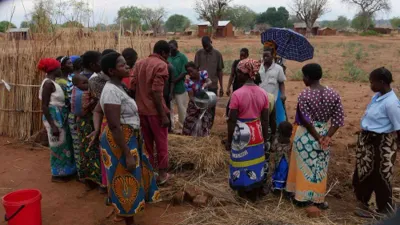
LearnFood & GardenDar es SalaamMazaoHub AI soil testing for smallholdersPersonal agronomic advice at field scale MazaoHub (Dar es Salaam, Tanzania) combines AI-powered soil testing with personal agronomic advice. Impacc reports 54,000 smallholder farmers already using the service, with average yield gains of 150% per hectare. The goal is resilient agriculture for Tanzania, and eventually across Africa. What you can do - Enrol as a smallholder farmer to access soil testing and tailored crop guidance - Host a farmer field day demonstrating how data-led advice reduces guesswork on fertiliser and planting - Adapt the model: mobile soil labs plus agronomists who speak the language of local plots How to participate - Follow enrolment and service-area updates on the MazaoHub portfolio page Why it matters Food sovereignty starts in the soil. Affordable testing plus human advice turns marginal farms into reliable community food sources.agriculturesoilAI +2
Join inFood & GardenAccraGhana Cocoa Traceability System for smallholdersTrack every bean from farm to European port Ghana's 800,000 smallholder cocoa farmers supply up to 65% of exports to the EU. The Ghana Cocoa Traceability System (GCTS), launched for the 2025/26 harvest with GIZ support, tracks beans from pod to port, proving sustainable production for European buyers while raising farm incomes. What you can do - Cocoa cooperatives: register farms on GCTS and keep GPS polygon maps current - Chocolate brands and buyers: source through traceable lots that meet EU due-diligence rules - Students and advocates: learn how traceability backs forest protection and child-labour safeguards How it works The Ghana Cocoa Board coordinates nationwide rollout; transparency platforms like SASI link Ghanaian farms with European ports such as Hamburg and Rotterdam. Why it matters Traceability turns a commodity crop into verified livelihoods, farmers benefit when the chain is visible.cocoatraceabilityGhana +2
LearnFood & GardenBlantyreLearn permaculture plots in MangochiLearn permaculture plots in Mangochi Welthungerhilfe and the Kusamala Institute teach permaculture, beekeeping, and forest-friendly farming in twenty villages near Mangochi. What you can do in Blantyre - See how 2,400 households receive climate-tolerant seed and tools on the Malawi climate adaptation page - Join lead-farmer trainings on water harvesting and diversified plots in Mangochi district - Help village nurseries plant 800,000 seedlings beside the Phirilongwe forest reserve How to join Participation is for farming households in the project villages. The page does not list open tourist visits. NGOs and donors can fund the programme via Welthungerhilfe. Why it matters in Blantyre Illegal charcoal and drought pushed families to cut forests. Permaculture gardens and tree nurseries break the hunger–deforestation loop. Good to know - Who trains farmers? Kusamala Institute of Agriculture and Ecology with Welthungerhilfe. - Is the project active? Status laufend on the project page.permacultureforestsclimate +1
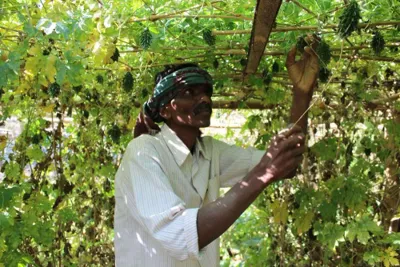
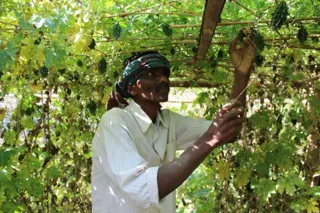
Join inFood & GardenNew DelhiSwitch to organic plots in OdishaSwitch to organic plots in Odisha The Back to Bio programme retrains government advisers and 40,000 smallholders in West Bengal and Odisha to drop costly chemical inputs. What you can do in New Delhi - Follow diversification plots and mushroom huts on the India organic agriculture page - Join farmer field schools on compost, ox teams, and multi-crop beds when local partners announce dates - Link to four new cooperatives and forty urban shops selling direct from small farms How to join Training seats go to registered farmers and government extension staff in the project districts. City readers can buy from listed fair shops when partners publish addresses. Why it matters in New Delhi Debt from agrochemicals drove many families to sell land. Mixed organic plots keep food on the table when one crop fails. Good to know - How many advisers? The page cites 2,000 state advisers training 40,000 farmers. - Project dates? Listed December 2020 to November 2025 with 2026 budget on the facts panel.organicsmallholdersbiodiversity +1