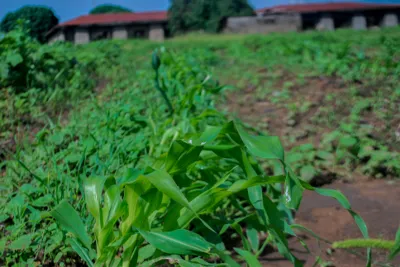
LearnFood & GardenYaxunahLoan heirloom seeds like a neighbourhood libraryLoan heirloom seeds like a neighbourhood library In Yaxunah, Yucatán, nine women run K'an-Lol ("the flower of good corn" in Yucatec Maya): a community seed bank that loans traditional maize, beans, chilies, and other crops at no cost. Borrowers plant their milpa, harvest, and return fresh seed so the stock stays alive for the next season. Most users are subsistence farmers feeding their families, with small surpluses sometimes reaching local markets. The bank is a library, not a shop: seeds move in circulation instead of sitting in a vault. Fundación Haciendas del Mundo Maya supports the project alongside local volunteers. Surplus garden produce can reach buyers through Traspatio Maya (Instagram). What you can do - Visit Yaxunah when community programmes are open and ask how the seed bank lends and receives maize (see Yucatán Magazine coverage) - Message Traspatio Maya to order a guacal of fresh produce from Yaxunah growers when you are in the region - Replicate the pattern at home: labelled jars, a simple loan ledger, and a rule to return double the borrowed grain if you cannot swap seed immediately (as Yaxcabá neighbours describe for their bank) - Pair seed saving with nixtamalization skills so heirloom maize becomes tortillas and staples again, not just decoration How it works Farmers borrow seed, grow in milpa plots, and return after harvest. Varieties such as nuuk nal (reddish maize) stay in use even though they need more care than industrial hybrids. Coordinators track loans; partners like FHMM help with training and fair-trade outlets. There is no fixed online booking: contact organisers through community channels or partner foundations before you travel. Why it matters Imported kernels can cross-pollinate native fields. A seed library keeps criollo genetics in farmers' hands, not only in policy speeches. It is low-tech mutual aid that scales one neighbourhood at a time.seedlibrarymilpa +2
Join inCommunityAmsterdamJoin the European Rewilding NetworkConnect with 100+ field rewilding initiatives The European Rewilding Network (ERN) links action-focused projects across 30+ countries so members swap know-how on species comebacks, community engagement, and natural grazing. What you can do - Explore members on the ERN map and list - If you run a long-term rewilding initiative, apply via the network application form (contact ern@rewildingeurope.com) - Attend Rewilding Intros webinars and member exchanges listed on Rewilding Europe's channels What members gain - Peer connections across Europe, quarterly ERN Updates, and promotion through Rewilding Europe communications - Access to facilities such as the Natural Grazing Facility and European Wildlife Comeback Fund when criteria are met Why it matters Landscape-scale change spreads faster when practitioners learn from each other's wins and honest failures.ERNnetworkrewilding +2
FundraiseCommunityBrasiliaFind solidarity economy programmesFind solidarity economy programmes Solidarity fairs and exchange networks across Brazil swap goods and skills without treating neighbours as customers only. City portals often list feira de troca days and partner NGOs. What you can do in Brasil - Browse a Recife city portal and search for economia solidaria or feira de troca - Search your city for banco de trocas or mutual-aid fairs - Visit a fair or exchange point and ask how to volunteer or donate goods How to join Each city names its fairs on municipal or partner pages. The linked portal does not set hours for every neighbourhood: open the local listing or call the social development desk. Why it matters in Brasil Swaps and solidarity fairs keep useful things in circulation, build trust on the block, and celebrate neighbours as co-builders, not only consumers. Good to know - Do I need cash? Many exchange fairs work with tickets or direct swaps. The local page states the rules. - Can I donate items? Most fairs accept clean clothes, books, and tools. Ask organisers what they take this week.solidarityexchangemutual-aid +2