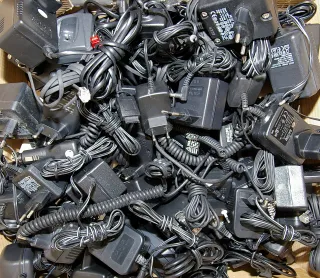
Programme nearbyRepair & ReuseBrasiliaDrop electronics at a DF voluntary delivery pointDrop electronics at a DF voluntary delivery point Brasília runs two public pathways for leftover electronics, and both ask residents to walk a device to a box rather than the ordinary bin. Reciclotech (SECTI-DF with Programando o Futuro) lists voluntary delivery points (PEVs) for computers, phones, cables, batteries, and similar gear. A separate reverse-logistics map from SLU-DF (Sema-DF with Abree) covers electroelectronics and household appliances, plus other take-back streams. What you can do - Look up Reciclotech PEVs on the SECTI PEV table (that page listed 149 active points when last updated 13 October 2025; the Reciclotech overview still says 102, so use the table) - Check the SLU reverse-logistics map and filter by residue type; Sema notes that the local Abree operator also keeps 9 of its own delivery points - Take small IT, phones, cables, and batteries to a Reciclotech box; use the SLU map for bulky appliances and for streams that are not electronics - Do not treat the whole map as electronics-only: the same network also receives medicines, cooking oil, tyres, glass, and x-ray plates How it works Reciclotech PEVs are boxes placed in regional administrations, metro stations, parks, SESC/SESI units, and other busy spots. The programme then sorts what can be repaired, donated, or recycled. Sema-DF's agreement with Abree (signed 24 September 2021) covers collection, transport, and environmentally adequate destination, executed locally by Zero Impacto. Confirm the current list on the official table or map before travelling: counts disagree across pages, and hours are not published as a single timetable. Why it matters A walk-up box is the lowest-friction circular step in a capital that otherwise sends metal, plastic, and batteries into ordinary waste. Neighbours keep gold, copper, and working machines in the city instead of in the soil.e-wastedropoffelectronics +2
Programme nearbyRepair & ReuseBrasiliaBook a free home pickup for heavy appliancesBook a free home pickup for heavy appliances Fridges, washers, and other bulky electroelectronics are awkward to carry to a box. Under the Sema-DF agreement with Abree, the local operator offers free home collection so a household can return a heavy appliance without hiring a truck. What you can do - Read the pickup rules on SLU-DF: Pontos de Coleta / Logística Reversa - Use the collection form linked from that page (scheduling window stated there as 9h to 17h) - Prepare any electroelectronic or appliance above 30 kg; below 30 kg the operator assesses the load case by case - Keep small cables and phones for a Reciclotech PEV if a home visit is not needed How it works Sema-DF is the reverse-logistics manager for the Distrito Federal. Abree handles collection, transport, and destination; Zero Impacto executes the service locally. After you submit the form on the SLU page, the operator confirms a date. Solarpunker does not take bookings and does not publish phone numbers: stay on the official page. Why it matters A free pickup turns the heaviest, most toxic leftover machines into a doorstep habit instead of a dumped fridge on a lot. Reverse logistics only works when the awkward items move too.e-wasteappliancescollection +1
Programme nearbyCommunityBrasiliaRun a school e-waste gincanaRun a school e-waste gincana Reciclotech takes collection into schools and streets: gincanas for electronic drop-off, community caravanas, and talks on environmental education. A class that competes to fill a PEV is practising reverse logistics, not sitting through a slide deck. What you can do - Ask your school or regional administration to host a Reciclotech gincana; the pattern is described on Programando o Futuro: Reciclotech - Pair the contest with a visit to a nearby PEV so students know where the box lives after the event - Invite a Reciclotech talk or caravana into a community space, then keep a standing drop-off rather than a one-day pile - Teachers: use the gincana as a replicable template (teams, weighed haul, repair story), not as a dated fixture on this page How it works The executor lists palestras, caravanas in communities, and gincanas for electronics drop-off as standing education actions. No public calendar of the next school contest was on the pages, so treat this as a pattern to request, not as a ticketed date. Sema-DF coverage of the Abree agreement also mentions school gincanas alongside drive-thru days. Why it matters A school that weighs its leftover phones together learns that waste is a team sport. The next PEV in that RA is easier to keep full.schoole-wasteeducation +1
Programme nearbyCommunityBrasiliaBring a drive-thru collection day to your regionBring a drive-thru collection day to your region Reciclotech also pitches tents in the Regiões Administrativas so a resident can drop electronics without leaving the car. The format is a neighbourhood collection day, not a permanent shop. What you can do - Watch SECTI Reciclotech and Programando o Futuro channels for the next drive-thru tent in your RA - Ask your Administração Regional to request a date: the official description is tents at strategic points so the public can discard e-waste without getting out - Bring only Reciclotech-accepted electronics (IT, phones, cables, batteries, small appliances as listed on the programme pages); leave cooking oil and tyres for the SLU map - If no tent is scheduled, use a standing PEV this week instead of waiting How it works The Reciclotech overview describes drive-thru actions alongside PEVs as the two private-source collection routes. Sema-DF / Abree coverage likewise mentions drive-thru days. No standing calendar was published on the official pages, so this is a recurring pattern to request, not a pinned date. Confirm the RA and accepted materials on the organiser's announcement before you queue. Why it matters A tent in the parking lot meets people where they already move. Collection that fits a Saturday errand will outperform a lecture about what should not go in the grey bin.drive-thrucollectionneighbourhood +1
Programme nearbyRepair & ReuseLagosComputer Village circular e-waste: LagosPut one device on the market: recycle one in Lagos In Computer Village, Lagos's electronics trading hub, traders collect end-of-life laptops and phones for professional recycling. GIZ piloted a “put one on the market, recycle one” model with Closing the Loop and local partners, buyers in the Global North fund proper recycling when new devices sell. The model is shared worldwide through the PREVENT Waste Alliance (GIZ secretariat). What you can do - Repair shops and traders: connect with programmes that pay for whole devices sent to certified recyclers instead of informal dismantling - European buyers: choose suppliers enrolled in compensation schemes for African e-waste fractions - Circular-economy groups: join PREVENT working groups on problematic e-waste fractions How it works Middlemen like Iliya Abba's warehouse in Computer Village ship intact devices to recyclers such as Hinckley in Lekki; PREVENT scales the financing model across countries. Why it matters Fair recycling needs fair finance, bonused take-back beats toxic backyard burning.e-wasteLagoscircular-economy +2