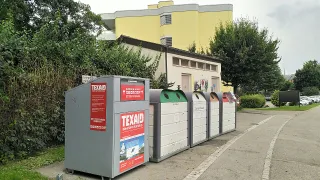
Programme nearbyRepair & ReuseWarsawPoland: mandatory textile separate collection from January 2025Used clothes now have their own bin: municipalities need to keep up Poland introduced mandatory separate collection of textile waste from 1 January 2025: a legal obligation for municipalities to provide dedicated textile collection infrastructure. The Polish Zero Waste Association is supporting municipalities in building education campaigns and collection systems to meet the new requirement, which affects how residents discard old clothing, fabric, and accessories. What the obligation means - Municipalities must provide clearly marked textile collection points or door-to-door collection for used clothing and fabric - Retailers above a certain threshold must accept back textiles sold in their stores - Residents no longer need to find a charity shop: the municipal infrastructure now handles textile waste How to engage - Polish residents: check where your nearest textile collection point is and use it for worn-out clothing you can't donate or sell - Municipalities: contact Polish Zero Waste Association for education campaign templates in Polish explaining the new collection obligation to residents - Textile retailers: ensure your in-store textile take-back complies with the January 2025 regulation: contact the Association for guidance Why it matters The EU's extended producer responsibility push is bringing textile collection mandates across Europe. Poland's January 2025 launch makes it one of the earlier adopters, and the Polish Zero Waste Association's work building municipal capacity will inform how similar programmes roll out across the region.textilescollectionpolicy +2
Programme nearbyRepair & ReuseBrasiliaBook a free home pickup for heavy appliancesBook a free home pickup for heavy appliances Fridges, washers, and other bulky electroelectronics are awkward to carry to a box. Under the Sema-DF agreement with Abree, the local operator offers free home collection so a household can return a heavy appliance without hiring a truck. What you can do - Read the pickup rules on SLU-DF: Pontos de Coleta / Logística Reversa - Use the collection form linked from that page (scheduling window stated there as 9h to 17h) - Prepare any electroelectronic or appliance above 30 kg; below 30 kg the operator assesses the load case by case - Keep small cables and phones for a Reciclotech PEV if a home visit is not needed How it works Sema-DF is the reverse-logistics manager for the Distrito Federal. Abree handles collection, transport, and destination; Zero Impacto executes the service locally. After you submit the form on the SLU page, the operator confirms a date. Solarpunker does not take bookings and does not publish phone numbers: stay on the official page. Why it matters A free pickup turns the heaviest, most toxic leftover machines into a doorstep habit instead of a dumped fridge on a lot. Reverse logistics only works when the awkward items move too.e-wasteappliancescollection +1
Programme nearbyCommunityBrasiliaBring a drive-thru collection day to your regionBring a drive-thru collection day to your region Reciclotech also pitches tents in the Regiões Administrativas so a resident can drop electronics without leaving the car. The format is a neighbourhood collection day, not a permanent shop. What you can do - Watch SECTI Reciclotech and Programando o Futuro channels for the next drive-thru tent in your RA - Ask your Administração Regional to request a date: the official description is tents at strategic points so the public can discard e-waste without getting out - Bring only Reciclotech-accepted electronics (IT, phones, cables, batteries, small appliances as listed on the programme pages); leave cooking oil and tyres for the SLU map - If no tent is scheduled, use a standing PEV this week instead of waiting How it works The Reciclotech overview describes drive-thru actions alongside PEVs as the two private-source collection routes. Sema-DF / Abree coverage likewise mentions drive-thru days. No standing calendar was published on the official pages, so this is a recurring pattern to request, not a pinned date. Confirm the RA and accepted materials on the organiser's announcement before you queue. Why it matters A tent in the parking lot meets people where they already move. Collection that fits a Saturday errand will outperform a lecture about what should not go in the grey bin.drive-thrucollectionneighbourhood +1
Programme nearbyCommunityMunichJoin a Nachbarschaftstag in your district in MunichJoin a Nachbarschaftstag in your district in Munich AWM sets up temporary neighbourhood collection points so residents can walk bulky items, scrap, small electrics, and textiles (max in Munich. two 60 L bags) without driving to a Wertstoffhof. What you can do - Bring bulky items, scrap, small electrics, and textiles (max. two 60 L bags) to temporary neighbourhood collection points - Email vertrieb.awm@muenchen.de if your sustainability group wants to co-host repair corners, bike fixes, or clothing swaps Why it matters Walk-up collection points make bulky disposal neighbourly, fewer car trips to remote yards.neighbourhoodcollectionevents