Programme nearbyRewildingDarmstadtWalk the Lincoln sponge quarterVisit a climate-adapted neighbourhood The Lincoln-Siedlung in Darmstadt is a lived example of sponge-city thinking. Built on a former US Army base in 2016, the quarter mixes modernist apartments, decentralized rainwater storage, and planted open spaces. The centrepiece is the Quartierspark, which will soon add 19 native trees and unsealed pathways to cool the microclimate by up to 5 °C on hot days. What you can do - Walk through the neighbourhood and rest in the Quartierspark shade and seating - See how unsealed surfaces and clustering trees beat the heat without gentrification - Talk to residents about what it means to live in a quarter that listens to its people How it works Darmstadt's planning started with a neighbour survey in 2025. Residents asked for more green, shade, and gathering space. The city acted on those wishes directly in the rebuild plan. Participation was design input, not decoration. Why it matters This is how equitable cooling works: hear people, plan together, build for health and joy. The Lincoln quarter shows climate adaptation can mean shared outdoor life and neighbourhood identity, not just infrastructure.sponge cityplazashade +2
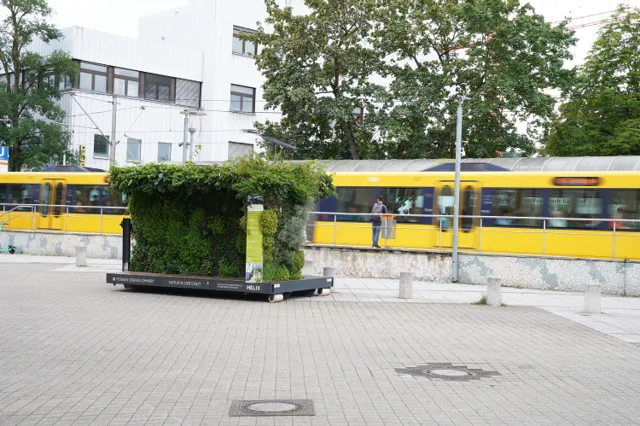
Programme nearbyRewildingStuttgartSit in a Mobiles Grünes ZimmerRest in a rolling green room on the plaza Helix's Mobiles Grünes Zimmer is a freestanding green wall and kiwi trellis on a roll-off container: shade, edible herbs, seating, and a climate-adaptation demo that cities, schools, and citizen groups can host. Since 2016 the rooms tour public squares, stations, and events across Germany. What you can do - Sit and cool off when a room is deployed near you (Stuttgart-Feuerbach station plaza has hosted one) - Ask your school, Ortsbeirat, or Bürgerinitiative to host a room for a festival, heat day, or neighbourhood pop-up - Use the side panels as a meeting point for climate and greening talks How it works A truck drops the pre-grown room; Helix handles most care. Local organisers top up the water tank. Residents get an instant cool oasis without digging the square. Why it matters Heat islands become places to linger. Neighbours feel what green infrastructure can do before permanent plantings arrive.mobile greenshadeplaza +2
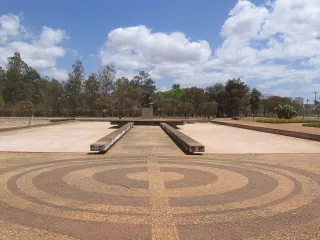
Programme nearbyCommunityBrasiliaAdopt a public square in the DFAdopt a public square in the DF The Governo do Distrito Federal programme Adote uma Praça lets residents, companies, and institutions maintain and improve plazas, gardens, roundabouts, and other public spaces through formal cooperation terms. Cultiva Lab itself sits in this programme: civic care making the capital greener and shadier block by block. What you can do - Read the programme overview on the GDF Adote uma Praça page - Download forms and the adopter manual from SEPE documentos - File a request at your Administração Regional or via E-Protocolo for a square you want to steward - Partner with neighbours or a local organisation on native planting, shade trees, water infiltration, lighting, or accessibility How it works SEPE coordinates terms of cooperation after Seduh viability checks. Hundreds of spaces across the DF have been adopted; officials cite more than 200 active spaces citywide. Adoption is voluntary maintenance and improvement, not ownership of public land. Why it matters Shade, permeable ground, and native species are the cheapest climate adaptation a hot inland capital has, and a tended square is where neighbours meet the people they will build the rest with.plazacivicgardening +2