Programme nearbyRewildingDarmstadtWalk the Lincoln sponge quarterVisit a climate-adapted neighbourhood The Lincoln-Siedlung in Darmstadt is a lived example of sponge-city thinking. Built on a former US Army base in 2016, the quarter mixes modernist apartments, decentralized rainwater storage, and planted open spaces. The centrepiece is the Quartierspark, which will soon add 19 native trees and unsealed pathways to cool the microclimate by up to 5 °C on hot days. What you can do - Walk through the neighbourhood and rest in the Quartierspark shade and seating - See how unsealed surfaces and clustering trees beat the heat without gentrification - Talk to residents about what it means to live in a quarter that listens to its people How it works Darmstadt's planning started with a neighbour survey in 2025. Residents asked for more green, shade, and gathering space. The city acted on those wishes directly in the rebuild plan. Participation was design input, not decoration. Why it matters This is how equitable cooling works: hear people, plan together, build for health and joy. The Lincoln quarter shows climate adaptation can mean shared outdoor life and neighbourhood identity, not just infrastructure.sponge cityplazashade +2
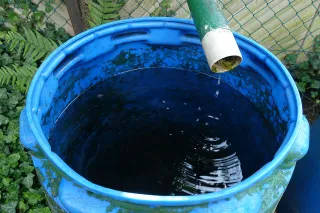
Programme nearbyCommunityDarmstadtApply for Darmstadt green and water grantsFund your own cooling and water projects Darmstadt offers grants (Förderprogramme) for residents and businesses to plant trees, install rainwater cisterns, set up greywater recycling, and add green roofs. The city pays for up to five high-stem fruit trees per household within city limits. Solar panel subsidies, drip irrigation, and water-storage retrofits are also supported. These tools make climate adaptation an action anyone can start. What you can do - Check which grants apply to your garden or yard (trees, cisterns, greywater systems) - Apply for city funding to cover part or all of the cost - Plant native species that tolerate drought and feed bees - Store rainfall where it lands so it feeds soil, not the sewer How it works Contact the Umweltamt or Grünflächenamt with your project idea. The city reviews and approves applications that meet climate adaptation criteria. Funding covers installation; you commit to maintenance and a 5-year tenure. Why it matters Individual properties add up. When hundreds of households unseal parking, plant trees, and hold rainwater, the neighbourhood cools faster and stormwater no longer overwhelms drains. Micro-actions become macro resilience.grantstreeswater +2
Programme nearbyRewildingDarmstadtExplore Ludwigshöhviertel as sponge districtWalk through another climate-smart quarter The Ludwigshöhviertel, like Lincoln, was redesigned as a sponge district: rainwater versickert into sand beds, big trees are placed to lower surface temps, roofs are green where possible. Residents can see native plants and birds return to what was sealed ground. The city's freiraumplanung (public space strategy) treats both quarters as replicable patterns, not one-off projects. What you can do - Visit the neighbourhood and notice where water is held, where shade grows, where kids can play - Compare sealed vs unsealed streets and feel the temperature difference - Ask your neighbourhood Ortsbeirat if similar patterns could apply locally How it works Both quarters use the same toolkit: entsiegelung (unsealing), water-optimized tree spacing, green roofs, and stormwater that feeds the soil rather than the sewer. The city tests ideas at scale before rolling out guidance to private owners. Why it matters Once you see and feel the difference between a sponge plaza and a heat-island car park, you can't unsee it. These neighbourhoods show the shift is possible within a single city.sponge citygreen roofsneighbour +2
Programme nearbyCommunityDarmstadtFollow Darmstadt's sponge-city climate planJoin the city's climate adaptation pathway Darmstadt adopted a Klimaanpassungsplan (climate adaptation plan) in late 2025, funded by the German federal ministry. The plan sets sponge-city principles as the core response to heat waves, floods, and droughts. Residents can join summer Klimaspaziergänge (climate walks) to see projects first-hand and voice ideas for their own streets. What you can do - Attend a Klimarundgang (climate walk) in your neighbourhood (Heimstätte series starts in August 2026) - Read the Klimaanpassungsplan to understand the city's vision - Tell the Amt für Klimaschutz und Klimaanpassung which streets most need cooling or water management How it works The city runs thematic walks that show how cooling, water, and green connect. Participants learn why certain trees were chosen, how mulch holds moisture, why curb greening works. The walks are part of how the city builds shared literacy around climate action. Why it matters A plan is only as strong as the people who understand it and hold the city to it. These walks turn climate science into lived experience and community feedback loops.climate planparticipationwalk +2
Programme nearbyCommunityDarmstadtJoin Darmbach e.V. for stream daylightingAdvocate for living water in the city Darmbach e.V. is a 160-member civic group founded in 2008 to uncover and restore the Darmbach stream, which has flowed underground since 1970. The group argues that visible, flowing water cools the city, supports ecology, cuts stormwater costs, and reconnects residents to hydrology. Membership costs €5/year and joins a landscape-scale advocacy effort. What you can do - Join Darmbach e.V. (€5/year) and attend planning meetings and site walks - Learn why daylit streams are cheaper and cooler than hidden pipes - Advocate to your Ortsbeirat for a Darmbach section in your ward - Support the group's dialogue with city planners about Masterplan 2030+ How it works The group documents the stream's path, teaches residents about its history and ecology, and pushes municipal decision-makers to prioritize water visibility in climate plans. Each win (unsealing a section, adding a cascade) changes how a place feels and what people expect. Why it matters Hidden water is invisible infrastructure. Daylit streams are gathering places, cooling corridors, and signs that the city listens to residents who know their watershed. This is how urban hydrology shifts from pipes to commons.streamdaylightingadvocacy +2