Programme nearbyCommunityBrusselsStart a mutual-aid time bank in your neighbourhoodTurn an hour of help into an hour you can receive TimeBanks connect neighbours who trade skills without cash: one hour of tutoring, transport, or garden work earns one hour you can spend when you need support. The model builds trust block by block. What you can do - Browse the TimeBank map and directory for an existing circle near you - Read how TimeBanking works and list three skills you could offer this week - Use the start a TimeBank guide if your area has no active group yet How it works Members log hours when they give or receive help. Coordinators run orientations, match offers to requests, and keep the ledger fair: every hour counts the same, whether you fix a bike or cook a meal. Why it matters Time banks keep care local when wages and prices squeeze households. They reward contributions mainstream markets overlook.time-bankmutual-aidskills +2
Programme nearbyCommunityNairobiImpacc startup cohort for African foundersApply for venture building and patient capital Impacc selects stellar entrepreneurs with a social mission, innovative, local, green businesses that can create jobs at the base of the pyramid. Founders who pass due diligence join a cohort with capacity building, board-level support, and capital to scale proven impact models. What you can do - If you are an African founder with a working business model and measurable community impact, review eligibility on Join the Cohort - Prepare evidence of traction, job creation, and ecological sustainability: Impacc prioritises outstanding female founders - Connect peer founders in your city with the programme if they are stuck between aid grants and commercial investment How to participate - Apply through the official Impacc cohort page (requirements and timelines are published there) - Impacc works in Ethiopia, Ghana, Kenya, Tanzania, and Uganda, with offices in Hamburg, Nairobi, and Addis Ababa Why it matters Too many great enterprises stall in the "missing middle." A structured cohort lowers the risk for founders who already serve their communities but need patient partners to grow.founderscohortAfrica +2
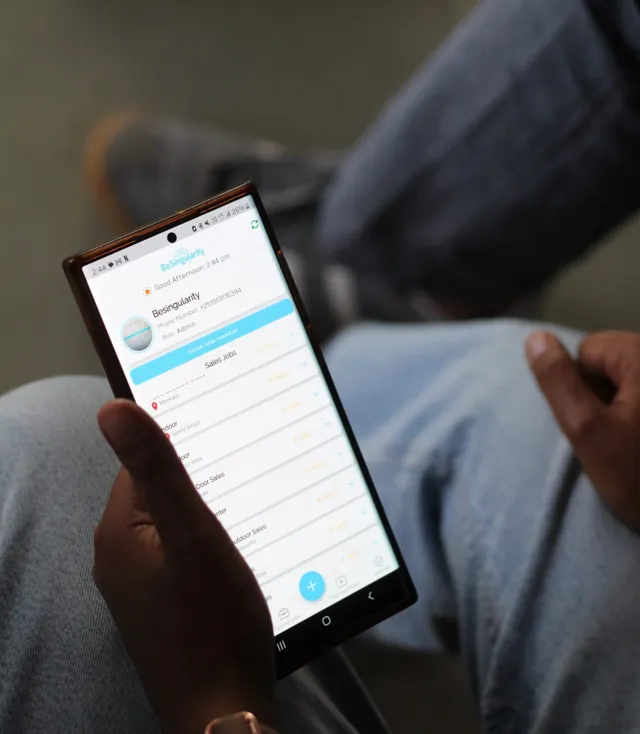
Programme nearbyCommunityAddis AbabaBeSingularity youth sales trainingPractical sales skills for young job seekers BeSingularity (Addis Ababa, Ethiopia) tackles youth unemployment by training young people in practical sales skills. Led by a women-driven team, the programme has already trained more than 10,000 young people according to Impacc's portfolio listing. What you can do - Apply to training cohorts as a young person seeking employable sales skills - Partner as a local business willing to mentor graduates or offer trial placements - Replicate the model: short, practical sales labs linked to real products communities already need How to participate - Check current intake dates via the BeSingularity portfolio page Why it matters First jobs often start with confidence and a single marketable skill. A women-led training house that measures graduates in the thousands shows what neighbourhood-scale workforce building can look like.youthtrainingjobs +2
Programme nearbyCommunityHamburgPatient capital for African social startups in HamburgPatient capital for African social startups in Hamburg Impacc is a non-profit based in Germany, Kenya, and Ethiopia that uses business tools for social change in Hamburg. Instead of funding aid projects that end when the money runs out, Impacc invests donations in locally rooted, ecologically sustainable businesses, then reinvests any exit returns into the next cohort of founders. What you can do - Study Impacc's Cycle of Growth: due diligence on outstanding (often female) founders, patient capital to de-risk growth, and board support that helps companies attract follow-on investment - Adapt the model for your city: a revolving community fund that backs neighbourhood enterprises rather than one-off grants - Share the gap narrative with local policymakers: entrepreneurs who are too business-like for traditional aid but not yet bankable for commercial investors How it works (paraphrased) 1. Enable founders, select innovative models with job-creation potential in underserved markets 2. De-risk capitalization, scale proven ideas with venture building and patient capital 3. Perpetuate growth, minority stakes, board seats, and reinvestment of exits into new rounds (Impacc does not keep profits) Why it matters Development engines should keep running. A non-profit that treats social startups like long-term community assets gives builders a bridge between charity and venture capital.patient-capitalsocial-enterpriseAfrica +2
Programme nearbyCommunityBonnSpend a youth year repairing heritageSpend a youth year repairing heritage The Jugendbauhütten offer ages 16 to 26 a full Freiwilliges Soziales Jahr (or BFD) in monument care. You learn timber, metal, plaster, stone, or garden skills on real buildings, with seminars that link craft to European heritage. The programme is a DSD project carried by the Internationalen Jugendgemeinschaftsdienste (ijgd). Mobile Denkmalrettercamp weeks (for example the June 2026 camp at Kramers Gut in Helmstedt) show the same spirit: short, practical teams that repair endangered fabric. Apply for the year-round hut pathway, not a one-off camp that has already closed. What you can do - Read the Jugendbauhütten overview - Apply via the Bewerben form for the next FSJ year (do not paste personal data into third-party tools) - Prefer a hut near you, or the Internationale Jugendbauhütte Berlin for urban craft and a Schöneweide workshop campus - Ask about mobile teams if you want city-wide repair rather than a single site How it works Service usually runs about twelve months from September. You need to have finished full-time school duty and be ready for hands-on work. Placement mixes workshop days, site work, and seminar weeks. Why it matters Young builders keep endangered houses standing and often stay in craft or conservation careers. Mutual aid across generations turns heritage into a living workshop.youthFSJvolunteer +2
Programme nearbyRepair & ReuseNairobiAfrica Collect Textiles upcyclingUniforms, jeans, and carpets from discarded textiles Africa Collect Textiles (ACT) in Nairobi pioneers textile recycling, turning used guard uniforms into backpacks, weaving carpets from old jeans, and producing filling material for furniture makers. What you can do - Donate clean used textiles at ACT collection points where available - Commission upcycled products for schools, clubs, or community spaces - Replicate the model: sort, shred, and design new goods from fibres already in the city How to participate - Check collection and product lines on the ACT portfolio page Why it matters Fast fashion's waste stream is a local materials bank when designers and collectors work openly together.textilesupcyclingrecycling +2
Programme nearbyCommunityBrusselsLaunch a worker cooperative through Solidarity Economy EuropeShare ownership and decisions at work RIPESS Europe links worker cooperatives, social enterprises, and mutual-aid networks that put solidarity ahead of shareholder profit. Worker co-ops let employees own and steer the business together. What you can do - Read the Solidarity Economy in Europe overview and map co-ops near you - Connect with RIPESS Europe member networks for start-up advice - Visit a local worker cooperative and ask how they handle hiring, surplus, and one-member-one-vote governance How it works Founders draft bylaws for democratic control, equal voice, and shared risk. Sector federations help with legal setup, training, and inter-cooperation so small co-ops can bid for contracts together. Why it matters Worker ownership keeps wealth with the people who create it. It opens stable jobs for workers excluded from extractive firms.cooperativeworkersolidarity +2
Programme nearbyCommunityParisMap and grow a local solidarity economy networkLink co-ops, time banks, and fair-trade groups on one map Solidarity economy networks across Europe share tools, swap suppliers, and run joint fairs so residents can find ethical work, housing, and food in one place. RIPESS Europe coordinates more than 40 national and sectoral members. What you can do - Browse RIPESS Europe members and note groups active in your city - Host a neighbourhood mapping evening: list co-ops, mutual-aid circles, and community finance projects on one wall - Propose a joint stall or repair swap with two groups that have never met How it works Territorial networks run annual assemblies, share case studies, and connect practitioners with policy allies. Local chapters translate the model into street-level events: markets, open days, and skill shares. Why it matters Visibility helps people choose solidarity providers over anonymous chains. Cross-linking turns isolated projects into an ecosystem neighbours can navigate.cooperativeworkersolidarity +2
Programme nearbyCommunityLondonExchange skills with hOurworld community time creditsLog an hour given, spend an hour received hOurworld hosts hundreds of time banks where members record service hours and spend credits locally: tutoring, transport, pet care, or admin help, all valued equally. What you can do - Search the hOurworld directory map for a circle near London - Read TimeBanking 101 and post your first offer - Follow the start a TimeBank steps if you want to launch a new group with neighbours How it works Providers and receivers agree on a task, log hours in the platform, and build credit balances. Community funds seed new members so exchanges start before anyone runs a deficit. Why it matters Equal-hour accounting dignifies unpaid care and odd-hour skills. Networks activate quickly after floods or heat waves because trust already exists.time-bankmutual-aidskills +2
Programme nearbyCommunityBrusselsLaunch a neighbourhood skills auditMap who can teach what on your block Energy cooperatives and ecofeminist networks both start by asking: which skills already live here? REScoop.eu trains starters to inventory local expertise before building projects. WECF partners use similar audits to match mentors with women entering climate work. What you can do - Download starter guidance from REScoop.eu services and list skills your street could share - Facilitate a one-evening audit: repairs, childcare, translation, solar wiring, gardening - Pair two neighbours for a skill swap and log what equipment a future hub would need How it works Volunteers collect offers and requests on a wall or shared spreadsheet. Coordinators connect matches and note gaps for workshops or tool libraries. The audit repeats each season as people join or learn. Why it matters Mutual aid scales when skills are visible. Audits surface elders, migrants, and carers whose know-how rarely appears on job sites.skillsauditmutual-aid +2
Programme nearbyCommunityLeipzigCommission Fairmined jewellery with local goldsmithsAsk your jeweller for metal with a fair mine story Fairever in Leipzig supplies Fairmined and Fairtrade gold and silver to goldsmiths and makers across Europe. Premiums flow back to artisanal mining communities for schools, safer chemicals, and restoration. Other seals (Green Gold, Auropelli, LBMA Responsible Sourcing) exist — ask what each certificate actually covers, then choose craft over anonymous bars. What you can do - Commission a ring, repair, or remake and ask your local goldsmith to order Fairmined or Fairtrade half-products via Fairever - Browse the Fairmined supplier page for Fairever for alloys and casting grain - Read Fairtrade Deutschland’s gold background before you shop How it works Makers order certified grain, wire, or sheet. Independent audits check labour, mercury-free methods, and premium payments. Your piece carries a traceable chain instead of anonymous scrap-mix metal. Why it matters Jewellery can celebrate love without funding conflict or poisoned rivers — when neighbours and makers pull the same fair supply.fairminedfairtradejewellery +2
Programme nearbyCommunitySalzgitterUse SOS Mütterzentrum skills and shared rooms in SalzgitterUse SOS Mütterzentrum skills and shared rooms in Salzgitter The SOS-Mütterzentrum in Salzgitter-Bad is a multi-generation house with a public café, shared meals, and skills rooms. Some training tracks are Jobcenter measures. The café itself is a public living-room, not a private club. This is not the waldundtal café. What you can do - Sit in the public café on weekdays (Mehrgenerationenhaus listing: Monday to Friday 07:00 to 17:00; confirm same-day café hours on the house page) - Share breakfast (about 08:30 to 10:30), lunch (about 12:15 to 13:30), or afternoon coffee from 14:15 - Ask about skills and qualification rooms. Some tracks need a Jobcenter referral How it works Walk into the café as a guest. Training places are organised with Jobcenter Salzgitter and partners. Solarpunker does not enrol you on a measure. Why it matters Shared rooms plus practical skills keep care, meals, and learning in one neighbourhood house.skillscafegenerations +1
Programme nearbyCommunityGüterslohVisit the Makerspace open workshop in GüterslohVisit the Makerspace open workshop in Gütersloh Makerspace Gütersloh e.V. is a free-to-visit community workshop in Die WEBEREI, Bogenstraße 1-8. Guests may look around without paying. Machine use after instruction is for members. The shop is open when a member is actually inside, so always check the door status. What you can do - Read Mitmachen and drop in as a guest when the sidebar shows the door open - Confirm 2026 hours and the live door lamp before you travel - Download a membership form if you want to work on machines How it works Entry is free. Members fund tools and get votes. This seed does not cover the first-Saturday repair café in the city library. Solarpunker does not open the workshop. Why it matters A guest-friendly workshop puts tools and peer teaching in a cultural mill, without a shop till at the door.workshoptoolsmakerspace +1
Programme nearbyRepair & ReusePforzheimBorrow from the foyer locker in PforzheimBorrow from the foyer locker in Pforzheim Since August 2024 Stadtbibliothek Pforzheim lends tools, sports kit, instruments, and other rare-use objects from a media locker in the foyer at Deimlingstraße 12. Holders of a valid card aged 18+ can take up to two objects for two weeks, at no extra object fee. What you can do - Open the locker like a self-issue station during central library hours - Suggest further objects via media-wish cards or the online catalogue (more than 50 items in the live catalogue) - Return objects only at the Zentrale during opening hours, not after hours How it works Tuesday to Friday 11:00 to 19:00, Saturday 10:00 to 17:00. Monday closed. The 24/7 outdoor book return does not take library-of-things objects. Why it matters A foyer locker turns a one-off drill or racquet into a two-week trial instead of a purchase.borrowlockerlibrary +1