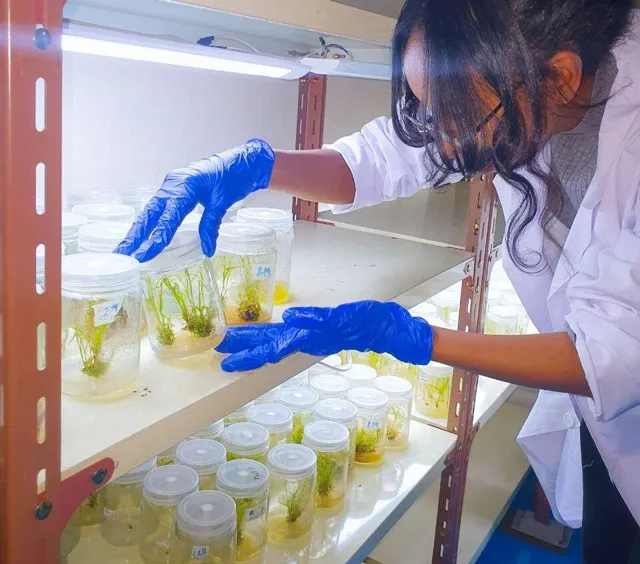
Programme nearbyFood & GardenAddis AbabaThur Biotech microbial biofertilisersReplace chemical inputs and rebuild degraded soil Thur Biotech (Addis Ababa, Ethiopia) manufactures microbial biofertilisers that replace chemical inputs, rebuild degraded soil, and boost farmer incomes. What you can do - Source biofertiliser products for your farm or cooperative plot - Run side-by-side trials with neighbours to compare soil health and input costs - Share results with local agricultural extension groups How to participate - Follow product and distribution updates on the Thur Biotech portfolio page Why it matters Soil is infrastructure. Microbial inputs that cut chemicals while raising yields give smallholders a dignified path off dependency on expensive synthetics.biofertilisersoilfarmers +2
Programme nearbyCommunityCotonouGrow rural agri-finance and cooperative savings groupsGrow rural agri-finance and cooperative savings groups GIZ's country package Benin of the global programme GV AgFin (promotion of agri-finance for agri-based rural enterprises) strengthens both sides of the credit market. On the demand side it coaches farms and MSMEs in financial management and helps them meet banks and microfinance institutions through producer associations. On the supply side it helps partner MFIs design products for priority value chains: rice, shea, cashew, soya, poultry, and vegetables. Solidarity savings and credit groups (GSEC) encourage saving inside cooperatives and agribusiness clusters. What you can do - Join or form a GSEC-style savings group inside your cooperative so members practice bookkeeping before seeking loans - Ask your producer association how group guarantees and adapted products (equipment, processing, nurseries) work with partner MFIs - Study the published knowledge products on farm investment planning and share them with credit officers in your region - Read the programme brief for regions covered (69 of 77 communes) and contact pathways via GIZ GV AgFin Benin (PDF) How it works Technical advice reaches farmers and MSMEs as well as nine partner MFIs and one bank. Adapted products include group loans for cooperatives, equipment and processing credit, and MSME loans for poultry, seed production, and cashew nurseries. Partner MFIs have disbursed more than 45 million EUR in credits to tens of thousands of farmers and hundreds of agri MSMEs in the target chains. Those loans are not backed by a GV AgFin credit line or guarantee fund. Why it matters Innovation stalls when growers are treated as too risky for banks. Finance that fits seasonal cash flows and cooperative guarantees lets rural builders invest in soil, processing, and decent work.financecooperativesavings +2
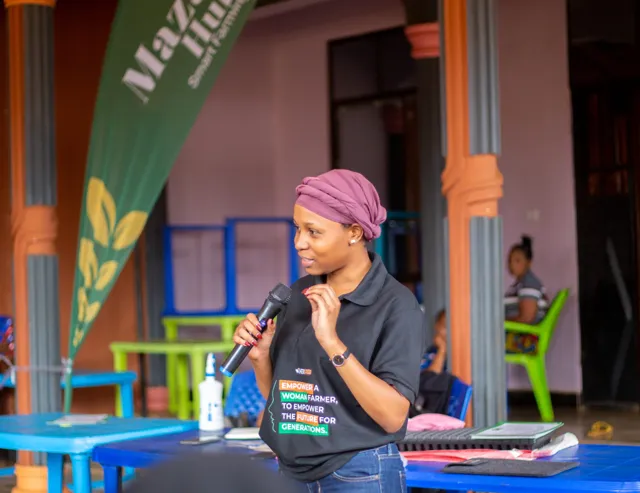
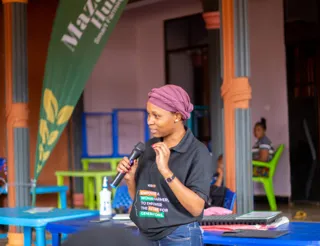
Programme nearbyFood & GardenDar es SalaamMazaoHub AI soil testing for smallholdersPersonal agronomic advice at field scale MazaoHub (Dar es Salaam, Tanzania) combines AI-powered soil testing with personal agronomic advice. Impacc reports 54,000 smallholder farmers already using the service, with average yield gains of 150% per hectare. The goal is resilient agriculture for Tanzania, and eventually across Africa. What you can do - Enrol as a smallholder farmer to access soil testing and tailored crop guidance - Host a farmer field day demonstrating how data-led advice reduces guesswork on fertiliser and planting - Adapt the model: mobile soil labs plus agronomists who speak the language of local plots How to participate - Follow enrolment and service-area updates on the MazaoHub portfolio page Why it matters Food sovereignty starts in the soil. Affordable testing plus human advice turns marginal farms into reliable community food sources.agriculturesoilAI +2
Programme nearbyEnergyWashington DCAgSTAR biogas recoveryFarm-community energy from livestock waste AgSTAR promotes biogas recovery systems to reduce methane emissions from livestock waste. Anaerobic digesters can produce renewable energy while delivering agricultural and community co-benefits. What you can do - Connect local farmers interested in digesters with AgSTAR technical assistance - Advocate for community biogas projects that share energy benefits with nearby residents - Learn feasibility criteria before proposing a digester in your watershed How to participate - Explore case studies and tools at AgSTAR - Host a farm tour or workshop with extension agents and AgSTAR resources Why it matters Rural methane reduction can fund local energy resilience when communities co-design projects with farmers rather than treating digesters as distant industrial assets.biogasagriculturemethane +2