Programme nearbyCommunityBrasiliaHost the travelling SESI Lab near youHost the travelling SESI Lab near you SESI Lab Itinerante packs about ten interactive apparatuses plus a workshop area so the museum experience can travel across the Distrito Federal and other Brazilian states. Schools and local partners can request the kit and add teacher formation shaped to local needs, and everything the museum builds is mirrored in a free digital acervo. What you can do - Explore the travelling exhibits and oficinas in the acervo Itinerante - Ask your school network, municipal culture desk, or SESI regional office how to host a stop - Rebuild the workshop recipes (light badges, motor cars, electric insects, conductive dough) in a classroom, using the published tutorials - Run the free digital exhibition BioOCAnomia Amazônica with students: it puts bioeconomy, biodiversity conservation, and reducing climate change impacts at the centre of Amazonian development How it works The itinerant set carries a slice of the long-duration exhibition and of the educational action programme. Hosts negotiate dates and training with SESI Lab, so there is no permanent street pin because the venue moves. The digital acervo stays open to anyone with a connection, at no cost. Why it matters Inquiry science should not stop at the Rodoviária. A travelling lab plus an open archive lets a distant classroom touch the same phenomena, and reuse the same lesson, as the Esplanada galleries.itinerantschoolseducation +2
Programme nearbyCommunityBrusselsEnergy Transition Careers CompassDiscover clean-energy careers across Europe The Energy Transition Careers Compass is a digital platform developed by EYEN with tech partner Green Jobs Tree. It helps young people map skills, training paths, and job opportunities in the clean-energy sector, from community energy to grid modernisation. What you can do - Explore career pathways matched to your interests (engineering, policy, community organising, trades) - Use the compass to plan skills development before applying to local energy programmes - Share the tool with schools and youth groups in your city How to participate - Visit the Careers Compass via EYEN projects - Pair exploration with EYEN volunteer roles to gain practical experience Why it matters The energy transition needs builders at every skill level. A youth-focused careers map lowers the barrier from curiosity to paid work in local clean-energy projects.careersyouthskills +2
Programme nearbyCommunityBrusselsOpenPolicy Europe civic engagementUnderstand EU energy policy, then act locally OpenPolicy Europe is an EYEN project that helps young citizens navigate European policy landscapes and take informed civic action. It bridges Brussels-level energy debates with what residents can advocate for in their own municipalities. What you can do - Use OpenPolicy Europe to learn how EU clean-energy policies affect your city - Organise a local reading group or workshop using the platform's materials - Connect municipal climate plans with EU frameworks your council can access How to participate - Explore the project via EYEN, Our Projects - Join EYEN as a member organisation or volunteer to co-develop civic tools Why it matters Energy transition succeeds when citizens know which levers exist, local, national, and EU. OpenPolicy Europe turns abstract policy into actionable civic literacy.policycivicyouth +2
Programme nearbyCommunityLondonConnect classrooms to the ocean with Ocean Conservation TrustBring ocean literacy into local schools The Ocean Conservation Trust runs assemblies, rockpool sessions, and teacher packs so children in Plymouth and partner cities meet the sea as neighbours, not screensavers. What you can do - Book an education visit or download free lesson plans for your school - Volunteer as a parent helper on shore walks and tank talks - Link classes with local harbour groups restoring seagrass nearby How it works Educators bring touch tanks, stories, and simple experiments. Schools continue projects term to term: litter audits, art, and snorkel club sign-ups. Why it matters Kids who know their bay protect it as adults: ocean care starts with muddy boots, not guilt slides.educationoceanschools +1
Programme nearbyCommunityLondonRun a freshwater literacy workshop in your neighbourhoodHost a river evening for your block FreshWater Watch materials help any community group run a freshwater evening: where your tap water comes from, what lives in the brook, and how to sample safely. What you can do - Download workshop guides from FreshWater Watch - Invite a local angler, birder, or councillor to share stories of the catchment - End with a pledge: adopt a storm drain, plant a buffer strip, or schedule monthly tests How it works You need a hall or pub back room, a projector, and one trained sampler. Neighbours leave with a map of their sub-catchment and a date for the first test day. Why it matters Freshwater literacy turns abstract SDG talk into names of streams people can walk to after dinner.freshwaterworkshopliteracy +1
Programme nearbyRepair & ReuseLondonStart women and gender-variant bike repair eveningsLearn wrench skills in a welcoming workshop The London Bike Kitchen runs a Hackney workshop where riders fix their own bikes with mechanic support. Women and gender-variant (WaG) nights create space for people underrepresented in cycle repair to ask questions without pressure. What you can do - Visit lbk.org.uk for workshop hours and WaG night dates - Book a maintenance class or drop-in session with your bike - Replicate the WaG model: reserve one evening a month for women and gender-diverse learners How it works LBK provides stands, tools, and coaches. WaG nights rotate on a regular schedule so members can build skills progressively. The worker co-op trains female and non-binary mechanics as teachers. Why it matters Bike repair opens streets and saves money. Dedicated evenings lower the barrier for people told tools are not for them.repaircyclingwomen +2
Programme nearbyCommunityBrusselsYoung Energy Ambassadors programmeYouth voices shaping EU clean-energy policy The Young Energy Ambassadors initiative engages 18-35-year-olds from the EU, EEA, and Ukraine who are passionate about the clean energy transition. Each year a cohort of 30 ambassadors promotes EU energy policies among peers and represents youth at the European Sustainable Energy Week (EUSEW). What you can do - Apply to become a Young Energy Ambassador when calls open each spring - Host a local EUSEW side event featuring ambassador materials - Bring youth energy perspectives into your community council or campus group How to participate - Follow the programme via Energy and youth and EUSEW - The 2026 cohort begins its mandate at EUSEW, 9-11 June 2026 Why it matters Intergenerational fairness requires structured youth participation, not token consultation. Ambassadors create a pipeline from local action to EU policy dialogue.youthambassadorsEUSEW +2
Programme nearbyCommunityMunichMake schools heat-resilient with cool heads in MunichMake schools heat-resilient with cool heads in Munich Munich partners (Münchener Rück Stiftung, Munich Science Communication Lab at LMU, and KLUG) host public evenings on hitzeresiliente Schulen: how classrooms stay healthy when temperatures spike. The pattern travels: map hot corridors, plant shade, open cool rooms, and involve parents and students in heat plans. What you can do - Watch for school heat evenings on the Hitzeaktionstag calendar - Ask your Schulelternbeirat or facility manager for a cool-room protocol and drinking-water stations - Pair with local Health for Future groups for clinic and school heat checklists How it works Education and health actors share evidence on learning under heat, then schools pilot shade, timetable shifts, and cool spaces. Residents bring lived classroom experience into municipal heat plans. Why it matters Children cannot wait for a distant climate target when July already melts concentration by noon.schoolheatHitzeaktionstag +2
Programme nearbyCommunityNew DelhiIndia: Mission LiFE (Lifestyle for Environment)Community habits for responsible consumption Mission LiFE (Lifestyle for Environment), launched at COP26, promotes mindful consumption across seven themes: water, energy, waste, e-waste, single-use plastics, sustainable food, and healthy lifestyles. Campaigns include Plant 4 Mother tree planting and Clean Coast Safe Sea coastal action. What you can do - Join Eco clubs in schools: over 1.4 million schools participate - Plant trees through Plant 4 Mother and track community totals - Adopt LiFE-aligned product choices as Eco-mark rules expand demand for efficient goods How to participate - Connect with local Mission LiFE coordinators and Eco club networks - Organise neighbourhood clean-ups linked to Clean Coast Safe Sea Why it matters Mission LiFE links individual habits to measurable community outcomes: billions of trees planted through collective action since 2024.LiFEIndiaconsumption +2
Programme nearbyCommunityBarcelonaSpain: Barcelona Energy Advice PointsOne-stop shops for efficiency and energy poverty relief Since 2017, Barcelona has run 11 Energy Advice Points integrated into municipal housing offices. Multidisciplinary teams help residents: especially vulnerable households: upgrade home efficiency, access social tariffs, and avoid supply disconnections. What you can do - Walk in to an Energy Advice Point for personalised bill and retrofit guidance - Volunteer or train as an energy advisor through the programme's employment pathway - Replicate the one-stop-shop model in your city using Barcelona's public documentation How to participate - Visit a municipal Energy Advice Point in Barcelona - Cities outside Spain can adapt the model with IEA case-study evidence for funding pitches Why it matters Over 37 000 people assisted in 2024 alone; 96% of households receiving bill relief were in social vulnerability. Advice points turn abstract efficiency policy into door-level care.adviceBarcelonaefficiency +2
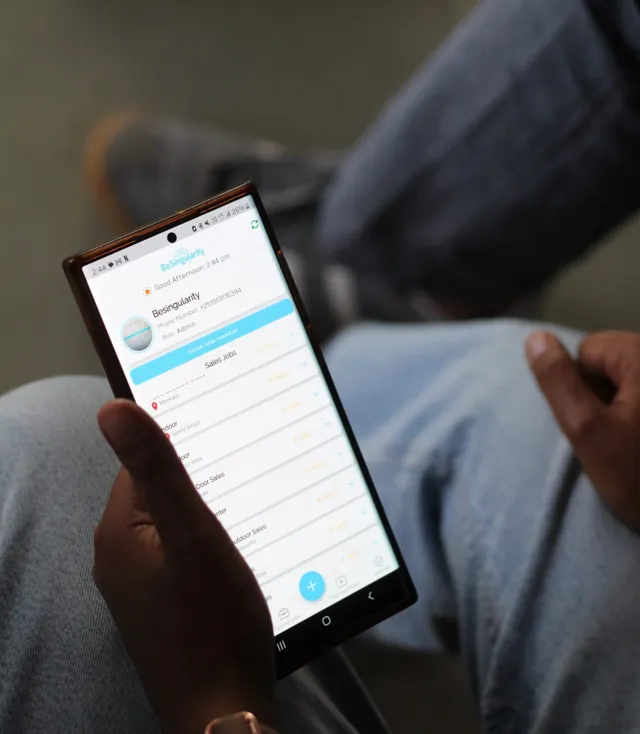
Programme nearbyCommunityAddis AbabaBeSingularity youth sales trainingPractical sales skills for young job seekers BeSingularity (Addis Ababa, Ethiopia) tackles youth unemployment by training young people in practical sales skills. Led by a women-driven team, the programme has already trained more than 10,000 young people according to Impacc's portfolio listing. What you can do - Apply to training cohorts as a young person seeking employable sales skills - Partner as a local business willing to mentor graduates or offer trial placements - Replicate the model: short, practical sales labs linked to real products communities already need How to participate - Check current intake dates via the BeSingularity portfolio page Why it matters First jobs often start with confidence and a single marketable skill. A women-led training house that measures graduates in the thousands shows what neighbourhood-scale workforce building can look like.youthtrainingjobs +2
Programme nearbyCommunityBerlinAbfallberatung: local waste advisor network in BerlinAbfallberatung: local waste advisor network in Berlin Every German municipality runs a kommunale Abfallberatung: waste advisors who answer practical questions about avoidance, separation, collection schedules, and special disposals in Berlin. Rules share the same basics nationwide, but local bins, dates, and exceptions differ street by street. What you can do - Enter your five-digit postcode on the advisor finder and call or email your regional contact - Ask about yellow-bin contents, bio-waste, glass colours, bulky waste, hazardous items, or composting at home - Request school visits, event planning help, or materials for your tenant association or club How to participate - Use Abfallberaterin finden to reach your local advisor: consultation is free - Advisors cover waste avoidance, recycling paths, recycling centres, bin ordering, and business waste basics Why it matters One wrong item in the yellow sack can spoil a whole batch at the sorting plant. A five-minute call to someone who knows your district's rules prevents that: and often saves money on bin fees.advicesortingeducation +2
Programme nearbyCommunityBlagoevgradBlagoevgrad: pictorial waste separation guide for all residentsA guide designed so everyone can understand it In Blagoevgrad, Za Zemiata and the municipality developed a pictorial household waste separation guide as part of the #ForkToFarm campaign: designed to be accessible to residents regardless of literacy level, language background, or prior environmental knowledge. The guide uses clear illustrations to show what goes where, reducing the confusion that causes contamination of sorted streams. What the guide covers - Visual instructions for each waste category: kitchen organics, recyclables, mixed residual - Pictorial representation of common items that are frequently sorted incorrectly - Distributed in print through municipal services, schools, and community centres - Designed with input from local government to reflect Blagoevgrad's specific waste collection infrastructure How to engage - Blagoevgrad residents: pick up the guide from your municipal waste service or community centre and use it to review your household sorting habits - Other Bulgarian municipalities: contact Za Zemiata to adapt the Blagoevgrad pictorial guide for your own local waste system - Educators: use the guide in school waste workshops: the visual format works especially well with younger children and parents who have limited experience with sorting systems Why it matters Clear communication is the lowest-cost, highest-impact intervention in source separation. When residents know what to do, sorted waste quality improves, recyclers accept more material, and the financial case for collection strengthens.educationwaste-sortinginclusion +2
Programme nearbyCommunityBonnSpend a youth year repairing heritageSpend a youth year repairing heritage The Jugendbauhütten offer ages 16 to 26 a full Freiwilliges Soziales Jahr (or BFD) in monument care. You learn timber, metal, plaster, stone, or garden skills on real buildings, with seminars that link craft to European heritage. The programme is a DSD project carried by the Internationalen Jugendgemeinschaftsdienste (ijgd). Mobile Denkmalrettercamp weeks (for example the June 2026 camp at Kramers Gut in Helmstedt) show the same spirit: short, practical teams that repair endangered fabric. Apply for the year-round hut pathway, not a one-off camp that has already closed. What you can do - Read the Jugendbauhütten overview - Apply via the Bewerben form for the next FSJ year (do not paste personal data into third-party tools) - Prefer a hut near you, or the Internationale Jugendbauhütte Berlin for urban craft and a Schöneweide workshop campus - Ask about mobile teams if you want city-wide repair rather than a single site How it works Service usually runs about twelve months from September. You need to have finished full-time school duty and be ready for hands-on work. Placement mixes workshop days, site work, and seminar weeks. Why it matters Young builders keep endangered houses standing and often stay in craft or conservation careers. Mutual aid across generations turns heritage into a living workshop.youthFSJvolunteer +2
Programme nearbyCommunityBrasiliaLearn computer repair from discarded electronicsLearn computer repair from discarded electronics Reciclotech is not only a drop-off scheme. At the Programando o Futuro headquarters in Gama, donated e-waste is the teaching material for free, fully practical courses in basic IT, computer maintenance, and robotics. This is vocational training in a workshop, not a same-day museum oficina. What you can do - Read how the courses run on SECTI Reciclotech and Programando o Futuro: Reciclotech - Enrol through programandoofuturo.org.br/cursos or in person at QI 06 Lotes 20/80, Setor de Indústria, Gama Leste - Bring copies of ID and proof of address (a guardian's documents if you are under 18) - Arrive as a young person or adult: the official public is jovens e adultos, from first job through requalification How it works Programando o Futuro executes Reciclotech under Termo de Colaboração nº 05/2023 with SECTI-DF and FAP-DF (signed 29 December 2023). Classes are 100% practical and in person at the Gama industrial-sector site. The programme is in its third edition. Do not treat a single news vacancy round as the current intake: check the executor's course page for open groups. Why it matters A discarded laptop that teaches someone to rebuild the next one is worth more than a sermon about waste. Skills stay in the neighbourhood; machines stay in use.trainingelectronicsrepair +2
Programme nearbyCommunityBrasiliaRun a school e-waste gincanaRun a school e-waste gincana Reciclotech takes collection into schools and streets: gincanas for electronic drop-off, community caravanas, and talks on environmental education. A class that competes to fill a PEV is practising reverse logistics, not sitting through a slide deck. What you can do - Ask your school or regional administration to host a Reciclotech gincana; the pattern is described on Programando o Futuro: Reciclotech - Pair the contest with a visit to a nearby PEV so students know where the box lives after the event - Invite a Reciclotech talk or caravana into a community space, then keep a standing drop-off rather than a one-day pile - Teachers: use the gincana as a replicable template (teams, weighed haul, repair story), not as a dated fixture on this page How it works The executor lists palestras, caravanas in communities, and gincanas for electronics drop-off as standing education actions. No public calendar of the next school contest was on the pages, so treat this as a pattern to request, not as a ticketed date. Sema-DF coverage of the Abree agreement also mentions school gincanas alongside drive-thru days. Why it matters A school that weighs its leftover phones together learns that waste is a team sport. The next PEV in that RA is easier to keep full.schoole-wasteeducation +1
Programme nearbyCommunityKampalaMakapads biodegradable sanitary padsPapyrus-based pads that keep girls in school Makapads (Kampala, Uganda) makes biodegradable sanitary pads from papyrus, addressing a barrier where commercial pads are expensive and clog sanitation systems. Many girls miss school during menstruation; affordable local production changes that calculus. Impacc lists support as completed. What you can do - Source Makapads for schools, clubs, or mutual-aid distribution drives - Learn small-scale fibre processing from Makapads' public materials - Advocate for pad access alongside functioning toilets in every school you support How to participate - See the Makapads portfolio page for product history and contacts Why it matters Period dignity is education infrastructure. Local, biodegradable production keeps girls learning while respecting watersheds.sanitary-padseducationUganda +2
Programme nearbyCommunityBrusselsJoin a women-led energy cooperativeShare ownership of solar and keep bills fair REScoop.eu highlights citizen energy projects where women lead the transition: from Roma-led solar in Hungary to Belgian co-ops that cap prices for households. The pattern is the same: neighbours own the panels, share the skills, and decide together. What you can do - Read the women-led energy transition story from the Lightbringers Foundation - Browse REScoop.eu success stories for a cooperative near you - Contact REScoop.eu if your group wants starter guidance for a new energy community How it works Residents form or join a cooperative, invest in local renewables, and buy electricity at cost. Training workshops pass installation and maintenance skills to women who are often left out of energy decisions. Why it matters Community-owned power cuts energy poverty without waiting for distant utilities. When women hold tools and votes, the transition stays local and just.energycooperativewomen +2
Programme nearbyCommunityAmsterdamOpen an inclusive makerspace and learning labTeach fabrication skills in a room where beginners belong Fab City links local hubs where residents learn CNC, textiles, electronics, and repair side by side. The Learning Hub shares toolkits so any neighbourhood can start an open workshop with equity at the centre. What you can do - Explore Fab City as a Learning Ecosystem and the Hubs Toolkit for your city - Browse open resources on fab.city/learning-hub for curricula and governance patterns - Join the Fab City network when your group is ready to commit to local production How it works A hub maps tools, trainers, and partner schools. Open days invite residents who rarely access STEM spaces. Projects document designs so knowledge travels across the network. Why it matters Makerspaces turn consumers into builders. Inclusive labs widen who gets to shape the objects and systems they live with.makerspaceskillseducation +2
Programme nearbyRepair & ReuseFrankfurtRun a skills-inclusive open repair workshop in FrankfurtRun a skills-inclusive open repair workshop in Frankfurt The Repair Café Frankfurt-Sachsenhausen offers free help fixing toasters, bikes, and jumpers in a café atmosphere. Volunteers explain each step so visitors leave with working goods and new confidence. What you can do - Check the Frankfurt Repair Café calendar for the next open session - Bring one broken household item and ask to watch the repair - Volunteer as a learner-greeter if you want to help newcomers feel welcome How it works Skilled fixers pair with visitors at shared tables. No appointment needed: drop in, queue briefly, and learn by doing. The network shares dates for Repair Cafés across Frankfurt. Why it matters Repair skills cut waste and repair bills. Cafés that expect questions build a culture where everyone can pick up a screwdriver.repairskillsworkshop +2
Programme nearbyCommunityBrusselsLaunch a neighbourhood skills auditMap who can teach what on your block Energy cooperatives and ecofeminist networks both start by asking: which skills already live here? REScoop.eu trains starters to inventory local expertise before building projects. WECF partners use similar audits to match mentors with women entering climate work. What you can do - Download starter guidance from REScoop.eu services and list skills your street could share - Facilitate a one-evening audit: repairs, childcare, translation, solar wiring, gardening - Pair two neighbours for a skill swap and log what equipment a future hub would need How it works Volunteers collect offers and requests on a wall or shared spreadsheet. Coordinators connect matches and note gaps for workshops or tool libraries. The audit repeats each season as people join or learn. Why it matters Mutual aid scales when skills are visible. Audits surface elders, migrants, and carers whose know-how rarely appears on job sites.skillsauditmutual-aid +2
Programme nearbyCommunityHamburgBuild a Fab City local node and open learning day in HamburgBuild a Fab City local node and open learning day in Hamburg Fab City invites territories to commit to making more of what they consume in Hamburg. The How to Become a Fab City guide walks groups through stakeholder maps, pilot projects, and open learning days that welcome first-time makers. What you can do - Read the Fab City Hubs Toolkit with a small founding team - Host a monthly open lab afternoon: one taught skill, one shared tool, one neighbourhood challenge - Submit your hub story to the Fab City Learning Hub resource library How it works A local node partners with schools, libraries, or cooperatives for space and outreach. Pilots test circular products (repair, textiles, food processing) before scaling. The global network reviews and spreads what works. Why it matters Cities that learn to make together depend less on fragile supply chains. Open learning days lower the threshold for anyone curious about fabrication.makerspacefab-cityskills +2
Programme nearbyCommunityLeipzigSupport Fairmined Credits for Corazones de OroFund inclusion in Pacarní with one gram of impact Fairever offers Fairmined Credits: each credit stands for one gram of responsibly mined gold from Iquira, Colombia. The physical gold stays in the local market; the credit pays extra impact. Most of the price supports Corazones de Oro, an inclusion project for children and youth with special needs in Pacarní, with a share for the Alliance for Responsible Mining. What you can do - Buy a Fairmined Credit on the Fairever site (Corazones de Oro section) - Share the project with a makers’ group or repair café that wants a solidarity action without shipping gold - Follow Alliance for Responsible Mining for more ASM community programmes How it works Credits separate metal trade from social impact funding. Miners sell gold locally; buyers fund verified community work and ARM’s standards work. Why it matters Solidarity can travel farther than a parcel — one credit ties European makers to a named Colombian community project.fairminedcreditssolidarity +2
Programme nearbyCommunityFrankfurtRide Schulradeln with your school community in FrankfurtRide Schulradeln with your school community in Frankfurt Schulradeln layers a school contest inside the municipal STADTRADELN window in Frankfurt. Pupils, parents, and teachers pedal together while kilometres also lift the wider Kommune score. What you can do - Check whether your Land runs Schulradeln on stadtradeln.de/schulradeln - Register your school team during the same 21 days as the local Kommune campaign - Join creative side contests where your Land offers them How it works Started in 2015 by ivm and Klima-Bündnis (Frankfurt Rhein-Main / Besser zur Schule), Schulradeln mirrors municipal rules: everyday rides count, teams need at least two people, and kilometres logged for the school also count toward the town total. - 2026 participating Länder: Baden-Württemberg, Bayern, Hessen, Nordrhein-Westfalen, Rheinland-Pfalz, Niedersachsen, Saarland, Thüringen Why it matters School gates become starting lines for a habit that lasts beyond the three-week sprint, and whole families discover routes they can keep riding.schoolcyclingteam +1