Programme nearbyCommunityBrusselsStart a mutual-aid time bank in your neighbourhoodTurn an hour of help into an hour you can receive TimeBanks connect neighbours who trade skills without cash: one hour of tutoring, transport, or garden work earns one hour you can spend when you need support. The model builds trust block by block. What you can do - Browse the TimeBank map and directory for an existing circle near you - Read how TimeBanking works and list three skills you could offer this week - Use the start a TimeBank guide if your area has no active group yet How it works Members log hours when they give or receive help. Coordinators run orientations, match offers to requests, and keep the ledger fair: every hour counts the same, whether you fix a bike or cook a meal. Why it matters Time banks keep care local when wages and prices squeeze households. They reward contributions mainstream markets overlook.time-bankmutual-aidskills +2
Programme nearbyCommunityMunichChampion gender-just climate and health action in MunichChampion gender-just climate and health action in Munich WECF connects ecofeminist groups that link clean air, toxin-free homes, and reproductive health in Munich. Their Gender Just Climate Solutions Awards recognise grassroots projects that already protect bodies and ecosystems together. The 2026 application window closed on 12 July; winners are celebrated at COP 31 in Antalya (November 2026). What you can do - Read Climate Justice Starts at the Roots for field-tested finance and policy asks - Follow WECF and the Women and Gender Constituency for 2026 winners and the next award round - Host a neighbourhood conversation using WECF toolkits on chemicals in everyday products How it works WECF funds and mentors women-led organisations, then brings their evidence into UN and EU climate spaces. Local groups test solutions first; advocates scale what works. Why it matters Climate policy that ignores gender misses who cooks, cares, and lives nearest to pollution. Grassroots women already hold the blueprints.healthgenderclimate +2
Programme nearbyCommunityNairobiMalaica hybrid maternity careMidwife-led pregnancy support online and in clinics Malaica (Nairobi, Kenya) pairs expecting mothers with dedicated midwives, offers hybrid care online and in clinics, and connects families to Kenya's largest pregnancy community. The model targets safer, more affordable, and better informed births, reaching nearly 200,000 women according to Impacc's portfolio listing. What you can do - Join as an expecting parent through Malaica's channels for midwife pairing and community support - Explore how hybrid telehealth plus neighbourhood clinics lowers cost barriers for maternal care - Replicate the pattern: trusted midwives, digital community, and clinic touchpoints in one network How to participate - Visit the Malaica portfolio page for current enrolment links and clinic information Why it matters Maternal care works when it meets mothers where they are, online for daily questions, in person when it counts, and in community with peers.maternitymidwiveshealth +2
Programme nearbyCommunityHamburgCopy Mietshäuser Syndikat ownership in HamburgCopy Mietshäuser Syndikat ownership in Hamburg The Mietshäuser Syndikat helps self-organised house projects in Germany: residents form a cooperative, the syndicate takes a stake, and the building stays permanently out of speculative resale in Hamburg. What you can do - Read how the Syndikat model withdraws homes from the private market - Contact the network if your group is forming a self-organised house project - Visit an existing project to see how residents share costs, repairs, and decision-making How it works A founding group finds a building, sets up a limited-liability housing cooperative, and invites the syndicate to co-own a non-voting share. That lock keeps the property community-held even when individual flats change hands. Why it matters Collective ownership turns rent pressure into shared stewardship. Neighbours who control their block can invest in efficiency, childcare, and common rooms together.housingcooperativecollective +2
Programme nearbyCommunityBrusselsKeep homes permanently affordable with a Community Land TrustSeparate the land from the home so prices stay fair Community Land Trust Brussels builds permanently affordable owner-occupied housing: residents buy the home, the trust keeps the land, and resale formulas stop speculation from pricing out the next family. What you can do - Explore CLTB housing projects across Molenbeek and Anderlecht - Register for a mandatory candidate-homeowner info session to learn purchase terms - Read how residents co-design and manage their buildings day to day How it works CLTB acquires land, develops homes with resident input, and attaches a ground lease that caps resale gains. Low-income households gain stability without feeding a rising market. Why it matters When land stays in community hands, affordability survives gentrification. Residents build skills in self-management that outlast any single sale.housingland-trustaffordable +2
Programme nearbyCommunityBrusselsLaunch a worker cooperative through Solidarity Economy EuropeShare ownership and decisions at work RIPESS Europe links worker cooperatives, social enterprises, and mutual-aid networks that put solidarity ahead of shareholder profit. Worker co-ops let employees own and steer the business together. What you can do - Read the Solidarity Economy in Europe overview and map co-ops near you - Connect with RIPESS Europe member networks for start-up advice - Visit a local worker cooperative and ask how they handle hiring, surplus, and one-member-one-vote governance How it works Founders draft bylaws for democratic control, equal voice, and shared risk. Sector federations help with legal setup, training, and inter-cooperation so small co-ops can bid for contracts together. Why it matters Worker ownership keeps wealth with the people who create it. It opens stable jobs for workers excluded from extractive firms.cooperativeworkersolidarity +2
Programme nearbyCommunityParisMap and grow a local solidarity economy networkLink co-ops, time banks, and fair-trade groups on one map Solidarity economy networks across Europe share tools, swap suppliers, and run joint fairs so residents can find ethical work, housing, and food in one place. RIPESS Europe coordinates more than 40 national and sectoral members. What you can do - Browse RIPESS Europe members and note groups active in your city - Host a neighbourhood mapping evening: list co-ops, mutual-aid circles, and community finance projects on one wall - Propose a joint stall or repair swap with two groups that have never met How it works Territorial networks run annual assemblies, share case studies, and connect practitioners with policy allies. Local chapters translate the model into street-level events: markets, open days, and skill shares. Why it matters Visibility helps people choose solidarity providers over anonymous chains. Cross-linking turns isolated projects into an ecosystem neighbours can navigate.cooperativeworkersolidarity +2
Programme nearbyCommunityLondonExchange skills with hOurworld community time creditsLog an hour given, spend an hour received hOurworld hosts hundreds of time banks where members record service hours and spend credits locally: tutoring, transport, pet care, or admin help, all valued equally. What you can do - Search the hOurworld directory map for a circle near London - Read TimeBanking 101 and post your first offer - Follow the start a TimeBank steps if you want to launch a new group with neighbours How it works Providers and receivers agree on a task, log hours in the platform, and build credit balances. Community funds seed new members so exchanges start before anyone runs a deficit. Why it matters Equal-hour accounting dignifies unpaid care and odd-hour skills. Networks activate quickly after floods or heat waves because trust already exists.time-bankmutual-aidskills +2
Programme nearbyCommunityFrankfurtCopy Mietshäuser Syndikat ownership in FrankfurtCopy Mietshäuser Syndikat ownership in Frankfurt More than 200 projects across Germany use the Mietshäuser Syndikat pattern: a local cooperative buys the building, the syndicate holds a blocking share, and resale stays community-controlled for generations in Frankfurt. What you can do - Study the Syndikat brochure and FAQ with your housing group - List buildings at risk of rent hikes and invite owners to a community purchase conversation - Pair with legal advisers who understand cooperative housing statutes in your region How it works Groups form a Gesellschaft or equivalent cooperative, raise member shares, and negotiate finance with ethical banks. The syndicate's minority stake prevents privatisation without resident consent. Why it matters The model travels: Frankfurt, Leipzig, and port towns now host syndicated houses. Each success makes the next purchase less lonely.housingcooperativecollective +2
Programme nearbyCommunityBrusselsLaunch a neighbourhood skills auditMap who can teach what on your block Energy cooperatives and ecofeminist networks both start by asking: which skills already live here? REScoop.eu trains starters to inventory local expertise before building projects. WECF partners use similar audits to match mentors with women entering climate work. What you can do - Download starter guidance from REScoop.eu services and list skills your street could share - Facilitate a one-evening audit: repairs, childcare, translation, solar wiring, gardening - Pair two neighbours for a skill swap and log what equipment a future hub would need How it works Volunteers collect offers and requests on a wall or shared spreadsheet. Coordinators connect matches and note gaps for workshops or tool libraries. The audit repeats each season as people join or learn. Why it matters Mutual aid scales when skills are visible. Audits surface elders, migrants, and carers whose know-how rarely appears on job sites.skillsauditmutual-aid +2
Programme nearbyCommunityLeipzigCommission Fairmined jewellery with local goldsmithsAsk your jeweller for metal with a fair mine story Fairever in Leipzig supplies Fairmined and Fairtrade gold and silver to goldsmiths and makers across Europe. Premiums flow back to artisanal mining communities for schools, safer chemicals, and restoration. Other seals (Green Gold, Auropelli, LBMA Responsible Sourcing) exist — ask what each certificate actually covers, then choose craft over anonymous bars. What you can do - Commission a ring, repair, or remake and ask your local goldsmith to order Fairmined or Fairtrade half-products via Fairever - Browse the Fairmined supplier page for Fairever for alloys and casting grain - Read Fairtrade Deutschland’s gold background before you shop How it works Makers order certified grain, wire, or sheet. Independent audits check labour, mercury-free methods, and premium payments. Your piece carries a traceable chain instead of anonymous scrap-mix metal. Why it matters Jewellery can celebrate love without funding conflict or poisoned rivers — when neighbours and makers pull the same fair supply.fairminedfairtradejewellery +2
Programme nearbyCommunityLeipzigSupport Fairmined Credits for Corazones de OroFund inclusion in Pacarní with one gram of impact Fairever offers Fairmined Credits: each credit stands for one gram of responsibly mined gold from Iquira, Colombia. The physical gold stays in the local market; the credit pays extra impact. Most of the price supports Corazones de Oro, an inclusion project for children and youth with special needs in Pacarní, with a share for the Alliance for Responsible Mining. What you can do - Buy a Fairmined Credit on the Fairever site (Corazones de Oro section) - Share the project with a makers’ group or repair café that wants a solidarity action without shipping gold - Follow Alliance for Responsible Mining for more ASM community programmes How it works Credits separate metal trade from social impact funding. Miners sell gold locally; buyers fund verified community work and ARM’s standards work. Why it matters Solidarity can travel farther than a parcel — one credit ties European makers to a named Colombian community project.fairminedcreditssolidarity +2
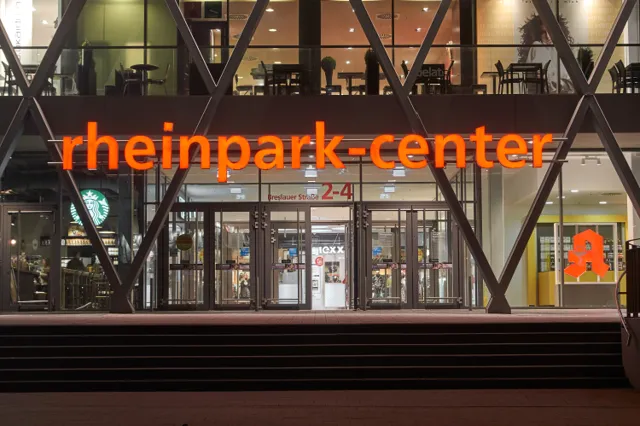
Programme nearbyCommunityNeussJoin Treff 3 neighbourhood house in NeussJoin Treff 3 neighbourhood house in Neuss Treff 3 in the Rheinpark-Center is a Diakonie neighbourhood house in Neuss. Since 1987 it has mixed advice, culture café, newcomer support, and a daily kids room. Residents of many ages, languages, and religions use the same door at Görlitzer Straße 3. What you can do - Drop into the Kulturcafé (Tuesday 10:30 to 12:30, contribution 3 euro) or the neighbourhood breakfast on the first and third Thursday - Ask about KommAn if you are new in Germany - Offer time: the house publishes volunteer calls for foodsharing, walking with older neighbours, and practical help How it works Walk-in offers sit next to appointment-only advice (migration counselling, job applications). Kidstime runs 14:00 to 17:00 on weekdays. Solarpunker does not take bookings: call 02131 103195 or write treff3@diakonie-rkn.de. Why it matters One house in a shopping-centre district lets neighbours share breakfast, homework help, and newcomer advice without a long trip across town.neighbourhoodcafenewcomers +1
Programme nearbyCommunityKoblenzShare breakfast at the MGH in KoblenzShare breakfast at the MGH in Koblenz The Mehrgenerationenhaus at Thielenstraße 13 in Koblenz is run by the Catholic family education centre. The open Thursday breakfast is a simple way to start the day with neighbours. Conversation is the point, not a course fee. What you can do - Come to the open breakfast every Thursday outside school holidays, 09:00 to 12:00 - Look at other open offers on the same page (games, knitting, intercultural cooking) if breakfast does not fit - Call 0261 35679 if you need the current holiday calendar How it works No booking is listed for the breakfast. The house also hosts many other groups. This seed does not cover the on-site repair café. Solarpunker does not cook the breakfast. Why it matters A weekly shared table lowers the cost of meeting people in your district, including across ages and languages.breakfastgenerationsmeeting +1
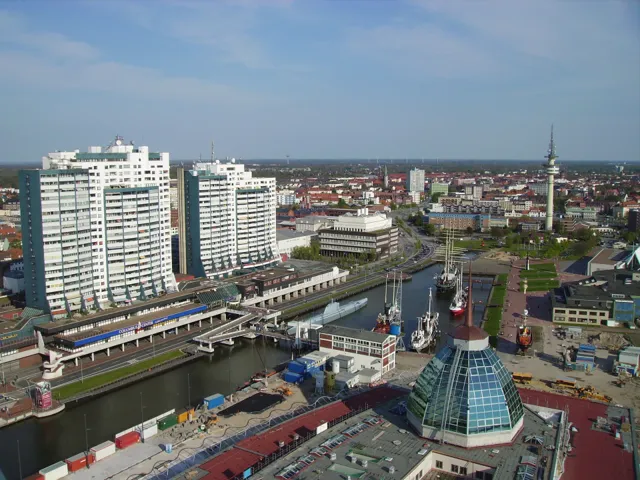
Programme nearbyCommunityBremerhavenVolunteer at the Integrationszentrum in BremerhavenVolunteer at the Integrationszentrum in Bremerhaven The Integrationszentrum at Wiener Straße 12 in Bremerhaven is a municipal house for residents who arrived as refugees or other newcomers. Advice desks, courses, and leisure offers share the building. This path is for people who live in the city, not a seafarers club. What you can do - Visit the Integrationszentrum page to see current on-site offers - Use published counter hours: Monday, Wednesday, and Friday 09:00 to 12:00, plus Monday 15:00 to 17:00 (or book a slot) - Offer volunteer time through Marco Monetha (Freiwilligenkoordination), 0471 590 3557, Marco.Monetha@magistrat.bremerhaven.de How it works Some partner desks inside the house use their own hours and want an appointment. Solarpunker does not assign volunteer shifts: write the coordinator first. Why it matters A walk-in civic house with a named volunteer desk makes it easier for residents to help neighbours settle, in the same building where advice already happens.volunteerintegrationnewcomers +1