Food & GardenCologneGet a Biotonne: close the compost loop in CologneGet a Biotonne: close the compost loop in Cologne About 40% of what lands in the grey residual bin is compostable organic waste. In Niehl it is burned: costing money, CO₂, and fertile matter that could return to parks and gardens as torffreier Kölner Kompost. What you can do - Ask your landlord for the free brown Biotonne (tenants can use Zero Waste Köln’s postcard template on their project page). - Line the bin with newspaper, keep it in the shade, and skip “compostable” plastic bags: they need industrial conditions Cologne’s plants do not offer. - Buy Kölner Kompost or Blumenerde from AWB/AVG outlets (the Verein advocates more neighbourhood pick-up points). Why it matters Separate bio collection has been mandatory in Germany since 2015, but Cologne households still need to request the bin. Less bio in residual waste can mean a smaller (cheaper) grey bin.compostcircularlocal
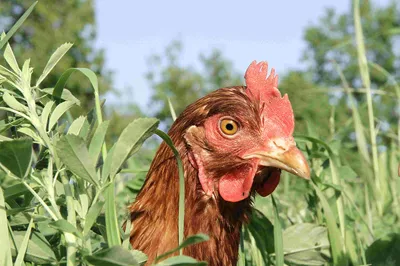
EventFood & GardenFrankfurtVisit Rhine-Main organic farms this harvest wee in FrankfurtVisit Rhine-Main organic farms this harvest wee in Frankfurt Dottenfelderhof in Bad Vilbel, Querbeet's Pappelhof in Reichelsheim, and Die Kooperative's Cityfarm in Oberrad open for Foodtura: apple pressing, potato digging, a hen walk, a farm festival, and a free family Sunday with a Schnippelparty in Frankfurt. What you can do - Press juice at the Jahreszeitenwerkstatt (19 September) - Dig your own potatoes at Pappelhof - Meet the hens or join the free Hoffest at Dottenfelderhof - Close the festival at the Familiensonntag on the Cityfarm (free) - Book the Farm to Table dinner at Tonka if you want a long table of Cityfarm vegetables How it works Farm days list prices and booking links on each page. The Hoffest and Familiensonntag are free drop-in. Wear shoes you can get dirty. Why it matters Seeing soil, animals, and harvest in the same week as city kitchens makes regional food feel real.farmharvestorganic +2
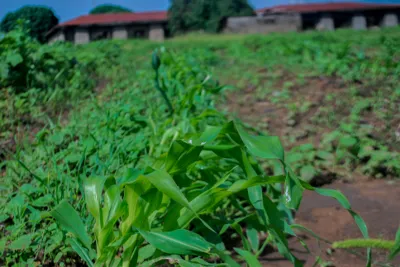
LearnFood & GardenYaxunahLoan heirloom seeds like a neighbourhood libraryLoan heirloom seeds like a neighbourhood library In Yaxunah, Yucatán, nine women run K'an-Lol ("the flower of good corn" in Yucatec Maya): a community seed bank that loans traditional maize, beans, chilies, and other crops at no cost. Borrowers plant their milpa, harvest, and return fresh seed so the stock stays alive for the next season. Most users are subsistence farmers feeding their families, with small surpluses sometimes reaching local markets. The bank is a library, not a shop: seeds move in circulation instead of sitting in a vault. Fundación Haciendas del Mundo Maya supports the project alongside local volunteers. Surplus garden produce can reach buyers through Traspatio Maya (Instagram). What you can do - Visit Yaxunah when community programmes are open and ask how the seed bank lends and receives maize (see Yucatán Magazine coverage) - Message Traspatio Maya to order a guacal of fresh produce from Yaxunah growers when you are in the region - Replicate the pattern at home: labelled jars, a simple loan ledger, and a rule to return double the borrowed grain if you cannot swap seed immediately (as Yaxcabá neighbours describe for their bank) - Pair seed saving with nixtamalization skills so heirloom maize becomes tortillas and staples again, not just decoration How it works Farmers borrow seed, grow in milpa plots, and return after harvest. Varieties such as nuuk nal (reddish maize) stay in use even though they need more care than industrial hybrids. Coordinators track loans; partners like FHMM help with training and fair-trade outlets. There is no fixed online booking: contact organisers through community channels or partner foundations before you travel. Why it matters Imported kernels can cross-pollinate native fields. A seed library keeps criollo genetics in farmers' hands, not only in policy speeches. It is low-tech mutual aid that scales one neighbourhood at a time.seedlibrarymilpa +2
Join inFood & GardenAddis AbabaThur Biotech microbial biofertilisersReplace chemical inputs and rebuild degraded soil Thur Biotech (Addis Ababa, Ethiopia) manufactures microbial biofertilisers that replace chemical inputs, rebuild degraded soil, and boost farmer incomes. What you can do - Source biofertiliser products for your farm or cooperative plot - Run side-by-side trials with neighbours to compare soil health and input costs - Share results with local agricultural extension groups How to participate - Follow product and distribution updates on the Thur Biotech portfolio page Why it matters Soil is infrastructure. Microbial inputs that cut chemicals while raising yields give smallholders a dignified path off dependency on expensive synthetics.biofertilisersoilfarmers +2
Food & GardenVallettaVisit Valletta Design Cluster roof gardenVisit Valletta Design Cluster roof garden The Valletta Design Cluster keeps a public roof garden with rainwater care. Visit in opening hours to see urban greening on the peninsula. What you can do - Read the urban greening note - Visit the Design Cluster roof during public hours - Ask staff how rainwater systems keep the beds alive How it works Public hours were listed around 08:00 to 18:00. Confirm on site signage. Why it matters Valletta shows that dense stone streets can still host shared green roofs.vallettaroofgarden +1
VolunteerFood & GardenFrankfurtShare harvests with Solawi FrankfurtShare harvests with Solawi Frankfurt Solawi Frankfurt is a consumer cooperative that shares the costs and risks of Birkenhof in Egelsbach. Members receive weekly organic vegetables, fruit, and eggs while helping with delivery runs and farm logistics. What you can do - Read how solidarity farming works on frankfurt-im-wandel.de/projekt/solawi - Contact info@solawi-ffm.de about joining the coming harvest year - Volunteer for delivery coordination or distribution days in Frankfurt How it works The group estimates annual farm costs together, pays a fair share to the grower, and splits the harvest. New households are welcome each season. Why it matters Solawi keeps peri-urban soil in food production and gives city residents a direct stake in how their meals are grown.solawicsaorganic +2
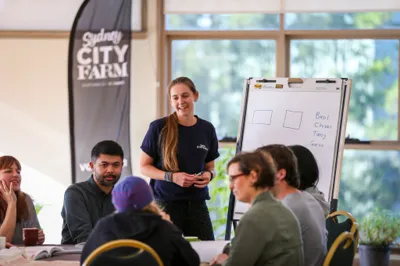
VolunteerFood & GardenSydneyVolunteer at Sydney City Farm in St PetersVolunteer at Sydney City Farm in St Peters City of Sydney runs Sydney City Farm in Sydney Park as a place to learn urban growing and sustainable food. You can join farm volunteers for two-hour shifts and help beds, nursery stock, and orchard projects take shape. What you can do in Sydney - Sign up for farm volunteer working bees through the council What's On calendar (volunteer for Sydney City Farm) - Attend a 45-minute site induction before your first regular shift, as the council requires - Help on Thursday cropping mornings, Friday nursery tasks, or Saturday orchard and display garden projects when sessions are listed - Explore the farm on a self-guided tour when you want to see the hub before you commit How to join New volunteers complete the council registration form and book a session online when places are open. Shifts are usually two hours. The organiser asks for sturdy shoes, a hat, gloves, and a water bottle. Why it matters in Sydney Neighbours meet while seedlings go in and harvests are shared. Skills from the farm travel home to balconies, courtyards, and community plots across the city. Good to know - Do I need gardening experience? The council welcomes newcomers after the mandatory induction; interest in horticulture matters more than a formal CV. - Is there a fee to volunteer? The volunteer programme pages describe free working bees; check the booking terms for your date. - Where is the farm? Sessions use Sydney City Farm at Sydney Park; the working-bee listing gives the street address in St Peters.volunteerurban farmhorticulture +2
VisitFood & GardenLeipzigGarden together at the HildegartenA green meeting place in Plagwitz The Hildegarten at Bürgerbahnhof Plagwitz is a community garden run by engaged residents. Neighbours of all ages grow fruit, vegetables, and herbs in shared beds using ecological methods that protect soil and pollinators. What you can do - Drop in during open hours to garden, chat, or simply enjoy the green. - Join workshops on permaculture, composting, and nature-friendly gardening: no prior experience required. - Help with seasonal tasks or bring ideas for new community plots. When & where - April-October: Mon, Thu, Fri 16:00-19:00; Sat-Sun 13:00-19:00 - Röckener Str. 44, 04229 Leipzig (Bürgerbahnhof Plagwitz) Why it matters Leipzig aims to become a Zero-Waste city by 2030; neighbourhood gardens turn waste prevention into hands-on care for food, soil, and community.gardencommunityworkshops
Food & GardenKielShop unpackaged with Zero Waste einkaufenFill your own jars and boxes Shops and markets with the Zero Waste einkaufen sticker from Zero Waste Kiel e.V. let you fill your own tins, bottles, and bags with food and drinks instead of taking new packaging. What you can do - Look for the sticker in participating grocers, markets, and cafés across Kiel. - Bring clean containers; start with dry goods or drinks you already buy weekly. Why it matters Unpackaged loops keep packaging out of bins and make portion sizes visible before you pay.unpackagedshoppingrefill
Food & GardenTallinnGrow food in Tallinn community gardensShared beds, shared joy Tallinn’s 2035 green transformation links circular living with community gardens that grow local food with a minimal carbon footprint while strengthening neighbourhood ties. The city supports a network of community, learning, and rental gardens across districts; NGOs and neighbourhood societies can apply for establishment grants from the Environment and Public Works Department. What you can do - Find a garden near you via the city’s community-garden map (at least one per district). - Join Pelgu Community Garden or another plot: help maintain shared greenhouse beds and fruit shrubs. - Apply for a grant if your neighbourhood group wants to start a new kogukonnaaed. Why it matters Urban gardening turns vacant corners into food, learning, and belonging, a concrete piece of Tallinn’s green transformation.gardencommunityfood
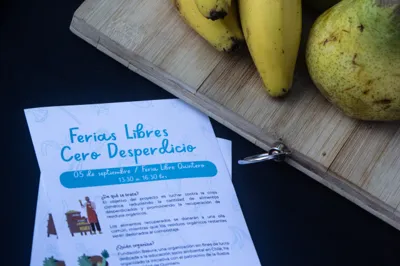
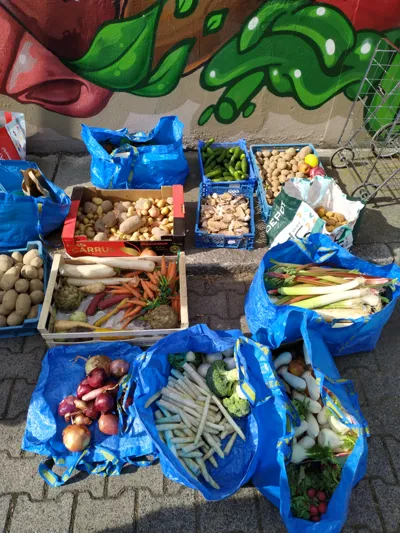
VolunteerFood & GardenSantiagoRescue food waste at Santiago neighbourhood marketsTurn market leftovers into community benefit Chilean case studies on food loss and waste highlight community solutions that improve local livelihoods and open unexpected economic opportunities. Fundación Basura’s Ferias Libres Cero Desperdicio project runs hands-on interventions at open-air markets, recovering edible food and organic material that would otherwise rot in landfills. What you can do - Volunteer at a Ferias Libres Cero Desperdicio market day in the Santiago metropolitan area. - Ask your local feria libre organisers whether a zero-waste market intervention is planned in your comuna. Why it matters Market recovery keeps nutrients in the neighbourhood loop and builds skills residents can replicate, a concrete piece of Chile’s growing zero-waste municipal movement described in the 2025 regional report.foodmarketsrecovery
LearnFood & GardenSão PauloCompost organics with waste pickers in São PauloCatadoras and catadores lead the loop Instituto Polis and the Brasil Composta Cultiva network support community composting and organic-waste treatment, now active across ten Brazilian states, with São Paulo as a flagship hub. The 2025 regional report cites recycler participation in organic management as a top Latin American success story. What you can do - Join a compost tour or training led by waste-picker leaders in the São Paulo metro area. - Start or support a neighbourhood compost point that partners with local catadoras/es. Why it matters Organic diversion cuts methane from landfills while keeping recycler cooperatives at the centre of the system, not at its margins.compostrecyclersorganics
VolunteerFood & GardenQuitoJoin Quito's community compost and zero waste networkMunicipal tools: neighbourhood compost Ecuador’s Alianza Basura Cero documents a growing compost network and municipal zero waste ordinances residents can advocate for locally. The alliance publishes a model ordinance and maps community compost sites, from Pomasqui and Cotacachi to neighbourhood clubs such as Club del Compost in Bellavista. What you can do - Find a mapped compostera comunitaria near you and volunteer for a work day. - Ask your parish or neighbourhood council to adopt zero-waste ordinance language from the alliance toolkit. Why it matters Community compost keeps food sovereignty and soil health local while giving municipalities a replicable legal frame, reuse included, not just collection.compostordinancecommunity
LearnFood & GardenSan SalvadorGrow food sovereignty through community compost in San SalvadorGardens, organics, and mutual aid The 2025 regional chapter stresses how community compost, source segregation, recycler inclusion, and community gardens (huertos) strengthen food sovereignty in vulnerable neighbourhoods across Latin America, with San Salvador among municipalities GAIA accompanies on zero-waste pathways. What you can do - Start or join a barrio compost pile that feeds a shared garden bed. - Partner with youth groups to run organic-waste recycling workshops at schools. Why it matters When food prices rise, keeping organics in the neighbourhood loop builds soil, skills, and shared meals, not dependency on distant supply chains.gardencompostfood
Join inFood & GardenFlorianópolisInclude waste pickers in organic waste managementSanta Catarina leads Latin America The 2025 regional report names Florianópolis / Santa Catarina as Brazil’s, and the region’s, reference for recyclers participating in organic-waste management. Waste-picker leaders host compost tours and trainings that strengthen neighbourhood sorting and keep organics out of landfills. What you can do - Join a Brasil Composta Cultiva compost tour led by catadoras and catadores in the Florianópolis area. - Separate organics at home and coordinate with local picker cooperatives on collection routes. Why it matters When recyclers co-manage organics, methane falls and livelihoods rise, a replicable model the report highlights as a top 2024 success across Latin America.compostrecyclersorganics
Starter ideaFood & GardenBerlinCommunity Seed LibraryShare seeds, grow abundance together Set up a free seed exchange at your local library or community centre. Anyone can take seeds, anyone can donate. No money, no hierarchy. What you can do - Find a shelf, box, or drawer in a trusted public space and label it clearly - Invite neighbours to bring labelled envelopes of saved seeds each season - Run a monthly “planting day” where people swap stories as well as varieties Why it matters Local seed networks keep food diversity alive and turn strangers on a street into gardeners who watch out for each other's plots.foodfreecommunity
Starter ideaFood & GardenLyonFree Compost Drop-OffOne bin, ten households, a garden bed of soil Start a neighbourhood composting point with a single bin. Organic waste from a handful of homes can feed a shared bed by autumn. What you can do - Place a rodent-proof bin in a courtyard or alley with clear sorting rules - Rotate who turns the pile and who takes finished compost - Link the output to a community garden or street planters Why it matters Food scraps become soil instead of landfill methane, and neighbours learn what “waste” actually still contains.compostwastegarden
VolunteerFood & GardenFrankfurtRescue food with a neighborhood fridge in FrankfurtRescue food with a neighborhood fridge in Frankfurt Team up to place or maintain a neighbourhood fridge where bread, produce, and meals find neighbours instead of bins in Frankfurt. What you can do - Join Foodsharing Frankfurt or find fridges on the Fairteiler map - Coordinate a simple hygiene rota and labelling so donors know what is welcome - Pair fridge duty with a local bakery or market stall that has predictable surplus Why it matters Food rescue turns everyday surplus into mutual aid: less waste, more trust on the block.foodsharingcommunity
Food & GardenWiesbadenApply for HALM farm payments in HessenApply for HALM farm payments in Hessen Farmers in Hessen can seek HALM farm payments in Hessen that offset extra costs when they manage land for wildlife, water, and soil. Picture a field edge bright with flowers that feed bees while the crop rows stay productive. What you can do in Wiesbaden - Read which HALM 2 measures fit your farm on the Hessisches Agrarumweltprogramm page - Download the HALM 2 Richtlinie 2025, the 2026 overview PDF, or the 15 December 2022 guidelines linked there - Plan organic management (B.1), diverse arable crops (C.1), or multi-year flower strips (C.3.2) - Ask about grassland extensification (D.1), vineyard pheromone traps (E.1), or steep-slope wine growing (E.3) - For orchard meadows (Streuobst), follow the Streuobstrichtlinie and contact the Streuobstwiesenzentrum Hessen How to join HALM is short for Hessisches Programm für Agrarumwelt- und Landschaftspflege-Maßnahmen. HALM 2 pays Landwirtinnen und Landwirte for especially environment-friendly management. The ministry page lists PDF rules rather than a single online form. The GAP-Strategieplan 2023-2027 page says the HALM measures offered by the Land run for a five-year term. It does not print one application closing date on the HALM page itself. Why it matters in Wiesbaden HALM farm payments in Hessen help keep living landscapes across the state: flower strips beside fields, careful grassland, and organic plots without synthetic pesticides or fertilisers. Cooperation measures (A.1 and A.2) let farmers work with neighbours on concepts and delivery. Habitat work (H.1 to H.3) and rare breed programmes (G.2) sit on the same programme page. Find more community projects in Wiesbaden. Good to know - Who can receive HALM farm payments in Hessen? Farmers. The payment covers extra costs or lost yield for more environment-friendly management. - How long do the HALM measures last? The GAP page says they have a five-year term. The HALM page does not list one application closing date. - Can I file a new HALM claim for an orchard meadow in 2026? No. New applications for measure E.2 are paused. Orchard funding in 2026 follows the Streuobstrichtlinie. The HALM page sends those questions to the Streuobstzentrum Hessen.grantorganicwildflowers +1
Join inFood & GardenWiesbadenStart a short food chain in HessenStart a short food chain in Hessen A new cooperation in Hessen can start a short food chain in Hessen that links growers, processors, and local markets for organic or regional food. Picture neighbours signing a cooperation contract before the first crate of apples reaches a village stall. What you can do in Wiesbaden - Read how the ministry backs supply-chain cooperation on the kurze Versorgungskette page - Open the RP Gießen page for selection dates, forms, and deadlines - Draft an action plan and a cooperation contract before the selection date - Ask the IfLS (Hessischer Innovationsdienstleister) at Kurfürstenstraße 49, 60486 Frankfurt am Main for non-binding feedback on a draft plan - Direct formal grant questions to Regierungspräsidium Gießen, Dezernat 51.1 Landwirtschaft, Marktstruktur via the ministry contact block How to join The grant supports horizontal and vertical cooperation to build short supply chains and local markets. Focus products are organic or regional. New cooperations of people and organisations in farming and food, or research institutes, may apply. One member can file if a cooperation contract binds the partners. The rate is 50 percent of eligible costs, for at most five years from approval, capped at 200,000 euro per project under de minimis rules. The project must take place in Hessen. Submit the action plan and contract at least four weeks before each selection date listed on the RP Gießen page. Why it matters in Wiesbaden A short food chain in Hessen keeps value near the farm: growing, processing, and selling in one region cuts haulage and builds trust between producers and eaters. The ministry says funded work should also help climate protection and adaptation. Find more community projects in Wiesbaden. Good to know - Who can apply for a short food chain grant in Hessen? A new cooperation of people or organisations in farming and food, or a research institute. One member can file the application if a cooperation contract links the partners. - How large is the grant? 50 percent of eligible costs, at most 200,000 euro per project, for at most five years from approval. - Where does the project have to happen? In Hessen. File the action plan and the cooperation contract by the deadline on the RP Gießen page, at least four weeks before the selection date.marketfarmcooperation
Food & GardenLyonBio-waste source separation: AGEC law in actionFrance's circular economy law brings composting to every doorstep France's AGEC law (loi anti-gaspillage pour une économie circulaire) mandated source separation of bio-waste for all households from 1 January 2024. Municipalities across the country are now building collection infrastructure, distributing home composting equipment, and running resident education programmes to turn a legal obligation into a daily community habit. What municipalities are doing - Distributing separate bio-waste bins and/or home composting containers - Running neighbourhood workshops on what can be composted and how - Deploying door-to-door collection routes for organic kitchen waste - Partnering with local farms and green spaces to close the loop from food waste to compost How to engage - Check your municipality's website for the bio-waste collection calendar and bin distribution schedule - Attend a local composting workshop: many communes organise them in spring and autumn - Ask your building's property manager about a shared composter if you live in an apartment - Follow Zero Waste France for national advocacy and practical guides Why it matters Only 26% of EU food waste was captured in 2023 (up from 18% in 2020). France's AGEC law creates the legal architecture for a step change: but only works when residents and municipalities implement it together. Every neighbourhood that adopts source separation reduces landfill and methane emissions while creating local compost for urban greening.bio-wastecompostingsorting +2
EventFood & GardenMeißnerJoin a LEADER food workshop in MeißnerJoin a LEADER food workshop in Meißner You can join a LEADER food workshop in Meißner where the Altes Forsthaus Germerode hosts rides, ferments, and cook days funded under Land Hessen's GAP plan. LEADER here names the project Land (er)lebt - Land bewegt, not a separate club. What you can do in Meißner - Book the 24 October 2026 community-farm bike tour near Waldkappel (calendar, signup at wmk-solawi.de/radtour) - Register for the 3 November 2026 kimchi workshop at the Forsthaus on the same calendar - Note the 7 December 2026 winter-vegetable cook day: tour at Imkerhof Meißner in Vockerode, then cooking at the Forsthaus - Read how Solawi (a farm shared by the people who eat from it) appears on the October ride with Solawi-Netz-Werra-Leine e.V. - See the venue line on the calendar: Altes Forsthaus Germerode e.V., Abteröder Str. 1, 37290 Meißner How to join The calendar repeats that Land (er)lebt - Land bewegt is funded by Land Hessen under the GAP-Strategieplan 2023-2027 and by the European Union. The 23 November RegioMenü on the same page is for invited guests, not an open meal. Signup details for each dated event are on the calendar or the linked ride page. Do not copy organiser email addresses into your notes: use those pages. Why it matters in Meißner A LEADER food workshop in Meißner turns regional vegetables and orchard fruit into skills you can repeat at home, from fermentation to winter cooking. The October ride links three community farms in Waldkappel and Meißner without naming each farm on the page. Find more community projects in Meißner. Good to know - Who runs these LEADER food workshops in Meißner? Altes Forsthaus Germerode e.V., Abteröder Str. 1, 37290 Meißner. The calendar says the project Land (er)lebt - Land bewegt is funded by Land Hessen under the GAP-Strategieplan 2023-2027 and by the EU. - What if I cannot ride or ferment? The 7 December cook workshop visits Imkerhof Meißner in Vockerode, then cooks at the Forsthaus. It is free because of the LEADER funding, plus a food charge the page does not name. Register by 16 November 2026 on the calendar. - Is the 23 November regional menu open to everyone? No. The page says that first menu is for invited guests.workshopfarmferment
Food & GardenPodgoricaMontenegro #ForkToFarm: backyard composting from Danilovgrad to TuziComposting kits + a Viber community keeping households engaged Through the #ForkToFarm campaign coordinated by Zero Waste Europe, Zero Waste Montenegro distributed backyard composting kits: bins and Bokashi liquid: to households in Danilovgrad (150 households) and Tuzi (300 households for separate collection + 50 for backyard composting). A Viber community group provides ongoing guidance, lets participants share progress, and troubleshoot problems: turning a one-time kit distribution into a sustained community practice. What the programme includes - Composting bin and Bokashi liquid distributed to each participating household - Viber messaging community for tips, troubleshooting, and community accountability - In Podgorica: 100 composting bins distributed to urban residents connected to the Urban Garden project - Individual bio-waste management plans developed for participating communities How to engage - Danilovgrad and Tuzi residents: contact the municipality or Zero Waste Montenegro to join the composting programme and receive a kit - Other Montenegrin municipalities: ask Zero Waste Montenegro about bringing #ForkToFarm to your community - Residents across Montenegro: join the conversation: follow Zero Waste Montenegro for news on programme expansion in 2025 Why it matters Montenegro's April 2024 Law on Waste Management includes EPR and single-use plastics bans: creating new legal ground for composting programmes to grow. #ForkToFarm builds the community infrastructure before the regulations make it mandatory.compostingbio-wastehouseholds +2
Food & GardenWarsaw#ForkToFarm Poland: improving bio-waste collection in three municipalitiesA campaign turning composting from a good idea into a daily habit The Polish Zero Waste Association participates in the #ForkToFarm campaign by Zero Waste Europe, working with three Polish municipalities to improve bio-waste collection rates. The campaign combines practical infrastructure (bins, collection services) with resident education to move organic kitchen waste out of the mixed bin and into the composting stream. What the campaign involves - Working with the three participating municipalities to audit current bio-waste practices - Distributing composting bins and providing set-up guidance to households - Running awareness campaigns explaining what counts as bio-waste and how to compost correctly - Documenting results so the three municipalities can become reference cases for other Polish towns How to engage - Polish residents: check whether your municipality participates in #ForkToFarm and request a bio-waste bin if you don't already have one - Municipalities: apply to the next #ForkToFarm cohort through Zero Waste Europe or contact Polish Zero Waste Association for national programme support - Teachers and community leaders: run a bio-waste workshop using the #ForkToFarm materials: Zero Waste Association can provide resources in Polish Why it matters Kitchen scraps are the easiest fraction to divert, yet they still fill mixed bins across Poland. Three municipalities testing #ForkToFarm together can show neighbours that composting is a daily habit, not a pilot novelty.compostingbio-wasteForkToFarm +2