Quality education

See how neighbors are turning SDG 4 into everyday action.

Lifelong learning within reach — skills, curiosity, and know-how passed hand to hand in workshops and classrooms.
Ideas advancing SDG 4: Quality education

Visit the Sámi Museum Siida in Inari

Visit the Sámi Museum Siida in Inari Siida in Inari hosts Sámi heritage shows that invite neighbours into museum rooms and outdoor paths. Neighbour tip Bring a friend who has never visited before; shared first visits help you remember names, routes, and follow-up events you might skip alone. What you can do in Inari - See We Who Remain and other temporary exhibitions listed on the museum calendar (Siida exhibitions) - Join online and on-site events Siida publishes through winter and spring 2027 (Siida events) - Walk the outdoor museum area when it is open and read how reindeer herding and fishing shape Sámi life - Ask desk staff about combined tickets and accessibility before you plan a full day at Lake Inari How to join Buy tickets at Siida or through the museum shop flow linked from the exhibitions page. We Who Remain runs 16 October 2026–3 April 2027 per the organiser. Adults pay about 18 euros per the organiser page; students and groups have reduced rates on the ticket page. When & where Siida Sámi Museum and Nature Centre, Inari, Finland. Exhibition hours and the outdoor area schedule are posted on siida.fi; winter daylight is short, so plan transport from Ivalo airport or regional buses early. Why it matters in Inari A national museum rooted in Inari keeps Sámi knowledge stewarded by Sámi institutions rather than only distant archives. Temporary shows give neighbours a place to argue, mourn, and celebrate futures on their own terms. Bring a notebook; details you capture on site help your block organise a return visit or small solidarity fund drive. Good to know - Is photography allowed? Follow room rules on the exhibition page; some works restrict flash or video. - Are events only in Finnish? Siida publishes English pages; individual events may use Sámi, Finnish, or English - check each listing. - Can I visit without a car? Inari is reachable by bus from Ivalo; confirm winter timetables before you commit.

Join Free FOSDEM Talks in Brussels

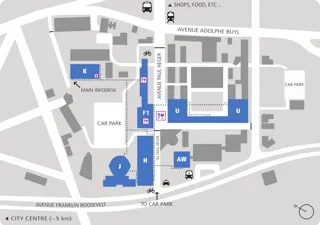
Join Free FOSDEM Talks in Brussels FOSDEM offers a free weekend of open-source talks at ULB Solbosch each January. Neighbour tip Bring a friend who has never visited before; shared first visits help you remember names, routes, and follow-up events you might skip alone. What you can do in Brussels - Ask a volunteer what follow-up dates they recommend for newcomers before you leave the site - Plan for FOSDEM 2027 on 30–31 January 2027 (fosdem.org/2027) - Pick devrooms on databases, mapping, privacy, and community tooling from the schedule when it publishes - Bring a laptop for hallway sessions and BOFs that appear on boards at the venue - Volunteer for setup or info desk shifts when the organiser opens calls for helpers How to join FOSDEM is free and does not require a ticket on the organiser site. Some side events or fringe dinners may charge separately. Read transport notes for ULB Solbosch and expect crowds on Saturday and Sunday. Share one thing you learned with a neighbour when you return home; teaching doubles your own recall and spreads open routines. When & where Université libre de Bruxelles, campus du Solbosch, Brussels, Belgium. Room maps and devroom assignments publish on fosdem.org closer to the event. Why it matters in Brussels A mega-conference with no entry fee keeps open-source literacy open to students, civil servants, and curious neighbours - not only paid corporate delegates. Bring a notebook; details you capture on site help your block organise a return visit or small solidarity fund drive. Good to know - Do I need to register? Main FOSDEM is free without registration; check the site each year for any capacity changes. - Is everything in English? Most talks are English; some devrooms mix languages - read schedules. - Can I speak? Call for participation opens on fosdem.org before January; follow deadlines if you want a slot.

Join the Wikimedia Hackathon in Tirana

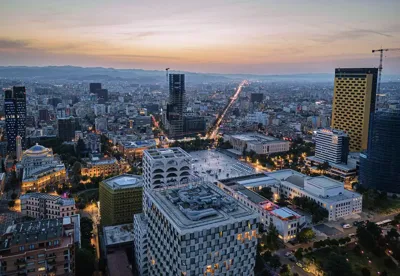
Join the Wikimedia Hackathon in Tirana Wikimedia's hackathon meets in Tirana so contributors can ship MediaWiki patches in April. Neighbour tip Bring a friend who has never visited before; shared first visits help you remember names, routes, and follow-up events you might skip alone. What you can do in Tirana - Ask a volunteer what follow-up dates they recommend for newcomers before you leave the site - Mark 9–11 April 2027 on the hackathon wiki page (Wikimedia Hackathon 2027) - Register when general registration opens from mid-January 2027 per the organiser timeline - Join pre-event online clinics if the wiki lists them for first-time contributors - Pair sightseeing in the Skanderbeg area with evening social events posted by WoALUG and Wikimedia Foundation hosts How to join Follow registration instructions on mediawiki.org; scholarships and visa letters may have separate deadlines. Bring a laptop, project ideas, and patience for multilingual hallway debugging. Share one thing you learned with a neighbour when you return home; teaching doubles your own recall and spreads open routines. When & where Tirana, Albania - venue details firm up on the wiki; plan around the city centre and Skanderbeg Square when choosing lodging per the organiser page. Why it matters in Tirana Moving the hackathon to the Western Balkans spreads wiki skills beyond Western European hubs and welcomes Albanian-language communities into core tooling work. Bring a notebook; details you capture on site help your block organise a return visit or small solidarity fund drive. Good to know - Do I need to be a coder? Documentation, design, and community roles welcome; read role descriptions on the wiki. - Is travel subsidised? Scholarship rounds are announced on the same page when open. - Which language is default? English is common in devrooms; local hosts may offer Albanian support at social events.

Join the 40C3 Congress in Hamburg

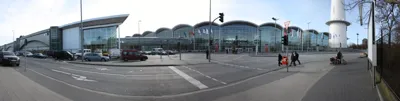
Join the 40C3 Congress in Hamburg 40C3 fills Hamburg Messe with hacker talks, assemblies, and hands-on zones at year-end. Neighbour tip Bring a friend who has never visited before; shared first visits help you remember names, routes, and follow-up events you might skip alone. What you can do in Hamburg - Ask a volunteer what follow-up dates they recommend for newcomers before you leave the site - Read 40C3 dates 27–30 December 2026 and venue notes on the CCC infos page (40C3 infos) - Buy a congress ticket when sales open; assemblies and self-organised sessions fill the schedule boards on site - Join beginner-friendly tracks on encryption, repair, and civic tech when the programme publishes - Volunteer for angel shifts or infrastructure teams through official CCC calls only How to join Congress is ticketed. Purchase through the official CCC ticket system linked from events.ccc.de - avoid scalpers. Assemblies welcome proposals before December; read the wiki for submission windows and code of conduct. When & where Hamburg Messe, Messeplatz 1 area, Hamburg, Germany. The infos page confirms Messe halls for 40C3 per the organiser page; follow signage for day passes and wristband checks. Why it matters in Hamburg Europe's best-known hacker congress mixes radical tech politics with practical workshops neighbours can reuse in local clubs and schools. Bring a notebook; details you capture on site help your block organise a return visit or small solidarity fund drive. Good to know - Is 40C3 all night? Congress halls run long hours; plan rest and transit - Hamburg public transport offers night options on holidays. - Are talks recorded? CCC usually publishes recordings after the event; verify on media.ccc.de when available. - Can minors attend? Read youth rules on the infos page each year; some areas are adults-only.

Join Wikimania 2027 in Santiago

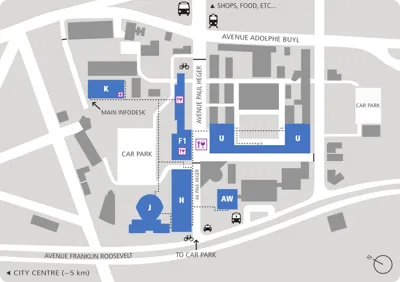
Join Wikimania 2027 in Santiago Wikimania 2027 will gather editors in Santiago while hosts finalise hybrid venue plans. Neighbour tip Bring a friend who has never visited before; shared first visits help you remember names, routes, and follow-up events you might skip alone. What you can do in Santiago - Ask a volunteer what follow-up dates they recommend for newcomers before you leave the site - Read movement updates on the 2027:Wikimania wiki and Diff posts (Wikimania 2027 wiki) - Watch for scholarship and registration windows when the host team publishes them - Prepare session ideas on Latin American language communities, climate data, and decolonial archives - Join local Wikimedia Chile meet-ups listed on the wiki before the main conference week How to join Registration opens on wikimania.wikimedia.org when the host committee announces pricing and hybrid access rules. Do not book non-refundable travel until the venue is confirmed on official channels. Share one thing you learned with a neighbour when you return home; teaching doubles your own recall and spreads open routines. When & where Santiago, Chile - venue TBA per the organiser page per Wikimedia Foundation notes on Diff and the wiki. Hybrid participation details will follow venue confirmation. Why it matters in Santiago A Global South Wikimania centres editors who keep Spanish, Mapudungun, and regional knowledge online against platform churn and misinformation. Bring a notebook; details you capture on site help your block organise a return visit or small solidarity fund drive. Good to know - Is the event hybrid? Movement communications describe hybrid plans; confirm streaming rules when registration opens. - When will the venue be announced? Follow wikimania.wikimedia.org; Solarpunker skips a map marker until the address is public. - Are scholarships available? Wikimania usually offers scholarships; deadlines appear on the wiki each cycle.

Read Free at Book Bunk in Nairobi

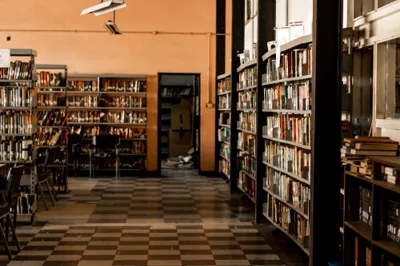
Read Free at Book Bunk in Nairobi Book Bunk restores Nairobi libraries so Eastlands neighbours borrow books and join talks. Neighbour tip Bring a friend who has never visited before; shared first visits help you remember names, routes, and follow-up events you might skip alone. What you can do in Nairobi - Ask a volunteer what follow-up dates they recommend for newcomers before you leave the site - Visit Eastlands Library and other open branches listed on Book Bunk (Book Bunk libraries) - Browse programmes on restoration, oral history, and youth reading circles on bookbunk.org - Volunteer shelving or event support when Book Bunk posts calls - Donate books or funds through official channels if you live abroad but want to support stacks locally How to join Walk in during published branch hours for Eastlands and Kaloleni when open. McMillan Library remained closed for restoration on bookbunk.org - do not assume central-city hours without checking the libraries page. When & where Eastlands Library, Nairobi - coordinates and hours on the Book Bunk libraries section. Other branches list separate addresses when reopened or under repair. Why it matters in Nairobi Decolonial library work turns colonial-era buildings into neighbourhood rooms where young readers meet authors from their own districts. Bring a notebook; details you capture on site help your block organise a return visit or small solidarity fund drive. Good to know - Which branches are open? The libraries page marks McMillan as closed for restoration; Eastlands and Kaloleni were listed as active touchpoints on the source page. - Do I need a membership card? Public library rules appear on site; bring ID if staff request it for borrowing. - Are events free? Most community readings are free; ticketed fundraisers say so on event posts.

Blagoevgrad: pictorial waste separation guide for all residents

A guide designed so everyone can understand it In Blagoevgrad, Za Zemiata and the municipality developed a pictorial household waste separation guide as part of the #ForkToFarm campaign: designed to be accessible to residents regardless of literacy level, language background, or prior environmental knowledge. The guide uses clear illustrations to show what goes where, reducing the confusion that causes contamination of sorted streams. What the guide covers - Visual instructions for each waste category: kitchen organics, recyclables, mixed residual - Pictorial representation of common items that are frequently sorted incorrectly - Distributed in print through municipal services, schools, and community centres - Designed with input from local government to reflect Blagoevgrad's specific waste collection infrastructure How to engage - Blagoevgrad residents: pick up the guide from your municipal waste service or community centre and use it to review your household sorting habits - Other Bulgarian municipalities: contact Za Zemiata to adapt the Blagoevgrad pictorial guide for your own local waste system - Educators: use the guide in school waste workshops: the visual format works especially well with younger children and parents who have limited experience with sorting systems Why it matters Clear communication is the lowest-cost, highest-impact intervention in source separation. When residents know what to do, sorted waste quality improves, recyclers accept more material, and the financial case for collection strengthens.

Showing 12 of 34

What's next

Got an idea like this?

Share it with your neighborhood, or explore what's happening nearby.