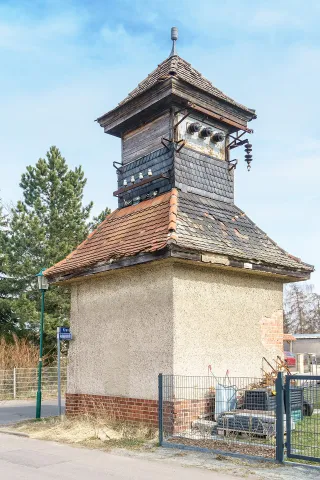
Programme nearbyEnergyBonnWalk historic energy and transport networksWalk historic energy and transport networks The 2026 motto NetzWERKE: Denkmale & Infrastruktur puts bridges, locks, power houses, rail sheds, and supply buildings in the spotlight. These places once moved people, water, goods, and power. On Open Monument Day they open so you can see how earlier networks still shape streets and rivers. What you can do - Search the programme for industry, Technik, or infrastructure tags near you - Visit a dated listing such as Dresden's Bahnbetriebswerk Dresden-Altstadt when it opens - Ask guides how the site fed a town: water, power, freight, or passenger rail - Carry the pattern into advocacy: keep repairable infrastructure visible in your own city How it works DSD invites owners to present monuments as network nodes, not only as pretty facades. Filter for technical monuments, then pick one deep listing with hours and access notes. Why it matters Energy and transport heritage make climate and mobility conversations tangible. You stand inside the systems that still underwrite daily life.infrastructurerailpower +2
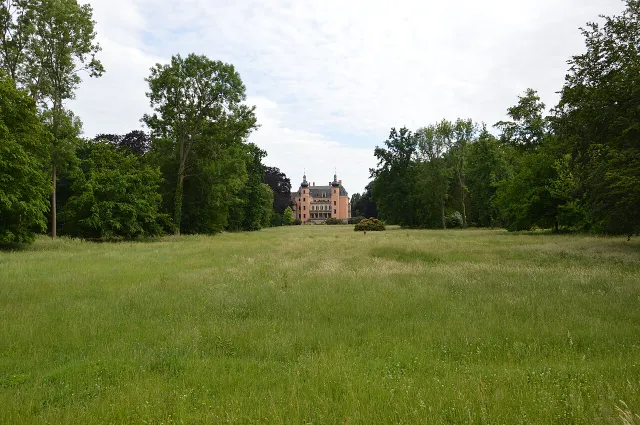
Programme nearbyFood & GardenBerlinCare for historic parks and gardens in BerlinCare for historic parks and gardens in Berlin The Internationale Jugendbauhütte Gartendenkmalpflege puts volunteers into historic parks across Brandenburg, Berlin, Sachsen, and beyond. Heart of the hut is Schlosspark Altdöbern, a baroque and landscape park where teams live and work together on axes, trees, and garden fabric. What you can do - Read the Gartendenkmalpflege hut page - Apply through Jugendbauhütten Bewerben and select historic parks and gardens when asked for placement wishes - On Open Monument Day, visit garden-city or park openings such as Waldschänke Hellerau in Dresden - Learn park terms (Sichtachsen, Formbäume) in seminars that also touch clay, forge, and timber crafts How it works Volunteers work under garden and heritage tutors for a full year. Altdöbern hosts the largest team and shared housing. Other Einsatzstellen host smaller groups on project plots. Why it matters Historic parks are living climate infrastructure: shade, water, soil, and beauty. Caring for them is ecological work with a civic story.gardenparkheritage +2
Programme nearbyFood & GardenMunichOrganise a community seed library and annual seed in MunichOrganise a community seed library and annual seed in Munich The Solawi network seed sovereignty pages promote community seed libraries: labelled jars, simple borrowing rules, and an annual swap where growers trade what saved true in their soil in Munich. What you can do - Read the Saatgut (seed) resources and pick varieties suited to Munich's climate - Host a winter swap at a library or community centre with variety notes and sowing tips - Link your library to a Solawi farm so field trials feed back into the catalogue How it works Stewards catalogue donations, check germination, and enforce "grow, save, return" rules. Swaps stay small and neighbourly so beginners leave with something they can actually sow in spring. Why it matters Community seed stocks protect diversity industrial catalogues skip and keep adaptation local.seedslibraryswap +2
Programme nearbyCommunityBonnSpend a youth year repairing heritageSpend a youth year repairing heritage The Jugendbauhütten offer ages 16 to 26 a full Freiwilliges Soziales Jahr (or BFD) in monument care. You learn timber, metal, plaster, stone, or garden skills on real buildings, with seminars that link craft to European heritage. The programme is a DSD project carried by the Internationalen Jugendgemeinschaftsdienste (ijgd). Mobile Denkmalrettercamp weeks (for example the June 2026 camp at Kramers Gut in Helmstedt) show the same spirit: short, practical teams that repair endangered fabric. Apply for the year-round hut pathway, not a one-off camp that has already closed. What you can do - Read the Jugendbauhütten overview - Apply via the Bewerben form for the next FSJ year (do not paste personal data into third-party tools) - Prefer a hut near you, or the Internationale Jugendbauhütte Berlin for urban craft and a Schöneweide workshop campus - Ask about mobile teams if you want city-wide repair rather than a single site How it works Service usually runs about twelve months from September. You need to have finished full-time school duty and be ready for hands-on work. Placement mixes workshop days, site work, and seminar weeks. Why it matters Young builders keep endangered houses standing and often stay in craft or conservation careers. Mutual aid across generations turns heritage into a living workshop.youthFSJvolunteer +2
Programme nearbyCommunityBonnVisit Open Monument Day in your townVisit Open Monument Day in your town Each year on the second Sunday in September, thousands of monuments across Germany open doors that are usually closed. Tag des offenen Denkmals® is the German contribution to the European Heritage Days, coordinated by the Deutsche Stiftung Denkmalschutz (DSD). In 2026 the day falls on 13 September, with the motto NetzWERKE: Denkmale & Infrastruktur. What you can do - Filter the live programme by region, craft, industry, or family activities - Show up for a free opening, tour, or workshop near you (some tours need booking; check the listing) - Prefer sites that invite you to look over craftspeople's shoulders, restore, or learn a hand skill - Read the DSD 2026 overview for motto context and Bamberg's national opening How it works Owners, clubs, and municipal heritage teams register openings with DSD. The programme grows through late summer. Treat the day as an annual civic habit: one Sunday to meet the builders who keep roofs, locks, gardens, and workshops alive. Why it matters Heritage stays local when neighbours walk in, ask questions, and sometimes pick up a tool. Joy and skill beat guilt: you meet living buildings and the people who care for them.heritageopen daymonument +2
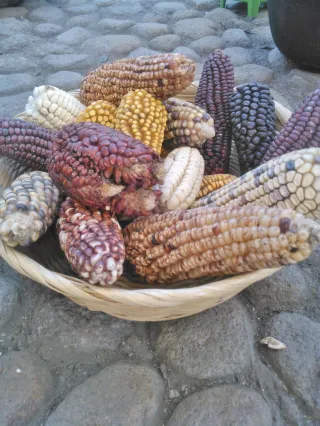
Programme nearbyCommunityMexico CityKeep native maize as living national heritageKeep native maize as living national heritage Mexicans say Sin maíz, no hay país: without maize, there is no country. In March 2025 Congress ratified a constitutional amendment that names native corn as part of national identity and bans planting genetically modified maize in Mexico. The reform builds on decades of farmer and Indigenous defence of criollo varieties that breeders and communities still rely on for tortillas, tamales, and milpa fields. Trade panels under the USMCA still allow most imported yellow corn for livestock feed. The amendment focuses on cultivation and biocultural protection at home, not a sudden end to cross-border grain. A 2021 executive goal to replace roughly 16 million tonnes of imports with homegrown maize was an ambition, not a finished programme: Mexico still imports on the order of 17 to 18 million tonnes a year. What you can do - Support a community seed bank or start a neighbourhood seed library that loans heirlooms and asks growers to return seed after harvest - Buy criollo produce and garden surplus from fair-trade channels such as Traspatio Maya when you are in Yucatán - Learn how constitutional reform frames maize as heritage (Business Standard summary, Paradigm Futures trade context) - Document and share seeds from varieties that grow well in your climate, as small farmers in Mexico have done for millennia How it works National law now elevates native maize in Articles 4 and 27 while GM planting stays prohibited. Community action sits beside policy: seed libraries keep varieties circulating, milpa plots maintain diversity, and buyers who choose criollo maize help farmers keep landraces on the field instead of only in memory. Why it matters Mexico is a centre of origin for maize. Losing a local variety weakens the global food toolbox for drought, pests, and a changing climate. Protecting living seed is builder work: culture on the plate and biodiversity in the soil at the same time.maizeheritageseed +2