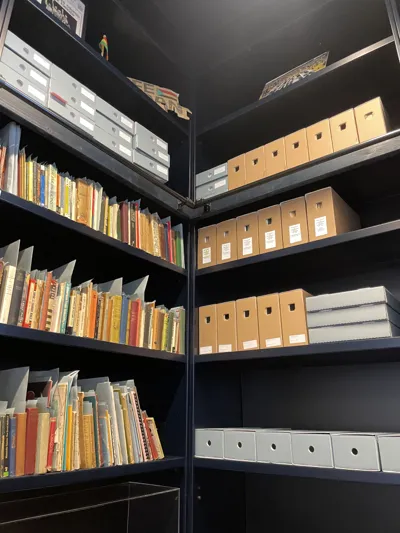
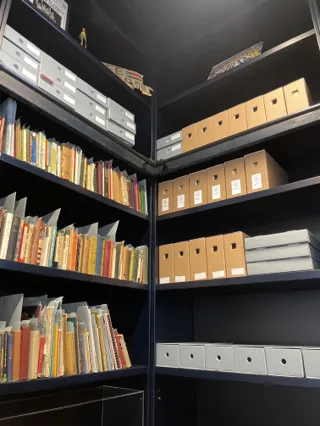
FundraiseCommunityAmsterdamVisit the Black Archives in AmsterdamVisit the Black Archives in Amsterdam The Black Archives lets Amsterdam residents research Black Dutch histories in a public Oost gallery. Neighbour tip Bring a friend who has never visited before; shared first visits help you remember names, routes, and follow-up events you might skip alone. What you can do in Amsterdam - Visit Echoes of Independence and related programming at Zeeburgerdijk 21 (Echoes exhibition) - Browse books and archival material in the reading room during opening hours - Join community conversations when the archive lists them on its events page - Donate or volunteer through contact channels on theblackarchives.nl if you live in the Netherlands How to join Walk in during public hours Wednesday to Saturday, 10:00–17:00, through 31 March 2027 for the Echoes run per the organiser page. Admission is €17.50 unless a listed event states otherwise. Register for ticketed talks when the organiser opens booking links. When & where The Black Archives, Zeeburgerdijk 21, Amsterdam. Trams and bikes reach Oost easily; the site lists accessibility notes for the building entrance and lifts. Why it matters in Amsterdam Black histories in the Netherlands are often buried in private collections. A neighbourhood archive lets residents hold exhibitions that answer today's housing, policing, and migration debates with documents neighbours can touch. Bring a notebook; details you capture on site help your block organise a return visit or small solidarity fund drive. Good to know - Do I need to book ahead? Drop-in visits work during gallery hours; popular talks may need registration when links appear. - Is the reading room open to students? Yes, with house rules for handling materials; staff explain registration on site. - Can I take photos in the exhibition? Follow room signage; some works restrict reproduction.Black ArchivesAmsterdamEchoes +2
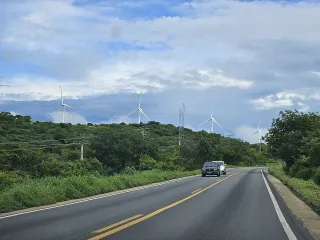
EventEnergyBrasiliaWeigh Brazil's energy transition at SESI LabWeigh Brazil's energy transition at SESI Lab Each cycle SESI Lab picks one transversal theme and runs it through exhibitions, educational activities, teacher training, publications, and technical partnerships. For 2025 and 2026 that theme is energy and the energy transition, which turns the museum on the Monumental Axis into a public room for working out how Brazil powers itself. What you can do - See which energy exhibitions and activities are running now on Exposições and the daily programação - Read the free digital curation Eficiência Energética: Aerogeradores, which connects electricity, renewable sources, and the form and function of a wind turbine - Walk the permanent Imaginando Futuros gallery, built to make visitors question the choices and decisions that shape the future (acervo digital) - Watch for the free course for education professionals on energy and sustainability, and for Night Lab evenings that take up the annual theme How it works The theme travels through the whole programme rather than sitting in one room. The interactive show Energia, Sou Watt? placed visitors at ten stations balancing economic growth, social justice, and environmental protection while deciding policy on nuclear power, mobility, production, and housing; it closed on 7 September, so treat it as a format to ask for rather than a live ticket. The Festival Energia brought five free public panels to Brasília: energy scenarios and transition, science communication and the climate emergency, decarbonisation and mobility, climate justice and sustainable development, and art and the climate emergency. Why it matters An energy transition is settled by people who can picture the trade-offs. A museum that hands you the dilemma instead of the conclusion builds exactly the civic muscle that climate policy runs on.energytransitionclimate +2