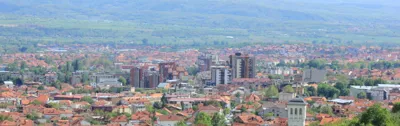
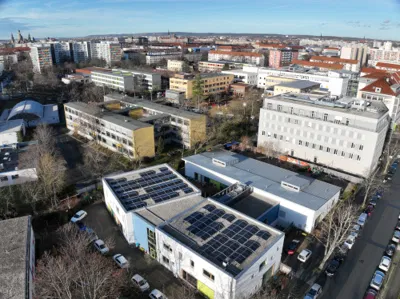
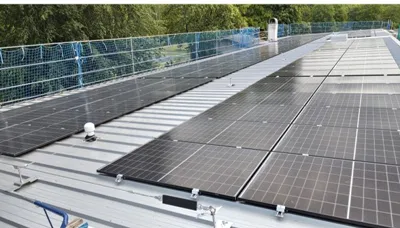
Starter ideaEnergyViennaBalcony Solar NetworkBulk-buy balcony solar with your neighbours Connect with people in your building to research plug-in panels, share mounting help, and walk the Vienna registration steps together before anyone plugs in. What you can do - Host a roof or courtyard info session so neighbours compare kit specs side by side - Read the Wiener Netze balcony rules and register your Kleinsterzeugungsanlage (up to 800 W) before operating - Check the city balcony-module notes: Vienna does not subsidise balcony kits; city grants target fixed plants over 1 kWp with their own metering point - If your building wants to share rooftop generation beyond plug-in kits, book free energy-community advice from the Klima- und Innovationsagentur Wien (templates also at energiegemeinschaften.gv.at) How it works Austria treats plug-in balcony kits as Kleinsterzeugungsanlagen (max 800 W). Wiener Netze has two weeks after registration to check or swap the meter; Schuko / Schutzkontaktstecker connections are not allowed. After that, households on the same facade can split delivery and mounting. Larger shared plants belong in an Energiegemeinschaft, not a balcony kit. Vendor-neutral detail also lives at erneuerbare-energie.wien. Why it matters Collective buying lowers cost and fear of the unknown. Neighbours who compare kits and paperwork together are the ones who actually get panels on the railing.solarenergycollective
EnergyWashington DCRE-Powering America's LandCommunity solar on brownfields and former landfills RE-Powering America's Land encourages renewable energy development on current and formerly contaminated sites, landfills, and mine sites when aligned with community vision. EPA identifies site potential and provides resources for communities, developers, and local governments. What you can do - Map brownfields or closed landfills in your county and propose community solar feasibility studies - Bring neighbours into planning so reuse projects reflect local priorities - Partner with municipalities to screen sites using EPA RE-Powering tools How to participate - Start with RE-Powering America's Land - Engage your local brownfield coordinator or environmental justice group Why it matters Repurposing degraded land for clean energy avoids greenfield sprawl and can fund remediation while lowering bills for nearby residents.brownfieldssolarlandfill +2
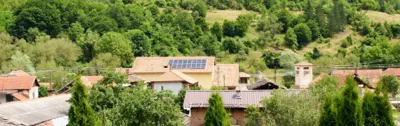
Join inEnergyBelgradeBeli Breg: village energy cooperative near VranjeThirteen households pool solar savings in southern Serbia In Beli Breg Popovci, a hillside hamlet near Vranje in south-eastern Serbia, thirteen households formed Energetska zadruga Beli Breg Popovci, one of the country's newest citizen energy cooperatives. Members voted at a founding assembly in June 2026 to keep savings, income, and future investments in the village rather than exporting them to distant utilities. What you can do - Nearby residents: contact the cooperative to learn how membership works and when rooftop solar planning begins - Other villages: use Beli Breg as a template for a multi-household cooperative under Serbia's new energy-community rules - Schools and municipalities: pair cooperative planning with the national energy communities portal for legal steps and peer examples How it works The cooperative plans its first shared solar arrays, roughly ten kilowatts of panels across one or more rooftops, with members deciding jointly how to reinvest revenue. Four development tracks were set at launch: shared solar and lower bills, joint farm equipment, rural tourism, and e-mobility links to the city. Why it matters Community-owned renewables keep money circulating locally. As Serbia opens energy-community legislation, Beli Breg shows how a handful of neighbours can start building energy independence today.energy-cooperativesolarrural +2
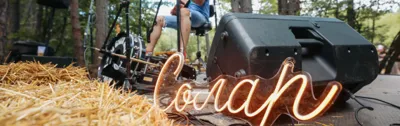
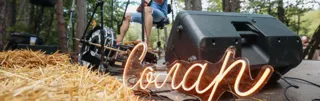
EventEnergyBelgradeSolar-powered stage at Mountain Music Festival (Divčibare)Serbia's first solar festival sound system returns to Maljen The Mountain Music Festival (MMF) on Divčibare, a mountain resort above Valjevo, pioneered Serbia's first Solar bina: a modular stage powered by a six-kilowatt solar array and a three-kilowatt-hour battery bank. After a successful debut, the stage returns with a richer programme and visitor-powered bike generators for lighting and battery top-ups. What you can do - Festival-goers: visit the Solar bina zone, pedal the bike generators, and see renewable power running live sound - Event organisers: study MMF's mobile solar rig as a replicable pattern for outdoor culture without diesel generators - Communities: the modular system can travel to parks and town squares beyond Divčibare, contact the festival team about hosting How it works Solar panels feed the PA during daylight; batteries carry the party after sunset. The entire rig packs down and moves, proof that a concert needs sound, not a grid connection. Why it matters Culture and climate action can share the same stage. A solar-powered festival makes renewable energy tangible, joyful, and loud.solarfestivalmusic +2
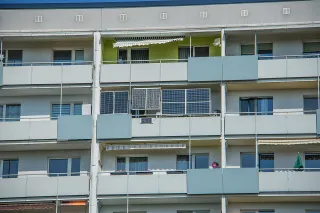
Join inEnergyBudapestSolar open-home afternoonShow neighbours your panels and battery setup Hungary leads Europe in rooftop solar adoption, the next step is sharing know-how block by block. On panel estates, households mount modest PV on balconies or shared roofs (not only high-tech farm arrays). Host an informal open-home afternoon: walk through the inverter cupboard, compare legalisation steps, and fill the short storage grant form together over tea. What you can do - Solar hosts: pick one Saturday, invite the stairwell or street, and post a paper sign in the lobby - Curious neighbours: bring your last electricity bill and ask about 10 kWh+ storage sizing and net-metering timelines - Block captains: compile a shared list of trusted installers and co-op paperwork so nobody repeats the same mistakes How it works The home storage programme supports batteries of at least 10 kWh, inverter swaps, metering upgrades, and even phase expansion, but many families stall on paperwork. Peer demos on a prefab block turn abstract grants into something you can touch from your own balcony. Why it matters Solar spreads faster on trust than on ads, one honest tour on a familiar concrete tower can unlock a whole roofline.solarbatterymutual-aid +2
EnergyBudapestPanel roof solar pilotShare common-roof PV across a prefab block Panel estates often have large flat roofs owned collectively, ideal for a mini solar cooperative that feeds common areas or sells power back to residents. Pair a roof lease vote at the közgyűlés with household storage grants: common PV on top, individual batteries in flats below. What you can do - Assembly leaders: add a roof-solar agenda item alongside insulation, same contractor visit, two quotes - Legal-savvy neighbours: draft a simple revenue split (elevator, lighting, heat-pump preheat) - Early adopters: apply for home storage once the shared array is approved, programmes favour households already on solar How it works Hungarian társasház law requires owner consent for structural roof works. Start with a feasibility study (shading, grid connection, DSO rules), then piggyback on Panelprogram-era insulation contractors who already know the building. Why it matters One roof can power dozens of homes, the cooperative model keeps profits in the stairwell, not on a billboard.solarpanel-blockcooperative +2
Join inCommunityBrusselsJoin a women-led energy cooperativeShare ownership of solar and keep bills fair REScoop.eu highlights citizen energy projects where women lead the transition: from Roma-led solar in Hungary to Belgian co-ops that cap prices for households. The pattern is the same: neighbours own the panels, share the skills, and decide together. What you can do - Read the women-led energy transition story from the Lightbringers Foundation - Browse REScoop.eu success stories for a cooperative near you - Contact REScoop.eu if your group wants starter guidance for a new energy community How it works Residents form or join a cooperative, invest in local renewables, and buy electricity at cost. Training workshops pass installation and maintenance skills to women who are often left out of energy decisions. Why it matters Community-owned power cuts energy poverty without waiting for distant utilities. When women hold tools and votes, the transition stays local and just.energycooperativewomen +2
Join inEnergyBelgradeFund village solar that buys doors and mowersLet cooperative kilowatt-hours pay for what the village asks for Solarna Stara placed small cooperative solar plants in Temska and Dojkinci on Stara Planina with Energetska zadruga Elektropionir. First-year revenue bought village doors and a grass trimmer; members decide the next purchases for twenty-five years of shared income. What you can do - Study the Solarna Stara results story on Klima 101 before pitching a co-op plant in your village - Join or contact Elektropionir-style cooperatives and the energy communities portal for Serbian legal pathways - Propose that your municipality host a public roof for a citizen array with transparent revenue votes How it works Citizens and organisations co-finance modest rooftop plants. Sale of electricity returns to a village fund; assemblies pick practical upgrades instead of abstract dividends. Why it matters Six kilowatts can feel small on a grid chart and huge when they buy the door everyone needed.Solarna StaraElektropionircooperative +2
Join inEnergyZagrebShare solar from a firehouse energy communitySplit a roof's kilowatts with neighbours instead of going alone In Špičkovina near Zabok, Croatia's first fully operational energy community put 32 kW of panels on the voluntary fire brigade hall. Seventeen residents and one small business share the generation on their bills, coordinated with REGEA and the European SHAREs project. What you can do - Read the Klima 101 report and ask your firehouse, school, or co-op roof whether a shared array fits - Contact regional energy agencies (REGEA in north-west Croatia) for legal and metering steps - Watch for similar communities forming in Karlovac and Samobor as the model spreads How it works Members invest together; allocated solar energy appears as a credit on each household bill. The fire association channels savings into equipment while every member cuts costs, without needing a private roof. Why it matters Citizen energy stops waiting for perfect bureaucracy when neighbours already trust a shared public roof.energy-communitysolarZabok +2
Join inEnergyBremenJoin Bürger Energie Bremen in BremenJoin Bürger Energie Bremen in Bremen Bürger Energie Bremen eG (BEGeno) is a citizen energy cooperative for Bremen and about 100 km around it. Members finance rooftop PV, open-field solar, and wind, and can also buy citizen green power without joining. This is not a cycling campaign. What you can do - Apply in a few minutes via the membership portal - Draw at least five shares of 100 euro (500 euro minimum) as set in the statute - Visit the office on Schongauer Str. after you arrange a time, or ask about working groups once you are in How it works Register with an email, complete the drawing, then wait for the board to accept you. Paper join exists only if you have no email. Liability is limited to the shares you buy. Minors need a guardian. Why it matters Shared plant ownership turns Bremen rooftops and nearby wind into a neighbourhood balance sheet, one member one vote.energy-coopmembershipsolar +1
Join inEnergyDresdenJoin egNEOS in DresdenJoin egNEOS in Dresden Energiegenossenschaft Neue Energien Ostsachsen eG (egNEOS) builds citizen-owned renewables in eastern Saxony, including rooftop PV in Dresden districts and a citizen wind turbine near Riesa. More than 500 members already share the plants. What you can do - Join digitally or on paper from the membership page - Buy from one 50 euro share. A one-off 50 euro entry fee applies (sometimes reduced to 20 euro on request). Maximum 500 shares - Email mitgliedschaft@egneos.de if you need the statute or a paper form How it works Fill the online application or print the form, sign it, and send it in. The board decides on admission. You then hold a stake in local generation, not a savings product from a distant bank. Why it matters Ostsachsen keeps more of the yield and the votes in the same postcodes that host the arrays.energy-coopmembershipsolar +1
Join inEnergyKarlsruheJoin BEnKA as a co-owner in KarlsruheJoin BEnKA as a co-owner in Karlsruhe BEnKA BürgerEnergie Karlsruhe eG lets residents become co-owners of local energy projects from 100 euro per share. The city Mitmach-Börse lists the cooperative. Subordinated loans may return later. Do not treat that as an open offer today. What you can do - Complete the invest / join form and download the PDF - Send it to HIT Hanseatische Service Treuhand GmbH (Beim Neuen Krahn 2, 20457 Hamburg) or info@hit-treuhand.de - After the board confirms, transfer the share amount to the BEnKA account printed in the confirmation How it works One member, one vote. The cooperative aims for a yearly dividend in the 2 to 4 percent range when the general meeting agrees. Shares fund Karlsruhe-area plants, not a national fund. Why it matters A three-digit stake is enough to sit at the table for rooftop and wind projects you can actually visit.energy-coopmembershipsolar +1