Programme nearbyCommunityBerlinHitzeaktionstag, national heat action day in BerlinHitzeaktionstag, national heat action day in Berlin Each 11 June, municipalities, health groups, churches, and neighbours across Germany host walks, cooling rooms, and info stands for Hitzeaktionstag, a cross-sector campaign to make towns safer when temperatures spike in Berlin. What you can do - Find a local event on the Hitzeaktionstag calendar, walks, cooling points, school workshops, and citizen forums - Bring neighbours who may not hear heat warnings: seniors, outdoor workers, and families with young children - Ask what your city is doing beyond the action day, heat action plans, cool-place maps, and green shade routes How it works - The alliance coordinates a shared date; each Veranstalter runs their own venue - Formats range from Hitzespaziergänge (heat walks) and Kühle Orte (cool places) to church cooling rooms and green-space co-design - Resources also live at Hitze.info and the municipal HitzeService About Hitzeaktionstag Hitzeaktionstag is an annual Bündnis campaign on 11 June. Health for Future and many partners publish events on the shared calendar, Solarpunker reposts local listings for discovery only; we do not organise or endorse individual events. Why it matters Heat resilience is built neighbour by neighbour: shared cool spots, shade trees, and plans that protect the people most at risk, not fear alone, but practical care.heatHitzeaktionstagcooling +2
Programme nearbyFood & GardenBonnTend a community health gardenGarden for recovery alongside clinic neighbours The Universitätsklinikum Bonn opened a therapeutic garden where patients and staff grow herbs, play boules, and recharge outdoors. The beds support motor skills, social contact, and calm during psychiatric day care. What you can do - Read how the UKB garden therapy area was co-designed with nursing staff - Ask your local clinic or community centre whether a shared health garden could host open volunteer mornings - Replicate raised beds, seating, and sensory planting paths for mixed public and therapeutic use How it works Raised beds and a small pavilion were funded through the medical faculty's sustainability programme and built with facility teams. Therapists lead structured sessions; the layout invites quiet visits between appointments. Why it matters Health gardens blend care with ecology: hands in soil, conversation in fresh air, food harvested nearby. They show hospitals can be neighbourhood green anchors.healthgardentherapy +2
Programme nearbyCommunityMunichChampion gender-just climate and health action in MunichChampion gender-just climate and health action in Munich WECF connects ecofeminist groups that link clean air, toxin-free homes, and reproductive health in Munich. Their Gender Just Climate Solutions Awards recognise grassroots projects that already protect bodies and ecosystems together. The 2026 application window closed on 12 July; winners are celebrated at COP 31 in Antalya (November 2026). What you can do - Read Climate Justice Starts at the Roots for field-tested finance and policy asks - Follow WECF and the Women and Gender Constituency for 2026 winners and the next award round - Host a neighbourhood conversation using WECF toolkits on chemicals in everyday products How it works WECF funds and mentors women-led organisations, then brings their evidence into UN and EU climate spaces. Local groups test solutions first; advocates scale what works. Why it matters Climate policy that ignores gender misses who cooks, cares, and lives nearest to pollution. Grassroots women already hold the blueprints.healthgenderclimate +2
Programme nearbyCommunityNairobiMalaica hybrid maternity careMidwife-led pregnancy support online and in clinics Malaica (Nairobi, Kenya) pairs expecting mothers with dedicated midwives, offers hybrid care online and in clinics, and connects families to Kenya's largest pregnancy community. The model targets safer, more affordable, and better informed births, reaching nearly 200,000 women according to Impacc's portfolio listing. What you can do - Join as an expecting parent through Malaica's channels for midwife pairing and community support - Explore how hybrid telehealth plus neighbourhood clinics lowers cost barriers for maternal care - Replicate the pattern: trusted midwives, digital community, and clinic touchpoints in one network How to participate - Visit the Malaica portfolio page for current enrolment links and clinic information Why it matters Maternal care works when it meets mothers where they are, online for daily questions, in person when it counts, and in community with peers.maternitymidwiveshealth +2
Programme nearbyCommunityMunichMake schools heat-resilient with cool heads in MunichMake schools heat-resilient with cool heads in Munich Munich partners (Münchener Rück Stiftung, Munich Science Communication Lab at LMU, and KLUG) host public evenings on hitzeresiliente Schulen: how classrooms stay healthy when temperatures spike. The pattern travels: map hot corridors, plant shade, open cool rooms, and involve parents and students in heat plans. What you can do - Watch for school heat evenings on the Hitzeaktionstag calendar - Ask your Schulelternbeirat or facility manager for a cool-room protocol and drinking-water stations - Pair with local Health for Future groups for clinic and school heat checklists How it works Education and health actors share evidence on learning under heat, then schools pilot shade, timetable shifts, and cool spaces. Residents bring lived classroom experience into municipal heat plans. Why it matters Children cannot wait for a distant climate target when July already melts concentration by noon.schoolheatHitzeaktionstag +2
Programme nearbyCommunityBerlinMunicipal heat action plans (Hitzeaktionspläne) in BerlinMunicipal heat action plans (Hitzeaktionspläne) in Berlin Few German municipalities have a binding Hitzeaktionsplan yet in Berlin. Residents, health workers, and clubs can ask councils to adopt science-based heat plans, covering cool public spaces, building adaptation, and care for vulnerable neighbours. What you can do - Ask your Gemeinde or Stadt whether a heat action plan exists and when it was last updated - Raise heat protection at work, in your Verein, or at a parent council, what is already done? What is missing? - Connect with local Health for Future groups and the HitzeService for municipalities What strong plans typically include (paraphrased from alliance asks) - Binding local heat action plans with funding and staff from federal and state levels - Climate adaptation in building and infrastructure investment, especially schools, care homes, and hospitals - Health, care, and social sectors at the table when plans are written and tested - Clear warning chains and crisis structures when heat overloads clinics and emergency services - Faster climate protection in transport and buildings, prevention alongside adaptation Why it matters Plans turn hot-day panic into rehearsed mutual aid: who opens a cooling room, who checks on isolated neighbours, and where shade already exists on the map.heat planadvocacymunicipality +2
Programme nearbyCommunityMunichMap and nominate cool places (Kühle Orte) in MunichMap and nominate cool places (Kühle Orte) in Munich Kühle Orte programmes invite residents to nominate parks, fountains, libraries, and courtyards that stay usable on hot days, then publish them so everyone knows where to cool down in Munich. What you can do - Take part in citizen forums or lotteries that collect cool-place suggestions (for example Stadt Kempten's Gesucht: Kühle Orte participation format) - Nominate spots with seating, tree cover, drinking water, or indoor air conditioning open to the public - Check municipal maps and Hitze.info for existing listings near you How it works - Cities validate nominations for accessibility and opening hours - Maps often launch around Hitzeaktionstag (11 June) and expand through summer - Cooling points can include park fountains, church halls, and library reading rooms Why it matters A shared cool-place map is mutual aid you can see on a screen, especially for people without car AC or a shaded balcony.cool placesKühle Ortemapping +2
Programme nearbyCommunityFrankfurtCooling churches & public cool rooms in FrankfurtCooling churches & public cool rooms in Frankfurt Churches and community halls often stay cool behind thick walls in Frankfurt. Several cities now mark Kühle Kirchen, welcoming hours with water, rest, and heat guidance for passers-by. What you can do - Visit a listed cooling church during published open hours (check local Hitzeaktionstag listings) - Ask your parish or community centre whether it can join a summer cooling network - Pair cooling rooms with volunteer check-ins for seniors in the parish Example pattern - Innenstadtkirche St. Ludwig: Darmstadt (Wilhelminenplatz) opens for Hitzeaktionstag info and rest - Evangelische Stadtkirche and other partners run parallel sites in the same city Why it matters Cool rooms turn empty daytime sanctuaries into neighbourhood lifelines, no ticket, just shade and dignity.cooling roomchurchheat +2
Programme nearbyCommunityBerlinNeighborhood heat walks (Hitzespaziergänge) in BerlinNeighborhood heat walks (Hitzespaziergänge) in Berlin Hitzespaziergänge and Climatewalks let residents feel where asphalt bakes, where trees cool, and where the next shade project could go, guided by city staff, health groups, or urban planners in Berlin. What you can do - Join a listed walk on Hitzeaktionstag or a municipal climate office open day - Note hotspots: unshaded bus stops, south-facing playgrounds, and heat islands around car parks - Bring suggestions back to a neighborhood meeting or Bauausschuss Formats to look for - Talk and Walk routes (for example Stadt Viersen or Köln-Ehrenfeld) - Stadtteilspaziergänge comparing cool corners and sunny squares (Munich MVHS, Stuttgart Gesundheitsamt) - Architecture Climatewalks along green belts (Frankfurt Anlagenring) Why it matters You cannot plant shade for a street you have never walked in August, these tours turn data into stories neighbours act on.heat walkHitzespaziergangurban heat +2
Programme nearbyCommunityBerlinHealth for Future local groups, heat on the agenda in BerlinHealth for Future local groups, heat on the agenda in Berlin Health for Future (H4F) connects clinicians, carers, and public-health staff who want climate action that protects patients, including heat plans in hospitals, schools, and municipalities in Berlin. What you can do - Find or start a local Ortsgruppe via Health for Future - Set heat protection on the agenda at your workplace, Kita, or clinic, use the alliance's short videos for health professions - Subscribe to the Deutscher Wetterdienst Hitzewarnungen newsletter and share alerts with vulnerable neighbours - Network with your Kommune, Betrieben, and Sozialeinrichtungen, see BZgA heat guidance linked from the H4F page About Health for Future Health for Future was launched by KLUG – Deutsche Allianz Klimawandel und Gesundheit. Local groups host Hitzeaktionstag events, roundtables, and film nights, Solarpunker reposts for discovery; H4F organisers lead their own programmes. Why it matters When health voices join neighbourhood planning, cool rooms and tree corridors show up before the next Hitzewelle, not after the emergency ward fills.Health for Futurehealth workersOrtsgruppe +2
Programme nearbyCommunityBelgradePublic drinking fountains as urban water commonsBlue dots on the city map: free water and heat resilience Across Serbia, javne česme (public fountains) are reopening each spring, heritage infrastructure that doubles as climate adaptation. Refill stations cut single-use plastic, offer free hydration during heat waves, and anchor neighbourhood gathering spots when maintained and tested. What you can do - Residents: locate your nearest public fountain, carry a reusable bottle, and report broken taps to the local utility or health institute - Neighbourhood groups: map fountains in your district and advocate for repairs, signage, and water-quality transparency - Municipalities: treat fountains as public-health infrastructure, regular testing, winter maintenance, and new installations in heat-exposed zones How it works Most urban fountains connect to municipal water networks; Belgrade also lists dozens of spring-fed fountains monitored by the city public-health institute. Quality data should be published before peak summer use. Why it matters Accessible water is a solarpunk baseline: low-tech, shared, and life-sustaining. Every working fountain is a small act of care for the whole neighbourhood.waterfountainsheat +2
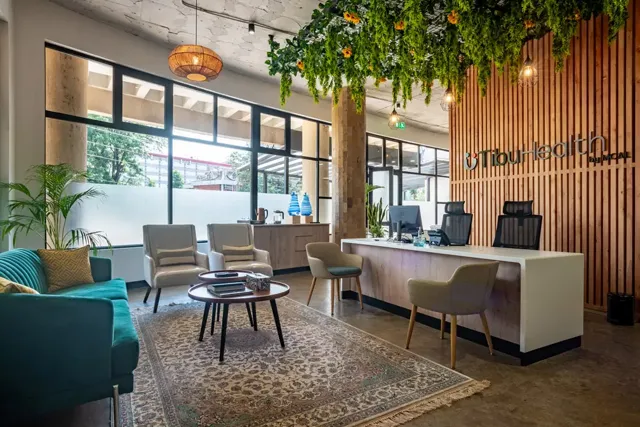
Programme nearbyCommunityNairobiTibu Health pharmacy minute clinicsPrimary care where Kenyans already shop Tibu Health builds Minute Clinics inside existing pharmacies, a shop-in-shop model that brings primary care to high-footfall neighbourhood locations across Kenya. What you can do - Visit a participating pharmacy Minute Clinic for primary care services - Ask local pharmacists whether Tibu-style partnerships could serve your estate or market street - Replicate the pattern: care embedded in trusted daily errands, not only hospital campuses How to participate - Find clinic locations and services via the Tibu Health portfolio page Why it matters Healthcare access improves when it sits inside existing community routines, pharmacies people already trust for essentials.primary-carepharmacyhealth +2
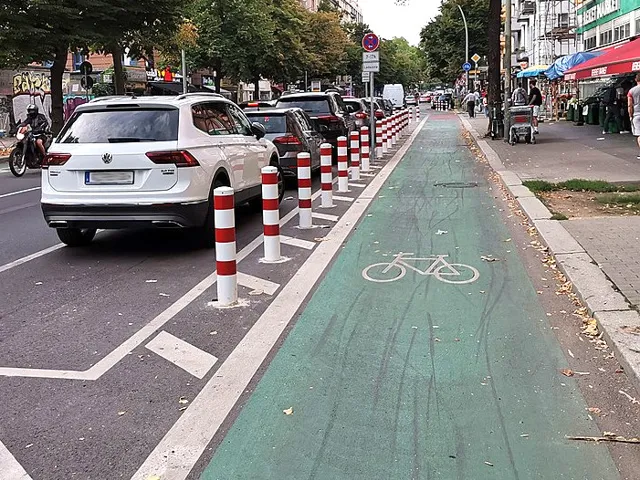
Programme nearbyCommunityBerlinJoin STADTRADELN for 21 days of everyday rides in BerlinJoin STADTRADELN for 21 days of everyday rides in Berlin For three weeks each summer, neighbours across Germany log everyday bike trips and watch their Kommune climb the results board in Berlin. STADTRADELN (international name CITY CYCLING) turns ordinary commutes, school runs, and weekend loops into a town-wide team sport. What you can do - Find your Kommune and its 21-day window on stadtradeln.de/kommune - Register on stadtradeln.de/registrieren and join a club, school, workplace, or Offenes Team (two people already count as a team) - Log kilometres in the STADTRADELN app, the browser km-book, or a paper sheet handed to your local coordinator - Ride anywhere: StVZO bikes, cargo bikes, handbikes, wheelchairs, footbikes, and Laufräder all count How it works Each participating municipality picks 21 consecutive days between 1 May and 30 September. - Registration stays open through the last campaign day, with a seven-day catch-up window afterward - One team per Kommune per person; if you live and work in two participating towns, use two accounts and log each kilometre only once - Races and indoor trainers do not count - Prizes span five population size classes, newcomer awards, the Goldene Speiche, and local team prizes set by each Kommune - Full rules: Spielregeln Why it matters Streets fill with familiar faces on bikes, and the tally belongs to the whole town, not a solo leaderboard. Collective kilometres nudge councils toward better lanes while riders have fun on routes they already know.cyclingteameveryday +1
Programme nearbyCommunityAccraWASHKING bio-digester toilets for slumsPay-per-use sanitation that becomes fertiliser WASHKING (Accra, Ghana) builds bio-digester toilets for dense neighbourhoods, reducing faecal waste by 90% and converting it into fertiliser. A pay-per-use model keeps toilets affordable while protecting dignity, safety, and hygiene. Impacc lists support for WASHKING as completed, treat this as a replicable pattern, not a live Impacc grant. What you can do - Study how pay-per-use sanitation funds maintenance without large upfront household costs - Partner with local cooperatives to adapt bio-digester designs to your settlement's layout - Connect fertiliser outputs to urban gardens or peri-urban farms How to participate - Visit WASHKING's portfolio page for programme history and contact paths Why it matters Sanitation is mutual aid infrastructure. When waste loops close into soil nutrients, communities gain health and food sovereignty together.WASHsanitationGhana +2
Programme nearbyEnergyNairobiGrow clean-cookstove markets with women's last-mile groupsGrow clean-cookstove markets with women's last-mile groups Energising Development (EnDev) helps Kenya build lively markets for improved cookstoves and small solar (with GIZ, SNV, and CLASP). Households buy from producers, traders, and last-mile entrepreneurs, including women's groups and savings groups that demonstrate and sell stoves village by village. There is no single GIZ volunteer desk; the builder move is growing that market where you already cook and trade. What you can do - Buy or recommend an improved cookstove from a local seller or women's group near you, then share how it cooks in your kitchen - Join or start a savings group (chama) that sells or finances stoves on instalments for neighbours - If you produce or distribute ICS, study the climate-friendly cooking Kenya and Senegal professionalisation pattern and partner pathways on EnDev Kenya - Host a short cooking demo with your women's group, school, or market stall so new customers can taste the difference How it works EnDev strengthens producers and last-mile agents so quality stoves reach rural customers through ordinary commerce. Savings groups often make instalments workable. Use the country page to find the approach; then act through local sellers and groups already on the ground. Why it matters Cleaner cookstoves free hours, clear kitchen air, and keep more trees standing when neighbours sell and buy them together.cookstovemarketwomen +2
Programme nearbyCommunityStuttgartRide with RadKULTUR in Baden-WürttembergRide with RadKULTUR in Baden-Württemberg RadKULTUR is Baden-Württemberg's state cycling initiative: free safety checks, public repair points, and STADTRADELN fees covered for participating towns. What you can do - Find a public RadService-Punkt with pump and tools near you - Attend a free RadCheck when your employer or town hosts one - Register your Kommune for STADTRADELN via RadKULTUR (Land covers municipal fees, about €550,000 sourced for 2026) - Ask your workplace or town about the RadStart-Paket starter kit if you want a hosted launch event How it works RadKULTUR bundles infrastructure guidance, on-street service stations, and campaign support. Municipal STADTRADELN participation in BW is subsidised so clerks can focus on inviting riders rather than fee paperwork. Why it matters Riders get tangible help on the ground while councils see state backing for everyday cycling culture, not only ribbon-cuttings.cyclingeverydayrepair +1
Programme nearbyCommunityBremenFind bike culture with BIKE IT! in BremenFind bike culture with BIKE IT! in Bremen Bremen pairs harbour-city charm with everyday bike life: BIKE IT! events, the Weser-Radweg, and a cycling modal share around one quarter of trips. What you can do - Browse rides and services on bremen.de/fahrradstadt and the BIKE IT! calendar linked from stadtradeln.de/partner-regional - Ride the Weser-Radweg through town and along the river - Join ADFC Bremen tours and register for STADTRADELN when Bremen's municipal window opens on stadtradeln.de/kommune How it works BIKE IT! promotes Bremen as a cycling city with events, wayfinding, and partnerships. STADTRADELN runs when the city registers; until then, local clubs and routes keep the wheels turning. Why it matters A city that already rides for daily errands makes campaign weeks feel like a celebration, not a lecture.cyclingbremenevents +1
Programme nearbyCommunityMönchengladbachStay cool in the Central Library in MönchengladbachStay cool in the Central Library in Mönchengladbach The Zentralbibliothek Carl Brandts Haus is a free indoor public room in Mönchengladbach. You can read, study, meet neighbours, or simply sit out a hot afternoon without booking a named cooling programme. Walk in without a card if you only want to stay. A library card is needed only if you borrow media or use some digital loans. What you can do - Spend a long indoor stretch at Hilde-Sherman-Zander-Straße 6, 41061 - Use published house hours: Monday to Friday 10:00 to 22:00, Saturday 10:00 to 18:00, Sunday 12:00 to 18:00 (desk staff finish earlier) - Ask at the desk if you need a card, Wi-Fi help, or a quieter floor How it works Entry to sit and read is free. Staffed advice is shorter than the building hours (about Monday to Friday 10:00 to 18:00 and Saturday 10:00 to 14:00). Solarpunker does not run the library: check the city page for holiday closures. Why it matters A bright public room with long hours gives residents a reliable indoor pause on hot days, without turning the library into a special heat campaign.libraryindoorcooling +1
Programme nearbyCommunitySolingenMeet the Malteser heat bus at Neumarkt in SolingenMeet the Malteser heat bus at Neumarkt in Solingen Each summer the Malteser Hilfsdienst in Solingen runs a Hitzebus with the city. Volunteers stop at Neumarkt with free drinks and sun protection for people who need them, including people without housing. The team also listens and points visitors to other local help. What you can do - Find the bus on Monday and Thursday around 15:00 at Neumarkt, 42651 Solingen in the July to September season - Take a drink, sunscreen, or a quiet conversation if you need it - Offer a few hours as a volunteer via hitzebus.solingen@Malteser.org How it works The pattern is seasonal: July to September, two weekday stops. After September the same page is the place to confirm the next summer run. The team base is Kieler Straße 15-17, 42697 Solingen. Solarpunker does not staff the bus. Why it matters Hot streets raise health risks fast. A regular, free stop at Neumarkt turns care into something you can walk to twice a week in summer.heatdrinkssummer +1