Repair & Reuse in Brasilia: local projects to join

Local Repair & Reuse initiatives in Brasilia — practical projects you can start or join this week.

In Brasilia, neighbours are already working on Repair & Reuse, including «Build circuits and learn energy efficiency». Start something similar this week, or join an initiative already planned.

Ideas
5
Initiatives
4
Browse the map →

Repair & Reuse ideas in Brasilia

Programme nearbyRepair & ReuseBrasilia

Build circuits and learn energy efficiency

Build circuits and learn energy efficiency SESI Lab's Maker and Biomaker rooms teach energy through your hands. In Construindo circuitos com massinha, participants sculpt modelling clay, test which materials conduct, light an LED, and end up talking about careful use of electricity. The oficina sits on the museum's Eficiência Energética thematic axis and its CTSA framing asks participants to propose their own conscious-consumption actions. What you can do - Check the programação and register for the day's oficinas at opening time (box office, kiosks, or the official ticket platform) - Read the open workshop records and tutorials in the acervo, such as circuitos com massinha and insetos elétricos, then rebuild them in a classroom or at home - Ask about Maker and Biomaker sessions and short courses through O SESI Lab - Use the same recipes to start a household conversation about where the electricity actually goes How it works Places are limited and filled by arrival order; some activities hand out passwords about 30 minutes before the start. Biomaker is presented as a rare public lab of its kind in Brazil. Each oficina is published in the digital acervo with its curricular links, references, and a build tutorial, so the recipes stay usable far outside the museum. Why it matters Closing your first circuit is where energy stops being a bill and becomes something you can reason about: what conducts, what wastes, and what you can repair yourself.
Programme nearbyRepair & ReuseBrasilia

Drop electronics at a DF voluntary delivery point

Drop electronics at a DF voluntary delivery point Brasília runs two public pathways for leftover electronics, and both ask residents to walk a device to a box rather than the ordinary bin. Reciclotech (SECTI-DF with Programando o Futuro) lists voluntary delivery points (PEVs) for computers, phones, cables, batteries, and similar gear. A separate reverse-logistics map from SLU-DF (Sema-DF with Abree) covers electroelectronics and household appliances, plus other take-back streams. What you can do - Look up Reciclotech PEVs on the SECTI PEV table (that page listed 149 active points when last updated 13 October 2025; the Reciclotech overview still says 102, so use the table) - Check the SLU reverse-logistics map and filter by residue type; Sema notes that the local Abree operator also keeps 9 of its own delivery points - Take small IT, phones, cables, and batteries to a Reciclotech box; use the SLU map for bulky appliances and for streams that are not electronics - Do not treat the whole map as electronics-only: the same network also receives medicines, cooking oil, tyres, glass, and x-ray plates How it works Reciclotech PEVs are boxes placed in regional administrations, metro stations, parks, SESC/SESI units, and other busy spots. The programme then sorts what can be repaired, donated, or recycled. Sema-DF's agreement with Abree (signed 24 September 2021) covers collection, transport, and environmentally adequate destination, executed locally by Zero Impacto. Confirm the current list on the official table or map before travelling: counts disagree across pages, and hours are not published as a single timetable. Why it matters A walk-up box is the lowest-friction circular step in a capital that otherwise sends metal, plastic, and batteries into ordinary waste. Neighbours keep gold, copper, and working machines in the city instead of in the soil.
Programme nearbyRepair & ReuseBrasilia

Refurbish and donate computers for digital inclusion

Refurbish and donate computers for digital inclusion Machines that still have a working life do not have to become scrap. Reciclotech reconditions electroelectronics: clean, swap parts, install software, test, then pass them to public bodies and nonprofits that run digital inclusion. What cannot be repaired is recycled or sent to adequate disposal. What you can do - Drop working or broken IT at a Reciclotech PEV so it can enter the workshop - If you represent a nonprofit that teaches digital skills, read who can request a donation and send the ofício through the contacts on the Reciclotech pages (identify the organisation, how many machines, and the inclusion work) - Public schools, hospitals, and community labs are the intended next owners, not a private resale shelf How it works What Reciclotech is describes reconditioning as recovery of damaged goods by cleaning, replacing parts, or small repairs, plus recycling that turns residue into inputs. Decreto 41.859/2021 already named Estações de Metarreciclagem, Pontos de Inclusão Digital, and Polos de Formação as the public pathway. Lei 7.913/2026 keeps donation for inclusion as a programme objective. Do not quote stock numbers from news: they belong to earlier phases and are not on the pages cited here. Why it matters A refurbished tower in a classroom is the circular economy you can sit down at. Repair plus gift beats a lecture about the digital divide.
Programme nearbyRepair & ReuseBrasilia

Build a neighbourhood circular economy hub

Build a neighbourhood circular economy hub In 2024 Reciclotech installed a Polo Distrital de Economia Circular (PDEC) in Ceilândia Norte. The hub is meant to join collection, sorting, recycling, training, and local jobs in one place, so the satellite city is not only a source of scrap. What you can do - Read the polo description on Programando o Futuro: Reciclotech (3rd edition) - Ask the executor how residents of Ceilândia and neighbouring RAs can train, work, or drop material at the hub - Treat the polo as a replicable pattern: a macrorregião workshop that keeps reverse logistics and digital skills under one roof - Pair a visit with the Gama training centre if your interest is the course catalogue rather than the Ceilândia site How it works The 2023 collaboration term funds installation of a circular-economy polo that integrates collection, sorting, and recycling of DF electronics, plus IT training for young people and adults, and donation of reconditioned equipment. Ceilândia Norte is the named 2024 site. Exact street hours are not on the partnership page: confirm with Programando o Futuro before travelling. The pin on the map is the Ceilândia Norte centre, marked approximate. Why it matters A hub in Ceilândia says the circular economy lives where people already live, not only in an industrial lot on the other side of the DF. Sorting, repair, and paycheques can share a neighbourhood.

Repair & Reuse initiatives in Brasilia

BrasiliaDate TBD

Visit the circular economy polo in Ceilândia Norte

Visit the circular economy polo in Ceilândia Norte In 2024 Reciclotech installed the Polo Distrital de Economia Circular in Ceilândia Norte, joining collection, sorting, recycling, training, and local jobs for that macrorregião. How it works Read the polo on Programando o Futuro: Reciclotech (3rd edition) and confirm visiting or training arrangements with the executor. Street hours are not published on that page. When & where - Ceilândia Norte, Distrito Federal (named 2024 site; no street lot on the partnership page) - Approximate pin for Ceilândia Norte - Recurring: confirm with Programando o Futuro before travelling Why it matters A polo in Ceilândia keeps reverse logistics where people already live and look for work. Source & repost Shared here so you can get inspired or find action already happening near you. Solarpunker does not own or organise it. Source: Programando o Futuro: Reciclotech partnership record. Photo: Wikimedia Commons, Ceilândia (CC BY 2.0, Agência Brasília).
BrasiliaDate TBD

Drop electronics at Águas Claras metro

Drop electronics at Águas Claras metro One named Reciclotech PEV sits at Metrô Estação Águas Claras, on Avenida Pau Brasil 2500. It is a walk-up box in a station people already use, not a special trip across the DF. How it works Take Reciclotech-accepted electronics to the station PEV. Confirm it is still listed on the SECTI PEV table before you go: the directory is the live list, and counts differ across official pages. When & where - Metrô Estação Águas Claras, Avenida Pau Brasil 2500, Águas Claras, Brasília-DF (address as on the SECTI Reciclotech PEV table) - Recurring: standing drop-off; station hours follow Metrô-DF, not a Reciclotech timetable Why it matters A box on the commute is how reverse logistics becomes ordinary. Source & repost Shared here so you can get inspired or find action already happening near you. Solarpunker does not own or organise it. Source: SECTI-DF: Reciclotech · PEV table. Photo: Wikimedia Commons, Aguas Claras metro station, 29-03-2024 (2).jpg) (CC BY-SA 4.0, Jcornelius).
BrasiliaDate TBD

Drop electronics at SESC 504 Sul

Drop electronics at SESC 504 Sul Another named Reciclotech PEV is at SESC 504 Sul, W3 Sul, Quadra 504/505, Asa Sul: a Plano Piloto walk-up point on a street people already use for sport and culture. How it works Take Reciclotech-accepted electronics to the SESC PEV. Confirm it is still listed on the SECTI PEV table before you go. When & where - SESC 504 Sul, W3 Sul, Quadra 504/505, Asa Sul, Brasília-DF (address as on the SECTI Reciclotech PEV table) - Recurring: standing drop-off; building hours follow SESC, not a Reciclotech timetable Why it matters Asa Sul gets a box of its own, so reverse logistics is not only a satellite-city chore. Source & repost Shared here so you can get inspired or find action already happening near you. Solarpunker does not own or organise it. Source: SECTI-DF: Reciclotech · PEV table. Photo: Wikimedia Commons, E-waste (CC BY-SA 3.0, Praveenp).
BrasiliaDate TBD

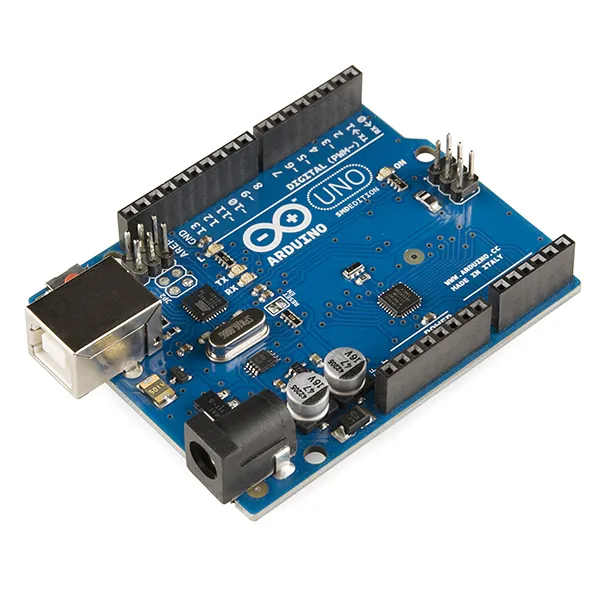
Build a circuit at a same-day maker oficina

Build a circuit at a same-day maker oficina Drop into a SESI Lab oficina that teaches circuits, motion, and materials by making them. Registration opens on the day the activity runs and places are limited. How it works From museum opening, register on the official ticket platform, at the physical box office, or at a self-service kiosk. Some activities distribute passwords about 30 minutes before the start at reception. See programação for what is on each day, and the acervo for the build tutorial to take home. When & where - Setor Cultural Sul, Bloco A, Asa Sul, Brasília-DF, CEP 70070-150 (Maker and Biomaker rooms inside the museum) - Recurring: during museum hours; check the daily calendar - Always confirm the day's oficinas before travelling Why it matters A same-day workshop removes the registration barrier, and the published tutorial means the skill leaves the building with you. Source & repost Shared here so you can get inspired or find action already happening near you. Solarpunker does not own or organise it. Source: SESI Lab: Programação · Visite. Photo: Wikimedia Commons, Arduino Uno - R3 (CC BY-SA 3.0).

What's next

Got an idea like this?

Share it with your neighborhood, or explore what's happening nearby.