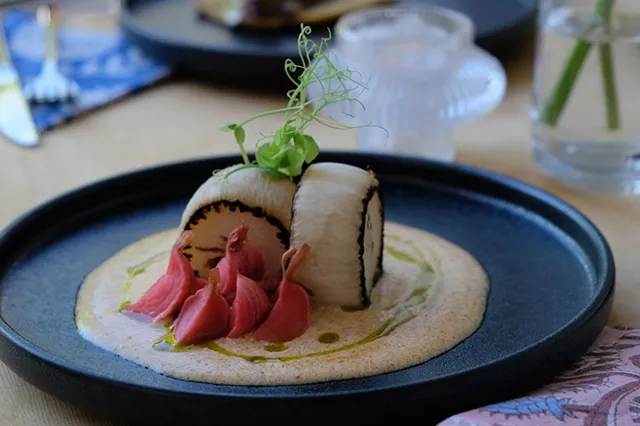
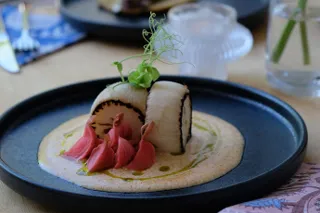
Programm in der NäheCommunityFrankfurtBei Foodtura City Experiences in Frankfurt mitmachenBei Foodtura City Experiences in Frankfurt mitmachen Foodtura ist ein zehntägiges Festival (18. bis 27. September 2026), bei dem Restaurants, Höfe, Initiativen und Küchen ihre Türen öffnen. Klimagourmet und Initiative Gastronomie Frankfurt organisieren rund 50 City Experiences: Verkostungen, Workshops, Radtouren, Playground-Märkte und Nachbartische. Viele Termine sind kostenlos. Massif Central an der Bethmannstraße ist der Festival-Treffpunkt. Was du tun kannst - Stöbere im laufenden Programm und buche, was in deine Woche passt - Starte kostenlos beim Opening (18. September) oder auf dem Playground-Markt (19. September) - Nimm Nachbarinnen mit zu einem Supper Club, einem Hoftag oder einer Unverpackt-Aktion, die auf der Karte steht - Folge Über Foodtura, um zu sehen, wer hinter dem Festival steht (kein Solarpunker-Event) So funktioniert es Gastgeberinnen veröffentlichen Daten, Preise und Buchungslinks auf jeder Eventseite. Tickets, falls es welche gibt, gehen an die Veranstalterinnen. Solarpunker nimmt keine Buchungen entgegen. Das Programm kann bis in den September hinein wachsen, also prüfe die Festival-Seite, bevor du losfährst. Warum das zählt Nachhaltig essen fällt leichter, wenn es lecker, lokal und gemeinsam ist. Foodtura macht daraus eine Woche voller Türen, durch die du wirklich gehen kannst.festivalfoodfrankfurt +2
Programm in der NäheFood & GardenSan SalvadorFörderung der Ernährungssouveränität durch gemeinschaftliches Kompostieren in San SalvadorGärten, Bio-Anbau und gegenseitige Hilfe Der regionale Bericht für 2025 betont, wie Gemeinschaftskompost, Mülltrennung an der Quelle, die Einbeziehung von Recyclingunternehmen und Gemeinschaftsgärten (huertos) die Ernährungssouveränität in benachteiligten Stadtvierteln in ganz Lateinamerika stärken, wobei San Salvador zu den Gemeinden gehört, die GAIA auf ihrem Weg zur Abfallfreiheit begleitet. Was Sie tun können - Gründen Sie einen Komposthaufen im Barrio oder schließen Sie sich einem solchen an, der ein gemeinschaftliches Beet versorgt. - Arbeiten Sie mit Jugendgruppen zusammen, um Workshops zum Recycling von Bioabfällen an Schulen durchzuführen. Warum das wichtig ist Wenn die Lebensmittelpreise steigen, sorgt die Verwertung von Bioabfällen im lokalen Kreislauf für fruchtbaren Boden, neue Kompetenzen und gemeinsame Mahlzeiten – statt einer Abhängigkeit von weit entfernten Lieferketten.gardencompostfood
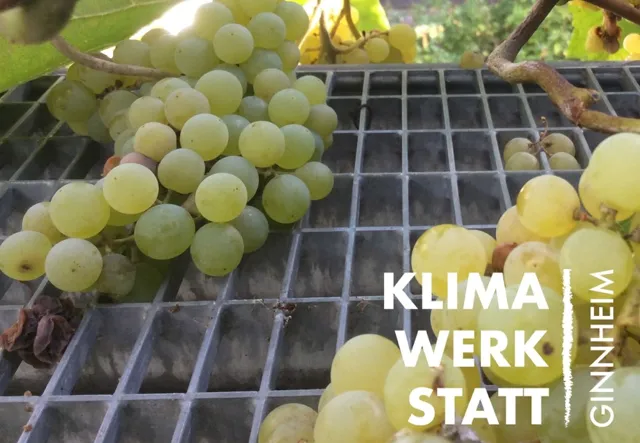
Programm in der NäheFood & GardenFrankfurtHöfe begrünen mit Klimawerkstatt Ginnheim in FrankfurtHöfe begrünen mit Klimawerkstatt Ginnheim in Frankfurt In Ginnheim machen Klimawerkstatt und das Ginnheimer Kirchplatzgärtchen aus Höfen, Dächern und dem Kirchplatz Essen und Schatten. Während Foodtura gibt es eine Hofwanderung und ein Bring-and-Share-Picknick zwischen der barocken Kirche und dem Gasthaus Adler. Was du tun kannst - Lauf am 19. September kostenlos bei der Tour Hinterhofhimbeeren & Fassadenwein mit - Bring ein selbst gemachtes Gericht zum Stadtteil Picknick am selben Nachmittag mit - Schreib an kirchplatzgaertchen@posteo.de, wenn du nach dem Festival Beete mitpflegen willst - Folge Klimawerkstatt auf Instagram für spätere Termine So funktioniert es Der Garten ist ein Nachbarschaftsprojekt, kein ticketpflichtiger Hof. Komm vorbei, teile Essen und frag, wie du bei Gieß- und Pflanzrunden mitmachen kannst. Warum das zählt Essbare Höfe kühlen Straßen, füttern Bestäuber und geben einem Dorfplatz einen Grund zum Verweilen.gardenpicnicginnheim +2
Programm in der NäheCommunityFrankfurtEinen Heldenbohne-Schulvormittag buchen in FrankfurtEinen Heldenbohne-Schulvormittag buchen in Frankfurt Umweltlernen in Frankfurt führt Lernwerkstatt Heldenbohne für die Klassen 7 bis 10 durch: Bohnen, Erbsen und Linsen als Klimaessen, Biodiversität und Alltagswahl. Die Termine sitzen in der Foodtura-Woche bei stadtRAUMfrankfurt. Kita- und Grundschulgruppen können stattdessen Apfelpicknick oder essbare Ginnheim-Spaziergänge mit Klimawerkstatt buchen. Was du tun kannst - Lehrkräfte: schreib an kirsten.allendorf@stadt-frankfurt.de, um einen kostenlosen Heldenbohne-Vormittag zu buchen (Frist 1. September 2026; restliche Termine 17. bis 23. September) - Lies das Heldenbohne-Angebot - Für jüngere Kinder frag Klimawerkstatt nach Apfelpicknick oder Essbares Ginnheim (nach Vereinbarung) - Erwachsene können hessische Hülsenfrüchte trotzdem bei Heldenbohne x Freitagsküche verkosten So funktioniert es Schulformate sind kostenlos und werden als Klasse gebucht, nicht als Drop-in. Restplätze mit Umweltlernen klären. Warum das zählt Ein Vormittag in einer echten Küche schlägt jedes Arbeitsblatt zu Klimadiäten.educationschoolpulses +2
Programm in der NäheFood & GardenLyonTrennung von Bioabfällen an der Quelle: Das AGEC-Gesetz in der PraxisFrankreichs Kreislaufwirtschaftsgesetz bringt die Kompostierung vor jede Haustür Das französische AGEC-Gesetz (loi anti-gaspillage pour une économie circulaire) schreibt ab dem 1. Januar 2024 für alle Haushalte die Trennung von Bioabfällen an der Quelle vor. Kommunen im ganzen Land bauen nun eine Sammelinfrastruktur auf, verteilen Geräte für die Kompostierung zu Hause und führen Aufklärungsprogramme für die Einwohner durch, um aus einer gesetzlichen Verpflichtung eine alltägliche Gewohnheit in der Gemeinschaft zu machen. Was die Kommunen tun - Verteilung von separaten Bioabfallbehältern und/oder Kompostbehältern für den Hausgebrauch - Durchführung von Workshops in den Stadtvierteln darüber, was kompostiert werden kann und wie - Einrichtung von Haus-zu-Haus-Sammelrouten für organische Küchenabfälle - Zusammenarbeit mit lokalen Bauernhöfen und Grünanlagen, um den Kreislauf von Lebensmittelabfällen zum Kompost zu schließen So können Sie sich engagieren - Informieren Sie sich auf der Website Ihrer Gemeinde über den Abholkalender für Bioabfälle und den Zeitplan für die Verteilung der Tonnen - Nehmen Sie an einem lokalen Kompostier-Workshop teil: Viele Gemeinden organisieren solche Veranstaltungen im Frühjahr und Herbst - Fragen Sie den Hausverwalter Ihres Wohnhauses nach einem gemeinschaftlichen Komposter, wenn Sie in einer Wohnung leben - Folgen Sie Zero Waste France für landesweite Kampagnen und praktische Leitfäden Warum das wichtig ist Im Jahr 2023 wurden nur 26 % der Lebensmittelabfälle in der EU erfasst (ein Anstieg gegenüber 18 % im Jahr 2020). Das französische AGEC-Gesetz schafft die rechtlichen Rahmenbedingungen für einen grundlegenden Wandel – funktioniert aber nur, wenn Anwohner und Kommunen es gemeinsam umsetzen. Jedes Stadtviertel, das die Mülltrennung an der Quelle einführt, reduziert Deponieabfälle und Methanemissionen und erzeugt gleichzeitig lokalen Kompost für die Stadtbegrünung.bio-wastecompostingsorting +2
Programm in der NäheFood & GardenTodmordenMit „Incredible Edible“ kannst du überall Lebensmittel anbauenVerwandeln Sie ungenutzte Ecken in Nachbarschaftsernten Incredible Edible begann in Todmorden, als Anwohner Kräuter, Obst und Gemüse in öffentlichen Beeten pflanzten, aus denen sich jeder bedienen durfte. Das Modell verbreitete sich: kleine Teams, auffällige Schilder und Lebensmittel, die wieder der Straße gehören. Was Sie tun können - Lesen Sie die Seite Unsere Geschichte und überlegen Sie, was Sie an einem Straßenrand, einem Kanalufer oder am Rand eines Schulgeländes anpflanzen könnten - Gründen Sie eine lokale Gruppe und tragen Sie Ihre Beete im Incredible Edible-Netzwerk ein - Organisiere einen Rundgang, bei dem du zeigst, wo bereits Lebensmittel wachsen und wo das nächste Beet angelegt werden könnte So funktioniert es Du brauchst Erde, die Erlaubnis des Grundstückseigentümers und eine Handvoll Nachbarn, die einmal pro Woche Unkraut jäten. Die Gruppen tauschen Stecklinge aus, veranstalten kurze Pflanzvormittage und stellen die Ernte Passanten kostenlos zur Verfügung. Warum es wichtig ist Öffentlicher Anbau widerlegt die Vorstellung, dass Gärtnern etwas Privates oder nur Experten vorbehalten ist. Er lädt Kinder, Pendler und ältere Menschen ein, gemeinsam auf demselben Grundstück mitzuwirken.gardenfoodcommunity +2
Programm in der NäheCommunityOsloJoin Oslo Kooperativ food co-op, OsloJoin Oslo Kooperativ food co-op, Oslo Oslo Kooperativ ist eine mitgliedereigene Gemusetaschen-Coop. Tritt ein, nimm Volunteer-Schichten und hole an Stadt-Pickup-Punkten ab. Was du tun kannst - Lies die FAQ - Frage nach Mitgliedschaft und Schichtanforderungen - Wahle einen Pickup-Punkt, der zu deiner Woche passt So funktioniert es Mitgliedereigene Taschen mit Volunteer-Schichten. Solarpunker verkauft keine Anteile. Warum das zählt Osloer Nachbarn besitzen ihre Gemuselogistik gemeinsam.oslocoopfood +1
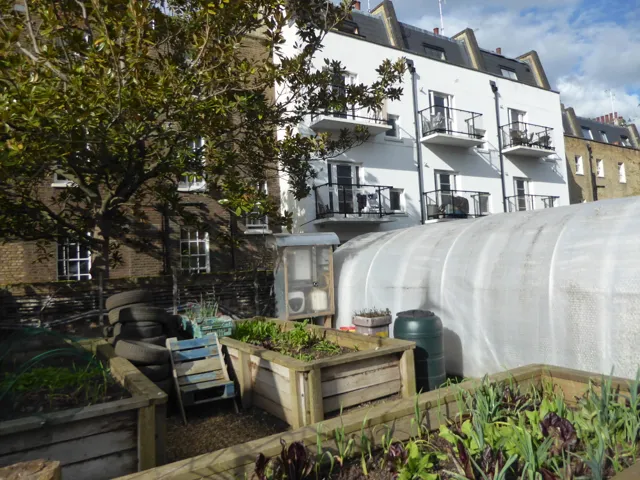
Programm in der NäheFood & GardenTallinnIn den Gemeinschaftsgärten von Tallinn Lebensmittel anbauenGemeinsame Beete, gemeinsame Freude Tallinns grüne Transformation bis 2035 verbindet eine Kreislaufwirtschaft mit Gemeinschaftsgärten, in denen lokale Lebensmittel mit minimalem CO₂-Fußabdruck angebaut werden und gleichzeitig die nachbarschaftlichen Bindungen gestärkt werden. Die Stadt unterstützt ein Netzwerk aus Gemeinschafts-, Lern- und Pachtgärten in allen Stadtbezirken; NGOs und Nachbarschaftsvereine können beim Amt für Umwelt und öffentliche Arbeiten Fördermittel für die Einrichtung beantragen. Was Sie tun können - Finden Sie über die Gemeinschaftsgarten-Karte der Stadt einen Garten in Ihrer Nähe (mindestens einen pro Bezirk). - Schließen Sie sich dem Pelgu-Gemeinschaftsgarten oder einer anderen Parzelle an: Helfen Sie mit, die gemeinsamen Beete im Gewächshaus und die Obststräucher zu pflegen. - Beantragen Sie einen Zuschuss, wenn Ihre Nachbarschaftsgruppe einen neuen „kogukonnaaed“ gründen möchte. Warum das wichtig ist Stadtgärtnerei verwandelt brachliegende Ecken in Orte der Ernährung, des Lernens und der Zugehörigkeit – ein konkreter Beitrag zu Tallinns grüner Transformation.gardencommunityfood
StartideeFood & GardenBerlinGemeinschaftliche SaatgutbibliothekSamen teilen, gemeinsam Fülle schaffen Richten Sie eine kostenlose Samenbörse in Ihrer örtlichen Bibliothek oder Ihrem Gemeindezentrum ein. Jeder kann Samen mitnehmen, jeder kann Samen spenden. Kein Geld, keine Hierarchie. Was Sie tun können - Suchen Sie sich ein Regal, eine Kiste oder eine Schublade in einem vertrauenswürdigen öffentlichen Raum und beschriften Sie diese deutlich - Lade die Nachbarn ein, jede Saison beschriftete Umschläge mit aufbewahrten Samen mitzubringen - Organisiere einen monatlichen „Pflanztag“, an dem die Menschen nicht nur Sorten, sondern auch Geschichten austauschen Warum das wichtig ist Lokale Saatgutnetzwerke halten die Nahrungsvielfalt am Leben und verwandeln Fremde auf der Straße in Gärtner, die sich gegenseitig um ihre Beete kümmern.foodfreecommunity
Programm in der NäheFood & GardenTodmordenÖffnen Sie Ihren Garten für einen gemeinschaftlichen ErntepfadLaden Sie Ihre Nachbarn ein, Ihre Ernte zu probieren Zu den Aktionsideen von „Incredible Edible“ gehören Erntepfade: Öffnen Sie an einem Nachmittag Ihre Gärten, Schulbeete und Grundstücke am Kanal, damit die Menschen spazieren gehen, probieren und Rezepte austauschen können. Was Sie tun können - Stöbern Sie im Aktionsportal nach Vorlagen für Erntepfade und Tipps zur Beschilderung - Gewinnen Sie fünf Gärten im Umkreis von wenigen Gehminuten dafür und veröffentlichen Sie eine einfache Karte - Schließen Sie die Veranstaltung mit einem gemeinsamen Tisch ab: überschüssiges Gemüse, Chutney-Proben und Samentütchen So funktioniert es Jeder Gastgeber kennzeichnet Beete, aus denen geerntet werden darf, und beschriftet alles, wofür man vorher um Erlaubnis fragen muss. Ein Koordinator kümmert sich um den Zeitplan, die Barrierefreiheit und einen Plan für den Fall von Regen. Warum es wichtig ist Erntepfade machen versteckte Gärtner sichtbar. Sie verwandeln privaten Stolz in eine öffentliche Einladung, ohne dass dafür ein Festivalbudget erforderlich ist.harvesttrailopen-garden +2
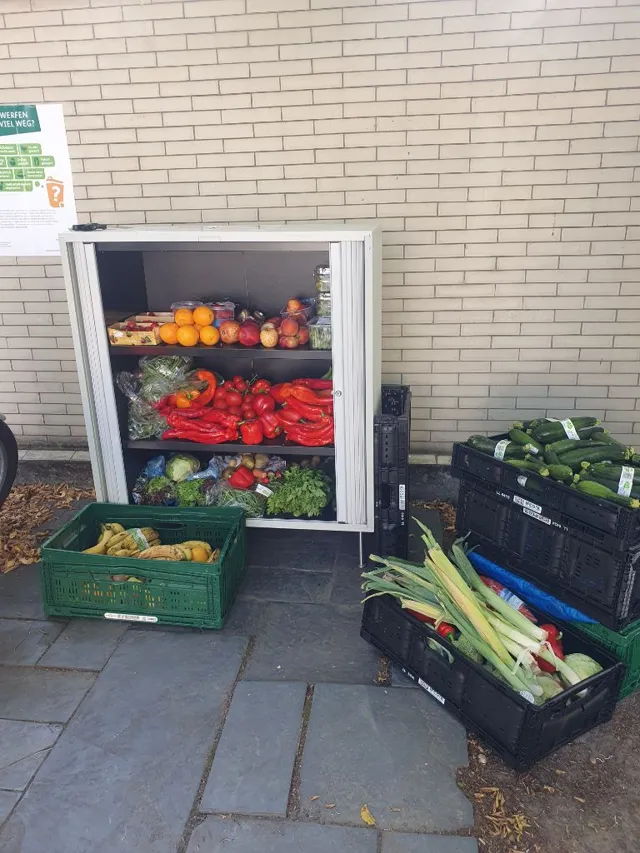
Programm in der NäheFood & GardenMainzShare leftover food at the church Fairteiler in MainzShare leftover food at the church Fairteiler in Mainz Seit 2023 hält die Ev. Auferstehungsgemeinde Mainz einen Fairteiler-Schrank am Seiteneingang der Kirche (Kita-Tür). Jede Person darf Essen abgeben oder mitnehmen. Die Gemeinde betreibt ihn unabhängig von foodsharing und begrüßt trotzdem Foodsavers, die ihn nutzen. Was du tun kannst - Lies die Fairteiler-Seite für das, was in den Schrank darf - Fülle oder leere den Schrank tagsüber. Er wird gegen 17:00 gereinigt, damit nichts über Nacht bleibt - Frag im Pfarrbüro, wenn du bei den Putzschichten helfen willst So funktioniert es Obst, Gemüse, Brot und Dosen sind willkommen. Keine Kühlware. Jede Person darf Essen mitnehmen, unabhängig vom Einkommen. Kita- und Gemeinde-Freiwillige wechseln sich bei der Reinigung ab. Warum das zählt Eine Mainzer Kirchentür wird zum täglichen Teller statt zur Tonne.mainzfairteilerchurch +1
Programm in der NäheFood & GardenFreiburgGrow food in the Wiehre forest garden in FreiburgGrow food in the Wiehre forest garden in Freiburg Der Waldgarten Wiehre ist ein öffentlicher essbarer Waldgarten der Urban-Gardening-Gruppe von Transition Town Freiburg, gelistet auf urbane-gaerten.de. Obst- und Nussbäume, Beerenhecken, Kräuter und einjähriges Gemüse teilen alle Pflanzschichten. Gäste dürfen schnuppern, fühlen und naschen. Was du tun kannst - Lies die Gartenkarte und das StadtWandler Profil - Tritt als Gärtnerin ein, wenn du die Schichten pflegen willst - Geh die Deichelweiher-Wege und koste, was als öffentliches Essen markiert ist So funktioniert es Etwa 1.800 m², gegründet 2012. Die Gruppe folgt Permakultur: natürliche Kreisläufe beobachten, dann nachahmen. Die Pflanzung ändert sich weiter, während Bäume wachsen. Kontaktiere das Projekt über die StadtWandler-Seite. Warum das zählt Freiburg Wiehre kann aus einem öffentlichen Waldgarten naschen, statt städtisches Grün nur als Dekoration zu behandeln.freiburggardenforest +1