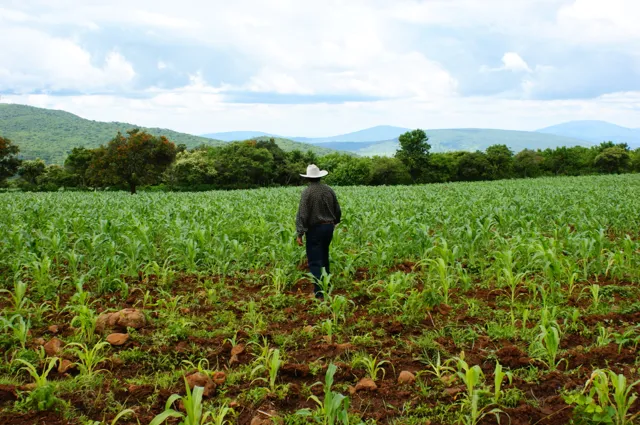
Programme nearbyFood & GardenMexico CityGrow milpa: maize, beans, and squash togetherGrow milpa: maize, beans, and squash together The milpa is Mexico's three-sister plot: maize, beans, and squash (and often chilies) grown together so each plant supports the others. Indigenous farmers bred thousands of maize landraces adapted to altitude, rainfall, and soil. Those criollo lines are a genetic reservoir for drought, poor ground, and mountain slopes that industrial monocultures struggle with. Mexico domesticated maize from teosinte nearly 9,000 years ago. Today milpa still feeds families while keeping diversity on the field. Cross-pollination from imported grain is a practical reason communities defend native seed: once a landrace blends with engineered traits, farmers lose the right to save seed freely. What you can do - Plant a small milpa or three-sisters bed in a garden, school plot, or community field, even outside Mexico - Save seed from your strongest ears and beans each season; trade surplus with neighbours - Join or start a seed library (see the K'an-Lol pattern in Yaxunah) - Read how milpa and native maize connect culture and trade (Non-GMO Project, Chicago Council on Global Affairs) How it works Maize provides a stalk for beans to climb; squash shades the soil; beans fix nitrogen. Farmers rotate and interplant instead of betting on one patented variety. In Yucatán, nixtamalization (soaking maize in alkaline lime water) turns harvest into tortillas and daily staples. You need only a few square metres to practise the pattern and learn which varieties suit your microclimate. Why it matters Diverse milpa plots buffer harvests when weather shifts. They keep joy on the table: flavour, colour, and recipes tied to place. Builder farmers protect the world's maize heritage by growing it, not only by debating it.milpamaizebeans +2