Programa por pertoRepair & ReuseBarranquillaSepare o lixo em casa com as empresas de reciclagem de BarranquillaRios limpos: trabalho digno A cooperativa de recicladores ASOREBAQ, em Barranquilla, trabalha em parceria com líderes locais em um programa de 41 componentes: o Barranquilla Composta y Cultiva, que ajuda as famílias a separar resíduos orgânicos e a entregar materiais recicláveis limpos e secos. O modelo reflete a gestão de resíduos orgânicos liderada por recicladores na Colômbia e na Argentina, destacada no relatório regional “Desperdício Zero 2025”. O que você pode fazer - Participe das oficinas de triagem no bairro organizadas pela ASOREBAQ e pelas escolas parceiras. - Separe os resíduos orgânicos e os recicláveis enxaguados em casa antes de entregá-los nas rotas de coleta da cooperativa. Por que isso é importante Quando os recicladores participam do planejamento da coleta, as taxas de desvio de resíduos aumentam e os meios de subsistência são formalizados, constituindo uma alternativa construtiva ao aterro de resíduos mistos.recyclingcompostsegregation
Programa por pertoCommunityZagrebColeta porta a porta da PRE-KOM: líder nacional no norte da Croácia14 municípios, 71% de coleta seletiva A PRE-KOM, em Prelog, realiza a coleta porta a porta de resíduos em 14 municípios do norte da Croácia: Prelog, Goričan, Donji Kraljevec, Sveta Marija, Donji Vidovec, Donja Dubrava, Kotoriba, Belica, Dekanovec, Domašinec, Podturen, Martijanec, Jalžabet e Pribislavec. A rede é consistentemente classificada como a de melhor desempenho da Croácia em coleta seletiva de resíduos, com média superior a 71% e produção inferior a 73 kg de resíduos residuais por morador: bem abaixo da média nacional de 247 kg. O que os moradores fazem - Separar os resíduos domésticos nas frações coletadas na fonte - Seguem o cronograma de coleta porta a porta fornecido pela PRE-KOM para cada rua Por que isso é importante Em um país onde a política nacional ainda favorece a valorização energética de resíduos, esses 14 municípios comprovam que a separação na fonte no âmbito doméstico funciona em grande escala: e que pequenos municípios podem liderar um grande país.paytdoor-to-doorrecycling +1
Programa por pertoCommunityZagrebSistema de cobrança por volume em Zagreb: cobrança mais justa, menos lixo nos aterrosCidadãos controlam sua própria conta de lixo Zagreb adotou um sistema de pagamento por volume descartado (PAYT) seguindo as recomendações da Zelena Akcija no âmbito do projeto ERIC (Elevating Reuse In Cities), financiado pela União Europeia. Até o final de 2024, a cidade havia reduzido o envio de resíduos para aterros em 20% e aumentado a coleta seletiva em 50% em comparação com 2022; a implantação total está prevista para o final de 2026. O que mudou - As lixeiras abertas nas ruas do centro da cidade foram substituídas por contêineres subterrâneos para resíduos separados e mistos - Em outras áreas, as lixeiras foram transferidas para dentro de prédios e pátios; foram instalados contêineres com grade e semi-subterrâneos - As famílias são cobradas com base no volume de resíduos mistos que geram, e não por uma taxa fixa Como participar - Separe o lixo doméstico nos fluxos corretos: você reduz diretamente sua conta - Acompanhe o departamento de meio ambiente da cidade de Zagreb para obter atualizações sobre a implantação do PAYT em seu bairro - Apoie a campanha para ampliar a coleta porta a porta a mais bairros Por que isso é importante O sistema PAYT alinha o sistema de incentivos: quanto menos resíduos mistos você produzir, menos você paga. Combinado com melhorias na infraestrutura, Zagreb está revertendo uma das maiores pegadas de resíduos urbanos da Europa Central.paytwaste-reductionurban +1
Programa por pertoCommunityRomeCalatafimi Segesta: 87,7% de separação na fonte na zona rural da SicíliaUma pequena cidade siciliana no topo do ranking europeu de resíduos Calatafimi Segesta, um município com cerca de 6.000 habitantes na província de Trapani, na Sicília, alcançou mais de 87,7% de separação na fonte de resíduos sólidos urbanos: uma das taxas mais altas da Itália e entre as melhores da Europa. Em um país onde o desempenho agregado da Sicília em reciclagem fica abaixo da média nacional, Calatafimi Segesta é a prova de que ambição e participação da comunidade são mais importantes do que localização ou riqueza. O que impulsiona o resultado - Coleta porta a porta rigorosa para todas as frações: resíduos orgânicos, papel, plásticos, vidro e resíduos não recicláveis - Uma cultura de participação construída por meio de comunicação consistente com os moradores - Colaboração estreita com a operadora local de resíduos e a Zero Waste Itália - Monitoramento regular e divulgação pública dos resultados O que você pode fazer - Se o seu município estiver com uma taxa de coleta seletiva inferior a 50%, pergunte à sua operadora de resíduos e à prefeitura o que seria necessário para adotar a coleta porta a porta - Compartilhe os resultados de Calatafimi Segesta como evidência ao defender uma melhor coleta na sua região - Siga a Zero Waste Itália para acessar estudos de caso e obter apoio em suas iniciativas Por que isso é importante Com 87,7%, Calatafimi Segesta desvia quase nove toneladas em cada dez do descarte. Multiplicado pelos 340 municípios da rede italiana “Zero Waste”, esse modelo tem o potencial de retirar milhões de toneladas de resíduos de aterros sanitários e incineradores.recyclingsource-separationrural +1
Programa por pertoCommunityZagrebIlha de Krk: o primeiro conjunto de ilhas da Europa certificado pelo programa “Zero Waste”Sete municípios: um modelo comum A Ilha de Krk tornou-se a primeira ilha da Europa a receber a certificação “Zero Waste” quando todos os seus sete municípios — Krk, Baška, Dobrinj, Malinska-Dubašnica, Omišalj, Punat e Vrbnik — obtiveram, em conjunto, a certificação “Zero Waste” por meio da empresa de gestão de resíduos PONIKVE. O resultado: 60% de coleta seletiva em média e apenas 73 kg de resíduos residuais por morador por ano, em comparação com a média nacional croata de 247 kg. O que torna Krk um modelo replicável - Separação seletiva porta a porta integrada ao sistema de resíduos já existente na ilha - Certificação conjunta entre vários municípios de pequeno porte que compartilham um único operador - Agricultores e hotéis participam dos mesmos circuitos de coleta que as residências - Foco contínuo na prevenção e reutilização de resíduos: não apenas uma melhor triagem Como participar - Se o seu município tiver parceria com a PONIKVE, pergunte sobre o voluntariado na coleta ou na compostagem - Visite ou siga a Zelena Akcija para apoiar a campanha nacional em prol da certificação “Zero Waste” Por que isso é importante Krk mostra que ilhas turísticas — onde os picos sazonais de resíduos são mais difíceis de gerenciar — ainda podem atingir as metas d Zero Waste. O modelo já está inspirando outras comunidades costeiras em toda a Croácia e além.islandcertifiedrecycling +2
Programa por pertoCommunitySkiathosTurismo costeiro sem desperdício: como os barcos de passeio podem proteger praias remotasSkiathos mostra que as operadoras turísticas podem dar o exemplo na questão dos resíduos O programa Rota Zero Waste, desenvolvido pela ECOREC e pela Prefeitura de Skiathos, capacita operadores de barcos de passeio para educar ativamente os turistas sobre o descarte adequado de resíduos: inclusive em praias remotas que são inacessíveis por estrada e, portanto, carecem de infraestrutura de coleta. O programa aumentou significativamente as taxas de reciclagem na ilha e promoveu uma cultura de responsabilidade ambiental entre os visitantes. O que o programa envolve - Os operadores de barcos de passeio recebem treinamento sobre separação de resíduos e comunicação com os hóspedes - Os turistas são orientados a bordo, antes de chegarem às praias remotas, sobre o que fazer com embalagens e materiais recicláveis - Os operadores levam os resíduos separados de volta ao porto para coleta: protegendo praias que não podem ser atendidas por veículos convencionais - A abordagem é adaptável a qualquer ilha com uma economia baseada em passeios de barco Por que isso é importante As ilhas do Mar Egeu, na Grécia, enfrentam um intenso volume sazonal de resíduos provenientes do turismo marítimo. A regulamentação por si só não consegue alcançar um barco no mar ou uma praia acessível apenas por trilhas. O modelo de Skiathos mostra que a educação e o comprometimento dos operadores podem fazer o que a infraestrutura não consegue, e ele é diretamente replicável em qualquer ilha com uma economia semelhante baseada em barcos turísticos. Como replicá-lo - Se você opera ou aluga barcos no Mar Egeu, entre em contato com a ECOREC para obter informações sobre o treinamento da Rot Zero Waste - Se você visitar ilhas gregas em passeios de barco diurnos, pergunte se a operadora segue as práticas da Rota Zero Waste e, caso não siga, solicite que o faça - Os responsáveis municipais pela gestão de resíduos em outras ilhas podem usar o programa de Skiathos como modelo para propostas de financiamento junto ao ERIC ou a órgãos nacionaiscoastaltourismrecycling +2
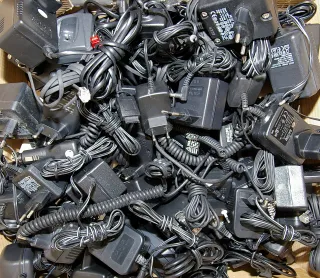
Programa por pertoRepair & ReuseBrasiliaDeixe os aparelhos eletrônicos em um ponto de entrega voluntária da DFEntregue aparelhos eletrônicos em um ponto de coleta voluntária do DF Brasília oferece duas opções públicas para o descarte de aparelhos eletrônicos, e ambas pedem que os moradores levem o aparelho até uma caixa, em vez de jogá-lo na lixeira comum. A Reciclotech (SECTI-DF em parceria com o Programando o Futuro) lista pontos de entrega voluntária (PEVs) para computadores, telefones, cabos, baterias e equipamentos similares. Um mapa separado de logística reversa da SLU-DF (Sema-DF em parceria com a Abree) abrange eletrônicos e eletrodomésticos, além de outros fluxos de recolhimento. O que você pode fazer - Consulte os PEVs da Reciclotech na tabela de PEVs da SECTI (essa página listava 149 pontos ativos na última atualização, em 13 de outubro de 2025; o resumo da Reciclotech ainda indica 102, portanto, use a tabela) - Consulte o mapa de logística reversa da SLU e filtre por tipo de resíduo; a Sema observa que a operadora local da Abree também mantém 9 pontos de coleta próprios - Leve pequenos aparelhos de TI, telefones, cabos e baterias a uma caixa da Reciclotech; use o mapa da SLU para eletrodomésticos volumosos e para fluxos que não sejam de eletrônicos - Não considere o mapa inteiro como sendo exclusivamente para eletrônicos: a mesma rede também recebe medicamentos, óleo de cozinha, pneus, vidro e placas de raio-X Como funciona Os PEVs da Reciclotech são caixas instaladas em prefeituras regionais, estações de metrô, parques, unidades do SESC/SESI e outros locais de grande movimento. O programa, então, separa o que pode ser reparado, doado ou reciclado. O acordo da Sema-DF com a Abree (assinado em 24 de setembro de 2021) abrange a coleta, o transporte e o destino ambientalmente adequado, executados localmente pela Zero Impacto. Confirme a lista atual na tabela ou no mapa oficial antes de se deslocar: os números variam de uma página para outra, e os horários não são publicados em um único cronograma. Por que isso é importante Uma caixa de coleta é a etapa de reciclagem mais acessível em uma capital que, de outra forma, enviaria metais, plásticos e baterias para o lixo comum. Os moradores mantêm ouro, cobre e máquinas em bom estado na cidade, em vez de jogá-los no solo.e-wastedropoffelectronics +2
Programa por pertoCommunityBerlinA Alemanha separa., turnê comunitária sobre em BerlinA Alemanha separa., turnê comunitária sobre em Berlin Deutschland trennt. é uma ação em âmbito nacional promovida pelos sistemas duplos e sua iniciativa Mülltrennung wirkt. Caminhões de exposição, o mascote TRENN-BÄR, rodas de quiz e instalações gigantes de embalagens em tamanho XXL levam dicas práticas de separação de lixo às praças de mercado e estacionamentos de lojas por toda a Alemanha: não em uma sala de aula, mas onde os vizinhos já se encontram. O que você pode fazer - Visite uma parada da turnê perto de você quando ela estiver em andamento (confira o mapa de eventos na página da campanha) - Teste seus conhecimentos sobre separação na roda de perguntas e receba dicas práticas sobre a lixeira amarela, papel, vidro e resíduos não recicláveis - Compartilhe o que aprendeu com seus colegas de casa ou na estação de lixo do seu prédio Como participar - Encontre datas e locais em Deutschland trennt. - A turnê conta com a parceria de municípios, empresas de gestão de resíduos e 13 grandes parceiros do varejo dos setores de supermercados, lojas de bricolagem, drogarias e produtos orgânicos: os eventos também acontecem em lojas parceiras em todo o país Por que isso é importante Aproximadamente 30% do que vai parar nas lixeiras amarelas e nos sacos não deveria estar lá: fraldas, sacos de aspirador e restos de comida impedem a reciclagem. A separação correta em casa mantém plásticos, metais e materiais compostos no ciclo de reciclagem. Mais para explorar - Experimente o tour em 360° pela unidade de triagem, com link no site Digitale Helfer, para ver o que acontece depois que o lixo chega à lixeirasortingrecyclingroadshow +2
Programa por pertoRepair & ReuseNairobiTijolos de resíduos plásticos da Gjenge MakersMateriais de construção a partir de resíduos plásticos triturados A Gjenge Makers (Nairóbi, Quênia) transforma resíduos plásticos em materiais de construção acessíveis, triturando e prensando o plástico descartado para produzir tijolos e pavers que, segundo a Impacc, são sete vezes mais resistentes e 50% mais leves que o concreto. O que você pode fazer - Adquira pavers ou tijolos para pavimentação comunitária, pátios de escolas ou caminhos de jardim - Organize campanhas de coleta de plástico no bairro para abastecer as empresas locais de reciclagem - Visite ou faça um tour pela oficina, quando possível, para conhecer as linhas de produção em pequena escala Como participar - Informe-se sobre produtos e parcerias de coleta por meio da página do portfólio da Gjenge Makers Por que isso é importante O lixo plástico se transforma em infraestrutura pública quando os espaços de criação combinam a coleta com engenharia de qualidade, com resistência testada, peso reduzido e custo acessível.plasticrecyclingbricks +2
Programa por pertoCommunityTilosTilos: a primeira ilha da Grécia certificada como “Zero Waste”Uma pequena ilha do Mar Egeu que mudou o debate nacional Tilos, uma pequena ilha com cerca de 800 residentes permanentes no sul do Mar Egeu, tornou-se o primeiro município da Grécia certificado pela iniciativa “Zero Waste” por meio do programa Just Go Zero, apoiado pela ECOREC e financiado pela Região do Sul do Mar Egeu. Até setembro de 2024, a iniciativa havia desviado aproximadamente 14.600 kg de materiais recicláveis dos aterros sanitários, melhorando significativamente as condições ambientais locais e construindo uma cultura de separação na fonte entre moradores, empresas e visitantes. O que torna Tilos um modelo - A separação na fonte se estendeu a restaurantes, hotéis e serviços de catering - A participação da comunidade foi promovida por meio de educação e estreita coordenação municipal - O financiamento da Região do Egeu do Sul garantiu o orçamento para infraestrutura, tornando o modelo replicável para pequenas ilhas vizinhas - Certificação obtida apesar da ausência de uma instalação local de processamento de resíduos orgânicos: demonstrando que o progresso é possível mesmo onde ainda existem lacunas de infraestrutura Por que isso é importante além de Tilos Tilos é a prova de que o movimento grego de lixo zero precisava. A certificação da ilha recebeu cobertura da mídia nacional e influenciou diretamente a decisão da Região do Egeu Meridional de financiar a continuidade do projeto: aumentando a probabilidade de que as ilhas vizinhas sigam o exemplo. Em um país que planeja construir até seis usinas de conversão de resíduos em energia até 2030, Tilos mostra um caminho alternativo que funciona. Como participar - Visite Tilos e participe da cultura de separação de lixo: a receita do turismo apoia o programa - Siga a ECOREC para acompanhar a expansão do Just Go Zero para outras ilhas gregas - Compartilhe os resultados de Tilos com vereadores locais de outras ilhas do Mar Egeu como forma de promover programas semelhantescertifiedislandrecycling +2
Programa por pertoCommunityBudapestEscala de entrega do Bloco DRSAlternar quem leva a caixa até a máquina de devolução de embalagens Em condomínios com blocos de apartamentos, o ponto de devolução mais próximo pode ser um supermercado com mais de 400 m² a uma parada de bonde de distância, o que é bom para compras semanais, mas muito trabalhoso para as embalagens vazias do dia a dia. Combine uma escalas simples: cada apartamento participante fica responsável pela caixa do saguão uma semana por mês, devolve com uma foto do recibo, e o grupo reconcilia os totais no chat da escadaria. O que você pode fazer - Conselhos de condomínio: afixem a escala ao lado das caixas de correio, quatro apartamentos, quatro semanas, e assim por diante - Lojas no térreo: pergunte à loja da esquina se aceita devoluções em mãos durante o horário de funcionamento (obrigatório para grandes mercearias; lojas pequenas podem optar por participar) - Clubes ecológicos escolares: verifique quantos recipientes DRS seu prédio gera e, em seguida, elabore a escala de rodízio de acordo com isso Como funciona O MOHU equipa máquinas para reconhecer embalagens registradas; cidades com mais de 1.000 moradores devem ter pontos de devolução. Um rodízio distribui a tarefa para que ninguém se aproveite da boa vontade dos outros. Por que isso importa A cultura da reutilização se consolida quando a logística é justa, não quando um vizinho fica sempre carregando as latas de todo mundo.depositrecyclingrota +2
Programa por pertoRepair & ReuseBrasiliaCriar um centro de economia circular no bairroCriar um polo de economia circular no bairro Em 2024, a Reciclotech instalou um Polo Distrital de Economia Circular (PDEC) em Ceilândia Norte. O polo tem como objetivo reunir coleta, triagem, reciclagem, capacitação e empregos locais em um único local, para que a cidade satélite não seja apenas uma fonte de sucata. O que você pode fazer - Leia a descrição do polo em Programando o Futuro: Reciclotech (3ª edição) - Pergunte ao executor como os moradores de Ceilândia e das RAs vizinhas podem se capacitar, trabalhar ou entregar materiais no polo - Encare o polo como um modelo replicável: uma oficina de macrorregião que reúne logística reversa e habilidades digitais sob o mesmo teto - Combine a visita com o centro de treinamento de Gama se seu interesse for o catálogo de cursos, e não o local em Ceilândia Como funciona O período de colaboração de 2023 financia a instalação de um polo de economia circular que integra coleta, triagem e reciclagem de eletrônicos do Distrito Federal, além de treinamento em TI para jovens e adultos e doação de equipamentos recondicionados. Ceilândia Norte é o local designado para 2024. O horário exato de funcionamento não consta na página da parceria: confirme com a Programando o Futuro antes de se deslocar. O marcador no mapa indica o centro de Ceilândia Norte, com localização aproximada. Por que isso é importante Um centro na Ceilândia afirma que a economia circular está presente onde as pessoas já vivem, não apenas em um terreno industrial do outro lado do DF. Separação, reparo e salários podem coexistir em um mesmo bairro.circular economyhubjobs +2