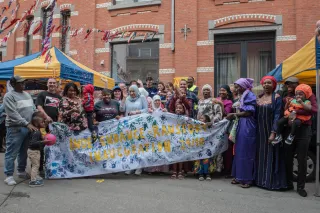
Programm in der NäheRepair & ReuseBuenos AiresUnterstützung von Recycling-Genossenschaften, die in Buenos Aires organische Abfälle verwertenMülltrennung an der Quelle: Genossenschaften übernehmen die Verantwortung Die mit der argentinischen FACCyR verbundenen Recyclingverbände verwalten organische Abfallströme, bei denen eine Mülltrennung an der Quelle praktiziert wird – ein Modell, das der Regionalbericht 2025 mit den Erfahrungen der kolumbianischen ANR in Verbindung bringt. Genossenschaften wie El Amanecer de los Cartoneros in Villa Fiorito zeigen, wie sortierte Bioabfälle und Wertstoffe in den Händen der Gemeinschaft bleiben können. Was Sie tun können - Sortieren Sie Bioabfälle und reinigen Sie Wertstoffe, bevor die Genossenschaft sie in Ihrem Wohnblock abholt. - Bringen Sie Ihren Nachbarschaftsverein mit einer registrierten Cartoneroa-Genossenschaft in Kontakt, um Abholrouten zu vereinbaren. Warum das wichtig ist Die von Recyclingunternehmen geleitete Bewirtschaftung organischer Abfälle verwandelt eine Klimabelastung in lokale Arbeitsplätze und Kompost, ohne dass Abfälle aus dem Blickfeld transportiert werden müssen.recyclersorganicscooperative
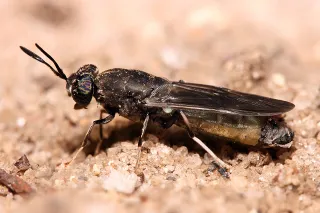
Programm in der NäheFood & GardenTori-BossitoVerwandeln Sie organische Abfälle mit Soldatenfliegen in MadenkompostMit Soldatenfliegen organische Abfälle in „Madenkompost“ verwandeln In Tori-Bossito im Süden Benins verwandelt die Genossenschaft Agro-Eco Services tierische Abfälle und agroindustrielle Reststoffe in Madenkompost. Die Larven der Schwarzen Soldatenfliege verkürzen einen Prozess, der sonst Monate dauern kann, auf etwa 12 Tage; anschließend mischt das Team das Ergebnis mit Biokohle aus landwirtschaftlichen Abfällen. Die Landwirte erhalten einen nährstoffreichen organischen Dünger, der das Bodenleben fördert, ohne chemische Verbrennungen zu verursachen. Was Sie tun können - Kaufen oder testen Sie Maggot-Compost, wenn Sie in Benin oder den Nachbarländern Landwirtschaft betreiben oder gärtnern (Agro-Eco Services) - Besuchen Sie die Produktionsstätte in Tori-Bossito, um Larven, Biokohle und die Abfüllung in Säcken in einem Arbeitsgang zu sehen - Übernehmen Sie das Modell: Sammeln Sie lokale organische Abfälle, gehen Sie eine Partnerschaft mit einer Jugendgenossenschaft ein und verkaufen Sie Kompost, anstatt die Rückstände zu verbrennen - Lesen Sie, wie sich das Modell von einem Master-Forschungsprojekt zu einem regionalen Anbieter entwickelt hat (Bericht: Africa Eye) So funktioniert es Larven zersetzen organisches Material schnell. Nach der Ernte werden die Rückstände mit Biokohle vermischt und als „Maggot-Compost“ an Gemüsegärtner, Entwicklungspartner und Forschungsprojekte verkauft. Die Genossenschaft gibt an, über 2.500 Kunden in ganz Benin und den Nachbarländern zu beliefern. Kontaktieren Sie sie über die Website, um Produkte zu kaufen oder eine Partnerschaft einzugehen; betrachten Sie diese Seite nicht als Buchungsformular. Warum das wichtig ist Mehr als ein Drittel der landwirtschaftlichen Nutzfläche in Benin ist von Bodendegradation betroffen. Durch den geschlossenen Kreislauf von Abfall zu Dünger bleiben Nährstoffe vor Ort, wird die Abhängigkeit von teuren chemischen Betriebsmitteln verringert und jungen Agrarwissenschaftlern ein Weg eröffnet, den Boden wiederherzustellen.compostinsectsbiochar +2
Programm in der NäheCommunityCotonouAusbau der Agrarfinanzierung und der genossenschaftlichen Spargruppen im ländlichen RaumAusbau der Agrarfinanzierung und der genossenschaftlichen Spargruppen im ländlichen Raum Das Benin-Länderpaket der GIZ im Rahmen des globalen Programms GV AgFin (Förderung der Agrarfinanzierung für landwirtschaftlich geprägte Unternehmen im ländlichen Raum) stärkt beide Seiten des Kreditmarktes. Auf der Nachfrageseite coacht es landwirtschaftliche Betriebe und KKMU im Finanzmanagement und hilft ihnen, über Erzeugerverbände Kontakte zu Banken und Mikrofinanzinstituten zu knüpfen. Auf der Angebotsseite unterstützt es Partner-Mikrofinanzinstitute bei der Entwicklung von Produkten für vorrangige Wertschöpfungsketten: Reis, Shea, Cashew, Soja, Geflügel und Gemüse. Solidarische Spar- und Kreditgruppen (GSEC) fördern das Sparen innerhalb von Genossenschaften und Agrarclustern. Was Sie tun können - Treten Sie einer Spargruppe nach GSEC-Vorbild in Ihrer Genossenschaft bei oder gründen Sie eine solche, damit die Mitglieder Buchführung üben, bevor sie Kredite beantragen - Erkundigen Sie sich bei Ihrem Erzeugerverband, wie Gruppenbürgschaften und maßgeschneiderte Produkte (Ausrüstung, Verarbeitung, Baumschulen) mit Partner-Mikrofinanzinstituten funktionieren - Studieren Sie die veröffentlichten Wissensprodukte zur Investitionsplanung in landwirtschaftlichen Betrieben und teilen Sie diese mit den Kreditberatern in Ihrer Region - Lesen Sie die Programmübersicht für die abgedeckten Regionen (69 von 77 Gemeinden) und die Kontaktmöglichkeiten über GIZ GV AgFin Benin (PDF) So funktioniert es Die technische Beratung richtet sich an Landwirte und KKMU sowie an neun Partner-Mikrofinanzinstitute und eine Bank. Zu den angepassten Produkten gehören Gruppenkredite für Genossenschaften, Kredite für Ausrüstung und Verarbeitung sowie Kredite für KKMU in den Bereichen Geflügelzucht, Saatgutproduktion und Cashew-Baumschulen. Die Partner-Mikrofinanzinstitute haben Kredite in Höhe von mehr als 45 Millionen Euro an Zehntausende Landwirte und Hunderte von landwirtschaftlichen KKMU in den Zielwertschöpfungsketten vergeben. Diese Kredite werden nicht durch eine GV AgFin-Kreditlinie oder einen Garantiefonds abgesichert. Warum das wichtig ist Innovation kommt zum Stillstand, wenn Landwirte von Banken als zu risikoreich eingestuft werden. Finanzierungen, die auf saisonale Cashflows abgestimmt sind, sowie Genossenschaftsbürgschaften ermöglichen es den Akteuren im ländlichen Raum, in Boden, Verarbeitung und menschenwürdige Arbeit zu investieren.financecooperativesavings +2
Programm in der NäheFood & GardenSkopjeGarden at Bostanie Cooperative in SkopjeGarden at Bostanie Cooperative in Skopje Bostanie Cooperative lehrt junge Menschen Gartnern im Novo Lisice Park. Parzellenhalter und temporare Volunteers teilen Kompost-Workshops. Was du tun kannst - Lies den Meta.mk-Bericht - Frage Zelena Arka nach Parzellen- oder Volunteer-Slots - Komm zu einem Kompost-Workshop, wenn gelistet So funktioniert es Parzellen- und temporare Volunteer-Pfade existieren. Bestatige Park-Treffpunkte mit der Cooperative. Warum das zählt Skopje wachst Ernahrungskompetenz in einem Park, den Nachbarn schon nutzen.skopjegardencooperative +1
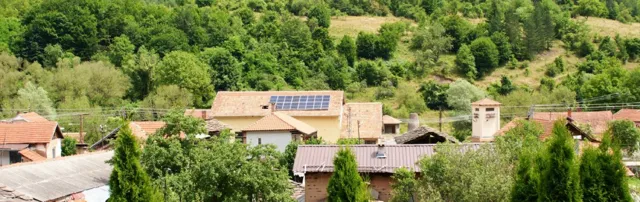
Programm in der NäheEnergyBelgradeFinanziert die Solaranlage des Dorfes, mit deren Erlös Türen und Rasenmäher gekauft werdenMit den Einnahmen aus den genossenschaftlichen Kilowattstunden wird finanziert, was das Dorf benötigt Solarna Stara hat gemeinsam mit der Energetska zadruga Elektropionir kleine genossenschaftliche Solaranlagen in Temska und Dojkinci auf der Stara Planina errichtet. Mit den Einnahmen des ersten Jahres wurden Dorf-Türen und ein Rasentrimmer angeschafft; die Mitglieder entscheiden über die nächsten Anschaffungen aus den gemeinsamen Einnahmen der nächsten 25 Jahre. Was Sie tun können - Informieren Sie sich auf Klima 101 über die Erfolgsgeschichte von Solarna Stara, bevor Sie eine Genossenschaftsanlage in Ihrem Dorf vorschlagen - Treten Sie Genossenschaften nach dem Vorbild von „Elektropionir“ bei oder nehmen Sie Kontakt mit ihnen auf und nutzen Sie das Portal für Energiegemeinschaften, um sich über die rechtlichen Rahmenbedingungen in Serbien zu informieren - Schlagen Sie Ihrer Gemeinde vor, ein öffentliches Dach für eine Bürger-Solaranlage zur Verfügung zu stellen, wobei über die Einnahmen transparent abgestimmt wird So funktioniert es Bürger und Organisationen finanzieren gemeinsam kleine Dachanlagen. Die Einnahmen aus dem Stromverkauf fließen in einen Dorf-Fonds; Versammlungen entscheiden über konkrete Verbesserungsmaßnahmen statt über abstrakte Dividenden. Warum das wichtig ist Sechs Kilowatt mögen auf einem Netzplan klein erscheinen, sind aber riesig, wenn sie die Tür finanzieren, die alle gebraucht haben.Solarna StaraElektropionircooperative +2
Programm in der NäheEnergyBudapestPilotprojekt zur SolardachanlageGemeinsame Nutzung einer Photovoltaikanlage auf dem Flachdach eines Plattenbaus Wohnsiedlungen verfügen oft über große Flachdächer in gemeinschaftlichem Besitz, die sich ideal für eine kleine Solargenossenschaft eignen, die Gemeinschaftsbereiche mit Strom versorgt oder Strom an die Bewohner zurückverkauft. Verbinden Sie eine Abstimmung über einen Dachpachtvertrag bei der közgyűlés mit Fördermitteln für Haushaltsspeicher: gemeinsame PV-Anlage oben, individuelle Batterien in den Wohnungen darunter. Was Sie tun können - Versammlungsleiter: Nehmen Sie neben der Dämmung einen Tagesordnungspunkt zur Dachsolaranlage auf, mit Besuch desselben Bauunternehmers und zwei Angeboten - Rechtskundige Nachbarn: Entwerfen Sie eine einfache Regelung zur Erlösaufteilung (Aufzug, Beleuchtung, Vorwärmung der Wärmepumpe) - Frühanwender: Beantragt einen Heimspeicher, sobald die gemeinschaftliche Anlage genehmigt ist; Förderprogramme begünstigen Haushalte, die bereits Solarenergie nutzen So funktioniert es Das ungarische társasház-Gesetz schreibt die Zustimmung der Eigentümer für bauliche Dacharbeiten vor. Beginnen Sie mit einer Machbarkeitsstudie (Verschattung, Netzanschluss, Vorschriften des Verteilernetzbetreibers) und nutzen Sie dann die Dienste von Dämmungsfachbetrieben aus der „Panelprogram“-Ära, die das Gebäude bereits kennen. Warum es wichtig ist Ein Dach kann Dutzende von Haushalten mit Strom versorgen; durch das genossenschaftliche Modell bleiben die Gewinne im Treppenhaus und landen nicht auf einer Werbetafel.solarpanel-blockcooperative +2
Programm in der NäheCommunityBudapestLeitfaden für „Green Block“Schritt-für-Schritt-Anleitung für eine erfolgreiche Abstimmung in der lakógyűlés Die Einberufung einer lakógyűlés (Bewohnerversammlung) klingt bürokratisch, bis man einen Leitfaden zur Hand hat: eine Checkliste zur Beschlussfähigkeit, eine Muster-Tagesordnung, eine dreiseitige Präsentation zum Thema Energieeinsparung und eine Vergleichstabelle für Bauunternehmen, die die Nachbarn in fünf Minuten überfliegen können. KÉK (Zentrum für zeitgenössische Architektur) und Energiaklub bieten beide Workshops an, in denen Wohnblocks von sanierten Wohnsiedlungen in ganz Mitteleuropa lernen können. Was Sie tun können - Erstmalige Organisatoren: Übernehmen Sie das Leitfaden, legen Sie einen Termin fest, stellen Sie die Beschlussfähigkeit sicher und beschränken Sie sich auf maximal zwei Themen (Dämmung + Fenster) - Schülerräte: Nehmt an den Stadtrundgängen von 14+ Budapest teil und bringt Karten zur Wärmearmut mit zurück in euren Wohnblock - Architekten als Verbündete: Ladet einen KÉK-Freiwilligen ein, vor der Abstimmung Fassadenentwürfe zu skizzieren So funktioniert es Das ungarische Wohnungseigentumsgesetz legt Fristen und Abstimmungsschwellen fest. Kombinieren Sie rechtliche Grundlagen mit anschaulichen Vorher-Nachher-Fotos aus Städten wie Székesfehérvár, wo die Erneuerung der Fassaden ganze Stadtteile verändert hat. Warum es wichtig ist Demokratie im Treppenhaus sorgt dafür, dass aus Betonhochhäusern Wohnungen werden, die die Menschen stolz streichen.organizinghousingcooperative +2
Programm in der NäheRewildingRio de JaneiroFinanzieren Sie Ihr Waldschutzprojekt über den Amazon FundFinanzieren Sie Ihr Waldschutzprojekt über den Amazonas-Fonds Fundo Amazônia, verwaltet von BNDES, stellt Klimafinanzmittel für Projekte bereit, die dazu beitragen, dass die Wälder des Amazonas erhalten bleiben und weiterleben: Brandschutz, nachhaltige Waldwirtschaft, indigene Gebiete und kommunale Bewirtschaftung. Verbände, Genossenschaften, Kommunen und Stiftungen können Ideen einreichen. In Belém und den Waldstädten ist die Dringlichkeit jeden Tag spürbar; Organisationen reichen ihre Vorschläge über die öffentliche Ausschreibung des Fonds in Rio de Janeiro ein. Was Sie tun können - Bringen Sie Ihr Team aus Genossenschaft, Verband oder Kommune zusammen und entwerfen Sie ein konkretes Projekt zum Waldschutz oder zur nachhaltigen Waldnutzung - Lesen Sie Como apresentar projetos und passen Sie Ihren Entwurf an die Richtlinien des Fonds an - Reichen Sie den Vorschlag direkt ein oder warten Sie auf eine chamada pública und senden Sie ihn dann über das Portal do Cliente von BNDES (Fundos, Editais e Chamadas Públicas → Fundo Amazônia) - Verzichten Sie auf kostenpflichtige Vermittler: „BNDES“ akkreditiert keine Berater, um Genehmigungen zu beschleunigen So funktioniert es Förderfähige Organisationen erstellen einen technischen Vorschlag, reichen ihn über das Portal ein und durchlaufen d BNDESn Prüfungsphasen. Privatpersonen können sich nicht allein bewerben; die Tür steht Gruppen offen, die bereits vor Ort zum Schutz der Wälder beitragen. Warum das wichtig ist Wenn lokale Akteure die Federführung bei geförderten Projekten übernehmen, bleibt die Verantwortung für den Amazonas bei den Menschen, die inmitten der Wälder leben.amazonforestcooperative +2
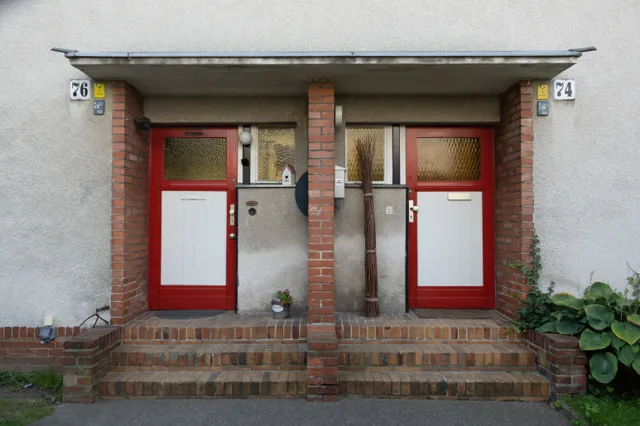
Programm in der NäheCommunityBerlinTreten Sie einer deutschen Wohnungsgenossenschaft in BerlinTreten Sie einer deutschen Wohnungsgenossenschaft in Berlin In einer Wohnungsbaugenossenschaft sind die Nachbarn Miteigentümer und keine Mieter eines Vermieters. Sie zahlen eine moderate Nutzungsgebühr, halten Geschäftsanteile und behalten ein lebenslanges Dauernutzungsrecht: sicher wie Eigentum, flexibel wie Miete. Ein Mitglied, eine Stimme. Mehr als 400 Genossenschaften gehören zur „Marketinginitiative“ der „Wohnungsbaugenossenschaften“ Deutschland. Dies ist das gängige Genossenschaftsmodell, kein „Do-it-yourself“-Hausprojekt. Was Sie tun können - Lesen Sie So funktioniert Genossenschaft, damit Sie wissen, wie Anteile, Stimmrechte und die „Vorstand“ funktionieren - Öffne eine regionale Mitgliederliste (Berlin, Köln, Hannover, Hessen, Schleswig-Holstein, Baden-Württemberg, Sachsen und andere) und wähle eine Genossenschaft in deiner Nähe aus - Beantrage die Mitgliedschaft auf der Website der jeweiligen Genossenschaft: Die Entscheidung trifft die „Vorstand“; du ziehst Anteile, oft mehr für eine Wohnung, und manche erheben eine Eintrittsgeld - Wenn du bereits in einer Genossenschaft wohnst, suche auf Gästewohnungen nach Gastwohnungen für Mitglieder oder nutze Mobile Mitgliedschaft bei einem Umzug, damit deine alten Anteile übertragen werden können So funktioniert es Sie werden Mitglied, indem Sie Anteile zeichnen; zusätzliche Anteile richten sich in der Regel nach der Wohnungsgröße. Die Anteile werden in der Regel bei Ihrem Auszug zurückgegeben (die Aufnahmegebühren hingegen nicht). Die Mitglieder wählen Vertreter, die den Vorstand beaufsichtigen. Die „GdW“ warnt davor, dass Nachahmer das Genossenschaftslabel missbrauchen: Halten Sie sich an bekannte Verbund Mitglieder und lesen Sie den Warnhinweis auf der Seite „So funktioniert es“. Wartelisten gibt es wirklich. In Berlin nehmen viele Genossenschaften nur dann neue Mitglieder auf, wenn sie auch eine Wohnung anbieten können. Die Berliner „Verbund“ meldet nach wie vor etwa 5.000 Neuvermietungen pro Jahr, etwa die Hälfte davon an neue Mitglieder – ein Beitritt ist also möglich, erfolgt aber selten sofort. Warum das wichtig ist Überschüsse fließen zurück in die Wohnungen und Nachbarschaften, nicht an weit entfernte Anteilseigner. Innenhöfe, Gästewohnungen und gemeinsame Stimmrechte sorgen dafür, dass die Betreuung vor Ort bleibt, während die Mieten fairer sind als auf spekulativen Märkten.housingcooperativemembership +2
Programm in der NäheEnergyBudapestEnergieversorgungsbaugruppe für SchalttafelnGemeinsam über Dämmung, Fenster und Heizungsmodernisierung abstimmen In Ungarns Plattenbauten, den ab den 1960er Jahren errichteten Fertighaus-Wohnblöcken, lassen sich die größten Energieeinsparungen durch gemeinsame Entscheidungen erzielen: Fassadendämmung, Fensteraustausch und modernisierte Fernwärme oder Wärmepumpen. Das seit Langem laufende Panelprogram hat gezeigt: Wenn eine társasházi közgyűlés (Eigentümerversammlung) ein Sanierungspaket verabschiedet, stehen staatliche Fördermittel und Angebote von Bauunternehmen für ganze Treppenhäuser zur Verfügung – nicht nur für einzelne Wohnungen. Was Sie tun können - Wohnungseigentümer: Berufen Sie eine Hausversammlung mit einer klaren Tagesordnung, dem Umfang der Dämmmaßnahmen, den Fensterspezifikationen und der Kostenaufteilung ein - Ein motivierter Nachbar: Sammeln Sie Unterschriften, laden Sie einen Energieberater ein und vergleichen Sie vor der Abstimmung drei Angebote von Bauunternehmen - Junge Bewohner: Bringt das One-Stop-Shop-Modell der EU-Peers in euren Wohnblock ein – ein Freiwilliger koordiniert den Papierkram für alle So funktioniert es Eine Fassadensanierung umfasst in der Regel eine Außenwärmedämmung, neue Fenster und die Modernisierung der Haustechnik. Eine Abstimmung mit qualifizierter Mehrheit ermöglicht gemeinsame Ausschreibungen; der „Energiaklub“ und kommunale Berater können dabei helfen, ungarische Fördermöglichkeiten in Verbindung mit den EU-Sanierungsrichtlinien zu nutzen. Warum es wichtig ist Eine einzige gedämmte Fassade senkt die Kosten für Hunderte von Haushalten und verschönert das Straßenbild – auf jedem Balkon strahlt der Stolz der Bewohner.renovationinsulationcooperative +2
Programm in der NäheFood & GardenHamburgGründe gemeinsam einen CSA-Bauernhof in HamburgGründe gemeinsam einen CSA-Bauernhof in Hamburg Der Solawi-Leitfaden für die Gründung begleitet Gruppen dabei, vor der ersten Aussaatzeit ein Grundstück zu finden, einen fairen Vertrag zu entwerfen und Gründungsmitglieder zu gewinnen. Was Sie tun können - Lesen Sie die Ressourcen zum Start und laden Sie die Checkliste für Ihre Region herunter - Organisieren Sie einen Infoabend in Hamburg, bei dem Landwirte, Juristen und zukünftige Mitglieder an einem Tisch zusammenkommen - Suchen Sie sich einen bestehenden landwirtschaftlichen Betrieb, der bereit ist, vom Großhandel auf Gemeinschaftsanteile umzustellen So funktioniert es Die Gründer einigen sich auf Preise, Arbeitserwartungen und das Vorgehen im Falle eines schlechten Erntejahres. Das Netzwerk bietet Telefonkonferenzen unter Gleichgesinnten an, damit neue Gruppen von Betrieben lernen können, die bereits nach solidarischen Prinzipien arbeiten. Warum es wichtig ist Die Gründung einer Solawi schafft eine dauerhafte lokale Lebensmittelinfrastruktur und ist kein einmaliges Kistenabonnement.csasolawicooperative +2
Programm in der NäheCommunityHamburgMietshäuser-Syndikat-Eigentum in HamburgMietshäuser-Syndikat-Eigentum in Hamburg Das Mietshäuser Syndikat unterstützt selbstorganisierte Wohnprojekte in Deutschland: Die Bewohner gründen eine Genossenschaft, das Syndikat beteiligt sich, und das Gebäude bleibt dauerhaft vor spekulativen Weiterverkäufen geschützt. Was Sie tun können - Lesen Sie nach, wie das Syndikat-Modell Wohnraum vom privaten Markt nimmt - Kontaktieren Sie das Netzwerk, wenn Ihre Gruppe ein selbstorganisiertes Wohnprojekt aufbaut - Besuchen Sie ein bestehendes Projekt, um zu sehen, wie die Bewohnerinnen Kosten, Reparaturen und Entscheidungsfindung gemeinsam regeln So funktioniert es Eine Gründungsgruppe findet ein Gebäude, gründet eine Wohnungsgenossenschaft mit beschränkter Haftung und lädt das Syndikat ein, eine stimmrechtslose Anteile zu erwerben. Diese Regelung sorgt dafür, dass die Immobilie im Gemeinschaftsbesitz bleibt, auch wenn einzelne Wohnungen den Besitzer wechseln. Warum das wichtig ist Gemeinschaftseigentum verwandelt Mietdruck in gemeinsame Verantwortung. Nachbarn, die die Kontrolle über ihr Wohnhaus haben, können gemeinsam in Energieeffizienz, Kinderbetreuung und Gemeinschaftsräume investieren.housingcooperativecollective +2