Programm in der NäheCommunitySkiathosZero-Waste-Tourismus an der Küste: Wie Tagesausflugsboote abgelegene Strände schützen könnenSkiathos zeigt, dass Tourismusunternehmen beim Thema Abfall eine Vorreiterrolle übernehmen können Das von ECOREC und der Gemeinde Skiathos entwickelte Programm „Zero Waste Rota“ schult Betreiber von Tagesausflugsbooten darin, Touristen aktiv über die ordnungsgemäße Abfallentsorgung aufzuklären – auch an abgelegenen Stränden, die nicht über Straßen erreichbar sind und daher über keine Abfallsammelinfrastruktur verfügen. Das Programm hat die Recyclingquoten auf der Insel messbar gesteigert und eine Kultur der Umweltverantwortung unter den Besuchern gefördert. Was das Programm beinhaltet - Betreiber von Tagesausflugsbooten erhalten Schulungen zur Mülltrennung und zur Kommunikation mit den Gästen - Touristen werden an Bord, noch bevor sie abgelegene Strände erreichen, darüber informiert, wie sie mit Verpackungen und Wertstoffen umgehen sollen - Die Betreiber bringen die getrennt gesammelten Abfälle zur Abholung zurück in den Hafen: So werden Strände geschützt, die von normalen Fahrzeugen nicht angefahren werden können - Der Ansatz lässt sich auf jede Insel mit einer Tagesboot-Wirtschaft skalieren Warum das wichtig ist Die griechischen Ägäisinseln sind mit einem enormen saisonalen Abfallaufkommen durch den maritimen Tourismus konfrontiert. Vorschriften allein können ein Boot auf See oder einen nur über Pfade erreichbaren Strand nicht erreichen. Das Modell von Skiathos zeigt, dass Aufklärung und das Engagement der Betreiber das leisten können, was die Infrastruktur nicht vermag, und es lässt sich direkt auf jede Insel mit einer ähnlichen Tourismusbootswirtschaft übertragen. So lässt es sich nachahmen - Wenn Sie in der Ägäis Boote betreiben oder chartern, wenden Sie sich an ECOREC bezüglich einer Schulung nach dem „Zero Waste“-Rota-Konzept - Wenn Sie griechische Inseln mit Tagesausflugsbooten besuchen, fragen Sie, ob der Betreiber die Rota-Praktiken (Zero Waste) befolgt – und fordern Sie dies ein, falls nicht - Die für Abfallwirtschaft zuständigen Beamten anderer Inseln können das Skiathos-Programm als Vorlage für ERIC- oder nationale Förderanträge nutzencoastaltourismrecycling +2
Programm in der NäheCommunityPodgoricaCleanupMontenegro: 725 Freiwillige, 13 Gemeinden, 5 Tonnen Müll eingesammeltVon 18 auf 40 Organisationen in nur einem Jahr CleanupMontenegro ist ein nationales Netzwerk für Aufräumaktionen, das von „Zero Waste“ Montenegro koordiniert wird und 40 Organisationen sowie informelle Gruppen in 13 Gemeinden umfasst. Im September 2024 mobilisierte das Netzwerk 725 Freiwillige bei 22 Aufräumaktionen: von der Küste bis in die Berge wurden fast 5 Tonnen Müll gesammelt. Das Netzwerk verdoppelte seine Größe von 2023 bis 2024, was das wachsende Interesse der Bevölkerung an organisierten Umweltaktionen widerspiegelt. Was CleanupMontenegro den Teilnehmern bietet - Organisierte Aufräumaktionen von Küstenstränden bis hin zu Bergwanderwegen: für jedes Gelände und jedes Interesse ist etwas dabei - Bereitstellung von Ausrüstung (Handschuhe, Säcke, Anleitung zum Sortieren), sodass keine Vorkenntnisse erforderlich sind - Eine wachsende Gemeinschaft von Umweltfreiwilligen in 13 Gemeinden - Nachbereitende Datenberichte, die die Wirkung der Säuberungsaktionen sichtbar machen und zur Weitergabe geeignet sind So können Sie mitmachen - Einwohner Montenegros: Folgen Sie Zero Waste Montenegro, um die Ankündigung der nächsten CleanupMontenegro-Woche zu erhalten (in der Regel im September) - Organisationen: Tretet dem CleanupMontenegro-Netzwerk bei, indem ihr euch an Zero Waste Montenegro wendet - Gemeinden: Organisiert eine Aufräumaktion in eurem Gebiet: Das Netzwerk bietet logistische Unterstützung Warum das wichtig ist Aufräumnetzwerke, die innerhalb eines Jahres von 18 auf 40 Organisationen anwachsen, schaffen eine nachhaltige zivilgesellschaftliche Infrastruktur. Das montenegrinische „CleanupMontenegro“ zeigt, dass sich eine Zero-Waste-Bewegung durch das Wachstum von Peer-to-Peer-Netzwerken und nicht durch institutionelle Vorgaben von oben ausweiten lässt.cleanupvolunteersnetwork +2
Programm in der NäheCommunityWarsawAbfallstandards an der Ostseeküste: Entwicklung eines übertragbaren Modells auf der Grundlage von UstkaDie Abfallwirtschaft einer ostseeseitigen Hafenstadt als nationales Vorbild Der polnische Verein „Zero Waste“ arbeitet mit der Gemeinde (Gmina) Ustka an der Ostseeküste zusammen und konzentriert sich dabei auf Abfallwirtschaftsstandards, die auf Küstengebiete zugeschnitten sind: Fischereiabfälle, Spitzenbelastungen während der Touristensaison und Plastikmüll im Meer. Ziel des Projekts ist die Entwicklung übertragbarer Standards für Küstengemeinden an der Ostsee, die andere Städte entlang der Küste übernehmen können, ohne bei Null anfangen zu müssen. Was das Projekt umfasst - Entwicklung von Abfallwirtschaftsstandards, die speziell auf Küstengebiete zugeschnitten sind - Zusammenarbeit mit Ustka beim Umgang mit Geisternetzen (siehe verlinkte Initiative unten) - Wissensaustausch mit der Woiwodschaft Pommern, die den Verein eingeladen hat, Modelle der Kreislaufwirtschaft für die Einwohner zu unterstützen - Dokumentation bewährter Verfahren, damit Darłowo, Kołobrzeg, Władysławowo und andere Ostseestädte über einen vorgefertigten Rahmen verfügen So können Sie sich engagieren - Ustka und Gemeinden an der Ostseeküste: Wenden Sie sich an den polnischen Verband „Zero Waste“, um den Rahmen für Abfallstandards an der Küste zu erhalten - Anwohner an der Küste: Unterstützen Sie lokale Abfalltrennungsprogramme, insbesondere im Hinblick auf Meeresmüll: Trennen Sie Abfälle korrekt und melden Sie illegale Müllablagerungen in Küstennähe - Fischergemeinden: Beteiligen Sie sich am Einsammelprogramm für Geisternetze, um sicherzustellen, dass ausgediente Netze in den richtigen Abfallstrom gelangen Warum das wichtig ist Küstenstädte sehen sich mit Abfallspitzen konfrontiert, die Touristen auf der Landkarte niemals erkennen: Fischereimüll, Geisternetze und saisonale Anstürme im Sommer. Die Standards von Ustka verschaffen jeder baltischen Gemeinde einen Vorsprung, anstatt das Konzept Hafen für Hafen neu erfinden zu müssen.coastalcircularstandards +2
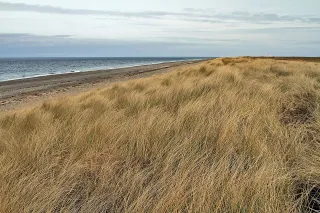
Programm in der NäheRewildingAmsterdamWiederherstellung von Küstendünen durch einheimische PflanzengemeinschaftenDünen mit Strandhafer und Nachbarn wiederherstellen Die niederländischen und belgischen Küsten sind auf lebende Dünen als Schutz vor Stürmen angewiesen. Die Helden des Natura 2000 Award zeigen, wie Anwohner Strandhafer umpflanzen, illegale Wege sperren und dafür sorgen, dass die Dünen atmen können. Was Sie tun können - Stöbern Sie unter „Meet the Natura 2000 Heroes“ nach Küstendünenprojekten in Ihrer Nähe - Nehmen Sie an kommunalen Dünenbepflanzungstagen entlang der Hollandse Duinen und der Küste von Zuid-Kennemerland teil - Folgen Sie den markierten Holzstegen und helfen Sie dabei, Spaziergänger von empfindlichen Hängen fernzuhalten So funktioniert es Ranger markieren Bereiche, in denen der Sand durch Fußgängerverkehr verdichtet wurde. Freiwillige pflanzen Setzlinge, errichten Seilzäune und überwachen die Sandablagerungen nach Winterstürmen. Warum das wichtig ist Dichte Dünen schützen Dörfer, füllen das Grundwasser wieder auf und beherbergen Orchideen und Kaninchen, die Strandspaziergänge wieder zu einem Naturerlebnis machen.dunescoastalnative +1