Nachhaltigkeitsinitiativen in Darmstadt
Finde Gemeinschaftsgärten, Kompostprogramme, Repair-Cafés und Aufräumaktionen in Darmstadt — lokale Umweltinitiativen zum Mitmachen.
Darmstadt treibt Schwammstadt voran, etwa in der Lincoln-Siedlung, mit grünen Plätzen, Förderungen und Darmbach-Pflege. Entdecke Ideen, die Regen, Boden und Straßen zu geteilter Resilienz machen.
- Ideen
- 5
- Initiativen
- 3
- Mitmachende
- 0
Darmstadt auf der Karte
Top-Ideen in Darmstadt

Beantragen Sie Fördermittel für Grün- und Wasserprojekte in Darmstadt
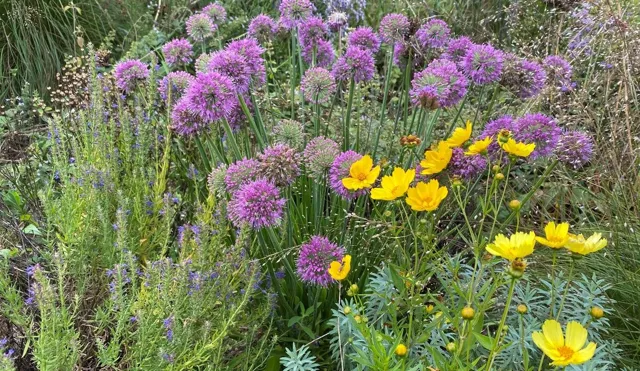
Finanzieren Sie Ihre eigenen Kühl- und Wasserprojekte Darmstadt bietet Förderprogramme für Einwohner und Unternehmen an, um Bäume zu pflanzen, Regenwasserzisternen zu installieren, Grauwasserrecycling einzurichten und Gründächer anzulegen. Die Stadt übernimmt die Kosten für bis zu fünf Hochstamm-Obstbäume pro Haushalt innerhalb der Stadtgrenzen. Auch Fördermittel für Solaranlagen, Tropfbewässerung und Nachrüstungen zur Wasserspeicherung werden unterstützt. Mit diesen Maßnahmen kann jeder einen Beitrag zur Klimaanpassung leisten. Was Sie tun können - Prüfen Sie, welche Förderprogramme für Ihren Garten oder Hof in Frage kommen (Bäume, Zisternen, Grauwassersysteme) - Beantragen Sie städtische Fördermittel zur teilweisen oder vollständigen Deckung der Kosten - Pflanzen Sie einheimische Arten, die Trockenheit vertragen und Bienen ernähren - Speichern Sie Regenwasser dort, wo es fällt, damit es den Boden nährt und nicht in die Kanalisation gelangt So funktioniert es Wenden Sie sich mit Ihrer Projektidee an das Umweltamt oder an Grünflächenamt. Die Stadt prüft und genehmigt Anträge, die die Kriterien zur Klimaanpassung erfüllen. Die Förderung deckt die Installationskosten ab; Sie verpflichten sich zur Pflege und zu einer Laufzeit von 5 Jahren. Warum das wichtig ist Einzelne Grundstücke summieren sich. Wenn Hunderte von Haushalten versiegelte Parkflächen aufbrechen, Bäume pflanzen und Regenwasser zurückhalten, kühlt sich das Viertel schneller ab und das Regenwasser überlastet die Kanalisation nicht mehr. Aus kleinen Maßnahmen entsteht große Widerstandsfähigkeit.
Entdecken Sie das Ludwigshöhviertel als „Schwammviertel“
Ein Rundgang durch ein weiteres klimafreundliches Viertel Das Ludwigshöhviertel wurde, ähnlich wie Lincoln, als „Schwammstadtviertel“ neu gestaltet: Regenwasser versickert in Sandbetten, große Bäume senken die Oberflächentemperaturen, Dächer sind wo möglich begrünt. Die Bewohner können beobachten, wie einheimische Pflanzen und Vögel auf den ehemals versiegelten Flächen wieder heimisch werden. Die Freiraumplanung der Stadt betrachtet beide Stadtteile als übertragbare Modelle und nicht als Einzelprojekte. Was Sie tun können - Besuchen Sie das Viertel und achten Sie darauf, wo Wasser zurückgehalten wird, wo Schatten entsteht und wo Kinder spielen können - Vergleichen Sie versiegelte mit unversiegelten Straßen und spüren Sie den Temperaturunterschied - Fragen Sie Ihren Ortsbeirat, ob ähnliche Konzepte vor Ort umgesetzt werden könnten So funktioniert es Beide Stadtteile nutzen dieselben Maßnahmen: Entsiegelung, wassersparender Baumpflanzabstand, begrünte Dächer und Regenwasser, das den Boden statt der Kanalisation speist. Die Stadt testet Ideen in großem Maßstab, bevor sie Leitlinien für private Eigentümer herausgibt. Warum es wichtig ist Wenn man einmal den Unterschied zwischen einem „Schwammplatz“ und einem Parkplatz mit Wärmeinseleffekt gesehen und gespürt hat, kann man ihn nicht mehr übersehen. Diese Stadtteile zeigen, dass der Wandel innerhalb einer einzigen Stadt möglich ist.
Folgen Sie dem Klimaplan „Schwammstadt“ von Darmstadt
Machen Sie mit beim Klimaanpassungskonzept der Stadt Darmstadt hat Ende 2025 einen vom Bundesministerium finanzierten Klimaanpassungsplan verabschiedet. Der Plan sieht die Prinzipien der „Schwammstadt“ als zentrale Maßnahme gegen Hitzewellen, Hochwasser und Dürren vor. Die Einwohner können an den sommerlichen „Klimaspaziergängen“ teilnehmen, um sich Projekte aus erster Hand anzusehen und Ideen für ihre eigenen Straßen einzubringen. Was Sie tun können - Nehmen Sie an einem „Klimarundgang“ in Ihrem Stadtteil teil (die „Heimstätte“-Reihe beginnt im August 2026) - Lesen Sie den Klimaanpassungsplan, um die Vision der Stadt zu verstehen - Teilen Sie dem Amt für Klimaschutz und Klimaanpassung mit, welche Straßen am dringendsten eine Kühlung oder ein Wassermanagement benötigen So funktioniert es Die Stadt organisiert thematische Spaziergänge, die zeigen, wie Kühlung, Wasser und Grün miteinander verbunden sind. Die Teilnehmer erfahren, warum bestimmte Bäume ausgewählt wurden, wie Mulch Feuchtigkeit speichert und warum die Begrünung von Bordsteinkanten funktioniert. Die Spaziergänge sind Teil der Bemühungen der Stadt, ein gemeinsames Verständnis für Klimaschutzmaßnahmen zu schaffen. Warum das wichtig ist Ein Plan ist nur so stark wie die Menschen, die ihn verstehen und die Stadt daran messen. Diese Rundgänge verwandeln Klimawissenschaft in gelebte Erfahrung und schaffen Rückkopplungsschleifen innerhalb der Gemeinschaft.
Machen Sie mit bei Darmbach e.V. für die Freilegung von Wasserläufen
Einsatz für lebendiges Wasser in der Stadt Darmbach e.V. ist eine 2008 gegründete Bürgerinitiative mit 160 Mitgliedern, die sich für die Freilegung und Renaturierung des Darmbachs einsetzt, der seit 1970 unterirdisch fließt. Die Initiative argumentiert, dass sichtbares, fließendes Wasser die Stadt kühlt, die Ökologie fördert, die Kosten für den Regenwasserabfluss senkt und den Bewohnern wieder einen Bezug zur Hydrologie vermittelt. Die Mitgliedschaft kostet 5 € pro Jahr und ist Teil einer landschaftsweiten Initiative. Was Sie tun können - Treten Sie Darmbach e.V. bei (5 € pro Jahr) und nehmen Sie an Planungssitzungen und Begehungen vor Ort teil - Erfahren Sie, warum offen liegende Bäche kostengünstiger und kühler sind als versteckte Rohrleitungen - Setzen Sie sich bei Ihrem Ortsbeirat für einen Darmbach-Abschnitt in Ihrem Bezirk ein - Unterstützen Sie den Dialog der Initiative mit Stadtplanern über den Masterplan 2030+ So funktioniert es Die Gruppe dokumentiert den Verlauf des Baches, klärt die Anwohner über dessen Geschichte und Ökologie auf und drängt die kommunalen Entscheidungsträger dazu, der Sichtbarkeit des Wassers in den Klimaplänen Priorität einzuräumen. Jeder Erfolg (die Freilegung eines Abschnitts, die Schaffung einer Kaskade) verändert die Atmosphäre eines Ortes und die Erwartungen der Menschen. Warum es wichtig ist Verborgenes Wasser ist unsichtbare Infrastruktur. Freigelegte Bäche sind Treffpunkte, Kühlkorridore und Zeichen dafür, dass die Stadt den Anwohnern zuhört, die ihr Einzugsgebiet kennen. So verlagert sich die städtische Hydrologie von Rohrleitungen hin zu Gemeingütern.Initiativen in Darmstadt
Beim Klima-Taler in Darmstadt mitmachen
Beim Klima-Taler in Darmstadt mitmachen Darmstadt führt Klima-Taler über HEAG Klimaherzen in der App Darmstadt im Herzen und im bundesweiten Netz. Mach lokal mit, verdiene Taler, löse sie bei Partnern ein. Was du tun kannst - Öffne Klima-Taler oder die HEAG-Stadt-App und tritt dem Darmstadt-Team bei - Lies den Darmstadt-Hinweis auf der Städte-Seite Wann & wo Wiederkehrend. Ungefährer Pin: Luisenplatz, Darmstadt. 49.8728, 8.6512. So funktioniert es Kostenlos für Einwohnerinnen. Angebote live in der App. Warum das zählt Ein Stadtwerk-Team hält Klimaspiel neben der Alltagsmobilität. Source & repost Shared here so you can get inspired or find action already happening near you. Solarpunker does not own or organise it. Source: Klima-Taler cities: Darmstadt. Photo: official Klima-Taler site image.Lincoln Quartierspark – Grüner Platz
Besuchen Sie den Kühlplatz jederzeit Der Quartierspark in der Lincoln-Siedlung (im Bereich der Einsteinstraße) ist ganzjährig für die Öffentlichkeit zugänglich. Die Aufstockung um 19 Bäume wird bis zum Herbst 2026 abgeschlossen sein. Anwohner und Besucher können sich auf Bänken ausruhen, Kinder können spielen, und der Schatten senkt die Oberflächentemperaturen um bis zu 5 °C. Ein Beispiel dafür, wie das „Schwammstadt“-Konzept nicht nur Wasserbewirtschaftung betreibt, sondern auch die Gemeinschaft fördert. Wann & wo - Quartierspark, Lincoln-Siedlung, Darmstadt (nahe der Einsteinstraße) - Koordinaten: 49.8476, 8.6407 - Täglich geöffnet, jederzeit (öffentlicher Platz) - Aktuelle Öffnungszeiten: ganzjährig tagsüber zugänglich; mehr Sitzgelegenheiten und Schatten ab Herbst 2026 Warum einen Besuch wert Um zu erleben, wie sich die Aufhebung der Versiegelung und die Baumbepflanzung anfühlen. Um sich vorzustellen, wie die eigene Straße aussehen könnte. Um den Planern zu danken, die zugehört haben. Source & repost Shared here so you can get inspired or find action already happening near you. Solarpunker does not own or organise it. Source: Wissenschaftsstadt Darmstadt — Quartiersplatz Lincoln. Photo: Grünflächenamt, Wissenschaftsstadt Darmstadt (official press image).Klimarundgang – Spaziergänge im Sommer 2026
Nehmen Sie an einem geführten Rundgang durch klimaresistente Straßen teil Das Amt für Klimaschutz und Klimaanpassung veranstaltet in den warmen Monaten des Jahres 2026 sechs Klimarundgänge durch verschiedene Stadtteile Darmstadts. Jeder Rundgang zeigt Infrastruktur der Schwammstadt, Baumpflanzungen, Wassermanagement und Strategien zur Anpassung an die Hitze. Die Teilnehmer erfahren, warum Bäume wichtig sind, wie Mulch dem Boden hilft und wie sie sich für mehr Begrünung in ihren eigenen Straßen einsetzen können. Heimstätte (19. August) ist ein Beispiel; weitere Stadtteile folgen abwechselnd. Wann & wo - Sechs Sommerrundgänge durch Darmstädter Stadtteile (Sommerhalbjahr 2026) - Beispiel: Klimarundgang Heimstätte, Mittwoch, 19. August 2026 - Koordinaten: 49.8728, 8.6512 (Stadtverwaltungszentrum) - Zeiten und Treffpunkte: siehe Veranstaltungsseite der Stadt Darmstadt oder telefonisch unter (06151) 13-4900 Warum mitmachen? Um die wissenschaftlichen Hintergründe und Strategien hinter dem Wandel zu „Schwammstädten“ zu verstehen. Um Nachbarn und Stadtplaner kennenzulernen. Um das Gelernte in die Tat umzusetzen – in der eigenen Straße. Source & repost Shared here so you can get inspired or find action already happening near you. Solarpunker does not own or organise it. Source: Wissenschaftsstadt Darmstadt — Klimarundgang Heimstätte. Organiser: Amt für Klimaschutz und Klimaanpassung. Tel. (06151) 13-4900.Städte in der Nähe
Aktive Kategorien
In der Region Frankfurt
Ideen und Initiativen aus Nachbarstädten im weiteren Raum Frankfurt.