
Ein Rundgang durch ein weiteres klimafreundliches Viertel
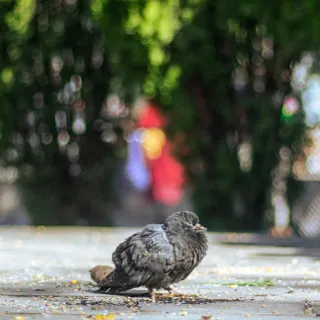
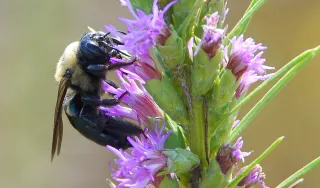
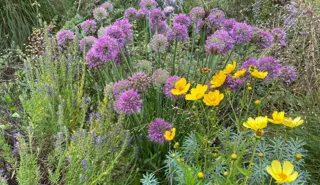
Das Ludwigshöhviertel wurde, ähnlich wie Lincoln, als „Schwammstadtviertel“ neu gestaltet: Regenwasser versickert in Sandbetten, große Bäume senken die Oberflächentemperaturen, Dächer sind wo möglich begrünt. Die Bewohner können beobachten, wie einheimische Pflanzen und Vögel auf den ehemals versiegelten Flächen wieder heimisch werden. Die Freiraumplanung der Stadt betrachtet beide Stadtteile als übertragbare Modelle und nicht als Einzelprojekte.
Was Sie tun können
- Besuchen Sie das Viertel und achten Sie darauf, wo Wasser zurückgehalten wird, wo Schatten entsteht und wo Kinder spielen können
- Vergleichen Sie versiegelte mit unversiegelten Straßen und spüren Sie den Temperaturunterschied
- Fragen Sie Ihren Ortsbeirat, ob ähnliche Konzepte vor Ort umgesetzt werden könnten
So funktioniert es
Beide Stadtteile nutzen dieselben Maßnahmen: Entsiegelung, wassersparender Baumpflanzabstand, begrünte Dächer und Regenwasser, das den Boden statt der Kanalisation speist. Die Stadt testet Ideen in großem Maßstab, bevor sie Leitlinien für private Eigentümer herausgibt.
Warum es wichtig ist
Wenn man einmal den Unterschied zwischen einem „Schwammplatz“ und einem Parkplatz mit Wärmeinseleffekt gesehen und gespürt hat, kann man ihn nicht mehr übersehen. Diese Stadtteile zeigen, dass der Wandel innerhalb einer einzigen Stadt möglich ist.
Source & repost
Shared here so you can get inspired or find action already happening near you. Solarpunker does not own or organise it.
Source: Wissenschaftsstadt Darmstadt — Freiraumplanung. Hub: Stadtgrün, Umwelt & Klimaschutz.
Photo: Wikimedia Commons, Gründach im Neubaugebiet Vogelsang (CC BY-SA 4.0, KaiKemmann).
Diskussion
Lädt...
Zum Kommentieren anmelden